Travel days have a way of stretching your patience, testing your plans, and reminding you that very little is actually in your control. Between rushing through terminals, watching departure boards change, and waiting to see if your luggage shows up, it helps to have simple supports that bring energy, clarity, and calm. This Travel Day Survival Guide isn’t about fixing the delays or the detours—it’s about staying steady, flexible, and relaxed enough to roll with whatever the journey brings and arrive a little more grounded than when you left.
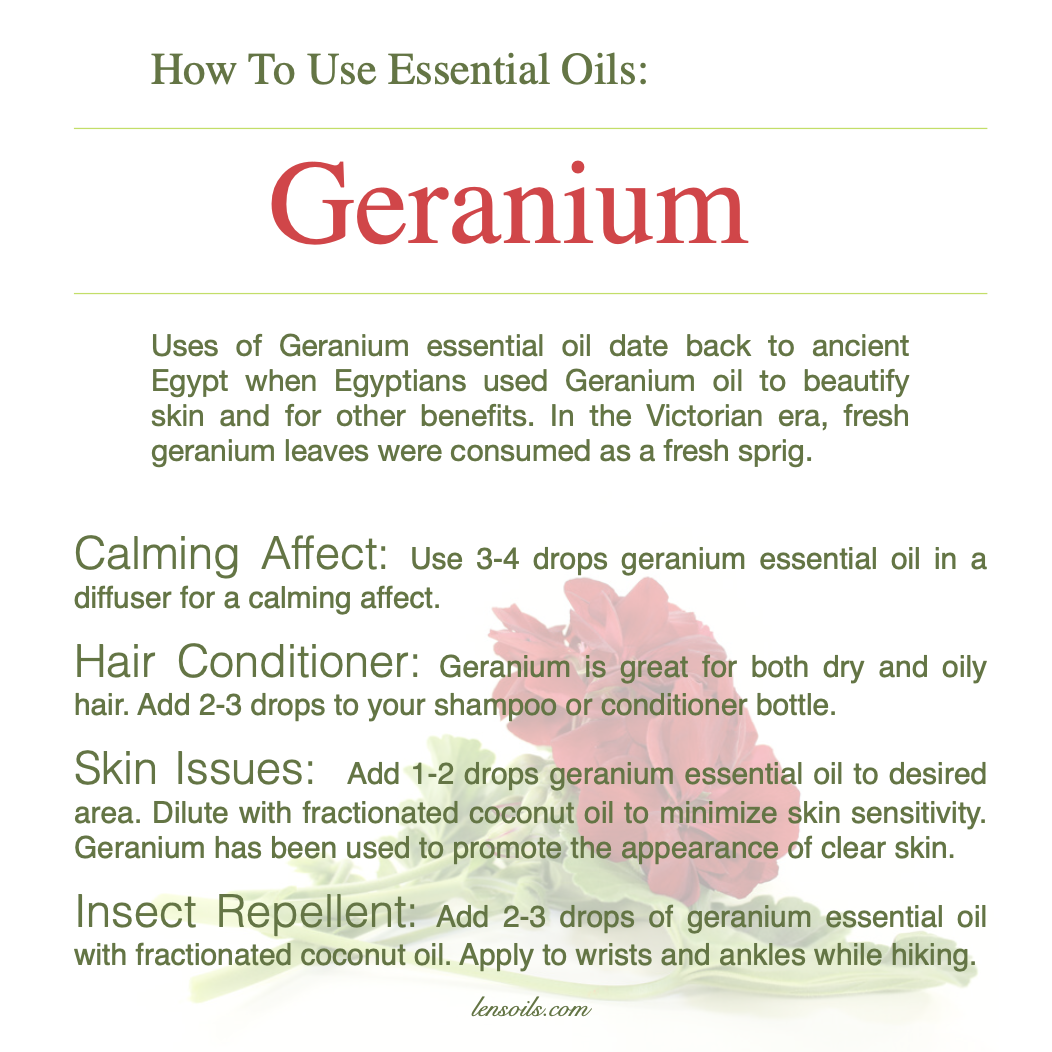
Geranium essential oil is known for its ability to bring balance, both emotionally and physically. Its soft floral aroma has a naturally calming effect, making it helpful during moments of stress or emotional tension. Diffusing a few drops can create a peaceful atmosphere while also freshening the air. Geranium has also been traditionally used for skin concerns, where it is valued for supporting the appearance of clear, healthy-looking skin when properly diluted and applied.
Beyond emotional and skin support, geranium is a practical oil for everyday use. It works as a gentle hair conditioner for both dry and oily hair, helping hair feel nourished without feeling heavy when added to shampoo or conditioner. Geranium is also commonly used as a natural insect repellent. When diluted with fractionated coconut oil and applied to areas like wrists and ankles, it can help keep insects away while outdoors, making it a versatile oil for both self-care and time spent in nature.
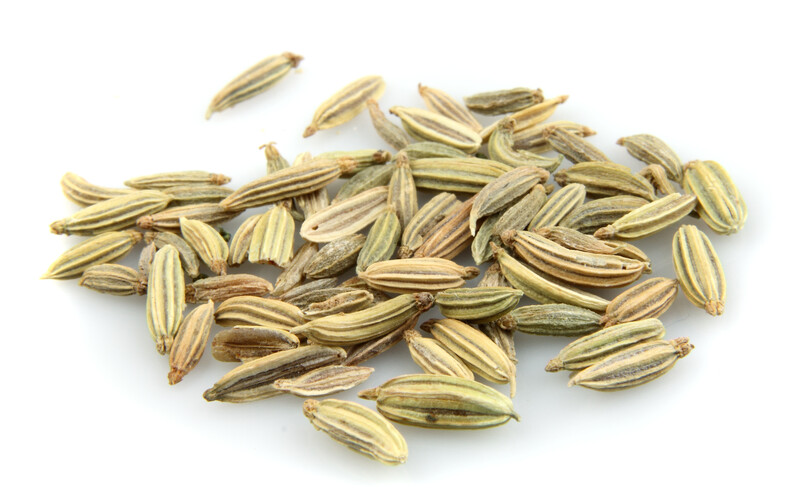
It began in sun-drenched fields, where soft feathery stalks swayed in the breeze and the air smelled faintly of licorice and earth. Long before maps had borders and names, this plant grew wild along the shores of the Mediterranean. Ancient hands didn’t call it medicine or spice—they just knew that chewing a few seeds settled the stomach and brightened the senses. The knowledge didn’t come from books. It came from experience.
Through wars and winters, the plant remained. Roman soldiers chewed its seeds for courage. Midwives in medieval villages gave it to new mothers for strength. In some places, it was hung over doorways to ward off unwelcome spirits. In others, it was ground into food to flavor feasts and help with digestion after. It became a plant of the people, simple, strong, enduring and always nearby.
As centuries turned, apothecaries and herbalists began boiling the seeds, pressing the oils, and steeping the leaves. And when modern distillation arrived, something even more concentrated emerged. The scent was sweet but strong—like anise and black licorice, with something warm beneath. People began to use it for clarity, for confidence, for calming unsettled thoughts. No one needed permission. They just liked how it made them feel.
Today, the steam distillers run quietly in rural hillsides where the tradition is still alive. The seeds are collected when they’re rich in oil, their pale green shells holding a powerful secret. In small villages, farmers still know which rows produce the boldest flavor, and which seasons yield the brightest scent. And companies like doTERRA have chosen to partner with these growers—preserving not just the oil, but the hands and heritage behind it.
That light-green plant, with feathery leaves and tiny seeds that shimmer in the sun, has flavored food, soothed spirits, and sharpened minds for thousands of years. It was trusted by mothers, soldiers, and healers alike. Its name? That came later—borrowed from Latin, carried across languages, and eventually distilled into something more than a spice. This is Fennel. Now you know the rest of the story.
The Blue Lotus blooms on waters wide, A sacred flower once Egypt’s pride. They laid it on kings, in tombs of gold, A symbol of life, as stories told.
Its blossoms are rare, the harvest brief, Gathered at dawn with care and belief. Solvent-extracted, the fragrance stays, A floral delight with honeyed rays.
Soft notes of fruit and green combine, A calming perfume, both sweet and fine. A drop on the skin or wrists will show, How peace within the spirit can grow.
Squalene within helps skin to retain, Moisture and balance, easing the strain. Benzyl alcohol brings scalp relief, Supporting hair with gentle belief.
From Southeast ponds, the blossoms rise, Picked by hand as the sun paints skies. Harvesters work with skill and grace, To keep each bloom in its purest place.
Rare in supply, yet treasured so true, Blue Lotus oil is a gift to renew. A jewel of calm, both ancient and near, It whispers of peace for those who hear.
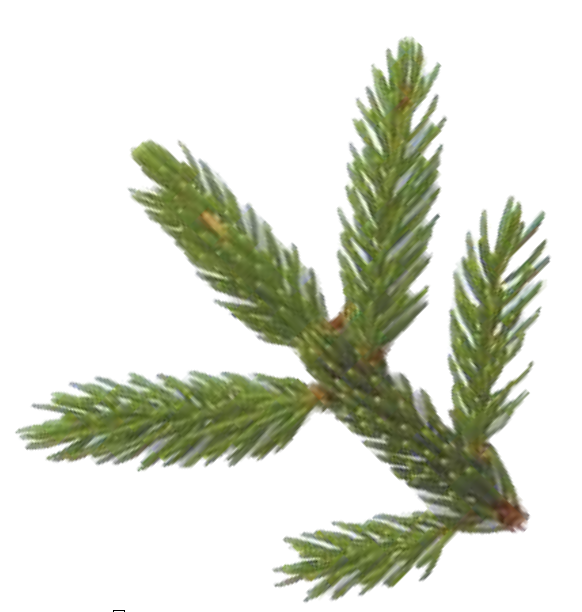
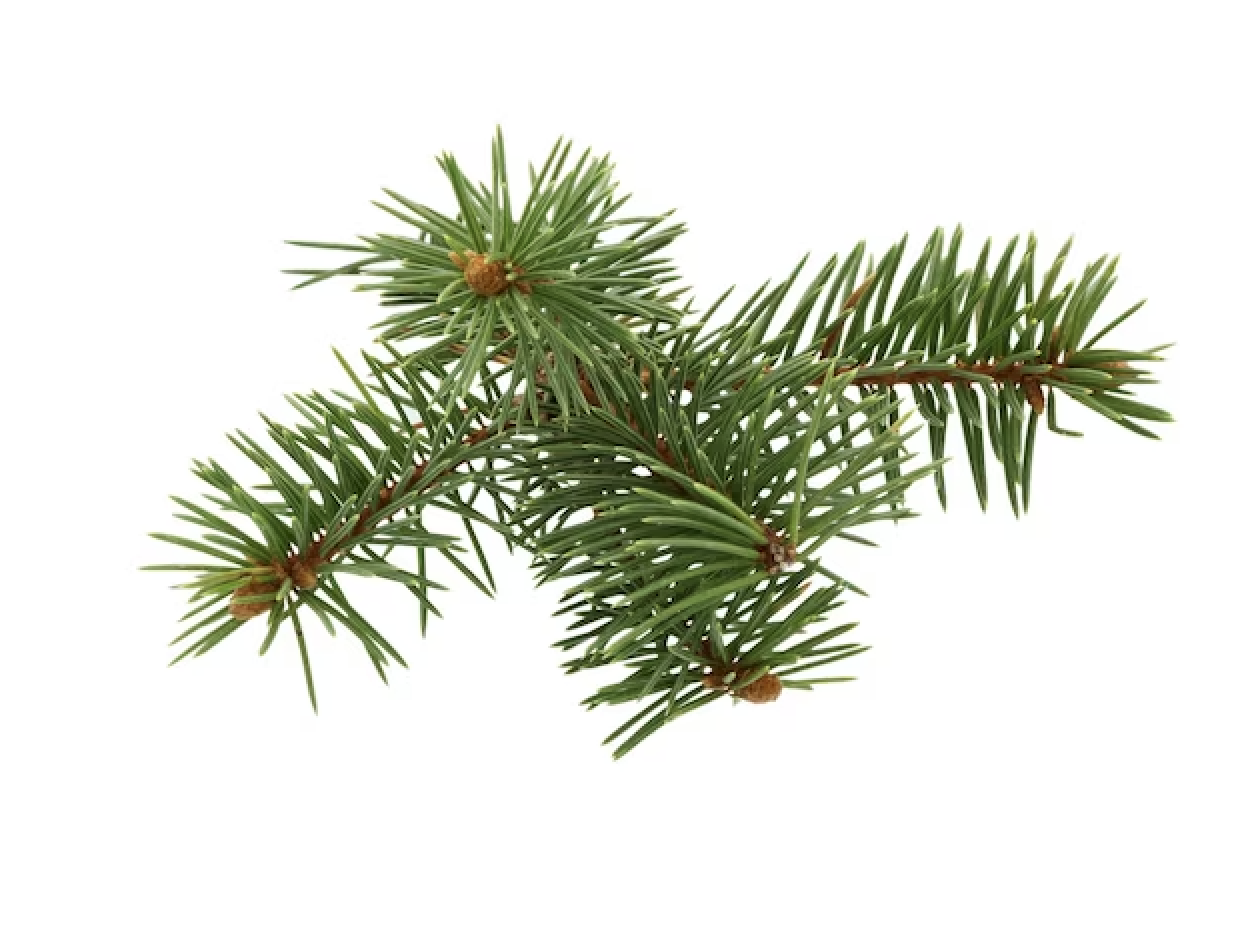
Where northern winds sing soft and low, Through mist and moss, the spruces grow. By rivers wide and swamps so deep, Their roots in ancient waters keep.
A healer’s touch, a sacred tree, A gift from earth, wild and free. For generations, hands have known, Its soothing touch on skin and bone.
A breath of pine, crisp and bright, To clear the air, to bring in light. A drop diffused, the chest expands, Like forests vast in distant lands.
A quiet strength, a calming balm, In weary hearts, it whispers calm. Blended soft with chamomile, It eases aches and soothes with style.
Its essence lingers, fresh and true, A cleansing wave, the air renewed. With frankincense, a sacred pair, To sharpen focus, scent the air.
Through swamps and hills, it holds its place, A tree of wisdom, strength, and grace. From ancient roots to healing hands, Black spruce endures, where nature stands.
In the small German village of Aalen, nestled near the River Kocher, Johann Becker spent his days crafting rye bread infused with a peculiar spice. Johann wasn’t a famous baker, not yet, but his bread was different—it lingered on the tongue and settled the stomach. This wasn’t just any spice; it had been cherished for generations, from the markets of the Middle Ages to the dining tables of Europe.
Centuries earlier, in the Roman Empire, this seed was already a staple. The Roman naturalist Pliny the Elder wrote about its digestive benefits, describing how it was commonly added to bread and stews. The Romans also believed that this spice had protective qualities—some even carried it as a charm against misfortune. It was a fixture in their cuisine, medicine, and rituals, spreading across the empire as trade routes flourished.
In the 12th century, Hildegard von Bingen, the famed German abbess and healer, praised this tiny seed for its ability to soothe the stomach. She documented its use in treating digestive discomfort and called it a “gift of the earth.” Hildegard’s herbal remedies spread across medieval Europe, and her influence ensured that this seed remained a trusted remedy for centuries to come.
By the Elizabethan era, this spice had firmly established itself in England. Bakers added it to cakes and breads, and it was a common ingredient in festive dishes. A curious superstition arose: it was believed that anything containing this seed could not be stolen. Some even placed it in cabinets or carried it in small pouches as a safeguard. While the origins of this belief remain unclear, it persisted for generations.
In the 19th century, Dr. John Kellogg, a pioneer in health and wellness, experimented with the oil derived from this seed. At his Battle Creek Sanitarium, he advocated for its use in promoting digestion and oral health. Kellogg’s interest in natural remedies helped popularize essential oils in the medical community, reinforcing the long-standing belief that this seed was more than just a spice—it was a healer.
Meanwhile, in kitchens across the world, chefs continued to rely on its warm, peppery flavor. Eastern European and Middle Eastern bakers incorporated it into traditional breads, while French and German cooks used it in sausages and stews. This seed had an unmistakable aroma—one that deepened with heat, adding complexity to any dish it touched.
As the field of aromatherapy developed, scientists discovered that the seed contained carvone, a compound responsible for its distinct scent and therapeutic properties. Studies confirmed what ancient healers had long suspected—it aided digestion, freshened breath, and provided a sense of grounding and warmth. Its oil found its way into massage blends, mouth rinses, and even skincare routines.
Dentists and naturopaths recommended it for oral care, while herbalists blended it with other essential oils for relaxation and focus. It became a key ingredient in herbal teas, digestive aids, and natural remedies. In modern spas, its essential oil was combined with lavender to create soothing soaks, continuing the tradition of using this seed for both wellness and relaxation.
And now, with all the clues before you—the ancient kitchens, the writings of Pliny, the healing wisdom of Hildegard von Bingen, the science of carvone—you might think we’re talking about cumin or fennel. But no, the unsung hero of this story is caraway. With its zesty flavor, digestive benefits, and timeless aroma, it has touched lives for centuries.
Oh Yuzu, bright and golden gem, A treasure from the East’s rich hem. Your citrus kiss, a tart embrace, A dance of Mandarin and Grapefruit’s grace.
For centuries past, in Japan’s serene lands, You’ve graced the air, soothed weary hands. A zesty balm, a fragrant art, To calm the mind and heal the heart.
In diffusers, you softly bloom, Chasing away the cloud of gloom. A few mere drops, a calming breeze, Melting tension with effortless ease.
In creams and mists, your scent does glide, A personal fragrance, worn with pride. Soft whispers on the skin you leave, A touch of joy, a sense reprieve.
When breath grows shallow, and lungs feel tight, You bring relief, restore the light. A blend with coconut, a soothing trail, To conquer congestion, you never fail.
Oh Yuzu, citrus spirit divine, Your therapeutic gifts forever shine. A timeless essence, pure and true, A gift from nature, dear Yuzu.
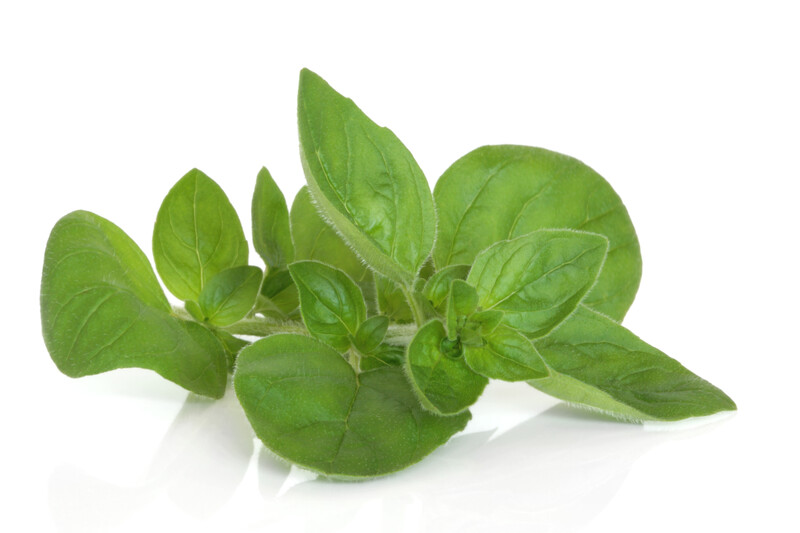
Oh, fragrant basil, herb divine, With spicy notes and touch of thyme, You calm the storm, you ease the mind, A tranquil balm for humankind.
In a diffuser, your essence flows, Promoting focus as knowledge grows. While studying or reading through the night, You sharpen thoughts and bring delight.
In kitchens, you take center stage, A single drop on the culinary page, Transforming dishes, fresh and bright, A taste of gardens in every bite.
For weary souls, you’re a tender balm, With wintergreen, you restore the calm. A massage of oils, the stress will cease, Neck to shoulders, you bring sweet peace.
During cycles, you lend your grace, A soothing touch, a warm embrace. Internally taken, a drop will do, To steady and comfort the body anew.
Oh, basil, friend of both heart and plate, A gift from nature, so simple, so great. In every drop, a story untold, Of wellness, flavor, and courage bold.
In a world filled with the hustle and bustle of daily life, we often seek out remedies that can keep us balanced and resilient against the challenges that come our way. Enter a hidden gem, a secret weapon in the realm of natural solutions: essential oils. Today, let’s uncover the mystery behind one particularly intriguing oil – a potent elixir known for its ability to invigorate the senses and promote wellness. But first, let’s journey back in time to where it all began.
Long before modern medicine, ancient civilizations revered the power of botanical extracts. Among these treasures was an oil derived from a humble yet mighty spice, cherished for its remarkable properties. Revered by Egyptians, embraced by Greeks, and celebrated by Romans, this aromatic essence transcended borders and cultures, leaving an indelible mark on history.
Fast forward to the present day, and the legacy of this extraordinary oil lives on. Derived from the fruit of the Piper nigrum plant, its essence is packed with a symphony of monoterpenes and sesquiterpenes – compounds renowned for their antioxidant prowess. But its benefits extend far beyond mere protection against environmental assailants.
Picture this: the air is thick with seasonal threats, a challenge to even the hardiest of souls. In times like these, a mere drop or two of this precious oil in a veggie cap can be a game-changer, fortifying the body’s defenses against whatever nature throws its way.
But wait, there’s more. As versatile as it is potent, this oil seamlessly transitions from the realm of wellness to the realm of culinary delight. Imagine infusing your favorite dishes with its rich, aromatic flavor – meats, soups, entrees elevated to new heights with just a drop or two. It’s a culinary journey like no other, a symphony of taste and aroma that tantalizes the senses and delights the palate.
Yet, the story doesn’t end there. Beyond its culinary and wellness applications, this oil holds another secret – a balm for the soul in times of turmoil. Picture a moment of anxious tension, the weight of the world pressing down upon weary shoulders. In moments like these, a few drops of this oil can work wonders, soothing frazzled nerves and restoring a sense of calm and tranquility.
But perhaps its most understated virtue lies in its ability to nurture the body from within. Whether taken internally to aid digestion or added to food for a burst of flavor, this oil embodies the essence of holistic wellness, nourishing mind, body, and spirit in equal measure.
So there you have it, folks – a glimpse into the captivating world of black pepper essential oil. From ancient civilizations to modern-day marvels, its story is one of resilience, versatility, and above all, the enduring power of nature’s remedies. And as we continue to uncover the secrets of the natural world, one thing remains clear – sometimes, the most profound solutions can be found in the simplest of places. And now you know… the rest of the story.





 Len's Oils