Lime essential oil is bright, refreshing, and energizing, with a crisp citrus aroma that instantly lifts the senses. Its fresh scent is commonly used to create an upbeat, clean atmosphere and is especially popular in kitchens and living spaces. Because limes are widely used in entrées and beverages, lime essential oil is also appreciated for its familiar, zesty flavor and its ability to enhance both mood and focus.
Lime oil has many practical uses around the home and in daily routines. Placing 2–3 drops on a cotton ball can help remove grease spots and sticky residue from surfaces. In cooking, one drop can be added to guacamole or fruit smoothies to brighten flavor. For personal care, a single drop may be mixed into facial cleanser or shampoo for extra cleansing support. Diffusing 3–4 drops helps freshen the air while promoting a positive, energized environment.
Kumquat essential oil comes from a small citrus fruit whose name means “golden orange” in Cantonese. The fruit itself is about the size of a large olive or a very small plum, but it carries a bright, sweet aroma that feels instantly uplifting. Kumquat essential oil is naturally high in d-limonene, a compound commonly found in citrus oils and widely studied for its cleansing properties and support of overall metabolic wellness. Its scent is cheerful and light, making it a favorite for boosting mood and energy.
In everyday use, kumquat essential oil fits easily into both personal care and home routines. A quick inhale can provide a refreshing midday lift, while adding a drop or two to cleansers or shampoos enhances their fresh, citrus feel. It also works well in simple household cleaning blends and can be used sparingly in recipes to add a bright citrus note. Many people enjoy kumquat for its ability to feel energizing, clean, and naturally cheerful throughout the day.
In a quiet garden, nestled within the walls of an orphanage in North Africa, something unexpected happened. The soil was no different than it had been for years, the air no sweeter, and yet, on one particular tree, something unusual appeared. A fruit, smaller than most, with a deep orange glow and a skin so thin it peeled with barely a touch. It was a citrus unlike any other—mild yet fragrant, sweet but not overly so. And it had arrived, it seemed, by accident.
The children at the orphanage were among the first to notice it. They delighted in its easy-to-peel skin, its burst of sweetness, and its refreshing juice. Unlike other citrus fruits, this one had fewer seeds—sometimes none at all. It was as if nature had crafted something perfectly suited for small hands and eager appetites. But no one knew, just yet, what it was or where it had come from.
Word spread beyond the orphanage walls. Farmers and botanists took notice, intrigued by this unusual citrus. Some suspected it was a hybrid of two familiar trees—one with thin, willow-like leaves and another that bore sweet, round oranges. Others believed it had been growing unnoticed for years, only now recognized for its remarkable qualities. Whatever the case, it soon found its way into markets and homes, where it quickly became a favorite.
The fruit’s appeal was undeniable. It was easy to peel, effortlessly segmented, and refreshingly sweet. Its delicate balance of tartness and flavor made it ideal for eating fresh, adding to desserts, or even blending into drinks. It was also useful in unexpected ways—a few drops of its oil in tea or water helped ease occasional heartburn, while adding it to facial cleansers provided a natural boost to the skin. Its bright, zesty essence found its way into household cleaners, its scent filling homes with freshness.
It gained popularity quickly, reaching far beyond its place of origin. Farmers established entire orchards devoted to its cultivation, drawn to its abundant harvests, lack of seeds, and delightful flavor. Over time, it became a staple of the winter season, adding bursts of color to fruit bowls and making its way into school lunches. By the mid-20th century, countries such as Spain, Morocco, and the United States embraced its commercial production, ensuring it would be enjoyed worldwide.
For years, many enjoyed the fruit without ever questioning where it had come from. It seemed as though it had always existed, as natural and familiar as any other citrus. Yet few knew its true origins or how it had been brought to the world’s attention. It had transformed from an orphanage’s garden surprise to one of the most beloved citrus varieties in the world, but the story of the person behind it remained in the background.
The fruit that almost wasn’t? Clementine was named after the man who first cultivated and classified it—Brother Clément Rodier. This small, sweet citrus became a symbol of nature’s surprises, bringing joy, health, and nourishment to countless people. Its vibrant hue, effortless peeling, and refreshing taste secured its place among the most beloved citrus varieties. Whether tucked into a child’s lunchbox, nestled in a holiday fruit basket, or blended into skincare products, its presence is unmistakable. And now, you know the rest of the story.
Oh Yuzu, bright and golden gem, A treasure from the East’s rich hem. Your citrus kiss, a tart embrace, A dance of Mandarin and Grapefruit’s grace.
For centuries past, in Japan’s serene lands, You’ve graced the air, soothed weary hands. A zesty balm, a fragrant art, To calm the mind and heal the heart.
In diffusers, you softly bloom, Chasing away the cloud of gloom. A few mere drops, a calming breeze, Melting tension with effortless ease.
In creams and mists, your scent does glide, A personal fragrance, worn with pride. Soft whispers on the skin you leave, A touch of joy, a sense reprieve.
When breath grows shallow, and lungs feel tight, You bring relief, restore the light. A blend with coconut, a soothing trail, To conquer congestion, you never fail.
Oh Yuzu, citrus spirit divine, Your therapeutic gifts forever shine. A timeless essence, pure and true, A gift from nature, dear Yuzu.
Did you know tangerineʼs have strong qualities of cheer and joyfulness? People who at times feel overwhelmed by responsibility would benefit from the the uplifting vibration that comes from tangerineʼs. Another important aspect of tangerine is itʼs ability to help us access our creative energy within our spirit.
The name tangerine comes from Tangier, a port of Morocco, where the first ship with Mandarin oranges arrived from China? This citrus fruit is believed to have originated in Southeastern Asia and since then it has been widely cultivated in different parts of the world.
A tangerine orange is smaller than a regular orange, and contains a strong pleasant fragrance. The fruit is quite fragile but the sections are easy to separate. A medium tangerine provides about 37 calories of food value, the fruit is not only delicious, it is an important addition to any diet.
Tangerine essential oil is great to use when cooking. Tangerine oil contains esters and aldehydes which are sedating and calming to the nervous system and has been studied for its ability to sooth emotions such as grief anger and shock. Like most citrus oils, avoid direct sunlight or UV light for up to 12 hours after using on the skin
Bergamot essential oil has that little interesting past like every other essential oil has…Bergamot oil does many benefits to us and our body parts we precisely value most…
Recent Italian research has shown that Bergamot essential oil has a wide variety of uses in aromatherapy application; it is useful for respiratory problems, skin diseases, mouth and urinary tract infections. It has been used since the sixteenth century as a remedy for fever and as an antiseptic. It is also renowned for being used as the flavoring in Earl Grey Tea.
A primary component of the fragrant eau-de-cologne, Bergamot oil also has a number of therapeutic uses in aromatherapy. It has a high content of the chemicals esters and alcohols, making it a gentle oil to use. Bergamot oil is useful for digestive difficulties, stress, infectious wounds, as an insect repellent and for cystitis. It is

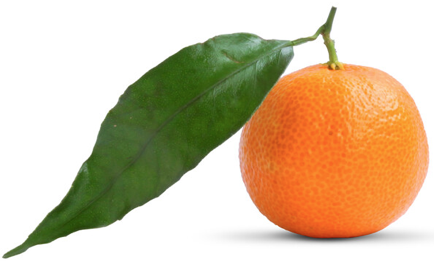

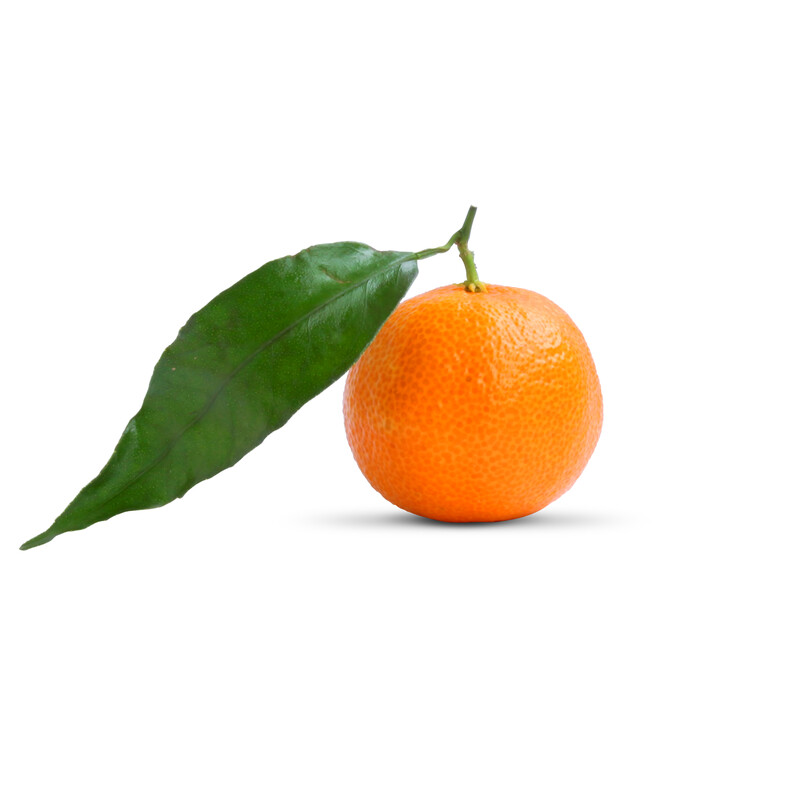


 Did you know tangerineʼs have strong qualities of cheer and joyfulness? People who at times feel overwhelmed by responsibility would benefit from the the uplifting vibration that comes from tangerineʼs. Another important aspect of tangerine is itʼs ability to help us access our creative energy within our spirit.
 Len's Oils