Tag Archives: Frankincense

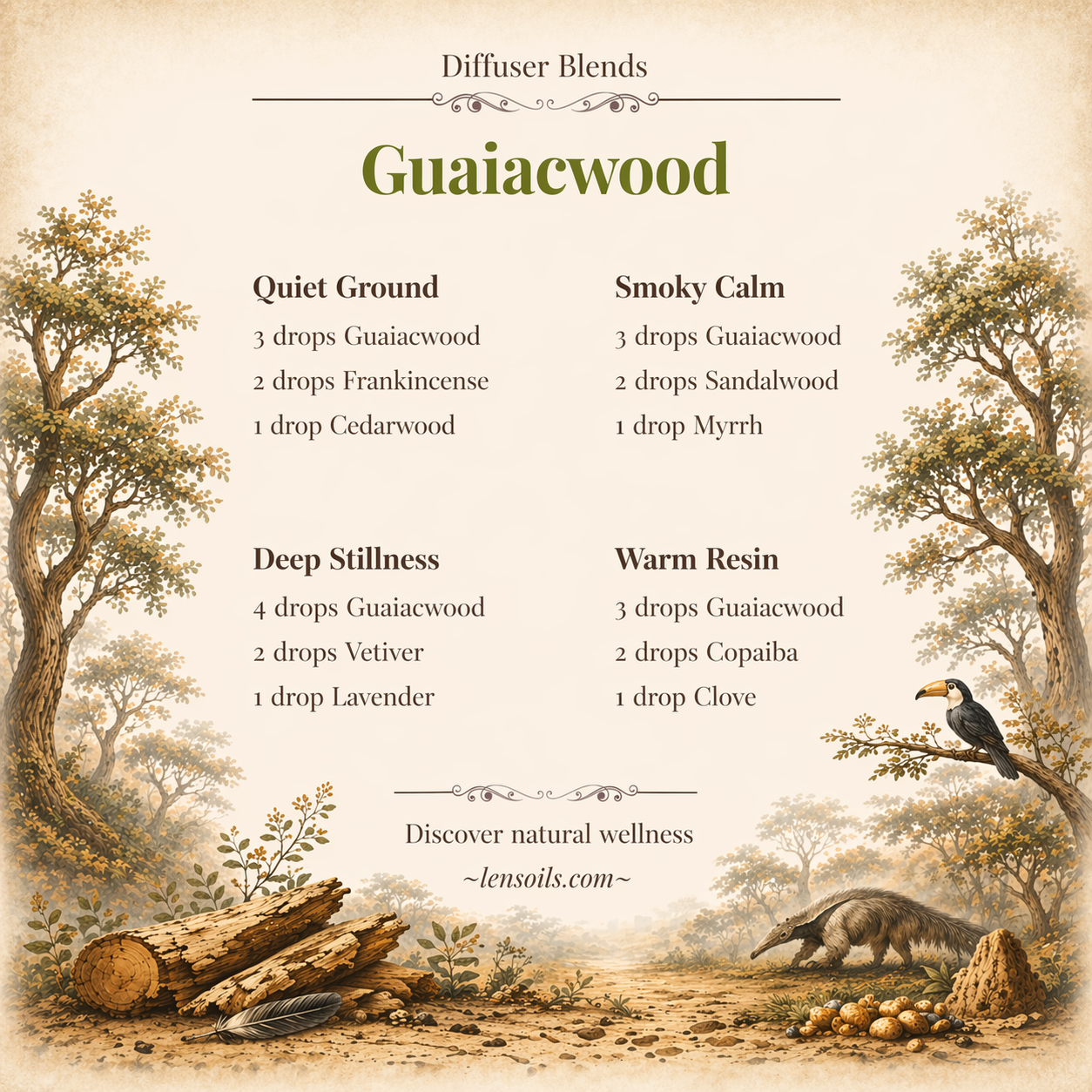
Essential Oil Diffuser Blend: Guaiacwood

Guaiacwood diffuser blends tend to center around a deeply grounding, slow, and steady mood, with each variation offering a different shade of stillness. Quiet Ground leans calm and centered with frankincense and cedarwood, while Smoky Calm moves richer and more meditative with sandalwood and myrrh. Deep Stillness settles further with vetiver and a touch of lavender, and Warm Resin adds a gentle warmth through copaiba and clove. Each blend keeps the same core tone—soft, steady, and unhurried.

Emotionally, Guaiacwood’s aroma often feels like a quiet anchor, helping the body shift into a slower, more settled rhythm. Its deep, earthy profile can support a sense of grounded calm, especially when things feel overstimulating or scattered. Rather than lifting quickly, it creates space to pause, breathe, and feel more centered—like a steady presence that helps everything soften and come back into balance.

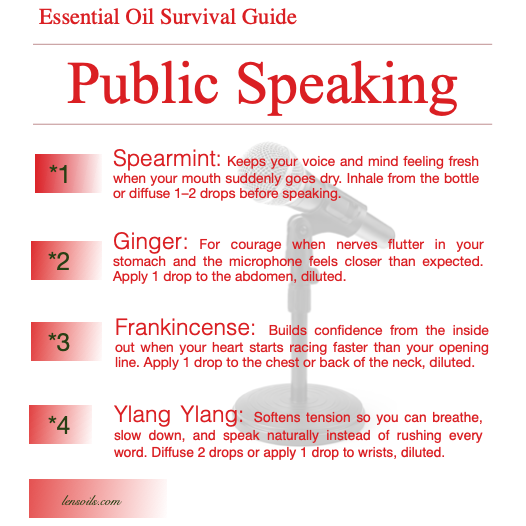
Essential Oil Survival Guide Public Speaking

Public speaking has a way of making even the most prepared person feel exposed and rushed all at once. Between dry mouths, racing hearts, and the sudden awareness of every word you’re about to say, it helps to have simple supports that steady your nerves and keep you present. This Public Speaking Survival Guide is about slowing your breath, trusting your voice, and remembering that the message matters more than the nerves. When you feel grounded and calm, your words land more naturally—and the moment becomes something you move through with confidence rather than fear.

Essential Oil Survival Guide Sick Day

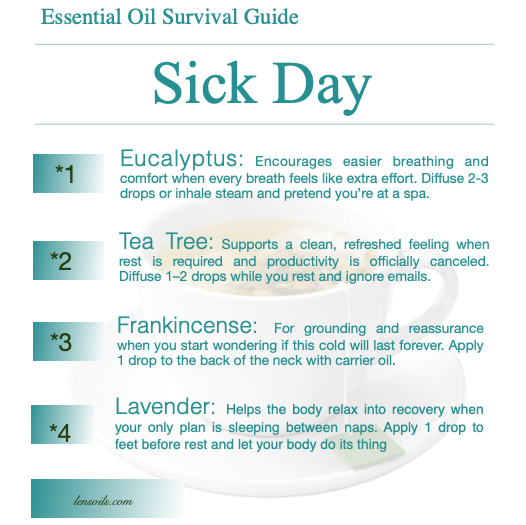
A sick day is about slowing everything down and letting your body take the lead. When breathing feels heavier and your energy is officially offline, eucalyptus opens the air and brings gentle relief, while tea tree keeps the space feeling clean and calm as you fully surrender to rest. Frankincense adds a steady, grounding note when your mind drifts into “how long will this last?” territory, and lavender wraps it all together by helping your body relax deeply into recovery. No fixing, no pushing, no catching up—just breathe, rest, and let healing quietly do its work naturally.

Essential Oil Survival Guide Travel Day

Travel days have a way of stretching your patience, testing your plans, and reminding you that very little is actually in your control. Between rushing through terminals, watching departure boards change, and waiting to see if your luggage shows up, it helps to have simple supports that bring energy, clarity, and calm. This Travel Day Survival Guide isn’t about fixing the delays or the detours—it’s about staying steady, flexible, and relaxed enough to roll with whatever the journey brings and arrive a little more grounded than when you left.

Essential Oils in the Bible

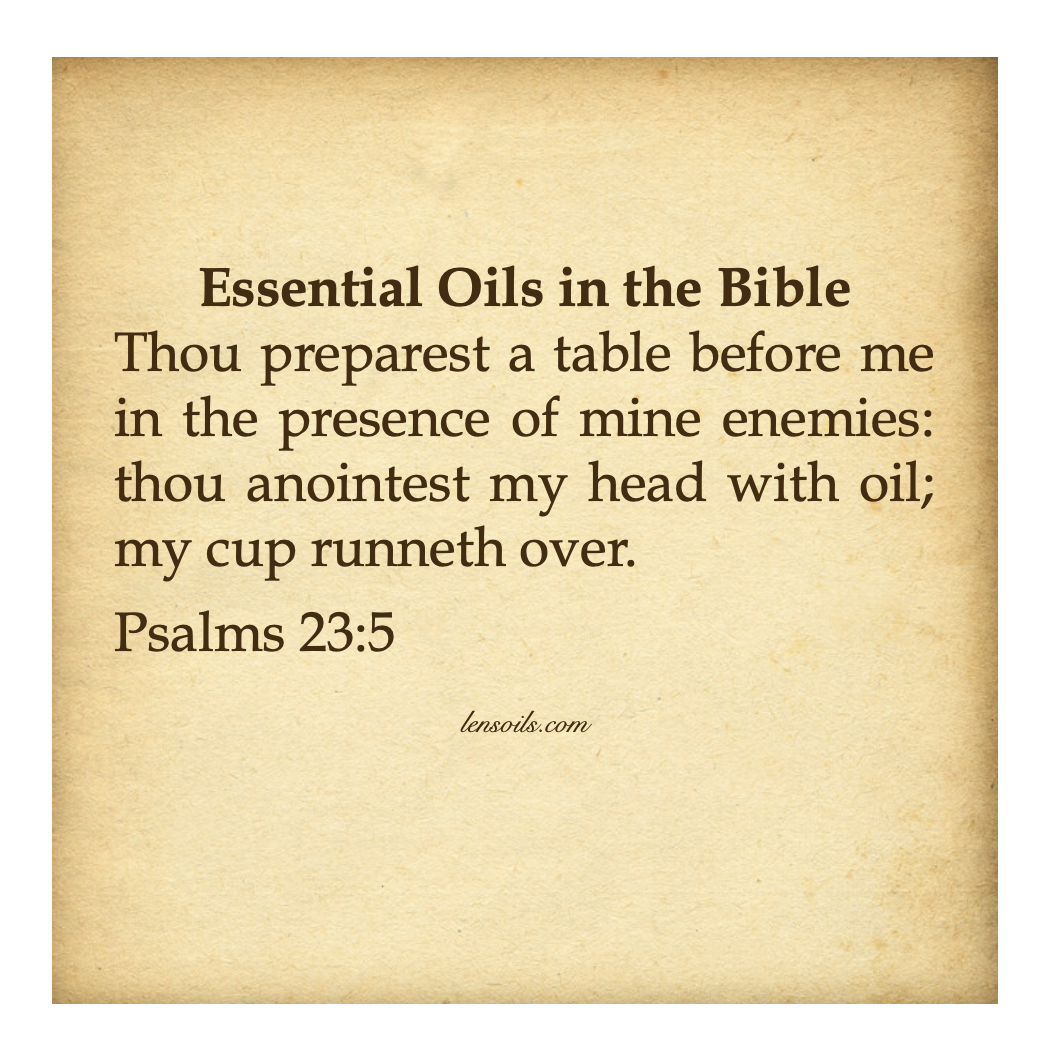
In biblical times, oil was part of everyday life. Olive oil was used for food, skin care, healing, hospitality, and honoring guests. When Psalm 23 says, “thou anointest my head with oil,” it describes a familiar act of refreshment and care. To be anointed meant you were welcomed, valued, and restored, even while challenges were still present.

Essential oils fit naturally into this setting. Aromatic plants such as frankincense, myrrh, and spikenard were infused into oils and used for comfort, cleansing, and spiritual devotion. When David wrote these words, he was drawing from practices people understood well, linking physical care with peace, provision, and a sense of abundance so full that, as he said, the cup truly ran over.

Essential Oil Survival Guide: Wedding Day

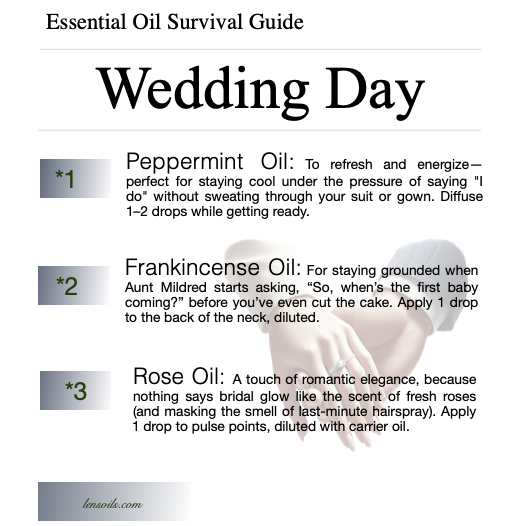
Weddings are beautiful, emotional, and just a little overwhelming all at once. Between the nerves, the questions, the timelines, and the unexpected moments, it helps to have simple tools that support calm, confidence, and connection. This Wedding Day Survival Guide isn’t about perfection—it’s about staying present, breathing through the chaos, and remembering why the day matters in the first place. When things feel rushed or emotional, a few steady scents can help you pause, smile, and step back into the moment you’ll remember forever.

The Gift of the Desert

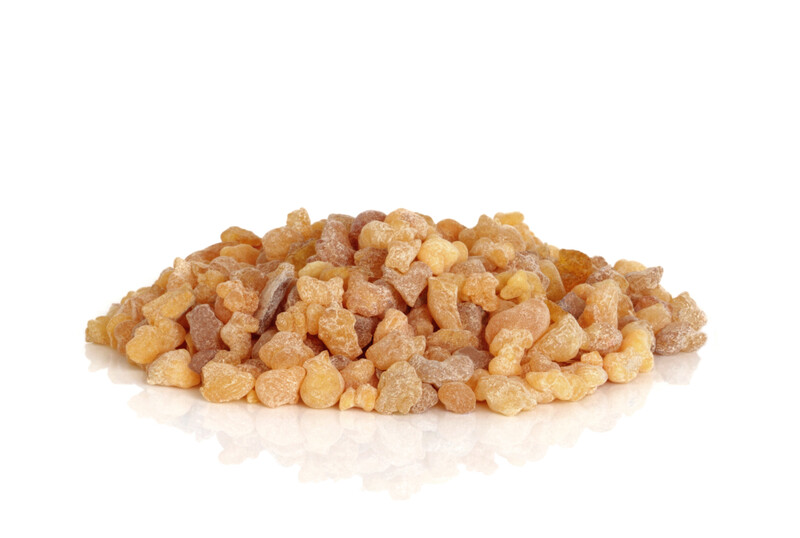
Long before labels, bottles, or written instructions, there was a desert tree growing where almost nothing else could survive. Its roots clung to rocky ground, and its branches bent under heat and wind. When the bark was gently cut, a milky sap slowly appeared. Time and sun hardened it into pale drops. People noticed the scent when it burned. They sensed its value long before they understood why it mattered so much.

These hardened drops began traveling farther than the trees ever could. Caravans carried them across deserts on camels, moving from village to city, from shore to shore. The journeys were dangerous and slow, but traders kept going. This substance was rare, slow to collect, and highly desired. Entire trade routes grew around it. Cities prospered because of it. Some even guarded its sources as carefully as treasure.

In ancient temples, the resin met fire and changed form. Smoke curled upward into high ceilings and open skies. In Babylon and Assyria, people believed that rising scent carried prayers to the heavens. The air felt calmer, quieter, more focused. The act of burning it marked moments as important. Over time, the scent itself became linked with reverence, reflection, and the feeling that something unseen was listening closely.

Farther west, in Egypt, the resin took on an even broader role. It was burned in temples but also blended into perfumes and skin salves. Egyptians valued it for both sacred ceremonies and daily care. It was used to honor life and prepare for death. This substance crossed boundaries few things could. It belonged to priests and families alike. What began in the desert became part of ordinary human routines.

Then came a quiet moment recorded in ancient writings. Travelers followed signs and brought gifts fit for someone believed to matter greatly. Among those offerings was this resin, chosen not for wealth alone but for meaning. It symbolized honor and reverence. Even then, it was already ancient. That single moment did not begin its story, but it confirmed its importance. History had already tested it. Belief simply gave it another chapter.

Centuries passed. Empires faded. New tools and medicines appeared. Yet the resin remained. People continued using it in traditional healing practices, observing how it affected skin, breath, and calm. Healers shared what they noticed, passing knowledge through generations. Though explanations changed, the experience stayed familiar. It was never rushed or dramatic. It worked quietly, slowly, and steadily, earning trust over time.

In modern life, long days still leave marks on the body. Hands grow sore from work. Muscles tighten. When a drop of this ancient substance is warmed between the palms, its scent feels grounding. People notice their breathing slow. The warmth is gentle, not sharp. It does not promise miracles. Instead, it offers comfort. The body seems to recognize it, as if remembering something very old.

Evenings bring their own weight. Tired feet meet the floor carrying worry from the day. A small ritual, low and simple, helps invite rest. Applied carefully, the substance becomes part of quiet routines. Skin, marked by time, receives gentle care. Inside, the body continues its unseen work. Nothing flashy happens. Yet many people return to it again and again, drawn by its steady presence.

What makes this resin remarkable is not just how it is used, but how long it has endured. Few natural substances connect ancient deserts, sacred spaces, and modern homes so smoothly. It never demanded belief. It never chased attention. It stayed useful by being consistent. In a changing world, it invites slowing down, breathing deeply, and valuing simple, lasting support.

Only now does the name step forward, having waited thousands of years to be spoken. The same desert resin carried across trade routes, burned in temples, and used in quiet routines was also placed in the hands of travelers who knelt beside a baby lying in a manger. That gift was this very substance. Its name is frankincense. It still warms, still calms, and still carries history in every drop. And now you know the rest of the story.

Essential Oil Meme

I love this one because it sneaks wisdom in through the back door. A child’s heart is open, unguarded, and honest, and that’s exactly how good essential oils should meet us. No tricks, no shortcuts, nothing hidden. For children, oils like lavender, frankincense, Roman chamomile, and wild orange are often the best starting places because they are gentle, calming, and supportive without being overwhelming. And a child’s will? That quiet, stubborn strength that keeps going even when tired or unsure. The best oils carry that same steady resolve. They don’t overpower. They support, protect, and show up consistently, reminding us that real strength is gentle, real purity is simple, and both work best when they’re trusted rather than forced.

Essential Oil Diffuser Blends: Grapefruit

Grapefruit diffuser blends are loved for their bright, sparkling aroma that instantly uplifts the mood. With its sweet yet tangy citrus notes, grapefruit pairs beautifully with peppermint or spearmint to create an energizing, refreshing environment. Blended with floral oils like geranium or lavender, it softens into a cheerful yet calming fragrance that supports relaxation without losing its lively spark. Many enjoy grapefruit blends for starting the day with positivity and lightness.

When combined with grounding oils such as frankincense or cedarwood, grapefruit develops a richer character that balances energy with focus. Mixed with other citrus oils like lemon or bergamot, it enhances the sense of freshness and joy, turning an ordinary room into a vibrant space. Whether you want a burst of morning energy, a mood lift in the afternoon, or a gentle pick-me-up in the evening, grapefruit diffuser blends create an atmosphere that feels both bright and balanced.

Essential Oils in the Bible

“And when any will offer a meat offering unto the Lord, his offering shall be of fine flour; and he shall pour oil upon it, and put frankincense thereon.”
— Leviticus 2:1

In this passage, frankincense was added to the grain offering, setting it apart as a memorial before God. Its fragrance, when burned, made the simple elements of flour and oil into something sacred, lifted from the ordinary into an act of holy devotion. Unlike animal sacrifices, which were dramatic and costly, the grain offering—with its measure of frankincense—showed that even daily bread could become worship when offered with a pure heart.

Historically, frankincense was a highly sought-after resin, harvested from the Boswellia tree and carried along ancient caravan routes into Israel. It was not just a commodity but a marker of sacred use, always connected with prayer, offerings, and the presence of God. While it served practical purposes in trade and medicine, its role in worship gave it lasting spiritual meaning. Today, frankincense essential oil continues this legacy, supporting prayer and reflection, reminding us of how God transforms the ordinary into the holy.