 The power of orange essential oil is amazing!
Tag Archives: Essential Oil
Geranium-Did You Know?

Did you know Geranium is the oil of love, and trust? Geranium brings back the confidence, and the genuine goodness of others, and in the world. It helps bring about trust easier when a person has lost trust in others due to challenging life altering events. Geranium gives support with emotional honesty, love, and forgiveness when there has been a loss of trust with relationships.
Geraniums were discovered in South Africa, the first geranium plants quickly gained acceptance in England in the 17th century. But it wasn’t until Thomas Jefferson shipped the plant from France to America in 1786 that the plant gained popularity in American gardens.
Geranium essential oil is well-known for its deep positive effects on various skin disorders like acne, rashes, eczema, dermatitis, fungal infections, etc. The best thing about the Geranium essential oil is that it is a cicatrisant which means this oil has the ability to address wound issues. So, it can help scars fade away gradually and make our skin flawless.
The Geranium essential oil is a natural cleanser. It can be used directly onto the skin for cleaning or added to the water for bathing. You can have healthy radiant skin both ways. The astringent properties of geranium are also very beneficial for our skin. Our muscle contractions get significantly boosted with these. Consequently, we get a firm and toned look.
Eucalyptus-Did You Know?
 Did you know Eucalyptus is the oil of wellness? Eucalyptus oil supports the person who is constantly facing illness. They may get well for a brief time and season, only to return to a common cold, congestion, or sinus issues. Eucalyptus addresses a deep emotional or spiritual issue for the need to be sick. Eucalyptus encourages everyone to take full ownership of their own health.
All Eucalyptus oils are not the same. Each species produces an oil of different chemical composition and the constituents of one oil may be completely different from an oil from another species. However, eucalyptus oil from the same species is generally remarkably constant in its constituents and chemical composition. Although Eucalyptus must have been seen by the very early European explorers and collectors, no botanical collections of them are known to have been made until 1770 when Joseph Banks and Daniel Solander arrived at Botany Bay with James Cook.
Medicinal Eucalyptus oil produced from E. polybractea is used for the relief of cold and influenza symptoms. It is a remarkable natural product having antiseptic properties and the power to clear the nasal passages and bronchial tubes making it easier to breathe. It is common to vaporize it in saunas. It is an excellent rub for muscular aches and pains, and it has been widely used for many years by athletes to help keep muscles trim and flexible
The main chemical components of Eucalyptus radiata are eucalyptol and alpha terpineol, making it an ideal oil to promote clear breathing and respiratory function. Eucalyptus has purifying properties that can be beneficial for the skin and for cleansing surfaces and the air. Studies have shown that Eucalyptus is effective in helping lessen tension and supports a healthy response to oxidative stress. Eucalyptus can be found in mouth rinses to freshen breath and promote oral health.
The Mower Mishap
 This last fall I was busy cleaning up my yard that has eight large trees on the west side of my house. It can get overwhelming raking up the leaves when the trees start dropping their leaves. The neighbors are not thrilled when all the leaves blow into their yards so cleaning up the leaves is a must. I have discovered mowing up the leaves is easier then raking them up. The leaves also make a great mulch for my garden.
While I was starting up the mower I cut my finger where the skin meets the base of your finger nail. It was just a little cut nothing to big. I proceeded to mow up the leaves, when I went to empty the mower bag I noticed my finger was still bleeding. I wiped off the blood then continued to mow up the rest of the leaves. When I finished I looked down at my hand. You would have thought I just finished a scene from a horror movie. This small wound was still bleeding.
After I put the mower away I decided to clean up. I was amazed at the fact this little cut on my finger was doing a lot of bleeding, this is when I thought this is ridiculous. I decided to put Helichrysum essential oil on my wound. Helichrysum has been studied for its ability to speed up the healing process with open wounds. I was blown away! As soon as I put this essential oil on my wound it wasn’t 15 seconds later the bleeding stopped.
Since my experience with my wounded finger, I have used helichrysum on several sores including a wound on my cheek that just kept oozing pus not quite healing up. This wound is on it way to a quick recovery. I am grateful for these experiences with essential oils. The more I use them the more I am convinced they are an effective alternative in many situations. Essential oils have become my first line of defense more times then not.
Dill-Did You Know?

Did you know the Romans believed that dill brought good fortune? The Romans also used dill leaves in the wreaths they made to recognize athletes and heroes. Dill originated in the warm southern regions of Russia, the Mediterranean, and Western Africa. It has been used as a medicinal herb for more than 5,000 years.
Dill was hung over the doorway to the house, making it a symbol of love, and acted as a protection against harm. People who believed in witches would brew a cup of tea brewed from the leaves and seeds of the dill plant to take away their evil power.
Pickles have been around for centuries, yet no one knows exactly when dill was added as a flavoring. There are recipes in England that date back to the 1600s that call for dill to be added to pickled cucumbers. Dill pickles are now the most popular pickle in America. Dill has a strong flavor that enhances the taste of vegetables, meats, and seafood.
Dill has been studied for its ability to help ease constipation, flatulence, headaches, and indigestion. It has helped promote milk flow in nursing mothers. Dill when diffused with Roman chamomile, may help with restless children. Dill has also shown positive signs with pancreas support and clearing toxins. A drop on the wrists may help remove cravings for sweets.
Cilantro-Did You Know?
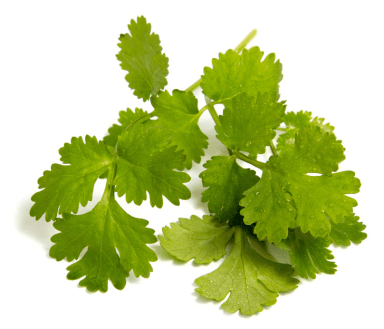 Did you know Cilantro essential oil is the oil of releasing control? Cilantro makes the detoxification of emotions and debris. It is helpful in lightening your load through the release of issues buried in the body, heart and soul. Those in need of cilantro may attempt to obsessively control other people or manage their surrounding and conditions.
It is a mystery as to where Cilantro originated, but it is thought by many to be from the Mediterranean region of Europe. No one knows exactly, but it appears that cilantro has been used for at least 5000 years. The seeds, also known as coriander, have even been found in ancient Egyptian tombs. Perhaps this was because the coriander seeds were thought by the ancient herbalists to be an aphrodisiac.
The therapeutic and culinary uses of Cilantro have been documented for centuries. Cilantro has been studied for antioxidants known to protect the body’s cells from oxidative stress. Cilantro promotes healthy digestion and acts as a powerful cleanser and detoxifier for the body’s systems. Applied topically, Cilantro is very soothing and cooling to the skin, and it adds a fresh, herbal aroma to any essential oil blend when diffused.
There is also a large amount of literature speculating that cilantro may be an effective chellation therapy for people who have excess mercury in their systems. Some think that mercury poisoning could be the result of metallic teeth fillings. Every time a person with fillings chews, the fillings release minute amounts of mercury gas that may be breathed into the system. Of course, this is all speculative and disputed. Nevertheless, many people who have suffered from mercury poisoning and the “brain cloud” it causes have reported fairly rapid relief by the consistent consumption of cilantro over a period of just a few weeks.
Cilantro’s culinary uses are endless, adding a flavorful twist to meats, salads, dips, and guacamole. A small amount goes a long way, sometimes a drop is too much and overpowering. Just dipping a toothpick into an essential oil bottle, then using the toothpick for stirring is sufficient.
Cedarwood-Did You Know?
 Did you know cedarwood is the oil of community bringing people together who struggle to form bonds within social groups. Cedarwood supports people in seeing that they are not alone. It invites people to both give and receive and experience the joy of relationships.
Cedarwood Juniperus Virginiana is an important ornamental and timber tree of eastern North America whose fragrant wood is made into cabinets, fence posts, and pencils. Juniperus Virginiana is a dense slow-growing coniferous evergreen tree that may never become more than a bush on poor soil, but can grow up to 100 ft tall, The oldest tree reported, from Missouri, was 795 years old.
Cedarwood is used by Native American Indians to treat respiratory infections, rheumatism, arthritis, skin rashes, kidney infections and used as an insect repellent. Known for its rich hue and warm, woody scent, Cedarwood essential oil provides a myriad of health benefits that date back to biblical times.
Cedarwood is native to cold climates, thriving in high altitudes. Reminiscent of its size and strength, Cedarwood has a grounding aroma that evokes feelings of wellness and vitality. Additionally, Cedarwood is frequently used in massage therapy to relax and soothe the mind and body.
Bergamot-Did You Know?
 Did you know bergamot essential oil is the oil of self-acceptance? Bergamot relieves feelings of despair, low self-esteem, and self-judgment. It supports people in need of a good self esteem. Bergamot invites people to see life with more optimism, it also has a cleansing affect on sluggish feelings and limited belief systems. Bergamot awakens the soul to hope, and offers courage to share their inner-self.
Bergamot has a long history of use in potpourri and perfume recipes. Bergamot oil does many benefits to us and our body we value most. Recent Italian research has shown that Bergamot essential oil has a wide variety of uses in aromatherapy application; Bergamot is unique among citrus oils due to its ability to be both uplifting and calming.
Although a native to the Southern regions of Asia, Bergamot Citrus bergamia is now cultivated primarily in the Calabria region. It also takes its name from an Italian city, that of Bergamot in Lombardy, where the essential oil was originally sold. The Italians have used Bergamot in folk medicine for years, used mainly for fevers. It also promotes healthy, clear skin.
Bergamot essential oil is obtained from the cold expression of the peel of nearly ripe fruit of the Bergamot tree. The small fruit tree is characteristic of the southern Italian landscape: it’s small, round fruit is very bitter and not likely eaten when raw. The fruit looks like a miniature orange. The essential oil obtained from the fruit of the Bergamot tree has a citrus-like aroma but also a spicy undertone.
Bergamot is the most delicate of the citrus plants, Requiring special climate, and soil in order to thrive. Italians have used Bergamot for years to reduce tension, stress, and to soothe, and rejuvenate skin. Bergamot is unique among citrus oils due to its ability to be both uplifting and calming, making it ideal to help with anxious, and sad feelings. It is also purifying, and cleansing for the skin, helping with oily skin conditions, and promoting a smooth, clear complexion while having a calming effect.
Arborvitae-Did You Know?
 Did you know the Arborvitae has been referred to as the tree of life? A native North American western red cedar tree, can reach 180 to 200 feet in height in some areas of the Northwest but is more often seen at 50 to70 feet in height with a spread of 15 to 25 feet in width. Forming an upright pyramidal silhouette with strongly horizontal branches, Giant-Cedar is an evergreen with fragrant, dark green, delicate needles. This very rare Western Red Cedar will put on 3 to 5 feet of growth per year.
The arborvitae has been used by ancient civilizations to enhance their potential for spiritual communication during rituals and other ceremonies. Modern technology however has revealed that giant Arborvitae essential oil contains high levels of unique compounds called tropolones. Tropolones are an unusual seven membered carbon ring structure not found in significant concentrations in other essential oils. It is these tropolones that yield the unique therapeutic qualities of this oil.
When selecting a source of Arborvitae essential oil, one must be sure to choose a source whose oil does not contain thujone, a neurotoxic compound. Besides source geography, it is also essential to consider the plant part from which this oil is distilled: only essential oil from the wood of Arborvitae has been found to be free from thujone. When sampled and tested for thujone, essential oil from the wood of Arborvitae grown in the Pacific Northwest was found to have no thujone, indicating that oil from this region is safe for human use.
Arborvitae has been used for coughs, fevers and intestinal parasites. It is also an insect repellent. This oil may also help with skin nourishing and sunscreen. It has a strong effect on the subconscious and unconscious mind.
Cinnamon-Did You Know?
 Did you know cinnamon is the oil of sexual harmony and greatly supports the reproductive system and aids with sexual issues. It helps people to embrace their body, and accepting their physical attractiveness. Cinnamon encourages the growth of strong relationships based on mutual love, and respect.
Cinnamon, which is actually the dried bark of the laurel tree a large tropical evergreen tree can grow up to 45 feet tall. Cinnamon has been used for thousands of years. This powerful spice was used in Egypt, Rome, and China. Cinnamon is native to Sri Lanka. The “real” cinnamon of old comes from the Cinnamomum zeylanicum tree.
Historically, cinnamon is even mentioned in the Bible. Moses used it as an ingredient for his anointing oils. In ancient Rome, it was burned during funerals, as a way to remove some of the odor of dead bodies. The ancient Egyptians used it in embalming mummies because of its pleasant odors and its preservative qualities.
Extracted from bark, cinnamon oil contains strong cleansing and immune enhancing properties. Due to its high content of cinnamaldehyde, Cinnamon should be diluted with Fractionated Coconut Oil when applied to the skin and only one to two drops are needed for internal benefits.
Cinnamon is very purifying to the circulatory system and it helps promote circulation, both internally and when applied to the skin, helping to ease sore muscles and joints. Cinnamon helps maintain a healthy immune system, especially when seasonal threats are high. When diffused, Cinnamon promotes clear breathing while purifying the air. Cinnamon is frequently used in mouth rinses and gums for its oral health benefits. Cinnamon has a long history of culinary uses, adding spice to desserts, entrees, and hot drinks.
 Len's Oils