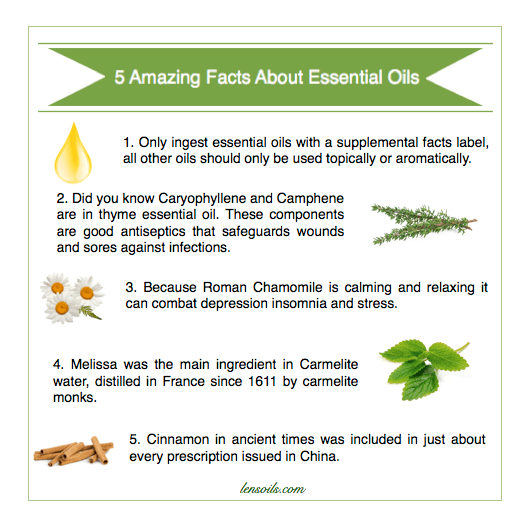
 The many uses for essential oils are profound.
Category Archives: Essential Oil Information
How to use Essential Oils
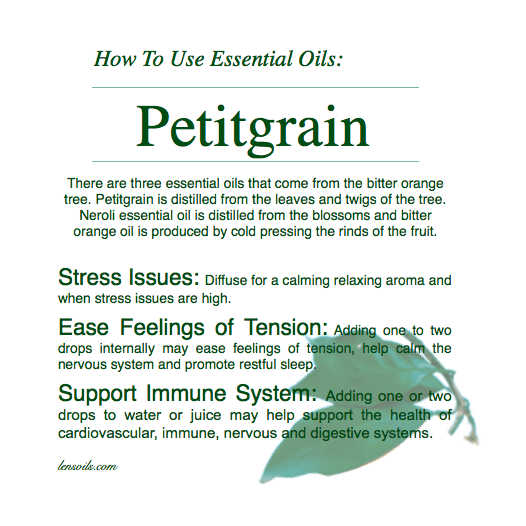 When diffusing use 3-4 drops in the diffuser of choice.
Remember possible skin sensitivity.
Peppermint-Did You Know?
 Did you know Peppermint is the oil of a buoyant heart? Peppermint brings happiness, and optimism to the heart and soul. It gives strength to the body, mind and spirit, and reminds us that life can be filled with happiness, and there is nothing to fear. When a person uses Peppermint they feel as though they are moving smoothly through life.
Peppermint (Mentha piperita) is one of hundreds of species in the genus Mentha which also includes spearmint, water mint and forest mint originating in North America and the Mediterranean area of Europe. Peppermint is actually believed to be a naturally occurring hybrid of spearmint and water mint. While some claim peppermint was not hybridized and cultivated until the 18th century in England, peppermint is referenced in ancient texts.
Peppermint oil can also calm the spasms that cause muscle cramps? Menthol which is in peppermint provides effective relief from many respiratory problems including nasal congestion, sinusitis, asthma, bronchitis and the common cold and cough. It is often included as an ingredient in natural chest rubs to help with congestion.
Yarrow-Did You Know?
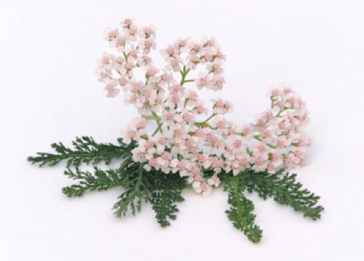 Did you know yarrow is native to Europe? Now commonly found growing wild in North America (except far north). Yarrow is a familiar plant in meadows and fields, along the sides of country lanes, roadsides, on embankments, and in landfills. Yarrow is a member of the daisy family. In many parts of Europe yarrow was believed to protect against all evil.
The yarrow plant was first used by the Greeks over 3,000 years ago for treating wounds on the skin. The flowers and leaves of yarrow were eaten and also made into a tea. The fresh leaves were used to stop bleeding wounds, treat gastrointestinal problems, fight fevers, lessen menstrual bleeding and better circulation. The fresh leaves were also chewed on to relieve tooth aches. Scientists have credited yarrow for its benefits relating to almost every organ in the body.
Yarrow gives strength and energy to the body and mind. It has been studied for its ability to help circulatory disorders like hemorrhoids and varicose veins. Colic, constipation problems, indigestion and cramps are also influenced by using essential oils. Hypertension, Insomnia and other stress related issues are also dealt with using yarrow oil. Many other people claim it is great for allergies, and asthma.
How to Use Essential Oils
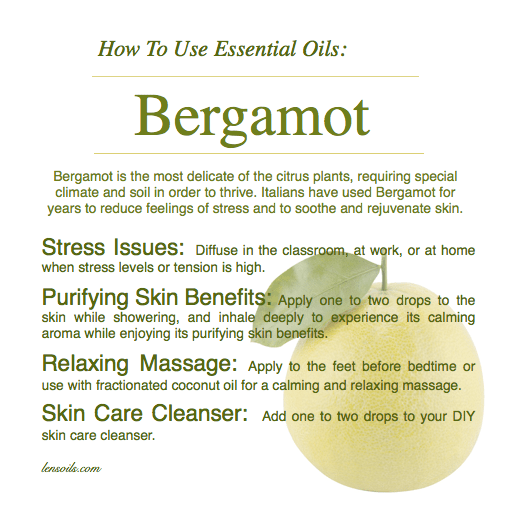 Possible skin sensitivity. Keep out of reach of children. If you are pregnant, nursing, or under a doctor’s care, consult your physician. Avoid contact with eyes, inner ears, and sensitive areas. Avoid sunlight or UV rays for up to 12 hours after applying product.
Tangerine-Did You Know?
 Did you know tangerineʼs have strong qualities of cheer and joyfulness? People who at times feel overwhelmed by responsibility would benefit from the the uplifting vibration that comes from tangerineʼs. Another important aspect of tangerine is itʼs ability to help us access our creative energy within our spirit.
The name tangerine comes from Tangier, a port of Morocco, where the first ship with Mandarin oranges arrived from China? This citrus fruit is believed to have originated in Southeastern Asia and since then it has been widely cultivated in different parts of the world.
A tangerine orange is smaller than a regular orange, and contains a strong pleasant fragrance. The fruit is quite fragile but the sections are easy to separate. A medium tangerine provides about 37 calories of food value, the fruit is not only delicious, it is an important addition to any diet.
Tangerine essential oil is great to use when cooking. Tangerine oil contains esters and aldehydes which are sedating and calming to the nervous system and has been studied for its ability to sooth emotions such as grief anger and shock. Like most citrus oils, avoid direct sunlight or UV light for up to 12 hours after using on the skin
How to Use Essential Oils
 Nutmeg oil is an essential part of Chinese medicine when it comes to treating abdominal pain and inflammation.
Wintergreen-Did You Know?
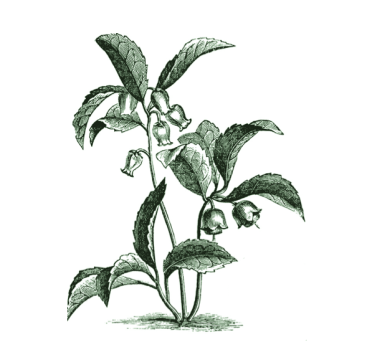 Did you know Wintergreen is the oil of surrender? It can help the strong-willed person in letting go of the need to be right, and the need to know. Wintergreen reminds a person that they don’t have to do things on their own. There is a constant invitation to abandon one’s burdens to a higher Power.
The wintergreen is a perennial that is native to the eastern portion of North America? North American Indians chewed the leaves of the wintergreen plant for their distinct flavor, used them in the treatment of aches and pains, and to aid in breathing during hard work.
In the past, wintergreen was used internally to treat chronic mucous discharges, regulate hormones, and as a diuretic; due to its toxicity it is no longer used internally for medicinal purposes. Wintergreen is commonly used in very small amounts to adjust the flavor in candies, chewing gum, herbal teas, mouthwashes, toothpastes, and various beverages. It is also found in insect repellents and insecticidal products.
Wintergreen has a warming effect when applied to skin and is excellent to use in a massage to relieve sore muscles. A little goes a long way, so use sparingly and dilute with Fractionated Coconut Oil to minimize any skin sensitivity. For a soothing bath, add 1–2 drops of Wintergreen essential oil to warm bath water. Wintergreen essential oil is not recommended for internal use and should be stored out of reach from children.
Lemon-Did You Know?
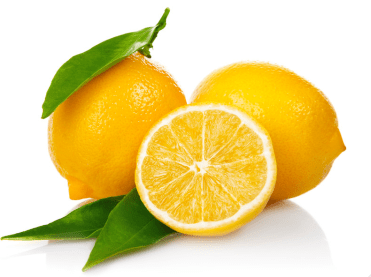
Did you know lemon essential oil is the oil of focus? Lemon is a fantastic aid for children that have a difficult time with school. Lemon’s specialty is helping people with with learning disorders to focus. Lemon clears self-judgement about learning, such as, “I am stupid” Lemon calms fears, and uncertain feelings while bringing back confidence in ones self.
Lemon came into full culinary use in Europe in the 15th century? The first major cultivation in Europe began in Genoa. Lemons came to the New World in 1493, when Christopher Columbus brought lemon seeds to Hispaniola. Spanish conquest spread the lemon throughout the New World, where it was still used mainly used as an ornamental plant, and for medicine. Lemons were grown in California by 1751; and in the 1800s in Florida, they began to be used in cooking and flavoring.
Lemon oil is calming in nature and therefore helps with mental fatigue, exhaustion, dizziness, anxiety, nervousness and nervous tension. It has the ability to refresh the mind by creating a positive mindset and removing negative emotions. It is also believed that inhaling lemon oil helps in increasing concentration and alertness. It can therefore be used as a room freshener in offices to increase the efficiency of the employees.
How to Use Essential Oils: White Fir

Native Americans used white fir as a building material and in traditional health practices.
 Len's Oils