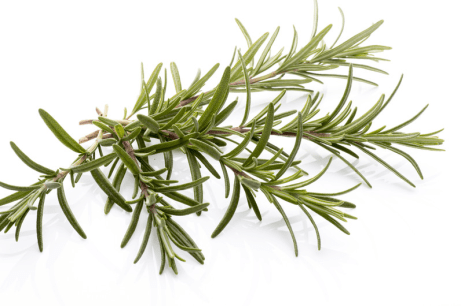
 Did you know rosemary assists in the development of true knowledge and true intelligence? Rosemary is the essential oil of knowledge and transition. It challenges people to look deeper than they normally would, and ask more soul searching questions so they may receive more inspired answers. Rosemary also aids in times of transition and change, such as adjusting to a new house, school, or a relationship.
Rosemary is actually a bush perennial that grows in abundance in the Mediterranean area (Spain, Italy, Portugal, Southern France, Greece and North Africa as well as in isolated areas of Turkey, Lebanon and Egypt). It is one of the most common aromatic wild plants of the Mediterranean landscape, especially in rocky limestone hillsides adjoining the seaside.
Rosemary was relocated to England by the Romans in the eighth century, primarily in the southern part of the country. Rosemary branches were placed on the floors of medieval homes to combat diseases during the “black plague.” Because of the fragrance the plant gives off, it was a used as an incense. It was introduced to the New World by early immigrants, but in the northern regions they must be protected in the winter months.
Rosemary is an aromatic, evergreen shrub whose leaves are frequently used to flavor foods such as stuffings and roast lamb, pork, chicken, and turkey. When you add rosemary to spaghetti sauce it will bring out the flavor of other ingredients. It is a very nice addition to tomato-based soups, stews, and sauces. Along with its culinary applications, Rosemary has many health benefits.
Rosemary supports healthy digestion and helps soothe sore muscles and joints. Long revered by healers, rosemary was considered sacred by the ancient Greek, Roman, Egyptian, and Hebrew cultures. Rosemary’s herbaceous and energizing scent is frequently used in aromatherapy to combat nervous tension, fatigue, and has antioxidant properties.
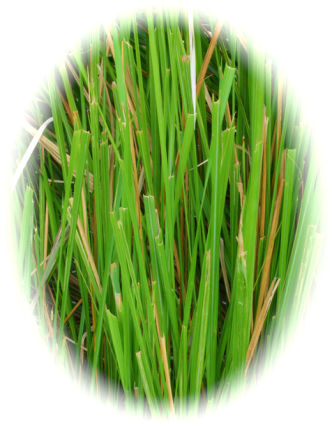 Did you know Vetiver dates backs to the 12th century? Vetiver herb and its essential oil have been used in many cultures around the world for thousands of years together. The massive amount of people that use this sacred herb is often attributed to its uplifting, soothing, calming and protecting properties.
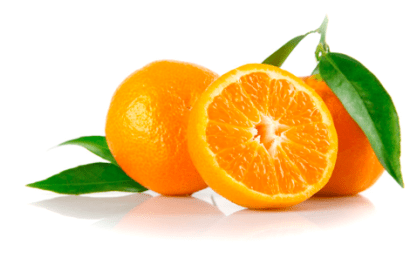 Did you know tangerineʼs have strong qualities of cheer and joyfulness? People who at times feel overwhelmed by responsibility would benefit from the the uplifting vibration that comes from tangerineʼs. Another important aspect of tangerine is itʼs ability to help us access our creative energy within our spirit.
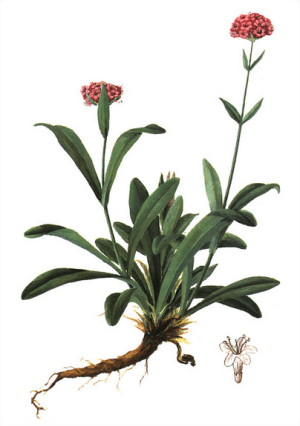 Did you know Spikenard is the oil of gratitude? Spikenard encourages true appreciation for life. It addresses repeated patterns of ingratitude, where a person sees themselves as a person whom criticism or abuse may be directed, or a victim of their life circumstances. It encourages individuals to let go and find appreciation for all of life’s experiences.
 Did you know Spearmint is the oil of confident speech? Spearmint inspires someone to be clear of thought and mutual verbal expression. The people in need of Spearmint may hide their opinions, thoughts, and ideas by keeping their voice silent. Spearmint promotes confidence when speaking, especially in front of a large group of people.
 Did you know Sandalwood is the oil of sacred devotion? It helps with all kinds of spiritual worship including prayer, and meditation. It teaches reverence and respect for God. Sandalwood has been used since ancient times. More than 4,000 years ago, it was used to calm the mind, still the heart, and prepare the spirit to commune with Deity. In India, it’s been valued for at least 2,000 years as one of the most sacred trees, and an important part of devotional rituals.

 Len's Oils