Tag Archives: The did you know guy

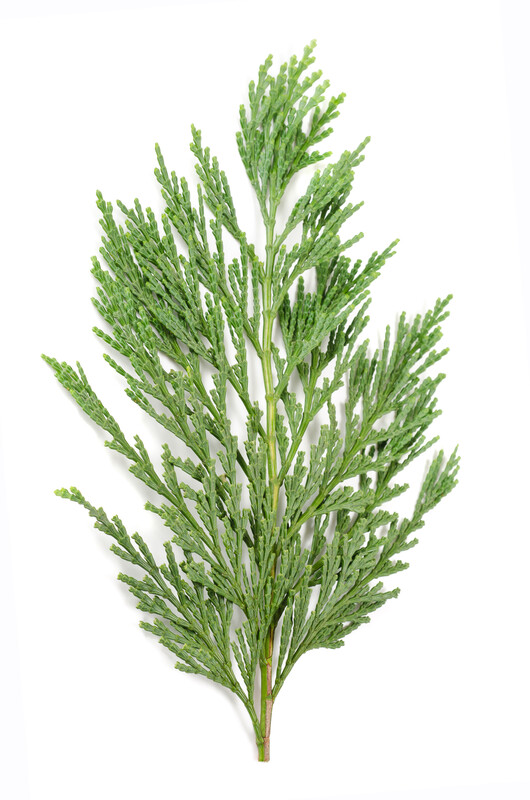
How to Use Essential Oils: Cypress

Cypress essential oil, distilled from the branches of the Cupressus sempervirens tree, has a fresh, clean, and slightly woody aroma that reflects its evergreen nature. Native to the Mediterranean, the cypress tree has long been seen as a symbol of strength and resilience, often planted in sacred spaces and near places of remembrance. In essential oil form, its crisp fragrance is valued for promoting vitality and mental clarity. Diffused, it refreshes the air and fosters a sense of balance and calm.

Beyond its aromatic qualities, cypress essential oil is commonly used in massage and wellness practices to support circulation and ease occasional tension. It blends well with citrus oils like lemon or grapefruit for an invigorating atmosphere, or with floral oils like lavender for a more grounding effect. Its purifying aroma also makes it a useful addition to natural deodorants, cleansers, and sprays, where it brings a feeling of freshness and renewal.

Did You Know? Cypress trees are incredibly long-lived, with some species able to thrive for over a thousand years. In ancient cultures, the tree symbolized eternal life, and its durable wood was used to craft statues and sacred objects. Today, tall rows of cypress trees remain an iconic feature of Mediterranean landscapes, serving as both natural windbreaks and enduring reminders of stability through the ages.

Essential Oils in the Bible

Myrrh – A Fragrance of Love and Devotion

In Song of Solomon 5:1, the bridegroom declares that he has come into his garden and gathered myrrh with his spice, alongside honey and wine. Myrrh, a resin drawn from the Commiphora tree, was treasured in ancient times not only for its use in worship and anointing but also as a symbol of love and intimacy. Its warm, earthy fragrance was often blended into perfumes and ointments, marking it as both a sacred and personal treasure. Here, in the poetic language of Solomon, myrrh carries the meaning of deep devotion, affection, and union.

The mention of myrrh in this context reminds us that essential oils were woven into every aspect of life—from temple worship to the expressions of love between husband and wife. Today, myrrh essential oil continues to be valued for its grounding and restorative properties, echoing the balance it provided in biblical times. Just as it was used to sweeten moments of closeness and covenant, myrrh’s enduring fragrance invites us to nurture love, connection, and sacred devotion in our own lives.

Whispers of Cardamom

From tropic soil where spices grow,
Cardamom seeds in warm winds flow.
Distilled with care, their oils release,
A fragrant gift of calm and peace.

Called “Queen of Spices” long ago,
From India’s hills to Guatemala’s glow.
A sweet and spicy breath it brings,
A treasure prized by queens and kings.

It soothes the stomach, lightens care,
A gentle aid for troubles there.
In kitchens, hearts, and homes it stays,
A friend through nights and brighter days.

Diffused, its scent uplifts the mind,
Clarity and focus you will find.
For study hours or quiet prayer,
Its grounding touch is always there.

When seasons shift and breath feels tight,
Cardamom lends a steady light.
Its vapors clear, the chest feels free,
A comfort shared through history.

Egypt’s halls and India’s tea,
Whispers of cardamom still roam free.
A spice, a song, a timeless balm,
Forever fragrant, warm, and calm.

The Real Pyramid Scheme

The Real Pyramid SchemeIf you are ready to look at the world from a different point of view.
Give me a call 801-661-4786 or send me an email lfish64@yahoo.com
TEXT FREE SAMPLE if you would like to try an essential oil.
I love sharing essential oils with people for a new way to look at health and wealth.

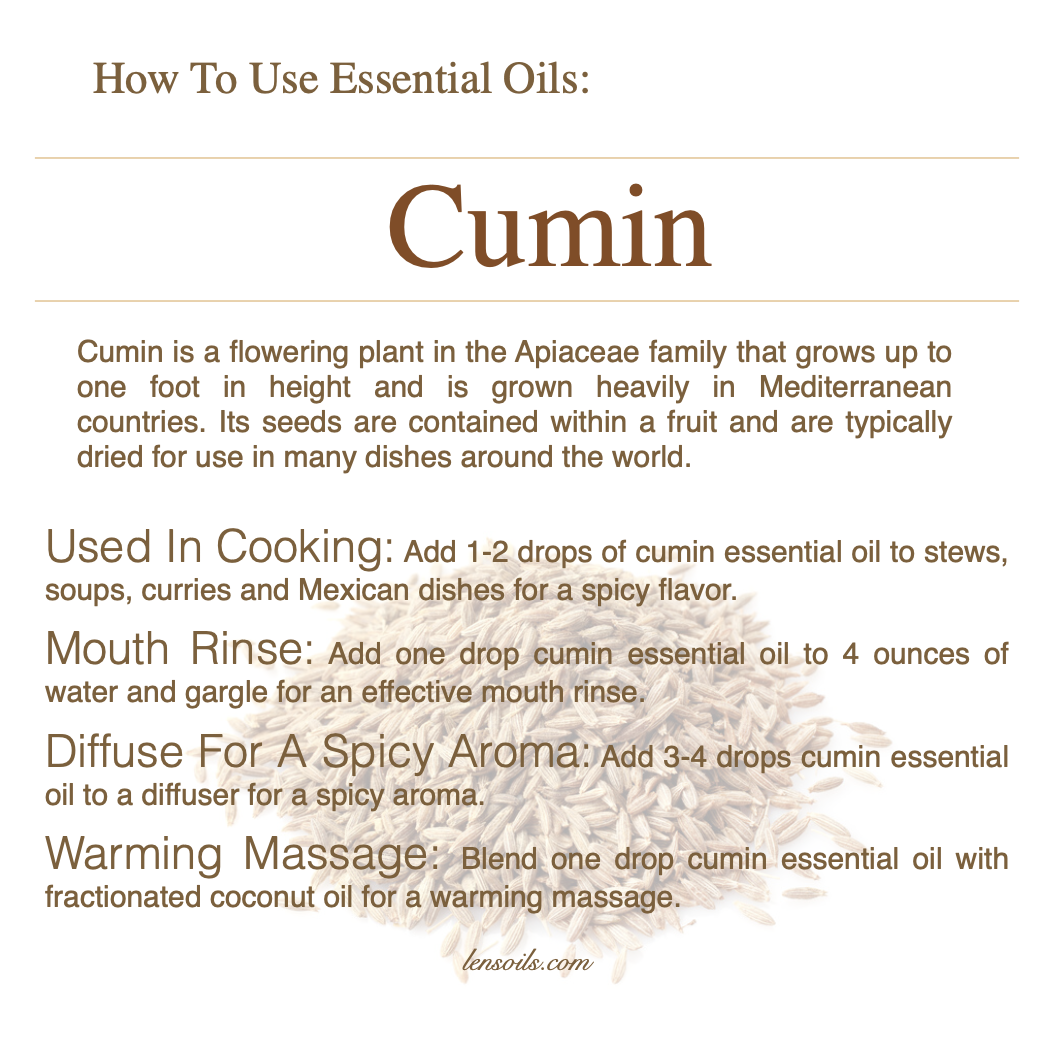
How to Use Essential Oils: Cumin

Cumin essential oil, distilled from the seeds of the Cuminum cyminum plant, carries a warm, spicy, and slightly earthy aroma that has been valued for thousands of years. Native to the Mediterranean and parts of the Middle East, cumin has been used both as a culinary spice and a traditional remedy. In essential oil form, it is often appreciated for its digestive support and its ability to bring depth and richness to blends. Diffused in small amounts, cumin’s strong scent can create a grounding and comforting atmosphere.

Beyond its culinary heritage, cumin essential oil is sometimes used to help promote relaxation after heavy meals or to ease occasional feelings of tension. When blended with citrus oils such as orange or lemon, it takes on a brighter, more refreshing quality, balancing its deep, spicy base. Properly diluted, cumin oil may also be added to massage blends to help comfort muscles and joints, though its potency means it is used sparingly. Its distinct aroma makes it a bold addition to both diffuser recipes and wellness routines.

Did You Know? Cumin seeds have been discovered in ancient Egyptian pyramids, showing they were treasured as far back as 2000 B.C. The seeds were used in cooking, medicine, and even as part of the mummification process. Cumin is also mentioned in the Bible—in Isaiah 28:25–27, it is noted as one of the spices carefully sown and harvested by farmers. Today, India produces the majority of the world’s cumin, highlighting its continued importance in both global cuisine and cultural traditions.

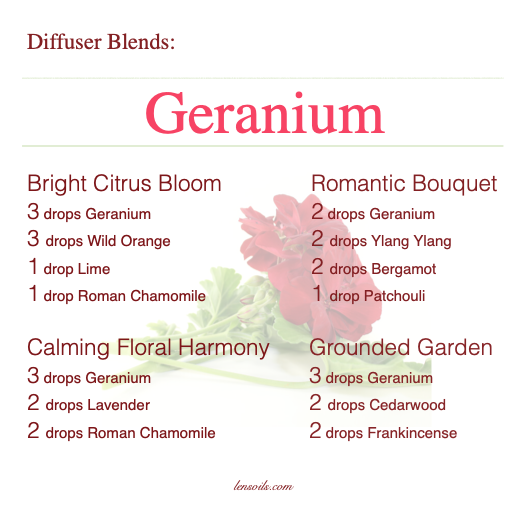
Essential Oil Diffuser Blends: Geranium

Geranium diffuser blends carry a fragrance that feels both comforting and inspiring, wrapping the room in a sweet floral scent with a hint of fresh herbs. This oil is known for balancing emotions, easing tension, and lifting the spirit on a cloudy day. Blended with calming oils like lavender or chamomile, it softens stress and encourages peace. With grounding partners such as cedarwood or frankincense, geranium creates a steady, focused atmosphere.

When paired with citrus oils like orange or lemon, geranium brings a burst of brightness that clears away heaviness and refreshes the air. In romantic mixes, it blends smoothly with jasmine or ylang ylang, adding warmth and connection. Many describe its aroma as heart-lifting and joyful, turning simple moments into special ones. Whether for rest, energy, or cheer, geranium blends make the air feel alive and welcoming.

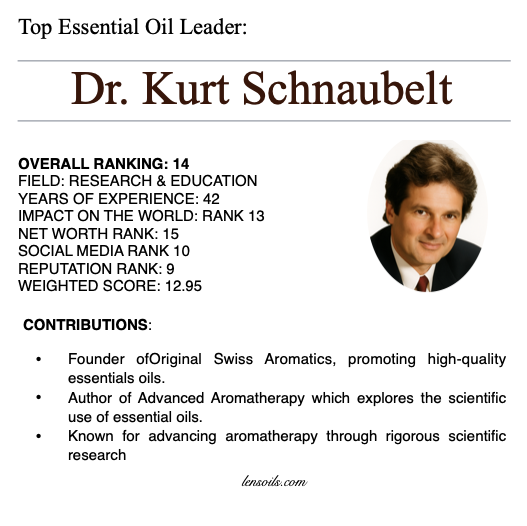
Top Essential Oil Leader

Dr. Kurt Schnaubelt is a chemist with a Ph.D. from the Technical University of Munich in Germany. His scientific training provided a strong foundation for his later work in the field of aromatherapy, where he combined chemistry with natural wellness practices. This background allowed him to examine essential oils not only as natural remedies but also through the lens of chemical composition and their potential therapeutic effects.

In 1983, Dr. Schnaubelt founded Original Swiss Aromatics in California. The company focused on authentic, high-quality essential oils at a time when many products on the market were not well documented. While French pioneers such as René-Maurice Gattefossé and Jean Valnet laid early groundwork for modern aromatherapy, Schnaubelt played a significant role in introducing scientific approaches to the U.S. audience, helping to grow interest in what became known as medical aromatherapy.

AromatherapyAs an author, Dr. Schnaubelt contributed several influential books. His works include Advanced Aromatherapy: The Science of Essential Oil Therapy (1998), Medical Aromatherapy: Healing with Essential Oils (1999), and The Healing Intelligence of Essential Oils (2011). These books emphasize the scientific use of essential oils and explain their biochemical and pharmacological properties in a way accessible to both practitioners and enthusiasts.

Dr. Schnaubelt has been recognized internationally for his role in aromatherapy education. While he did not invent concepts such as chemotypes, dosages, or targeted applications—earlier French researchers had already introduced these ideas he helped popularize them in the United States. His teaching stressed the importance of understanding essential oils in terms of their chemistry, encouraging practitioners to see them as more than cosmetic or perfumery products.

Over the decades, Dr. Schnaubelt has built a reputation as a lecturer, writer, and educator in the aromatherapy community worldwide. His efforts have highlighted the therapeutic possibilities of essential oils when applied with knowledge of their chemical makeup. By combining scientific explanation with practical application, he has helped advance a broader appreciation of essential oils as part of holistic health practices.

The Rest Of The Story: Whisper in the Woods

It started in forests older than most nations, where evergreen giants stood watch over hillsides bathed in sun and wind. The trees didn’t shout, they whispered—through the fragrance of resin, the rustle of boughs, and the cool clarity of air after rainfall. People lingered beneath their branches, not knowing the science, only the feeling. Something in that clean, woodsy scent seemed to quiet the noise inside.

For generations, these trees played a role in daily life. Their wood was used for ships and temples. Their twigs were burned in ceremonies to purify the air. Their leaves were crushed and steeped into homemade brews. The stories said it helped when lungs were heavy, joints were stiff, or minds were restless. Traditions were built around them, and yet no one quite knew why they worked—they just did.

Eventually, researchers caught up. Modern testing found that the oil from this tree’s branches and needles held antioxidant properties and antimicrobial potential, especially against certain strains of bacteria. Some studies observed relaxation effects from inhaling its vapors—measurable shifts in heart rate variability and parasympathetic response. Compounds like α-pinene, cedrol, and limonene began to appear regularly in scientific journals. The mystery, once kept by folklore, had begun to meet the microscope.

In distillation houses tucked within Mediterranean hills and temperate groves, harvesters continue to gather the leaves and twigs by hand. Timing still matters. So does patience. The chemistry of the oil depends not only on the soil and weather, but also on the shape of the still itself. In places where tradition meets precision, doTERRA has formed trusted partnerships that help preserve this careful process—supporting farmers, protecting forests, and ensuring that what reaches the bottle reflects the wisdom of both nature and nurture.

And in those groves, that story continues. It’s not mass production. It’s stewardship. It’s the art of distilling history one drop at a time. And now you know the rest of the story—the ancient tree whose oil helps clear the air, calm the breath, and sharpen the mind. You’ve likely smelled it in a diffuser or perhaps blended it with another oil, not realizing its roots trace back thousands of years. You may know the tree by its modern name: Cypress. Its story began in stillness. And even now, it continues to speak softly.