Tag Archives: Myrrh

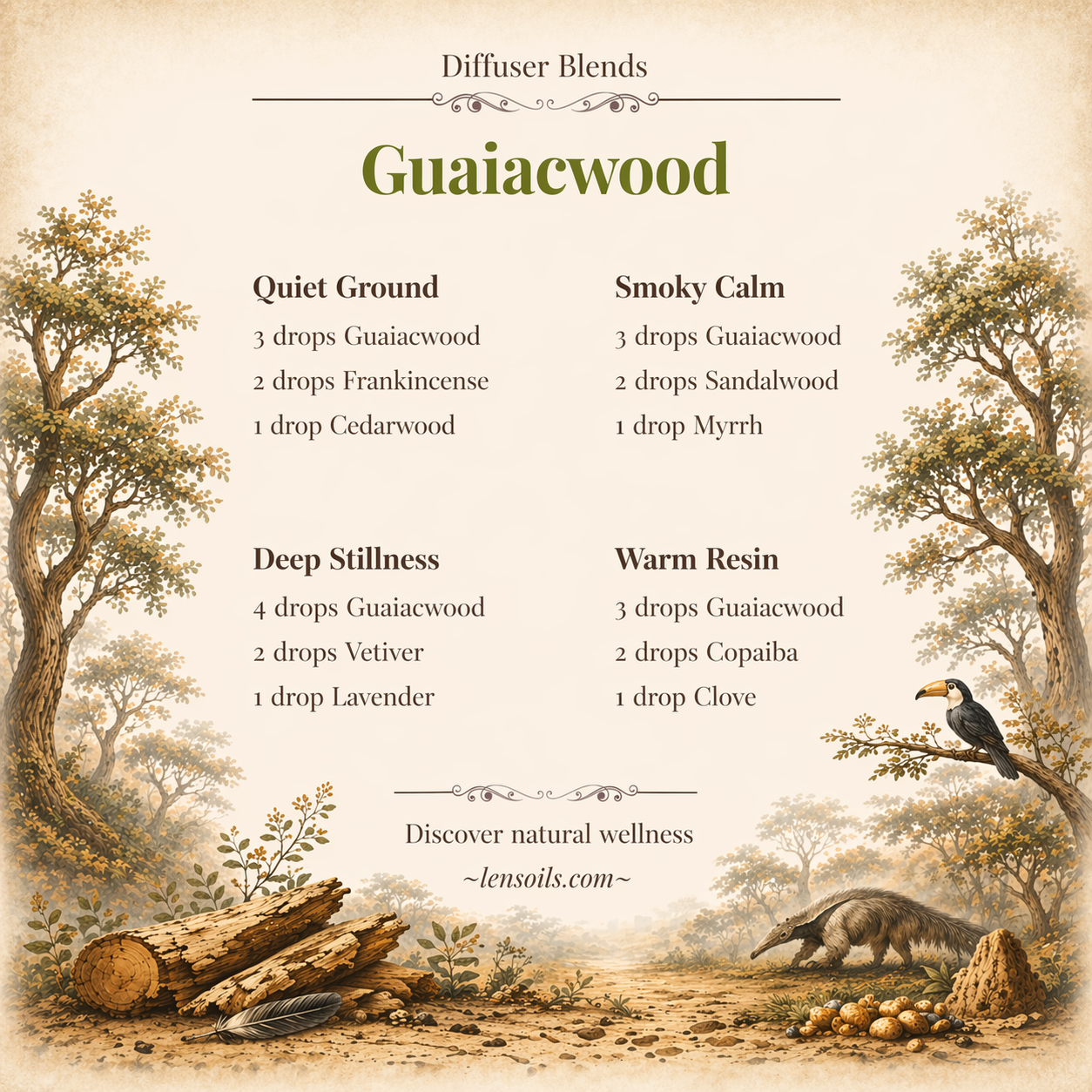
Essential Oil Diffuser Blend: Guaiacwood

Guaiacwood diffuser blends tend to center around a deeply grounding, slow, and steady mood, with each variation offering a different shade of stillness. Quiet Ground leans calm and centered with frankincense and cedarwood, while Smoky Calm moves richer and more meditative with sandalwood and myrrh. Deep Stillness settles further with vetiver and a touch of lavender, and Warm Resin adds a gentle warmth through copaiba and clove. Each blend keeps the same core tone—soft, steady, and unhurried.

Emotionally, Guaiacwood’s aroma often feels like a quiet anchor, helping the body shift into a slower, more settled rhythm. Its deep, earthy profile can support a sense of grounded calm, especially when things feel overstimulating or scattered. Rather than lifting quickly, it creates space to pause, breathe, and feel more centered—like a steady presence that helps everything soften and come back into balance.

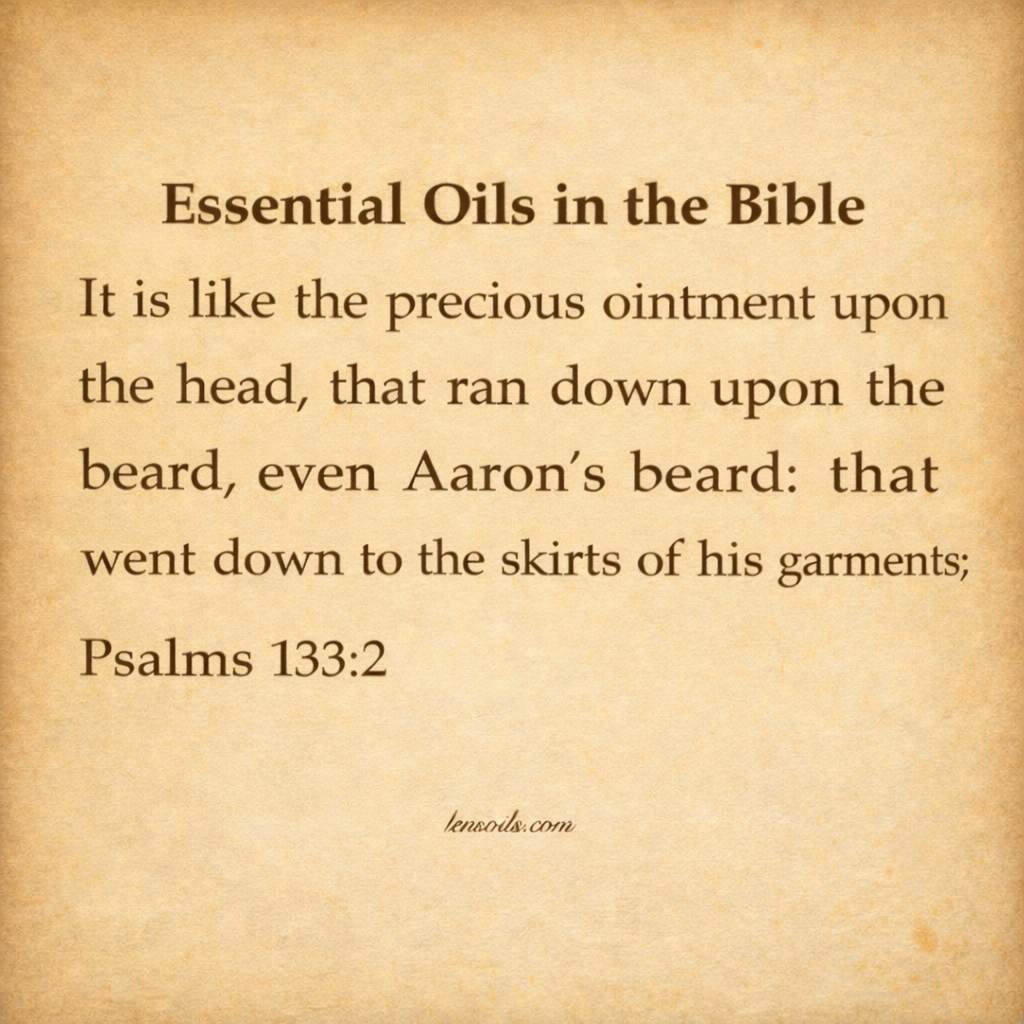
Essential Oils in the Bible: Psalms 133:2

Psalm 133:2 comes from a short “Song of Ascents,” traditionally associated with pilgrims traveling up to Jerusalem for worship. These songs were likely sung together as families and communities made their way toward the temple, emphasizing unity, shared purpose, and peace among God’s people. The verse uses a vivid image from Israel’s sacred history—the anointing of Aaron, the first high priest. In ancient Israel, anointing oil was not ordinary; it was a carefully prepared blend of fragrant ingredients like myrrh, cinnamon, and olive oil, described in Exodus 30. This oil symbolized consecration, meaning Aaron was being set apart for a holy purpose, dedicated fully to serve God and the people.

The image of oil flowing down Aaron’s head, through his beard, and onto his garments reflects abundance, blessing, and completeness. It was not a small or symbolic drop—it was a generous pouring, representing how unity among people is meant to be rich, full, and unmistakable. In this context, the “precious ointment” connects essential oils to something sacred and communal, not just personal. The fragrance would have been noticeable to everyone nearby, reinforcing the idea that true harmony spreads outward and affects the whole community. This verse, therefore, uses the physical properties of anointing oil—its aroma, its richness, and its ability to flow—to teach a deeper spiritual truth about unity, blessing, and shared purpose.

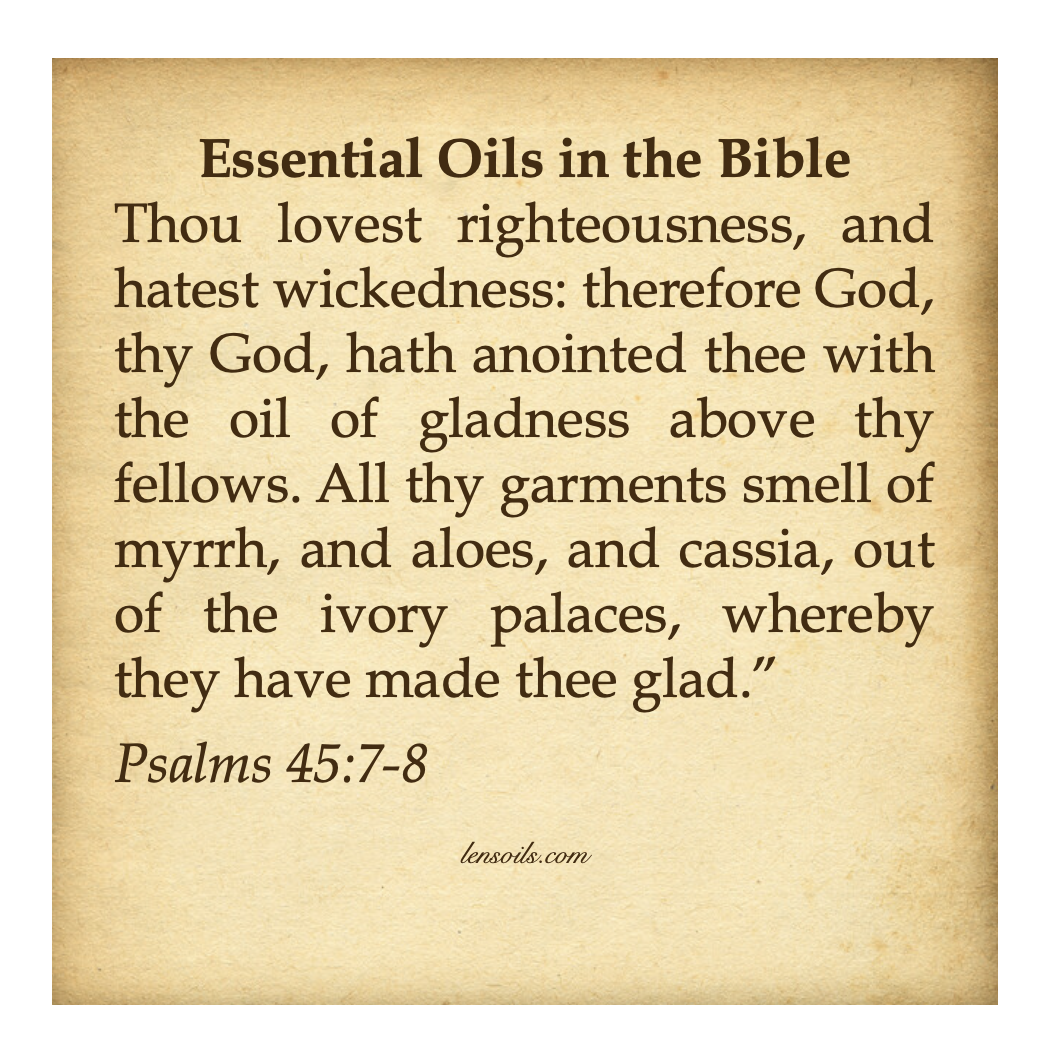
Essential Oils in the Bible: Psalms 45:7-8

Psalm 45 was written as a royal wedding song, celebrating a king whose leadership was marked by justice, integrity, and joy. In the ancient Near East, kings were publicly anointed with oil as a sign of authority, favor, and divine approval. The “oil of gladness” in Book of Psalms reflects a real ceremonial act, where fragrant oils were poured as part of celebration, consecration, and honor. Joy was not only spoken of — it was seen, felt, and even smelled.

The mention of myrrh, aloes, and cassia points directly to essential oils known and prized in biblical times. These aromatic resins and woods were used in perfumes, sacred anointing oils, and royal garments, especially for important occasions. Clothing infused with these scents signaled abundance, joy, and distinction. The passage shows that fragrance was woven into spiritual life, leadership, and celebration, connecting righteousness with gladness through tangible, plant-based oils that lifted the senses and marked moments of divine favor.

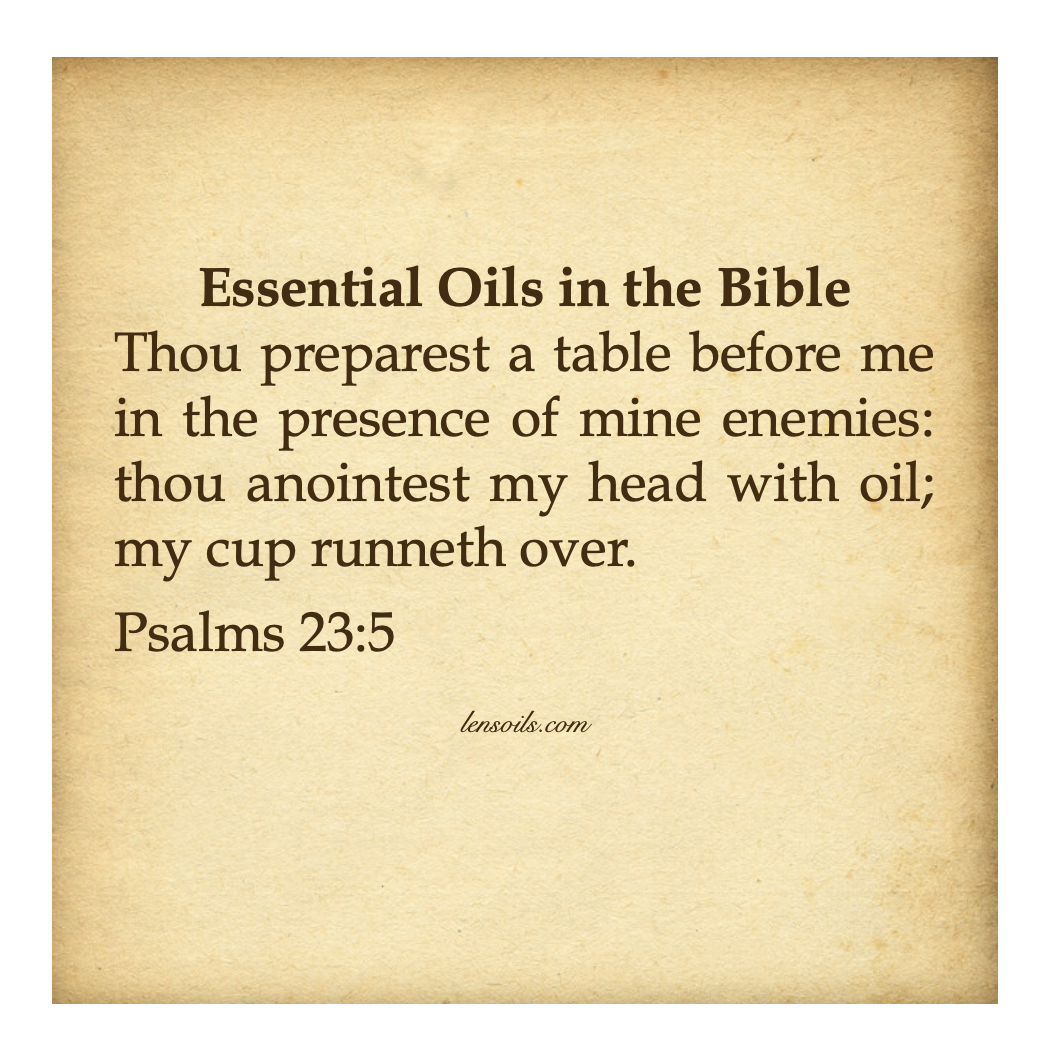
Essential Oils in the Bible

In biblical times, oil was part of everyday life. Olive oil was used for food, skin care, healing, hospitality, and honoring guests. When Psalm 23 says, “thou anointest my head with oil,” it describes a familiar act of refreshment and care. To be anointed meant you were welcomed, valued, and restored, even while challenges were still present.

Essential oils fit naturally into this setting. Aromatic plants such as frankincense, myrrh, and spikenard were infused into oils and used for comfort, cleansing, and spiritual devotion. When David wrote these words, he was drawing from practices people understood well, linking physical care with peace, provision, and a sense of abundance so full that, as he said, the cup truly ran over.

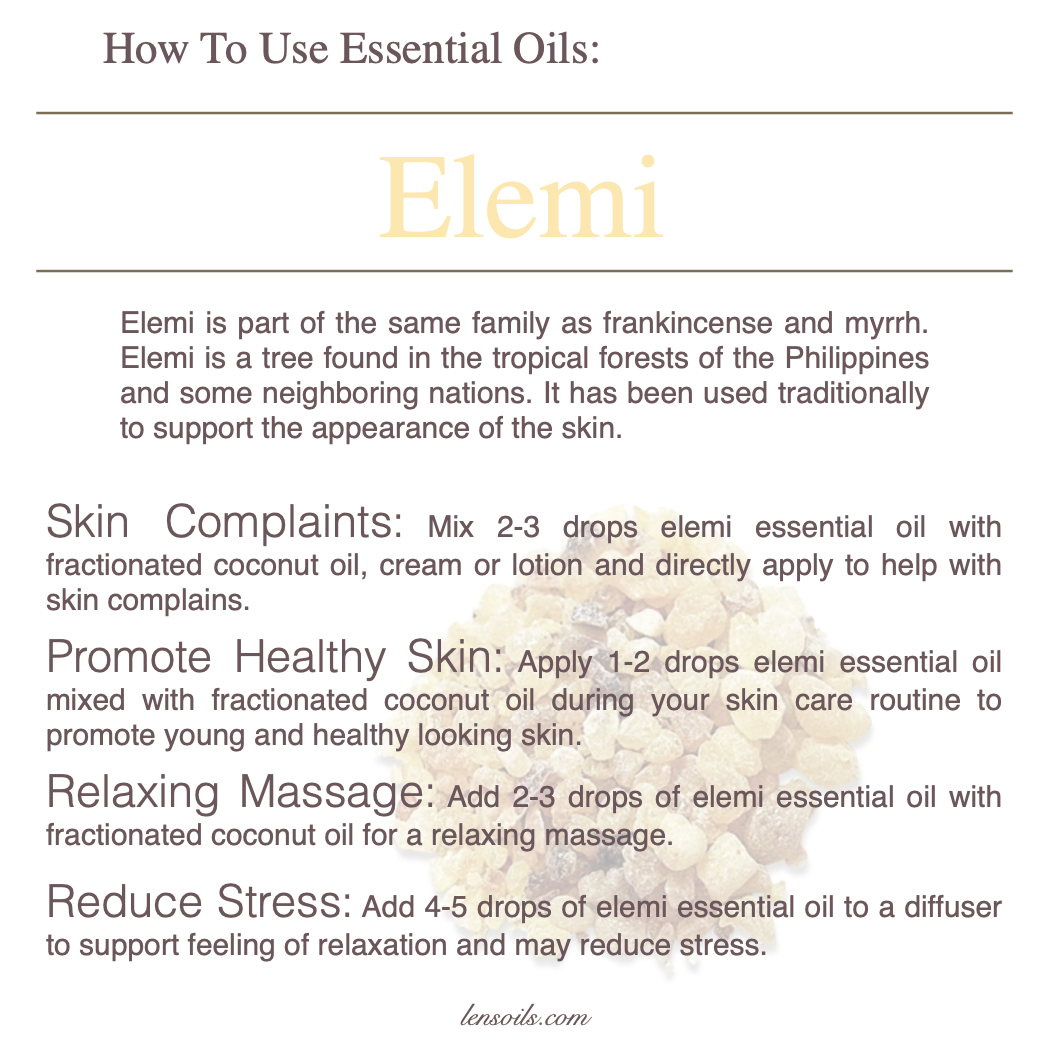
How to Use Essential Oils: Elemi

Elemi essential oil, steam-distilled from the resin of the Canarium luzonicum tree, has a bright, lemony, and slightly peppery aroma with hints of pine. Native to the Philippines, elemi has been valued for centuries as both a spiritual and medicinal resin, often compared to frankincense and myrrh because they come from the same botanical family. In essential oil form, its uplifting scent is known to refresh the mind, promote focus, and create a feeling of lightness. Diffused, it brings a clean, balancing energy that supports both clarity and calm.

Beyond its uplifting qualities, elemi essential oil is often used in skin care and wellness blends. Its resinous compounds make it helpful for supporting healthy-looking skin, and it is sometimes added to facial oils or serums for a rejuvenating effect. In aromatherapy, it blends well with citrus oils like bergamot or grounding oils like frankincense, making it a versatile choice for meditation, relaxation, and emotional balance. Its crisp, citrus-pine aroma also makes it useful in natural cleaning sprays or room fresheners.

Did You Know? The word “elemi” is thought to come from an Arabic phrase meaning “above and below,” reflecting its traditional use for balancing both spirit and body. Like frankincense and myrrh, elemi belongs to the Burseraceae family, and during the 17th and 18th centuries it was sometimes used in church incense as a substitute when frankincense was scarce. Its lemony-pine fragrance added a fresh note to Christmas and festival celebrations, giving elemi a subtle but meaningful connection to the season.

Essential Oils in the Bible

Frankincense & Myrrh – Gifts Fit for a King

In Matthew 2:11, the wise men brought treasures of gold, frankincense, and myrrh to the Christ child. These gifts were far more than valuable commodities—they carried deep symbolic meaning. Gold was a gift fit for a king, but frankincense and myrrh were essential oils highly prized in the ancient world. Frankincense, harvested from the resin of the Boswellia tree, was central in Hebrew worship. It was burned on the altar of incense in the Temple (Exodus 30:34-36) and represented prayer rising to God. Myrrh, drawn from the resin of the Commiphora tree, had multiple uses: as a perfume, in anointing oils, and even in embalming. Together, frankincense and myrrh pointed to Jesus’ dual role: frankincense as a sign of His priestly and divine nature, and myrrh foreshadowing His suffering and sacrificial death.

Historically, these oils were among the most valuable substances in the ancient Near East. They were traded along caravan routes stretching from Arabia and East Africa into Israel, often worth their weight in gold. Kings and priests used them in ceremonies, and healers prized them for medicinal purposes. For the Magi to present such costly oils to the young Jesus was both a gesture of immense honor and a prophetic symbol of His mission. Today, frankincense and myrrh essential oils are still used for their aromatic, calming, and restorative properties—echoing their sacred and timeless history. Their presence in the story of the Nativity reminds us that God’s plan was written not only in scripture but also in the fragrances and treasures of the ancient world.

Essential Oil Diffuser Blends: Frankincense

Frankincense essential oil is often called the “king of oils” because of its wide range of supportive benefits, and adding it to diffuser blends can greatly enhance both the aroma and the atmosphere of your space. Its warm, resinous scent helps promote feelings of peace, relaxation, and grounding, making it a natural fit for meditative or calming blends. Frankincense also complements other oils beautifully—bright notes like Wild Orange bring out its uplifting side, while deeper oils such as Sandalwood, Patchouli, or Myrrh highlight its grounding and spiritual qualities. Used in a diffuser, Frankincense can support emotional balance, ease stress, and create an environment that feels sacred, centered, and welcoming.

Essential Oils in the Bible

Myrrh – The Fragrance of Intimacy and Devotion

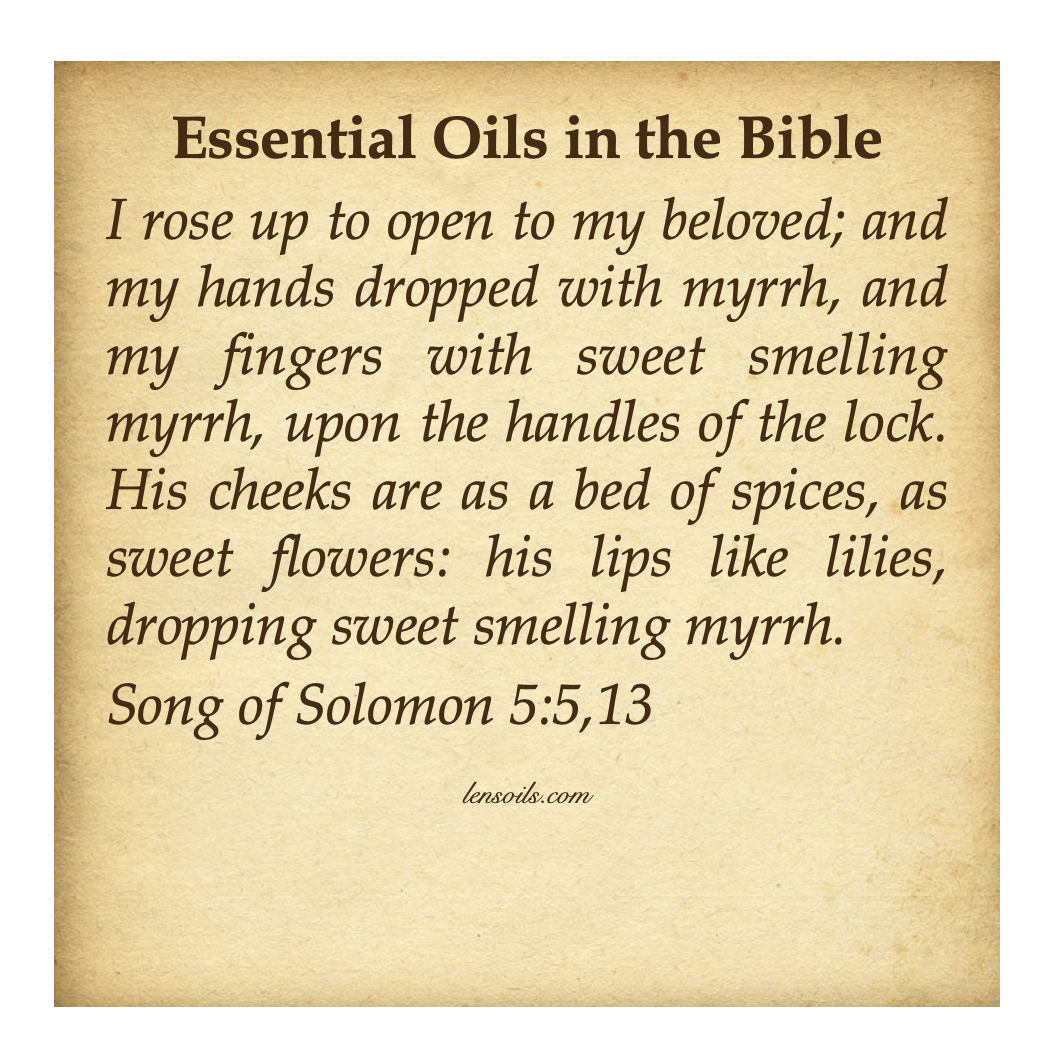
In Song of Solomon 5:5,13, myrrh is once again portrayed as a fragrance of love and closeness. The bride describes her hands dripping with sweet-smelling myrrh as she reaches for her beloved, a poetic image of longing and intimacy. Later, she compares his cheeks to a bed of spices and his lips to lilies, also dropping myrrh. This repetition of myrrh underscores its treasured role as both an aromatic and symbolic oil, linking it to deep affection and the beauty of human relationships. In biblical times, myrrh was often used in perfumes and ointments, making it an unmistakable sign of devotion, care, and tenderness.

The use of myrrh in these verses reminds us that essential oils were not only tools for worship and healing but also woven into the poetry of love. Their scents carried meaning beyond the physical, expressing emotions and connections too deep for words alone. Today, myrrh essential oil is still cherished for its soothing, grounding qualities. Just as in Solomon’s song, it continues to symbolize the blending of love, fragrance, and faith—reminding us of the sacredness found in both spiritual devotion and human bonds.

Essential Oils in the Bible

Myrrh – A Fragrance of Love and Devotion

In Song of Solomon 5:1, the bridegroom declares that he has come into his garden and gathered myrrh with his spice, alongside honey and wine. Myrrh, a resin drawn from the Commiphora tree, was treasured in ancient times not only for its use in worship and anointing but also as a symbol of love and intimacy. Its warm, earthy fragrance was often blended into perfumes and ointments, marking it as both a sacred and personal treasure. Here, in the poetic language of Solomon, myrrh carries the meaning of deep devotion, affection, and union.

The mention of myrrh in this context reminds us that essential oils were woven into every aspect of life—from temple worship to the expressions of love between husband and wife. Today, myrrh essential oil continues to be valued for its grounding and restorative properties, echoing the balance it provided in biblical times. Just as it was used to sweeten moments of closeness and covenant, myrrh’s enduring fragrance invites us to nurture love, connection, and sacred devotion in our own lives.

Essential oils in the Bible: Ezekiel 47:12

Essential Oils in Ezekiel 47:12

In Ezekiel 47:12, the prophet describes a vision of a life-giving river flowing from God’s temple, nourishing the land and producing trees that bear fruit for food and leaves for medicine. This passage reflects God’s provision for both physical nourishment and healing, emphasizing the natural gifts He has placed in creation. The leaves used for medicine suggest the historical use of plants and their extracts, including essential oils, in healing practices.

Throughout history, many ancient cultures, including the Hebrews, Egyptians, and Greeks, used plant-based remedies for healing, anointing, and spiritual purposes. Essential oils, which are concentrated extracts from plants, were often made by crushing leaves, flowers, and bark to release their healing properties. Oils like myrrh, frankincense, and cedarwood were used for their medicinal, aromatic, and antiseptic qualities. In biblical times, these natural remedies were part of daily life, used for treating wounds, anointing kings and priests, and even preparing the dead for burial.

This passage in Ezekiel reminds us that God provides natural healing through the plants and trees He created. Even today, people use essential oils for health and wellness, much like the ancients did. Whether in aromatherapy, skincare, or traditional medicine, these plant extracts continue to be valued for their benefits. Just as the river in Ezekiel’s vision brings life to the land, the natural world offers us God’s healing gifts, showing His care for both our bodies and spirits.