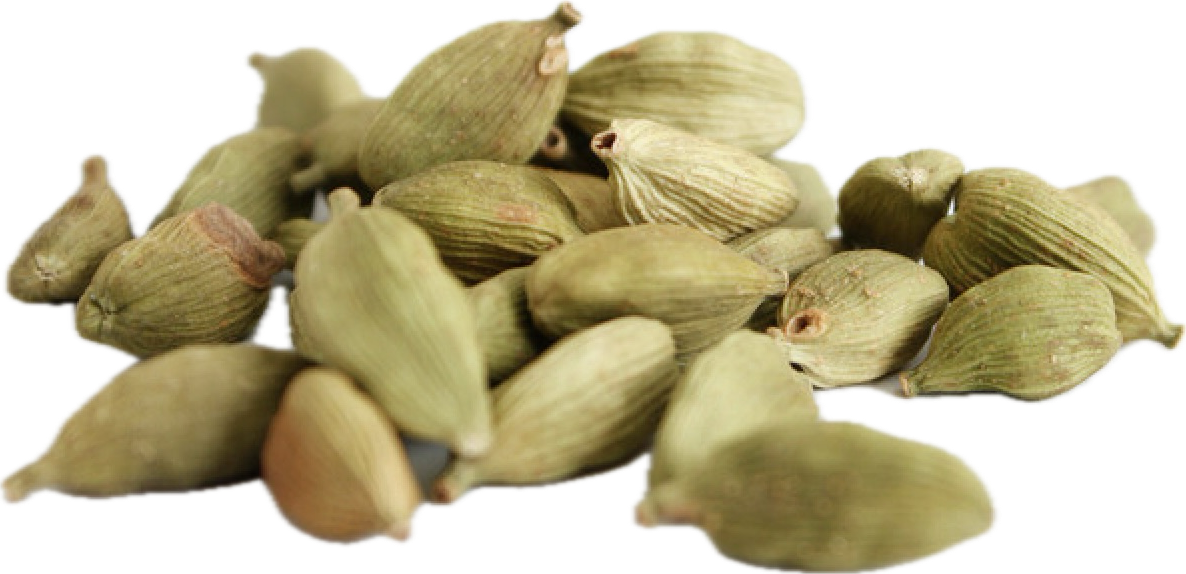
Long ago, deep in the tropical forests of southern India, there thrived a plant shrouded in mystery. Its tall, slender stems reached skyward, while its seeds lay hidden within small, green pods. To those who cultivated it, this plant was a treasure, not just for its unique taste but for its remarkable ability to heal and uplift. For centuries, it was used in rituals and remedies, cherished as both a culinary delight and a soothing balm.
The seeds were painstakingly harvested by hand, dried under the sun, and carried across ancient trade routes. They reached the hands of kings and emperors, their value rivaling that of gold. Traders guarded its secrets fiercely, knowing its essence would fetch the highest prices in the spice markets of Europe and Asia. In every corner of the world, this fragrant seed found its place—infused into teas, ground into powders, and distilled into potent oils.
Legends grew around its powers. Ancient physicians praised it for its ability to calm an upset stomach, soothe nausea, and invigorate the senses. It became a favorite of royalty; Cleopatra herself is said to have used its scent to enchant her guests. The seed’s uses expanded as knowledge traveled, blending into the culinary traditions of countless cultures and the healing practices of generations.
Over time, its cultivation expanded beyond its native India. Farmers in the rainforests of South America began to grow the plant, taking advantage of the warm, humid climate to nurture its delicate pods. This new chapter in its journey spread its reach even further, making its fragrant seeds more accessible to people across the world. Each new region added its own traditions to the plant’s legacy, embedding it deeper into the cultural fabric of humanity.
Today, modern science continues to validate what ancient healers knew. Its oil, extracted through steam distillation, is celebrated for its digestive benefits, its ability to clear the mind, and its aromatic richness. It remains a cornerstone in kitchens and apothecaries alike, revered for its versatility and purity.
And now, cardamom, the unassuming seed from the forests of India and the rainforests of South America, lives on as a timeless treasure. From enhancing the flavors of bread and stews to promoting clear breathing with a diffuser’s gentle mist, it serves as both a culinary marvel and a source of well-being. Its journey through history, carried by the hands of explorers and traders, has secured its place in homes across the globe. A gift of nature, cardamom continues to connect us to the past while enriching our present, offering its fragrant magic to generations yet to come.


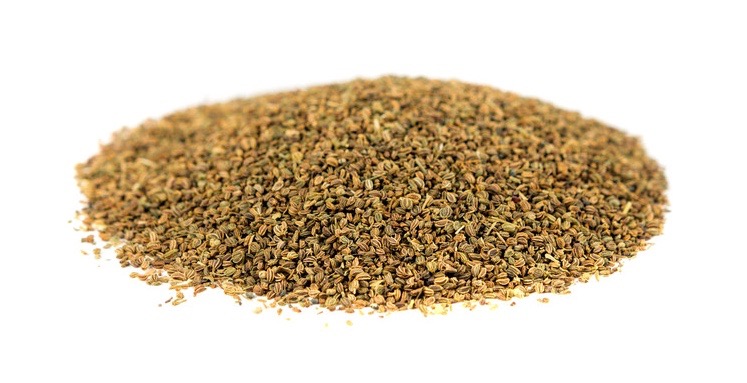 Did you know celery was used as early as the 5th century by the Chinese, and is commonly used in Indian Ayurvedic practices today. Customarily grown grocery store celery looks nothing like the celery seen at local farmers’ markets. The celery plant grows up to three feet tall, is brilliant green, and gleaming with life. Celery has an elaborate, strong, sweet, and spicy aroma.


 Len's Oils