
Summer Diffuser Blends

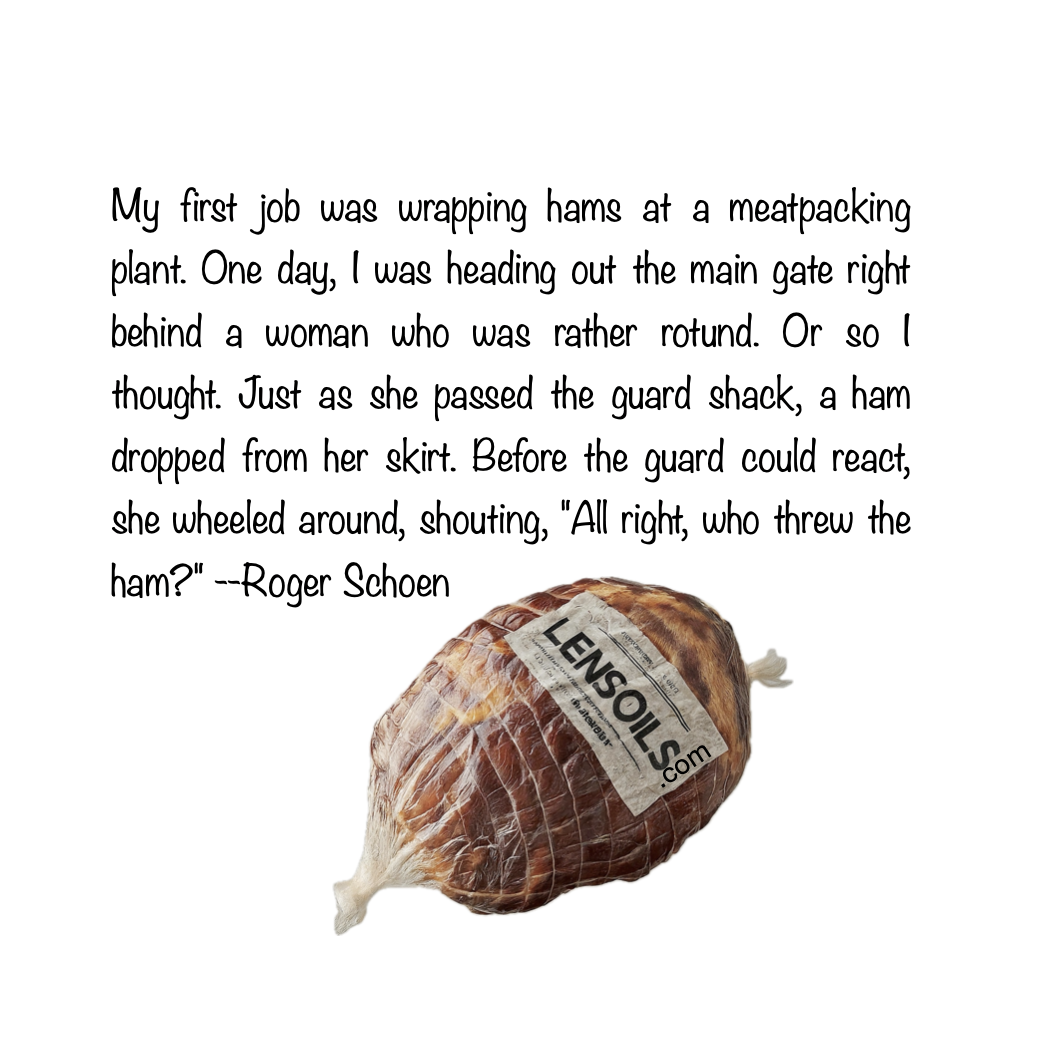
I get many of my funny true stories from whyumai’s Space


When I was nine or ten I went fishing with my dad and older brother. We must have caught three or four good sized fish. Then my dad and brother gutted the fish which I considered disgusting.
When we got home my mom cooked up the fish, and I remember the entire house smelled of it. Then we sat down as a family to eat all this fried fish for dinner. I didn’t get all the bones out of my fish and I didn’t like the fishy taste. As a result of this experience, I don’t like anything to do with catching or eating fish. So my own rule is don’t eat the fish. This is a great rule for me because of a negative experience that I personally had. For many other people this would be a terrible rule.
How many of us follow rules even when we don’t understand why we are following them? Many rules that we follow are because of a negative experience that happened to someone else, or because of some unusual circumstances.
Mary was cooking a ham for dinner when one of her children asked her, “Why do you cut off the end of the ham when putting it in a pan? Mary’s response was “when I saw my mom cook a ham she always cut off the end of her hams.” Mary decided to call up her mom to find out why she cut the end of her ham off. Her response was, “my hams wouldn’t fit in any of my pans, so I cut the end off.”
Most things we do are based on how it was done in the past. When we get sick, what do we do, we reach for the pain relief capsules. We do what we were taught as children and young adults. We did the best we knew how with the knowledge we had at the time.
Now we know that with every man made drug there are harmful side effects, some minimal, others very dangerous, and compromising to our health. There is hope! I am excited to learn that there are essential oils that have no dangerous side effects, with positive results. I am happy to report my first line of defense when sick or healthy is by using powerful essential oils that have been studied for their positive properties.

Tangerine has been used for a long time in Chinese culture and traditional medicine for staying healthy. The oil from tangerines has special substances called antioxidants, which are good for your health. One of these antioxidants, called limonene, is especially powerful.
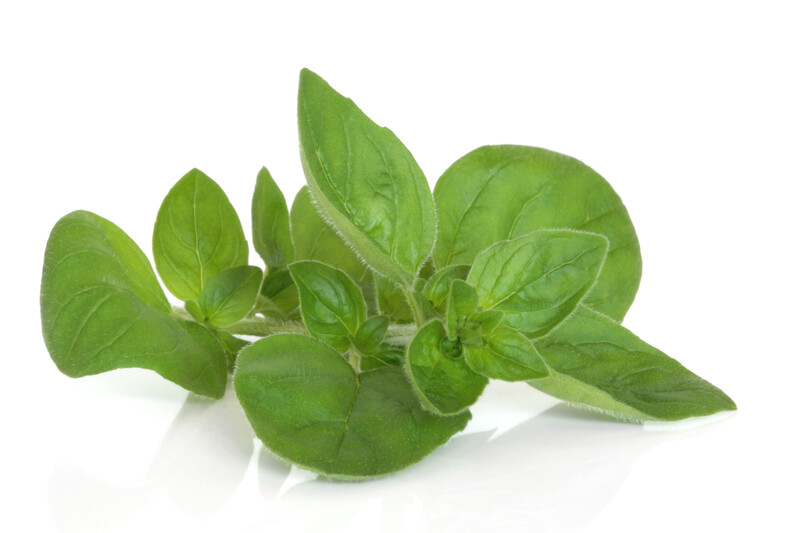
Now, let me tell you a story that stretches back thousands of years, to a time when the world was just beginning to embrace the flavors of herbs. Some say it was around 5,000 years ago when people started to cultivate and cherish these plants, giving rise to an incredible variety of flavors. If you’ve ever tasted the delights of Italian cooking, you might recognize one particular herb that stands out among the rest.
This herb, a member of the mint family, shares its lineage with other renowned herbs like rosemary, sage, and lavender. Its scientific name, Ocimum basilicum, holds clues to its ancient origins. Legend has it that its name could be traced back to Greek mythology, to a tale of a valiant warrior named Ocimus. Some say that this herb sprang forth from the ground where Ocimus met his match in battle. Others believe the name comes from the Greek word “okimon,” meaning “fragrant” – a fitting description for an herb known for its aromatic qualities.
But what about the second part of its scientific name – basilicum? Ah, there are differing theories about this. Some suggest it’s a nod to the Greek word “basileus,” meaning “kingly.” Indeed, this herb has earned the title of the “king of herbs” or the “royal herb,” perhaps because of an ancient belief that it was first grown near the sacred cross of Christ. The Romans even had their own tales, calling it “basiliscus” in hopes that consuming it would ward off fearsome creatures like the basilisk.
Now, journey with me to ancient Greece, where it’s said that Alexander the Great introduced this herb to its shores. Here, this herb took on new meanings – symbols of love, eternal life, and protection in Hindu culture. Stories abound of its powers as a good luck charm, believed to bring wealth and safeguard against harm.
But it’s not just legend and folklore that make this herb remarkable. Extract its essential oil, and you’ll find a scent that invigorates the mind and eases tired muscles. And when consumed as part of a balanced diet, it lends support to our digestive and circulatory systems, contributing to overall well-being.
So, dear listener, the next time you savor its sweet, herbaceous flavor in your favorite dishes, remember the journey of this humble herb basil – from ancient myths to modern-day kitchens. Now you know the rest of the story.

The star anise tree is a type of tree that stays green all year round and is originally from southeastern Asia. Normally, these trees are not very tall, only about 14 to 20 feet, but sometimes they can grow even taller. People have been using this tree for more than 3000 years as both a spice and a medicine, especially in traditional Chinese medicine.

Your health comes first, you can always hang yourself later.- Hebrew Proverb

From Himalayan heights, a treasure so rare,
Spikenard, the nard, with a fragrance to share.
Not honeysuckle’s kin, though its name may mislead,
In valerian’s family, a secret it seeds.
Roots like hairy spikes, a hidden delight,
Crushed and distilled, an essence takes flight.
Amber and earthy, a musky embrace,
In temples of old, a sacred space.
Legends whisper of Mary’s anointing deed,
A precious perfume, a love-filled seed.
Cleopatra’s baths, it surely did grace,
A symbol of wealth, a queen’s treasured embrace.
Modern science, a cautious decree,
Anti-inflammatory whispers, a glimpse you can see.
Calming and soothing, for nerves frayed and sore,
A promise of comfort, what could we ask for?
So next time you see it, this essence so grand,
Remember its journey, from mountain to hand.
A gift from the earth, a history untold,
Spikenard’s rich fragrance, more precious than gold.
 Len's Oils