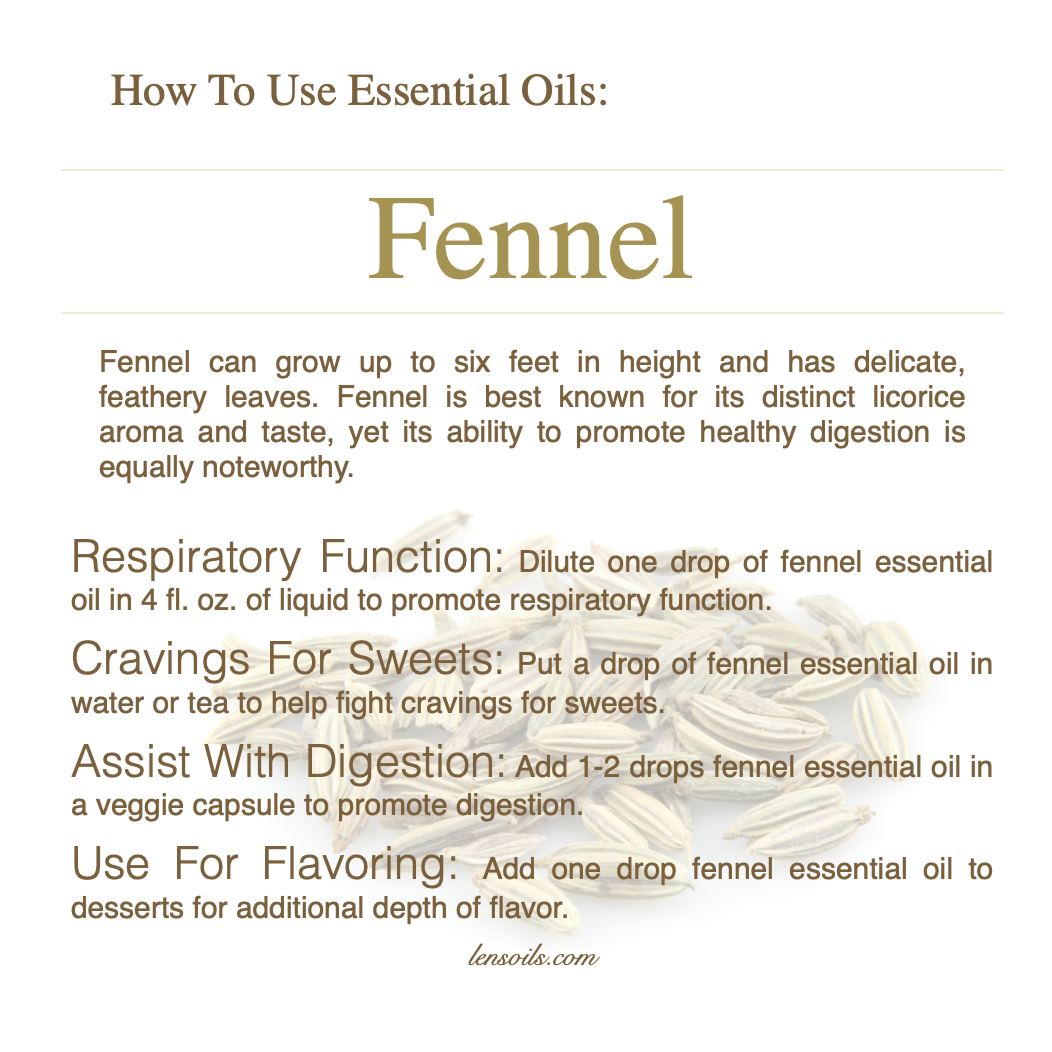
Fennel essential oil, distilled from the seeds of the Foeniculum Foeniculum vulgare plant, has a sweet, licorice-like aroma that is both distinctive and soothing. Native to the Mediterranean, fennel has been cherished since ancient times for its culinary and medicinal uses. In essential oil form, its comforting fragrance is often used to promote a sense of calm and balance. Diffused, fennel oil can create a warm, inviting atmosphere that supports relaxation and mental clarity.
Beyond its aromatic qualities, fennel essential oil is often turned to for its digestive-supporting properties. A drop may be added to water (if using food-grade oil) to ease occasional stomach discomfort, or it can be diluted and massaged onto the abdomen as part of a soothing wellness routine. In blends, fennel pairs well with spicy oils like ginger or cardamom to create warming aromas, and with citrus oils such as lemon to add brightness and freshness. Its sweet, herbal profile makes it versatile for both personal care and home use.
Did You Know? In ancient Greece, fennel was associated with courage and strength—its name comes from the Greek word marathon, after a field of fennel where the famous Battle of Marathon took place. The hollow fennel stalk was also said to have been used to carry fire, symbolizing the spread of knowledge and life. Today, fennel continues to be prized not only in Mediterranean cuisine but also in natural wellness practices for its soothing and revitalizing qualities.
Frankincense essential oil is often called the “king of oils” because of its wide range of supportive benefits, and adding it to diffuser blends can greatly enhance both the aroma and the atmosphere of your space. Its warm, resinous scent helps promote feelings of peace, relaxation, and grounding, making it a natural fit for meditative or calming blends. Frankincense also complements other oils beautifully—bright notes like Wild Orange bring out its uplifting side, while deeper oils such as Sandalwood, Patchouli, or Myrrh highlight its grounding and spiritual qualities. Used in a diffuser, Frankincense can support emotional balance, ease stress, and create an environment that feels sacred, centered, and welcoming.
Over forty years ago, I worked in downtown Salt Lake City, Utah. Each morning, I’d catch a ride with my dad on his way to work, feeling all grown up as I headed to my job at The Lion House. It was a cozy place that opened for lunch and hosted banquets for weddings and private events. My job was to set up tables and chairs for those banquets, which felt important to me at the time. At the end of my shift, I was given a food credit—just enough for a salad and a slice of freshly made pie. It was a great job, and I loved every bite of that “paycheck.”
Fast forward over forty years, and here I am again, working in downtown Salt Lake City. This time, I’m at OC Tanner, a jewelry store that once was a library and, when I was a child, The Hansen Planetarium. I can still remember the excitement of visiting that four-story building—it looked like a rich person’s mansion filled with stars and planets. I was sad when it closed, and for years it sat empty until OC Tanner brought it back to life as a stunning jewelry store. Now, I walk those same streets again, with a sense of wonder and a smile, realizing life has a funny way of circling back—only shinier this time.
As a kid, I also remember my mom keeping small bottles of essential oils in the kitchen drawer. Back then, I thought they were mostly for old-fashioned remedies or the smell of clean laundry. Sometimes she’d rub peppermint on our temples when we had headaches or apply lavender to our skin when we had sores to help them recover more quickly. I never thought much about it—until years later, when I found myself reaching for those same little bottles. What once seemed like an old habit has become something I now can’t imagine living without. A little drop of comfort, just like those familiar streets of my youth.
When my wife and I first got married, I couldn’t believe she wanted to buy bread crumbs. “We can make our own!” I proudly declared. She didn’t find my enthusiasm quite as charming. You see, I grew up in a big family with nine siblings, and in our home, nothing went to waste. We saved the ends of loaves and leftover biscuits in a paper bag, letting them dry before smashing them into crumbs. It was simple, practical, and—to me—normal. My wife, however, was not impressed. After a bit of tension and an apology, it became one of those stories we laughed about for years.
Then, just this week, the universe decided to have a little fun with me. While at Costco, I bought a huge bag of croutons, only to realize later that there’s no way two people could eat that many. The next morning, Cassie mentioned she needed bread crumbs for dinner. Without even thinking, I said, “Cassie, we don’t need to buy bread crumbs—we have croutons!” She gave me that look for a split second before we both burst out laughing. Turns out, I still have a bread crumb complex. I crushed up the croutons, she made dinner, and it was delicious.
That night, I diffused a little lavender oil in the kitchen—something I do often now. As the scent filled the air, I smiled, realizing how life truly comes full circle. The places we return to, the lessons we relearn, and even the smells that remind us we’ve grown all have a way of grounding us in gratitude. Whether it’s a familiar street, a slice of pie, or the calming scent of lavender, life keeps finding gentle ways to remind us where we began.
In 1 Kings 4:33, Solomon is described as speaking of trees “from the cedar tree that is in Lebanon even unto the hyssop that springeth out of the wall.” These two plants, though vastly different in size and stature, both carried deep meaning in the ancient world and are known for the essential oils they produce. Cedarwood oil, pressed from the towering cedars of Lebanon, was valued for its rich, grounding fragrance and its protective qualities, while hyssop oil, drawn from a small but resilient herb, was treasured for its cleansing and purifying properties.
Together, cedar and hyssop symbolize a divine balance—strength and purity. The mighty cedar represented stability and power, often used in temple construction, while hyssop was used in sacred rituals of purification. Essential oils drawn from these plants remind us that God provides for both body and spirit through His creation. From the lofty trees to the humble herbs, each carries unique blessings, reflecting His wisdom and care for all aspects of life.
The slippery slope of prescription drugs with their harmful side effects can be hard to recover from.
Do you want to take back your health using natural essential oils?
If you would like a Free Sample please do one of the following.
Please text Free Sample or call me at 801-661-4786
I will be sure to get back to you as soon as possible.
Or
Send me an email with the heading Free Sample to lfish64@yahoo.com
It will be an honor to help you in any way that I can.
Or
Write me a letter requesting a Free Sample to
Leonard Fish
5075 Rushton Acres Court
West Valley City, Utah
84120 USA
Please text Free Sample or call me at 801-661-4786 I will be sure to get back to you as soon as possible. Or Send me an email at lfish64@yahoo.com with the heading Free Sample It will be an honor to help you in any way that I can. Or Write me a letter, request a Free Sample
Leonard Fish 5075 Rushton Acres Court West Valley City, Utah 84120 USA
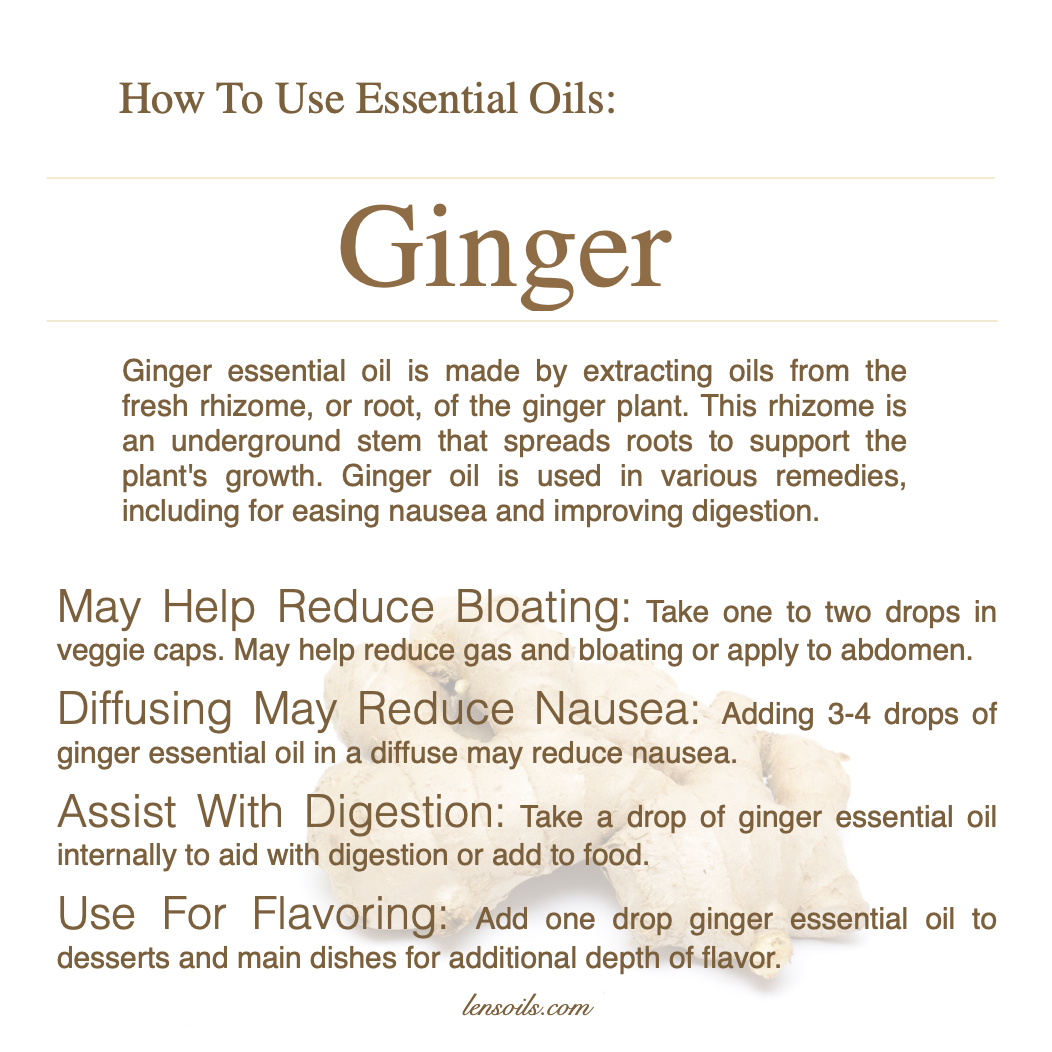
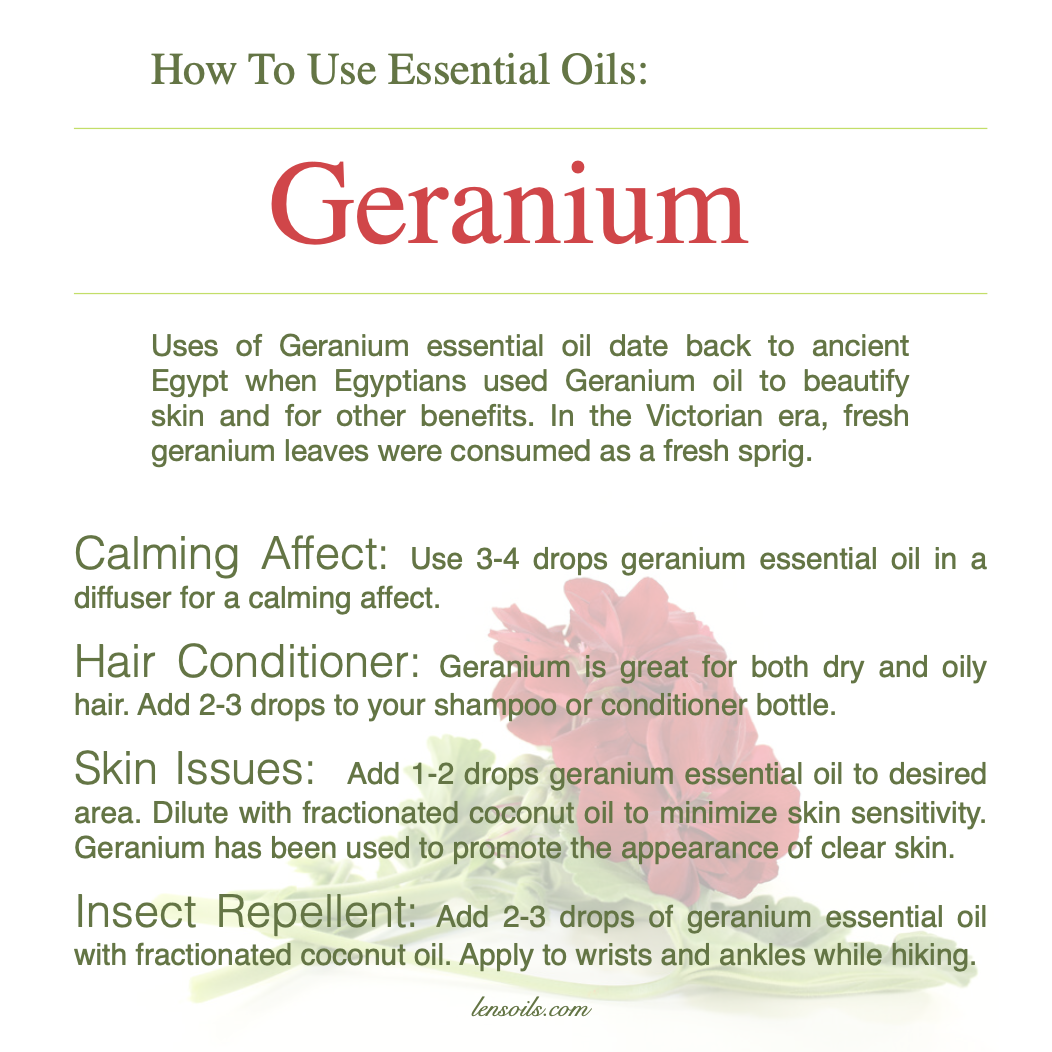
Elemi essential oil, with its fresh, citrusy, and slightly spicy aroma, is a hidden gem for creating versatile and uplifting diffuser blends. Its bright and resinous scent pairs beautifully with citrus oils like Lemon, Bergamot, and Sweet Orange for a cheerful and energizing atmosphere. Elemi also blends harmoniously with woodsy oils like Cedarwood, Sandalwood, and Frankincense, adding depth and warmth for a grounding effect. For a soothing and calming experience, pair Elemi with floral oils such as Lavender, Geranium, or Ylang Ylang. It works well with spicy oils like Ginger or Clove to create a cozy and invigorating blend, while its resinous quality complements herbal oils like Rosemary or Tea Tree for a fresh and cleansing scent. Whether you’re looking for balance, clarity, or an uplifting mood, Elemi’s versatility and unique aroma make it a standout choice for diffuser recipes.
Don’t cry because you don’t have essential oils—your sinuses can’t handle that kind of drama. Smile, because a little lavender is just one click away online! 🌿😌
Shirley Price’s name is synonymous with the rise of aromatherapy as a respected and widely practiced art. Born and raised in the United Kingdom, Shirley’s childhood was steeped in curiosity and a love for the natural world. Growing up in a modest yet nurturing household, she was encouraged by her family to explore science, creativity, and holistic living. This early foundation would serve as the blueprint for her life’s work. With a passion for helping others and a fascination with the healing properties of plants, Shirley embarked on a journey that would position her as a pioneer in the field of aromatherapy.
Shirley’s first encounter with essential oils was transformative. At a time when aromatherapy was far from mainstream, she became captivated by the potential of oils like lavender and tea tree to promote physical and emotional well-being. Her early experiments with these natural extracts fueled her passion for learning, and she immersed herself in studying their properties. For Shirley, essential oils represented a bridge between traditional medicine and natural remedies, a connection that inspired her to delve deeper into this emerging field.
In the 1970s, Shirley Price turned her passion into a profession with the founding of Shirley Price Aromatherapy. Focused on producing high-quality essential oils, her company became a beacon of integrity and innovation. Shirley was meticulous in sourcing her oils, ensuring they were pure, ethically produced, and effective. As one of the first advocates for the therapeutic use of essential oils in the UK, her business set the gold standard for quality in the industry.
Central to Shirley’s work was her deep understanding of essential oils and their benefits. She championed oils like eucalyptus for respiratory health, chamomile for relaxation, and peppermint for energy and mental clarity. Shirley’s research and personal experience demonstrated the versatility of essential oils in enhancing well-being. She didn’t just sell oils—she educated her customers, teaching them how to use these natural remedies safely and effectively.
Believing that knowledge was the cornerstone of progress, Shirley devoted herself to educating others about aromatherapy. She authored several books, including the seminal Practical Aromatherapy, which became a must-read for those entering the field. Her writing demystified essential oils, blending scientific research with practical advice to make aromatherapy accessible to a wider audience. Shirley also worked with healthcare professionals, advocating for essential oils to complement conventional treatments.
Under Shirley’s visionary leadership, her business grew from a small operation into an international enterprise. Her efforts to legitimize aromatherapy as a complementary medicine included collaborations with scientists, therapists, and industry professionals. By building a body of evidence supporting the benefits of essential oils, Shirley played a critical role in the global acceptance of aromatherapy as both an art and a science.
One of Shirley’s lasting contributions was her commitment to quality. She insisted on rigorous testing and ethical sourcing for every product that bore her name. This dedication to excellence earned her the trust of clients worldwide and established standards that are still followed in the industry today. Her brand became synonymous with purity and reliability, elevating aromatherapy to a level of credibility it hadn’t previously achieved.
Shirley’s approach to health went beyond essential oils. She embraced a holistic philosophy, advocating for the integration of aromatherapy with other natural therapies, such as massage, reflexology, and meditation. Her vision emphasized the interconnectedness of physical, emotional, and spiritual health, inspiring many to adopt a more balanced and mindful lifestyle.
As her influence grew, Shirley took steps to ensure her work would endure. She established the Shirley Price International College of Aromatherapy, training a new generation of therapists to carry her vision forward. The college became a hub for education and innovation, equipping students with the tools to use essential oils effectively and ethically. Shirley’s legacy lives on through the countless lives she touched, both directly and indirectly.
Shirley Price’s contributions to aromatherapy have left an indelible mark. From a small UK business to a global movement, her passion and dedication turned a niche practice into a respected industry. Today, her name continues to inspire trust, innovation, and excellence in the world of aromatherapy. Through her work, Shirley proved that nature truly holds the key to healing, and her vision continues to guide those who seek to harness its power.
I remember a kind couple, John and Nome Mackaleash, who loved my parents and enjoyed spending time with our family. They had big hearts and a genuine desire to help. They often brought us new clothes from a business they owned, showing their thoughtfulness in ways we deeply appreciated. One visit stands out in my memory: my sister Rachel was participating in a fundraiser, selling boxes of M&M candies for a dollar each—a significant amount of money in the 1980s. Without hesitation, John pulled out twenty dollars and bought the entire case of candy. Then, in an act of pure generosity, he gave each of us our own box.
Fast forward 20 years, and now it was my turn as a parent. My children were doing school fundraisers, but my reaction was the opposite of John’s. I completely discouraged them from participating. I’d say, “I’ll give you a dollar if you don’t do that fundraiser.” I was downright unpleasant to anyone who came to my door selling something.
One day, while listening to an audiobook, I heard the speaker say, “Be generous with your money, and it will come back to you tenfold.” Something about that message resonated with me. I decided to change my ways. I started being more open and generous, buying from every child who came to my door. It reminded me of John’s incredible generosity and the example he set for me all those years ago.
This shift in mindset also made me realize how giving can create a ripple effect. I even hired neighborhood kids to clean up rotten apples in my front yard and rewarded each of them with a crisp two-dollar bill. Seeing their smiles made me realize that generosity isn’t just about money—it’s about creating moments of joy and encouragement for others.
This perspective ties perfectly into my love for essential oils. Generosity isn’t just about giving money or gifts; it’s about sharing things that have positively impacted your life. For me, essential oils have been life-changing. I use them daily, appreciating their ability to promote better health without harmful side effects. When I experience the benefits of an oil—whether it’s improved focus, better sleep, or relief from discomfort—I feel compelled to share it with others.
I believe essential oils represent the same spirit of generosity that John and Nome demonstrated. They offer people hope and an alternative path to better health. Generosity, whether it’s giving time, money, or a small bottle of essential oil, creates a harvest far greater than we can imagine. Every time I share an oil, I’m reminded of the beauty in giving: it transforms lives—mine and others’—and fosters a deeper connection to those around me.
The lesson is clear: generous giving of ourselves, whether through kindness, encouragement, or something as simple as sharing essential oils, leads to a generous harvest of joy, hope, and connection. And just like John’s act of kindness with those boxes of candy, it’s the small, thoughtful gestures that often make the biggest difference.