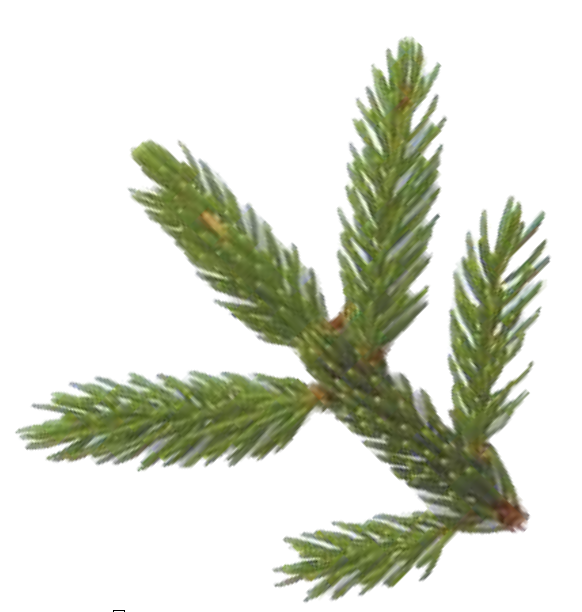
Where northern winds sing soft and low, Through mist and moss, the spruces grow. By rivers wide and swamps so deep, Their roots in ancient waters keep.
A healer’s touch, a sacred tree, A gift from earth, wild and free. For generations, hands have known, Its soothing touch on skin and bone.
A breath of pine, crisp and bright, To clear the air, to bring in light. A drop diffused, the chest expands, Like forests vast in distant lands.
A quiet strength, a calming balm, In weary hearts, it whispers calm. Blended soft with chamomile, It eases aches and soothes with style.
Its essence lingers, fresh and true, A cleansing wave, the air renewed. With frankincense, a sacred pair, To sharpen focus, scent the air.
Through swamps and hills, it holds its place, A tree of wisdom, strength, and grace. From ancient roots to healing hands, Black spruce endures, where nature stands.
In the bustling markets of ancient China, healers and herbalists sought remedies for ailments both great and small. They turned to roots, leaves, and seeds, blending them into tonics and teas. Among these was a particular seed, small but powerful, valued for its ability to ease digestion and bring balance to the body. By the 5th century, it had become a staple in Chinese medicine, known for its ability to cool the body and calm the mind.
Far to the west, in the heart of the Mediterranean, Greek physicians took notice. Hippocrates, the father of modern medicine, praised the seed for its medicinal properties. He saw it as more than just a spice—it was a remedy, a healer. To the Greeks, it was a symbol of good health, used to treat ailments ranging from digestive troubles to nervous tension. And so, it made its way into their diets and their medicines.
By the time the Romans rose to power, the seed had cemented its place in history. Pliny the Elder, the great Roman naturalist, wrote of its effectiveness, describing how it was used to aid digestion and purify the body. Roman soldiers carried it with them on long campaigns, believing it kept their stomachs strong and their minds sharp. It was scattered on tables, mixed into broths, and even blended into wine.
In India, Ayurvedic practitioners had long embraced the seed’s power. They believed it brought warmth to the body, aided circulation, and supported overall well-being. It was used in massages, teas, and restorative tonics. Even today, in the practice of Ayurveda, this seed is seen as a key to balance, promoting digestion and relaxation through ancient traditions that have stood the test of time.
By the 19th century, science had begun to catch up with tradition. Chemists discovered that the seed contained phthalides, compounds that supported digestion and helped maintain a sense of calm. Researchers noted its effect on the nervous system and how it could contribute to an uplifted mindset. Doctors began recommending it as a natural remedy, and its essential oil gained recognition in holistic healing.
One of those fascinated by its benefits was Dr. John Christopher, a renowned herbalist who studied plants and their effects on human health. He incorporated the seed’s oil into his practice, using it to help with digestive concerns and to encourage relaxation. His work helped bring herbal medicine into the modern age, emphasizing the value of plant-based healing.
But the seed’s influence didn’t stop at digestion. Scientists exploring its oil found that when diffused, it could promote a positive, uplifting atmosphere. Aromatherapists began blending it with other essential oils to create calming, soothing scents, ideal for relieving tension and supporting restful sleep.
Even in modern spas, its oil is recognized for its ability to promote relaxation. When added to warm bath water with Epsom salt, it creates a calming soak, easing both the body and the mind. Whether used in baths, diffusers, or herbal remedies, its effects are undeniable—it has been a quiet companion to wellness for centuries.
And now, with all the clues before you—the ancient markets, the wisdom of Hippocrates, the soldiers of Rome, and the healers of Ayurveda—you might think we’re talking about fennel or anise. But no, the timeless remedy of this story is celery seed. With its distinct aroma, digestive benefits, and calming properties, it has been a trusted remedy for generations.
From ancient lands where spices bloom, A tiny seed, a bold perfume. With warmth and fire, rich and deep, A healer’s touch, a strength to keep.
A warrior spice through time it stands, Once traded gold in distant lands. It graced the tables of the old, A treasure worth its weight in gold.
A drop to calm, to ease the mind, A scent so strong, yet warm and kind. To muscles sore, it brings relief, A touch of heat, a sigh of peace.
It stirs the pot, enhances taste, No meal too simple, none to waste. A spark in soups, on meats it sings, A depth of flavor, bold it brings.
Within its oil, a shield is found, To fight the threats that move around. A daily drop, a steady guide, To guard the body from inside.
For troubled thoughts, for restless nights, It soothes the heart, restores the light. A breath of spice, a touch so pure, A timeless gift, a power sure.
A humble seed, yet bold and grand, A fiery warmth in every land. From dish to remedy, near and far, Black pepper shines—a healing star.
High in the mist-covered mountains of Lebanon, King Solomon’s builders labored. They sought wood that would withstand centuries, wood that was resistant to decay and filled the air with an unmistakable aroma. They chose carefully, for this wood would line the halls of the most magnificent temple ever built. It was a tree known for its strength, durability, and fragrance—a tree that had already been revered for generations.
Far to the south, the priests of Egypt knew of this tree as well. It was not merely prized for its timber but for something more—the oil that could be extracted from its heartwood. The Egyptians used this oil to embalm their dead, believing it would preserve not just the body, but the soul. The tombs of Pharaohs bore the scent long after their earthly kings had turned to dust.
Centuries later, the Roman scholar Pliny the Elder wrote of its properties. He documented its resistance to rot and insects, its deep, grounding fragrance, and the way its oil was used to anoint sacred objects. The Romans burned shavings of its wood in temples, letting the aroma drift skyward with their prayers.
In the American colonies, settlers recognized the same properties. They lined their closets with this wood, filling storage chests with its shavings. Why? Because its scent repelled moths and insects, protecting precious linens and heirlooms for generations. Even today, small blocks of this wood are placed in closets for the same reason.
By the 20th century, chemists began to examine the oil more closely. Among them was René-Maurice Gattefossé, the French scientist who pioneered aromatherapy. He recognized this oil’s ability to promote relaxation and soothe the mind. Blended into massage oils or diffused into the air, it provided a sense of calm after a long, weary day.
Meanwhile, outdoorsmen took note of another quality. Hikers and campers began using the oil as a natural insect repellent. A drop on a cotton ball, tucked into a tent or sleeping bag, kept unwanted pests at bay. It was yet another way this tree protected those who sought its benefits.
Modern dermatologists discovered its skincare potential. With astringent properties, it became a trusted ingredient in facial treatments, helping with oily skin. Those who suffered from occasional skin irritation found that just a few drops blended into lotions or carrier oils could provide relief.
And in households around the world, its scent filled the air—not just in wooden furniture, but in diffusers, candles, and soaps. It became a staple in spas, helping people unwind from the pressures of daily life. It was the quiet companion of relaxation, as it had been for thousands of years.
And now, with all the clues before you—the ancient temples, the chests lined with fragrant wood—you might think we’re talking about sandalwood or pine. But no, the unsung hero of this story is Cedarwood. With its grounding aroma and remarkable benefits, it has touched lives for centuries.
Sylla Sheppard-Hanger: A Legacy of Aromatherapy Excellence
Sylla Sheppard-Hanger was born on June 23, 1953, in the United States. Growing up in the vibrant cultural landscape of the 1960s and 1970s, Sylla developed an early interest in holistic health and natural remedies. Her curiosity about nature’s healing power was influenced by her family’s emphasis on natural living and her exposure to herbal medicine. This early foundation laid the groundwork for a lifelong passion for aromatherapy and essential oils.
In 1989, Sylla founded the Atlantic Institute of Aromatherapy in Tampa, Florida, becoming a trailblazer in the field. The institute was one of the first organizations in the United States dedicated to the professional education and certification of aromatherapists. With a comprehensive curriculum blending traditional knowledge and modern research, the Atlantic Institute became a cornerstone for training skilled practitioners.
Sylla emerged as a leading advocate for essential oil safety, emphasizing the importance of understanding chemical properties, proper dilution, and avoiding hazards. Her work in this area was instrumental in establishing widely followed safety guidelines. Her commitment to these principles helped elevate aromatherapy to a credible and respected discipline.
As a passionate educator, Sylla conducted countless workshops, courses, and seminars over her 35-year career. She simplified complex topics such as essential oil chemistry and therapeutic applications, making them accessible to her students. Her engaging teaching style inspired a new generation of aromatherapists who continue to advance the field.
Sylla authored several key publications on essential oil safety and usage, blending practical knowledge with scientific research. These works bridged the gap between traditional practices and modern applications, solidifying her role as an authoritative voice in aromatherapy. Her contributions became foundational resources for professionals worldwide.
Recognizing the need for evidence-based practices, Sylla conducted extensive research into the therapeutic effects of essential oils. She collaborated with scientists to study the chemical composition of oils, their pharmacological effects, and their interactions with the human body. Her findings brought greater credibility to aromatherapy within the healthcare industry.
Sylla also spearheaded the Aromatherapy Global Education Project (AGEP), an initiative aimed at standardizing aromatherapy education worldwide. By establishing consistent training standards, she ensured practitioners received accurate and comprehensive knowledge, setting a high bar for excellence in the field.
Beyond her institutional contributions, Sylla mentored countless students and professionals, creating a collaborative and supportive aromatherapy community. The Atlantic Institute became a hub for individuals passionate about natural healing, fostering a network of experts dedicated to safe and effective practices.
Sylla was also a proponent of integrating essential oils into mainstream healthcare. By working with hospitals, clinics, and wellness centers, she demonstrated the value of aromatherapy as a complementary therapy. Her efforts helped elevate essential oils from a niche practice to a respected component of holistic health.
essential oil leaderThrough her institute, research, and advocacy, Sylla Sheppard-Hanger empowered countless individuals to responsibly harness the therapeutic potential of essential oils. Her dedication to safety and education continues to inspire professionals and enthusiasts alike. Although decades have passed since her journey began, Sylla’s teachings remain highly relevant, ensuring her legacy lives on through the lives she touched and the knowledge she shared.
Nine years ago, I was introduced to something that has transformed my life: essential oils.
Yes I was a big skeptic about them at first, but I now use essential oils on a daily basis in every area of my home, and they have completely changed my life! My medicine cabinet has been completely transformed, and I am now empowered with the tools and knowledge to care for my family.
When I realized I could get free products AND create residual income? I got really excited!
As a result, of my essential oil journey, and passion helping others, I’m ready to help you get started with your essential oil journey as well.
The best part about essential oils is that there is an option for everyone, whether you want to simply enjoy the products for yourself and transform your family’s health (and get free stuff in the process) OR you’re ready to build a team, create residual income, and get out of debt.
If any of these options sound appealing to you, let’s chat!
I’ll help you figure out which option will be the best fit for you, plus you can qualify for some awesome incentives in the process.
I can’t wait to talk to you!
I love sharing essential oils
Please text Free Sample or call me at 801-661-4786
I will be sure to get back to you as soon as possible.
Or
Send me an email at lfish64@yahoo.com
with the heading Free Sample
It will be an honor to help you in any way that I can.
Or
Write a letter requesting a Free Sample to
Leonard Fish
5075 Rushton Acres Court
West Valley City, Utah 84120
Davana essential oil, with its sweet, fruity, and slightly herbaceous aroma, is a unique and versatile addition to any diffuser blend. Its rich scent is known for creating a warm, uplifting atmosphere and pairs beautifully with both floral and citrus oils. Davana blends well with oils like Orange, Grapefruit, and Lemon for a bright, cheerful aroma, or with Ylang Ylang and Geranium for a sweet, floral experience. For a grounding and sophisticated blend, combine Davana with earthy oils like Patchouli, Sandalwood, or Cedarwood. It also complements spicy oils like Clove or Cinnamon for a cozy and comforting vibe. Whether you want to create a luxurious and exotic ambiance by pairing Davana with Frankincense or an energizing blend with Peppermint and Lime, this oil adds a depth and complexity that enhances any diffuser recipe. Its rich aroma makes it a favorite for setting a mood of positivity and relaxation.
Oh Yuzu, bright and golden gem, A treasure from the East’s rich hem. Your citrus kiss, a tart embrace, A dance of Mandarin and Grapefruit’s grace.
For centuries past, in Japan’s serene lands, You’ve graced the air, soothed weary hands. A zesty balm, a fragrant art, To calm the mind and heal the heart.
In diffusers, you softly bloom, Chasing away the cloud of gloom. A few mere drops, a calming breeze, Melting tension with effortless ease.
In creams and mists, your scent does glide, A personal fragrance, worn with pride. Soft whispers on the skin you leave, A touch of joy, a sense reprieve.
When breath grows shallow, and lungs feel tight, You bring relief, restore the light. A blend with coconut, a soothing trail, To conquer congestion, you never fail.
Oh Yuzu, citrus spirit divine, Your therapeutic gifts forever shine. A timeless essence, pure and true, A gift from nature, dear Yuzu.
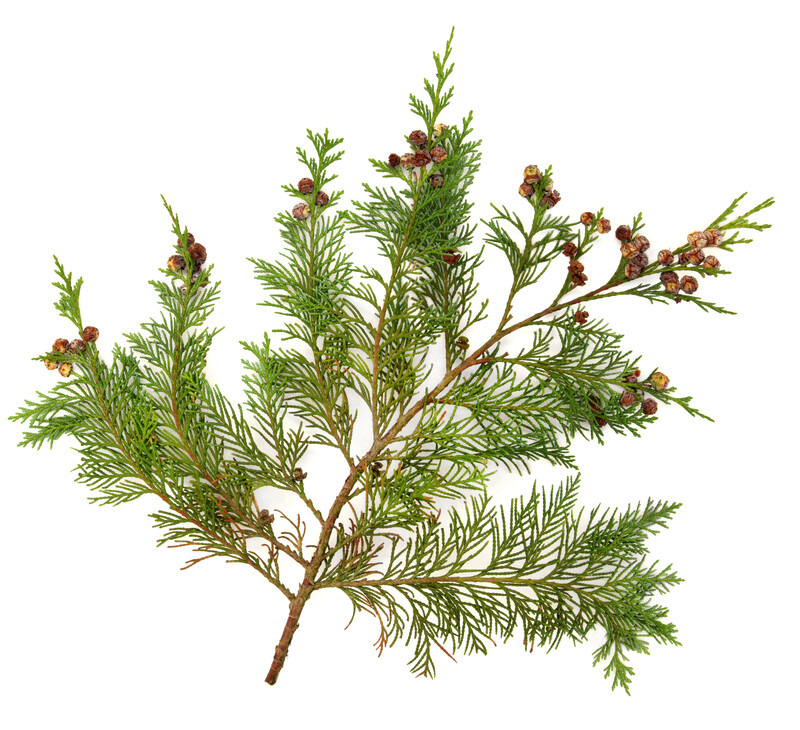
Arborvitae, the tree of life, Majestic, ancient, wisdom rife. Its fragrant wood, a gift profound, Preserves, protects, and stands its ground.
To Native hands, this tree was kin, A sacred bond, deep roots within. Its oils they used, its strength revered, A guardian where threats appeared.
For tools, for homes, for sacred flame, Arborvitae upheld its name. Its heartwood strong, immune to time, Resisting rot, decay, and grime.
With lemon’s zest, it guards and shines, A polish pure, where beauty aligns. A spritz to shield from nature’s harms, A balm to calm with soothing charms.
In forest’s hush, its oils ignite A tranquil peace, a meditative light. Its essence speaks of strength and grace, A timeless guide in life’s vast space.
O tree of life, with branches wide, Your ancient wisdom will abide. From Native lands to modern care, Arborvitae’s gifts are everywhere.




 Len's Oils