 Seven years ago, I was introduced to something that has transformed my life: essential oils.
Yes I was a big skeptic about them at first, but I now use essential oils on a daily basis in every area of my home, and they have completely changed my life! My medicine cabinet has been completely transformed, and I am now empowered with the tools and knowledge to care for my family.
When I realized I could get free products AND create residual income? I got really excited!
As a result, of my essential oil journey, and passion helping others, I’m ready to help you get started with your essential oil journey as well.
The best part about essential oils is that there is an option for everyone, whether you want to simply enjoy the products for yourself and transform your family’s health (and get free stuff in the process) OR you’re ready to build a team, create residual income, and get out of debt.
If any of these options sound appealing to you, let’s chat!
I’ll help you figure out which option will be the best fit for you, plus you can qualify for some awesome incentives in the process.
I can’t wait to talk to you!
I love sharing essential oils
Please text Free Sample or call me at 801-661-4786
I will be sure to get back to you as soon as possible.
Or
Send me an email at lfish64@yahoo.com
with the heading Free Sample
It will be an honor to help you in any way that I can.
Or
Write a letter requesting a Free Sample to

Leonard Fish
5075 Rushton Acres Court
West Valley City, Utah 84120
Sincerely,
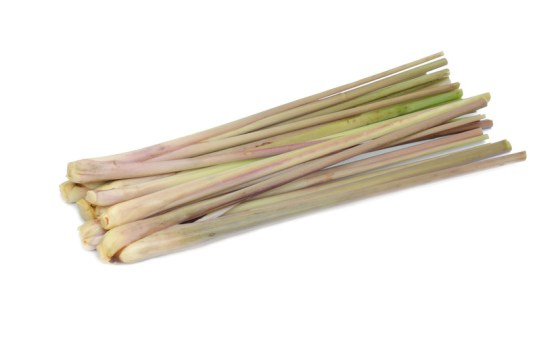 Did you know Citronella comes from the leaf of a tall grass native to Asia, Citronella essential oil has a crisp, fresh aroma. With impressive pest repellent benefits, Citronella oil keeps unwanted insects out of the house and off your skin and clothing. It is an ideal companion for all you activities in the great outdoors. The oil works by concealing the scent of humans that insects find tempting.
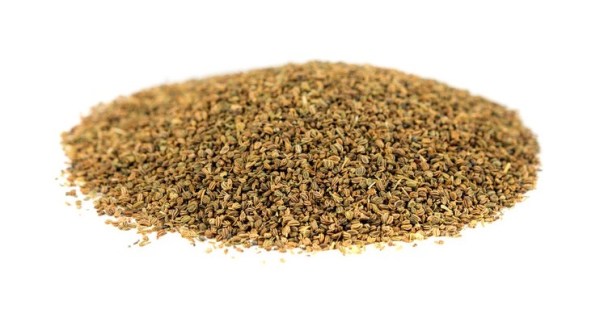 Did you know celery was used as early as the 5th century by the Chinese, and is commonly used in Indian Ayurvedic practices today. Customarily grown grocery store celery looks nothing like the celery seen at local farmers’ markets. The celery plant grows up to three feet tall, is brilliant green, and gleaming with life. Celery has an elaborate, strong, sweet, and spicy aroma.
 Did you know Black Spruce essential oil is distilled from the needles and branches of the Picea Mariana trees that are harvested from Canada? Black Spruce is a powerful wood oil historically used by Native Americans to promote skin health and as part of their spiritual healing and cleansing traditions.
 Did you know Ylang Ylang is the oil of the Inner Child? Ylang Ylang has a strong effect on the heart. It also is a powerful means for releasing emotional, distressing, or disturbing experiences from the past. Ylang Ylang also helps people let go of bottled up emotions such as sadness and anger.
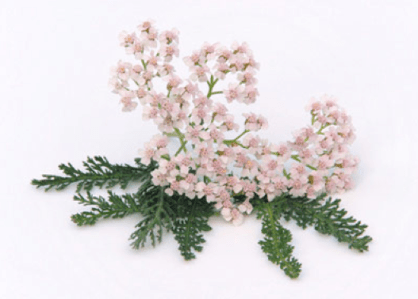 Did you know Yarrow is the oil of protection. Some people have a tendency to seek an unhealthy relationship with another person. Yarrow helps protect against these negative attachments. Yarrow is great in assisting with eliminating darkness and moving towards self control.
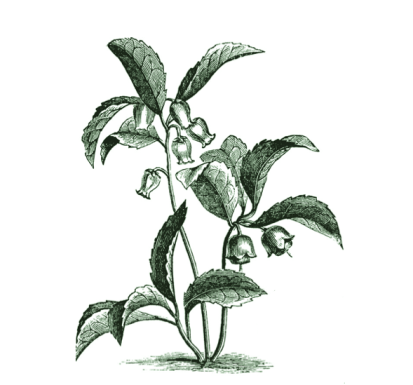 Did you know Wintergreen is the oil of surrender? It can help the strong-willed person in letting go of the need to be right, and the need to know. Wintergreen reminds a person that they don’t have to do things on their own. There is a constant invitation to abandon one’s burdens to a higher Power.
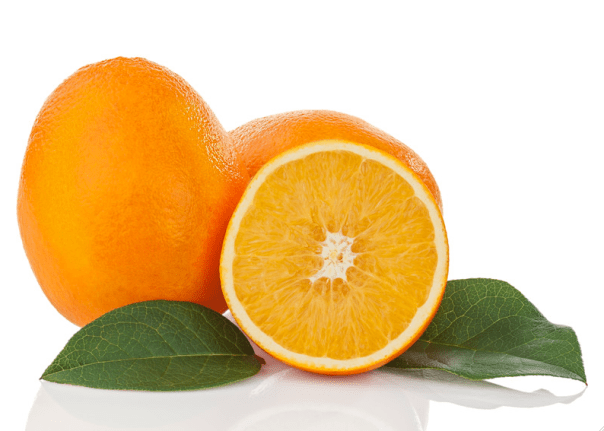 Did you know the Wild Orange is the oil of abundance. It inspires prosperity, encourages creativity, reinforces a positive mood and improves physical energy. Wild orange teaches the true meaning of abundance. it encourages people to let go of scarcity mindsets.
 Do you want to expand your health options?
 Did you know the white fir is recognizable as the common Christmas tree? It has a distinct, crisp fragrance that is associated with a camp fire, or a roaring fire on a cold winters night. It has a very distinct smell associated with happy memories. As an essential oil it has a very comforting scent. White fir essential oil has quite a few other qualities that makes it a great addition to your medicine cabinet.
 Len's Oils