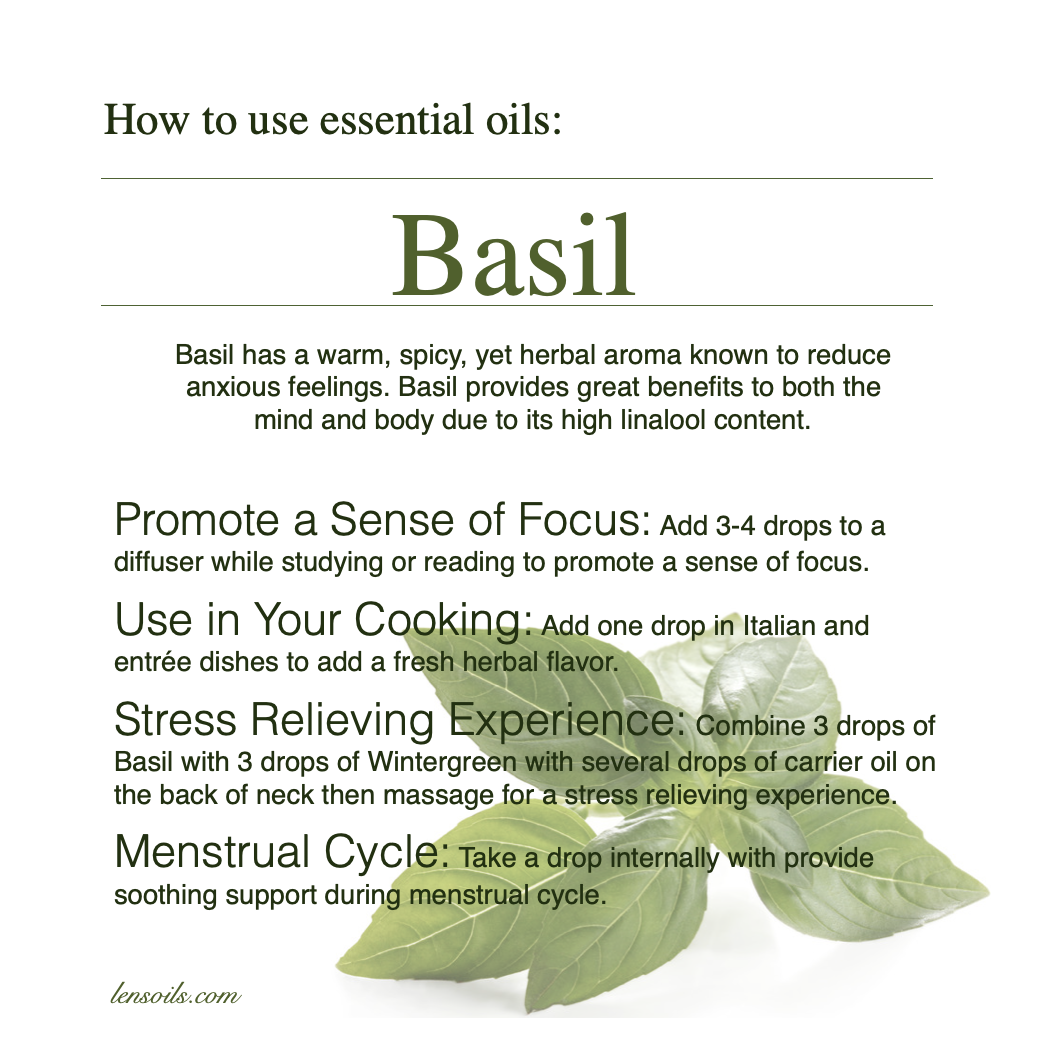
Basil Is a favorite Essential oil for me to use in a soaking bath.
Basil Is a favorite Essential oil for me to use in a soaking bath.

Douglas Fir Needle Oil is extracted through steam distillation from the twigs, and needles. The aroma is very citrusy, fresh and crisp. Douglas Fir is a conifer that grows natively throughout North America. This tall, evergreen fir tree is frequently used in the Christmas tree industry. Douglas Fir can be used in candles, sprays, diffusers, and freshener sprays.
This oil helps muscular pains, and aches. Works best when massaged into muscles. It soothes, and relieves pain after exercise or intense muscle use. In general, Douglas Fir oil is non-toxic, non-irritating, and non-sensitizing.
Douglas Fir has a unique chemical composition that’s particularly rich in beta-pinene, contributing to its ability to promote feelings of clear airways. Douglas Fir can also be used to purify the skin and promote a positive mood, also helping with stress, and reducing anxiety. Blending Douglas Fir with citrus oils will create an uplifting environment while freshening the air.
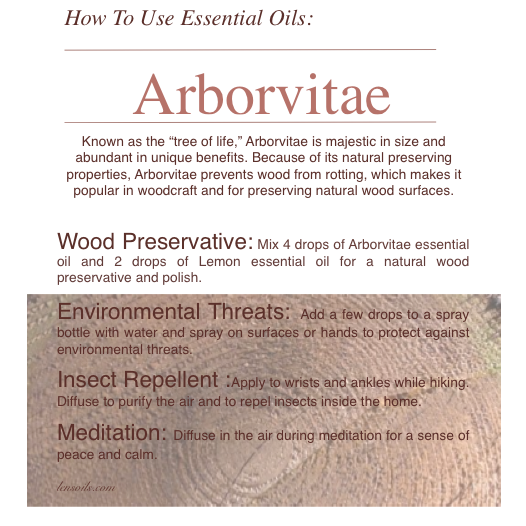
This oil smells just like Home Depot. This a great oil to use as an insect repellent.

Remember the 50/50 rule when using warm essential oils.
 Did you know the Romans believed that dill brought good fortune? The Romans also used dill leaves in the wreaths they made to recognize athletes and heroes. Dill originated in the warm southern regions of Russia, the Mediterranean, and Western Africa. It has been used as a medicinal herb for more than 5,000 years.
Dill was hung over the doorway to the house, making it a symbol of love, and acted as a protection against harm. People who believed in witches would brew a cup of tea brewed from the leaves and seeds of the dill plant to take away their evil power.
Pickles have been around for centuries, yet no one knows exactly when dill was added as a flavoring. There are recipes in England that date back to the 1600s that call for dill to be added to pickled cucumbers. Dill pickles are now the most popular pickle in America. Dill has a strong flavor that enhances the taste of vegetables, meats, and seafood.
Dill has been studied for its ability to help ease constipation, flatulence, headaches, and indigestion. It has helped promote milk flow in nursing mothers. Dill when diffused with Roman chamomile, may help with restless children. Dill has also shown positive signs with pancreas support and clearing toxins. A drop on the wrists may help remove cravings for sweets.

Applying essential oils under the tongue is quick and effective.
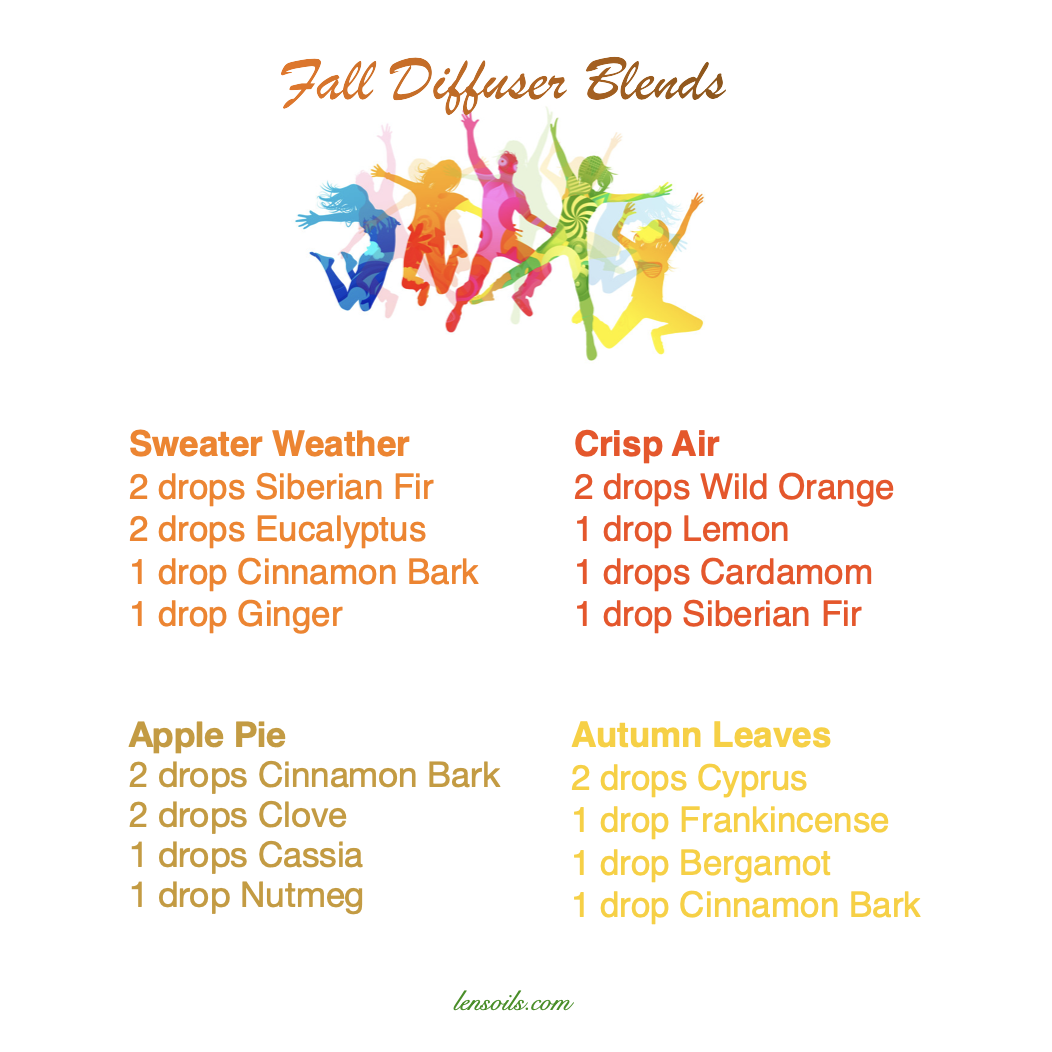
Crisp air, autumn leaves wearing sweaters and eating apple pie. These are some of the highlights of the fall season.

Did you know Davana essential oil is native to southern India and is a member of the daisy family? It is found in many home gardens in India. It is an aromatic herb that is cultivated for its fragrant flowers and leaves, which are used in religious ceremonies, decorations and essential oils. It was also used by Ayurvedic healers to balance the body and spirit.
Davana essential oil has a very adaptive aroma that smells differently on each person. It has a sweet warm scent with some fruity undertones that is slightly woody. Davana when mixed with fractionated coconut oil can be a great addition to your skin care routine. Davana essential oil is also used to flavor beverages and used in cakes and pastries.

Sleep is a regular period of time in which the body suspends conscious sensory and motor activity.

Did you know Cypress is the oil of motion and flow? Cypress teaches our spirit how to let go of the past by going with the flow of life. Cypress gives support to people by helping them throw aside their worries and let go of control allowing them to enjoy the excitement that comes from being alive, and being fully in the present.
Mediterranean Cypress has been widely cultivated as an ornamental tree for millennia away from its native range, mainly throughout the whole Mediterranean region, and in other areas with similar hot, dry summers and mild, rainy winters. Natural forest stands of the species mainly occur in the western part of the Mediterranean region of Turkey.
It is also known for its very durable, scented wood, used most famously for the doors of St Peter’s Basilica in the Vatican City, Rome. The Mediterranean Cypress is also known as the “drama tree” because of its tendency to bend with even the slightest of breezes.
Cypress oil is known to mankind since ancient times and has been used in many traditional medicines. Aromatherapy has been another important usage of this essential oil which has been a common practice for a long time. It is also known for the cross on which Jesus was crucified was made from the wood of cypress tree.
The oil from the cypress tree assists with clear breathing. Promotes healthy respiratory function. Soothes tight, tense muscles. Supports localized blood flow. Beneficial for oily skin conditions. It has a grounding, yet stimulating effect on the emotions, making it a popular oil to diffuse during times of transition or loss.
 Len's Oils