I love this one because it sneaks wisdom in through the back door. A child’s heart is open, unguarded, and honest, and that’s exactly how good essential oils should meet us. No tricks, no shortcuts, nothing hidden. For children, oils like lavender, frankincense, Roman chamomile, and wild orange are often the best starting places because they are gentle, calming, and supportive without being overwhelming. And a child’s will? That quiet, stubborn strength that keeps going even when tired or unsure. The best oils carry that same steady resolve. They don’t overpower. They support, protect, and show up consistently, reminding us that real strength is gentle, real purity is simple, and both work best when they’re trusted rather than forced.
Essential oils can be a natural and effective way to support your pet’s well-being when used safely and correctly. A calming spray made with diluted lavender or chamomile oil can help ease anxiety in pets, especially during stressful situations like thunderstorms or travel. Lightly misting your pet’s bedding or crate can create a soothing environment that promotes relaxation. These gentle essential oils are known for their calming properties and can help pets feel more at ease in unfamiliar or high-stress situations.
For pet owners looking to protect their furry friends from pests, a natural flea and tick repellent can be made by blending cedarwood and lemongrass essential oils with a carrier oil. Applying a small amount of this mixture to a pet’s collar or bandana can help keep insects away without the use of harsh chemicals. Additionally, dry and cracked paw pads can be soothed with a homemade paw balm made from frankincense or myrrh essential oils combined with coconut oil and shea butter. This nourishing balm helps restore moisture and protect a pet’s paws from rough surfaces and extreme weather conditions.
Beyond these specific uses, pet owners should always be cautious when introducing essential oils to their animals. Some oils, such as tea tree oil for dogs and citrus oils for cats, can be toxic and should be avoided. Essential oils should always be properly diluted, and it’s best to consult a veterinarian before using them on or around pets, especially if the pet has pre-existing health conditions. Observing how a pet reacts to an essential oil and adjusting usage accordingly ensures their safety and comfort while benefiting from natural remedies.
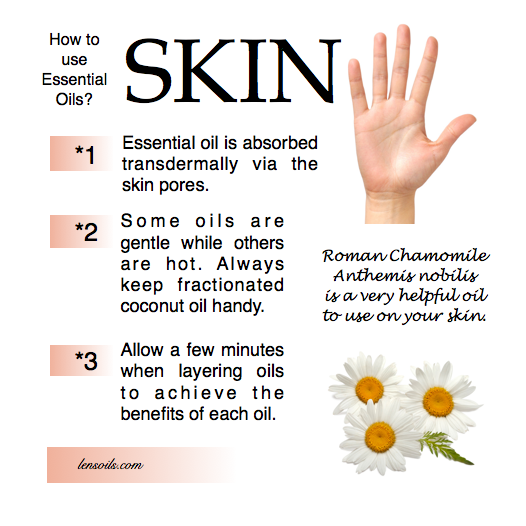
Essential oils are absorbed transdermally through the skin’s pores, allowing their beneficial properties to take effect. Some essential oils are gentle and soothing, while others are considered “hot” and can cause irritation. To ensure safe application, it is essential to have fractionated coconut oil available to dilute stronger oils. When applying multiple oils, allow a few minutes between each layer to let the skin absorb the properties of each oil properly.
When using essential oils on the skin, it’s important to consider factors such as skin sensitivity and the purpose of the oil. Always perform a patch test before using a new oil to check for any reactions. Dilution is key for safe application, especially with potent oils like oregano or cinnamon. Additionally, essential oils should be applied to pulse points or problem areas for targeted benefits. For enhanced absorption, gently massaging the oil into the skin can improve circulation and effectiveness.
One particularly beneficial oil for skincare is Roman Chamomile (Anthemis nobilis). This essential oil is known for its calming and soothing properties, making it an excellent choice for irritated or sensitive skin. It can help reduce redness, inflammation, and minor skin discomfort. Roman Chamomile is also popular for promoting relaxation, making it a great addition to nighttime skincare routines.
Recently, I have been rubbing vetiver from a roller bottle mixed with fractionated coconut oil on the bottom of my feet at night. As a result, I have been able to sleep through the entire night for several nights in a row. I love waking up feeling well-rested and refreshed. Sleep is essential for overall well-being, as it allows the body and mind to recover, repair, and function optimally. Essential oils have been used for centuries to promote relaxation and improve sleep quality naturally.
There are several ways to use essential oils to promote sleep. Diffusing oils into the air can create a calming atmosphere; for example, adding one drop each of lavender, Roman chamomile, and marjoram to 1 oz. of distilled water in a spray bottle can be misted onto linens before bed. Applying 1-2 drops of lavender oil to the spine, the bottom of the feet, or the back of the neck may also encourage relaxation. Another effective method is to combine 5 drops of lavender, 3 drops of geranium, and 1 drop of Roman chamomile with 1 cup of Epsom salt, 2 tablespoons of witch hazel, 2 tablespoons of baking soda, and 1 tablespoon of olive oil. Dissolving this blend in warm water for an evening bath can help promote a restful night’s sleep.
In addition to these methods, essential oils can be incorporated into nightly self-care routines in other ways. A warm compress with a few drops of lavender or cedarwood oil applied to the forehead or chest can help ease tension and prepare the body for sleep. Placing a drop of vetiver or sandalwood oil on the pulse points before bed can provide a grounding and soothing effect. Massaging diluted essential oils into the hands, wrists, and temples can also enhance relaxation, especially when combined with deep breathing techniques. By integrating essential oils into bedtime rituals, individuals may experience a deeper, more restorative sleep, leading to improved overall health and well-being.
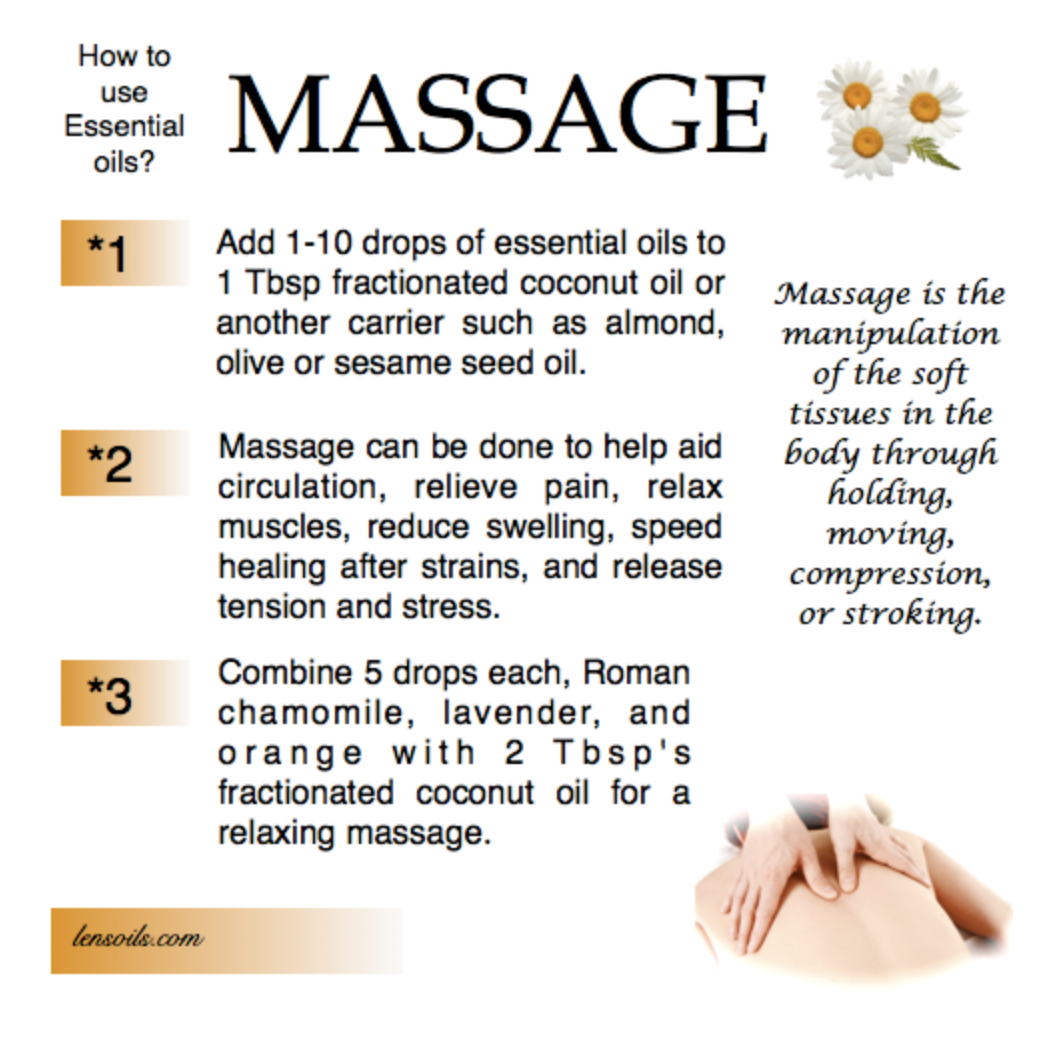
Massage is the manipulation of the body’s soft tissues through techniques such as holding, moving, compressing, or stroking. It can help improve circulation, relieve pain, relax muscles, reduce swelling, speed healing after strains, and release tension and stress. Essential oils can enhance the benefits of massage by adding therapeutic properties and soothing aromas. To use, dilute 1-10 drops of essential oil in 1 tablespoons of a carrier oil such as fractionated coconut, almond, olive, or sesame seed oil to ensure proper application and avoid skin irritation.
For a relaxing massage blend, combine 5 drops each of Roman chamomile, lavender, and orange essential oils with 2 tablespoons of carrier oil. This calming mixture can promote relaxation and ease tension. Massage the blend into the skin using gentle, purposeful strokes to maximize its benefits. Whether used for relaxation or targeted relief, essential oils can make your massage experience even more effective and enjoyable.
Essential oils can provide soothing relief for stings and help reduce discomfort when used correctly. Here’s how you can incorporate them into your care routine:
1. Apply Lavender or Tea Tree Oil Neat
Out of all essential oils, lavender and tea tree can be safely applied directly to the skin (neat). Simply place a drop of either oil on the sting area to help reduce swelling and soothe irritation.
2. Create a Venom-Absorbing Clay Mask
For a deeper detox, use a homemade clay mask to absorb toxins from the sting area. Here’s what you’ll need:
2 tsp bentonite clay
1 tsp activated charcoal powder
2 drops lavender essential oil
2 drops rosemary essential oil
How to use it:
Mix the ingredients with enough water to make a thick paste.
Apply the paste to the sting area.
Allow it to dry for 15 minutes.
Rinse off thoroughly with warm water.
This mask not only draws out toxins but also soothes the skin.
3. Explore the 9 Best Essential Oils for Stings
These oils can be used individually or blended for their calming, antiseptic, and soothing properties:
Roman Chamomile: Calms inflammation and soothes irritation.
Eucalyptus: Reduces swelling and provides cooling relief.
Lavender: Known for its soothing and healing properties.
Melissa: Helps reduce redness and irritation.
Peppermint: Provides a cooling sensation for immediate comfort.
Rosemary: Assists with circulation and detoxification.
Tea Tree: Offers antiseptic and anti-inflammatory benefits.
Thyme: Helps prevent infection.
Vetiver: Soothes the skin and calms irritation.
By using essential oils thoughtfully and safely, you can turn a sting into a moment of care and healing. Learn more about essential oils at lensoils.com.
To enjoy the benefits of essential oils in your bath, start by adding 3–4 drops of gentle oils like lavender, geranium, or Roman chamomile directly to the bathwater. Alternatively, you can mix 5–10 drops of your favorite essential oil with half an ounce of bath or shower gel for a soothing soak. For an extra touch, combine 5–6 drops of essential oil with ¾ cup of Epsom salts, mix thoroughly, and let the salts dissolve as you fill the tub with warm water.
Roman Chamomile is a small plant that stays low to the ground, growing only about a foot tall. It has leaves that are gray-green in color and flowers that look like daisies. Plus, it gives off a scent that’s similar to apples.




 Len's Oils