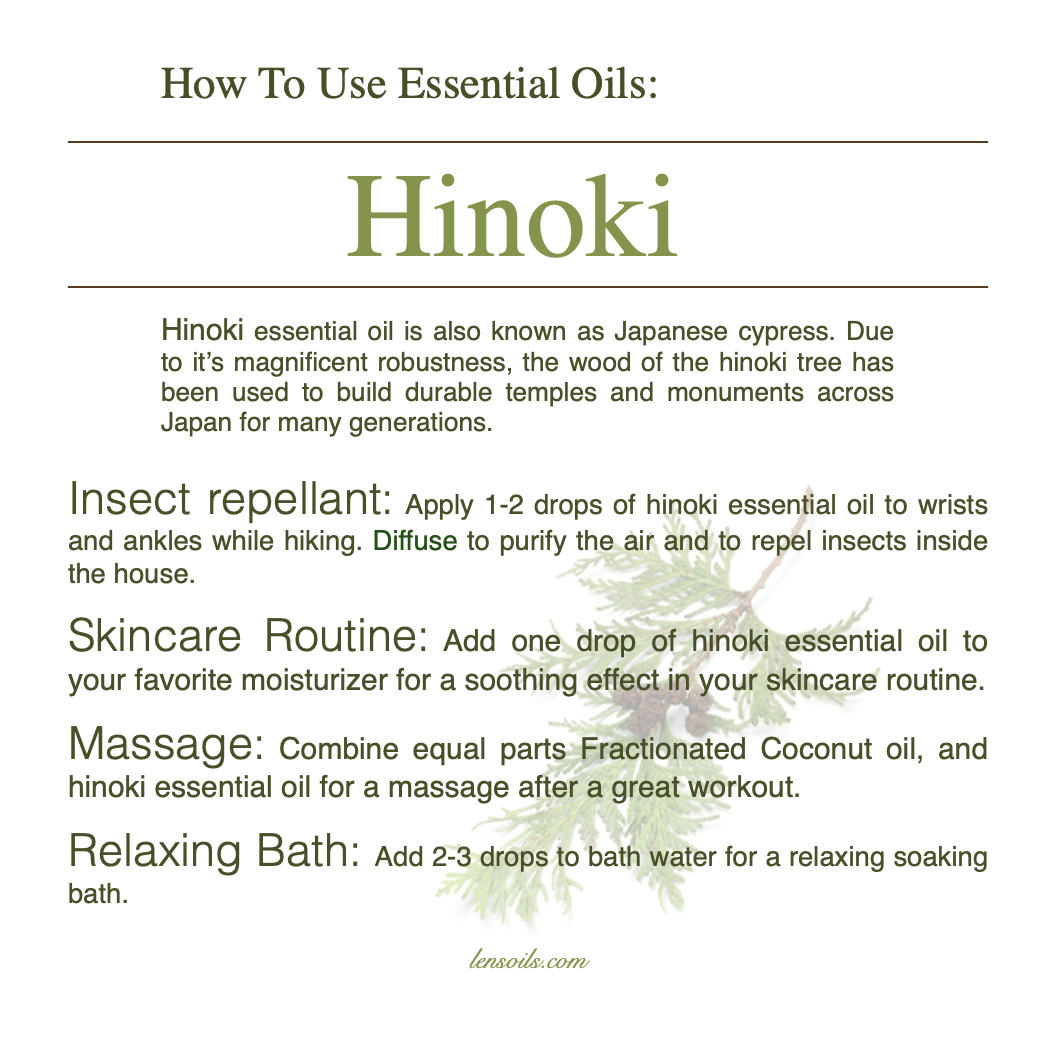
Hinoki essential oil, also known as Japanese cypress, comes from a tree long respected for its strength, calm presence, and natural purity. For centuries, hinoki wood has been used to build temples and sacred spaces throughout Japan, valued for its durability and clean, grounding aroma. The oil carries that same sense of quiet strength. Its fresh, woody scent feels both calming and clarifying, making it a favorite for creating a peaceful atmosphere while gently supporting emotional balance and mental clarity.
In daily use, hinoki essential oil fits easily into both wellness and self-care routines. It can be added to a diffuser to freshen the air and create a relaxing environment, or blended into skincare and massage oils for a soothing, restorative touch. Many people enjoy using hinoki after physical activity or during evening routines, as its aroma helps the body unwind while encouraging a sense of calm, comfort, and steady relaxation.
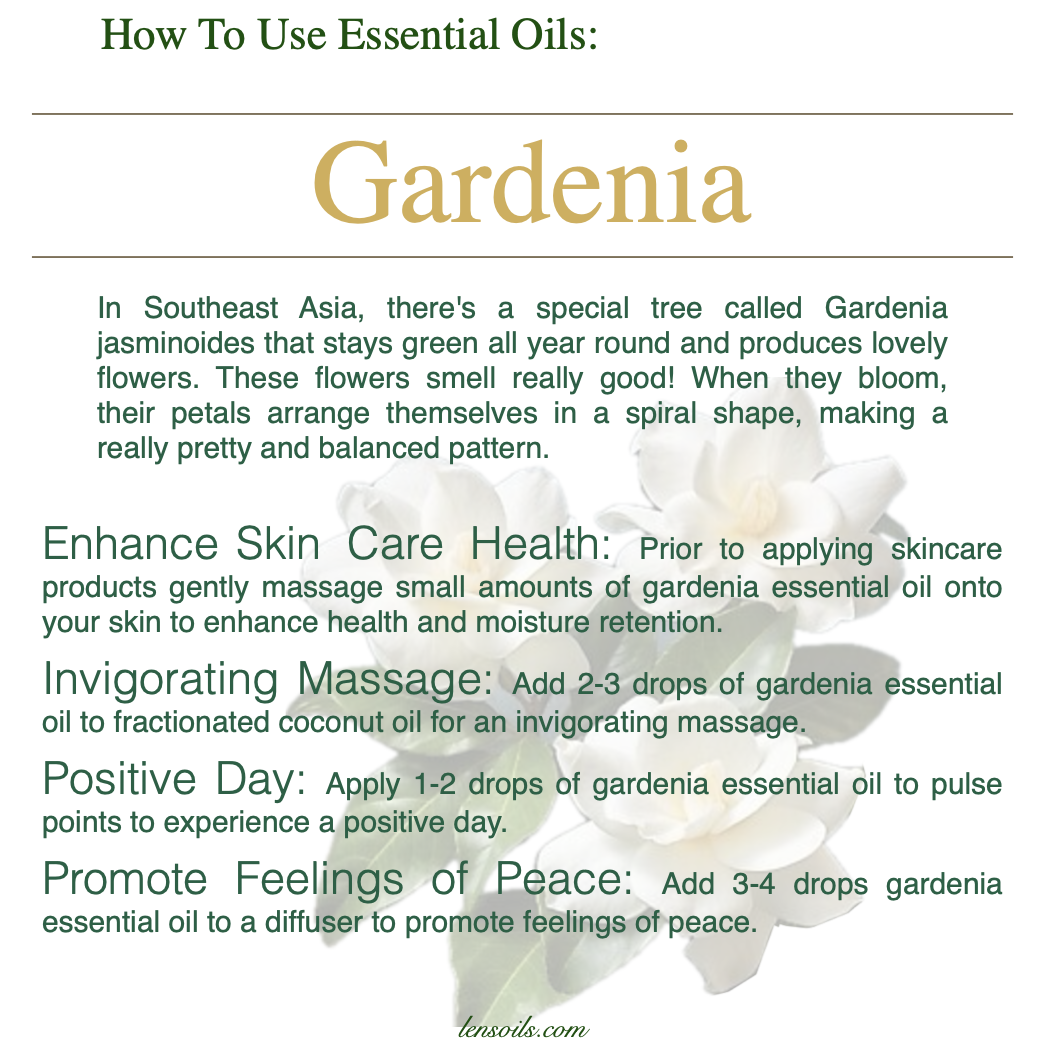
Gardenia essential oil comes from the beautifully fragrant flowers of the Gardenia jasminoides plant, an evergreen shrub native to Southeast Asia. Known for its creamy white blossoms and rich, floral aroma, gardenia has long been associated with balance, beauty, and quiet elegance. When the flowers bloom, their petals form a gentle spiral, a pattern often linked with harmony and calm, which mirrors the emotional effect many people experience when using this oil.
In skincare routines, gardenia essential oil is often used to support a healthy-looking complexion and help the skin feel soft and nourished. Gently massaging a small, well-diluted amount into the skin before applying lotions or serums can enhance moisture retention and leave the skin feeling refreshed. Its luxurious scent also adds a spa-like element to daily self-care, turning an ordinary routine into a calming ritual.
Gardenia essential oil is equally valued for emotional and aromatic use. When blended with a carrier oil for massage, it creates an uplifting and soothing experience that helps the body relax while the mind feels gently energized. Applied to pulse points, its aroma can support a positive, centered mood throughout the day. Diffused into the air, gardenia’s rich floral scent promotes feelings of peace and tranquility, making it a wonderful choice for quiet evenings, meditation, or moments when emotional balance is needed.
Douglas Fir essential oil, distilled from the needles and branches of the towering Pseudotsuga menziesii tree, has a clean, fresh, and slightly lemony pine aroma. Native to North America, Douglas firs are iconic evergreens that can grow over 300 feet tall and live for centuries. In essential oil form, its bright, woodsy fragrance is often used to purify the air, uplift the mood, and bring the refreshing scent of the forest indoors. Diffused, it creates an environment that feels open, crisp, and revitalizing.
Beyond its invigorating scent, Douglas Fir essential oil is valued for its ability to promote clear breathing and emotional balance. It blends well with citrus oils like lemon or bergamot for an energizing aroma, or with grounding oils such as cedarwood to create a calming, forest-like experience. Many people also enjoy using it in natural cleaning sprays or massage blends for its fresh, cleansing qualities. Its combination of brightness and grounding notes makes it one of the most versatile conifer oils in aromatherapy.
Did You Know? The Douglas fir is not a true fir at all—it belongs to its own genus, Pseudotsuga. Despite this, it is one of the most important timber trees in North America, prized for its strength and resilience. Some Douglas firs are believed to be over 1,000 years old, and their massive trunks and towering height have made them symbols of endurance and vitality. Today, Douglas firs are also a favorite choice for Christmas trees because of their soft needles and uplifting scent.
Cypress essential oil, distilled from the branches of the Cupressus sempervirens tree, has a fresh, clean, and slightly woody aroma that reflects its evergreen nature. Native to the Mediterranean, the cypress tree has long been seen as a symbol of strength and resilience, often planted in sacred spaces and near places of remembrance. In essential oil form, its crisp fragrance is valued for promoting vitality and mental clarity. Diffused, it refreshes the air and fosters a sense of balance and calm.
Beyond its aromatic qualities, cypress essential oil is commonly used in massage and wellness practices to support circulation and ease occasional tension. It blends well with citrus oils like lemon or grapefruit for an invigorating atmosphere, or with floral oils like lavender for a more grounding effect. Its purifying aroma also makes it a useful addition to natural deodorants, cleansers, and sprays, where it brings a feeling of freshness and renewal.
Did You Know? Cypress trees are incredibly long-lived, with some species able to thrive for over a thousand years. In ancient cultures, the tree symbolized eternal life, and its durable wood was used to craft statues and sacred objects. Today, tall rows of cypress trees remain an iconic feature of Mediterranean landscapes, serving as both natural windbreaks and enduring reminders of stability through the ages.
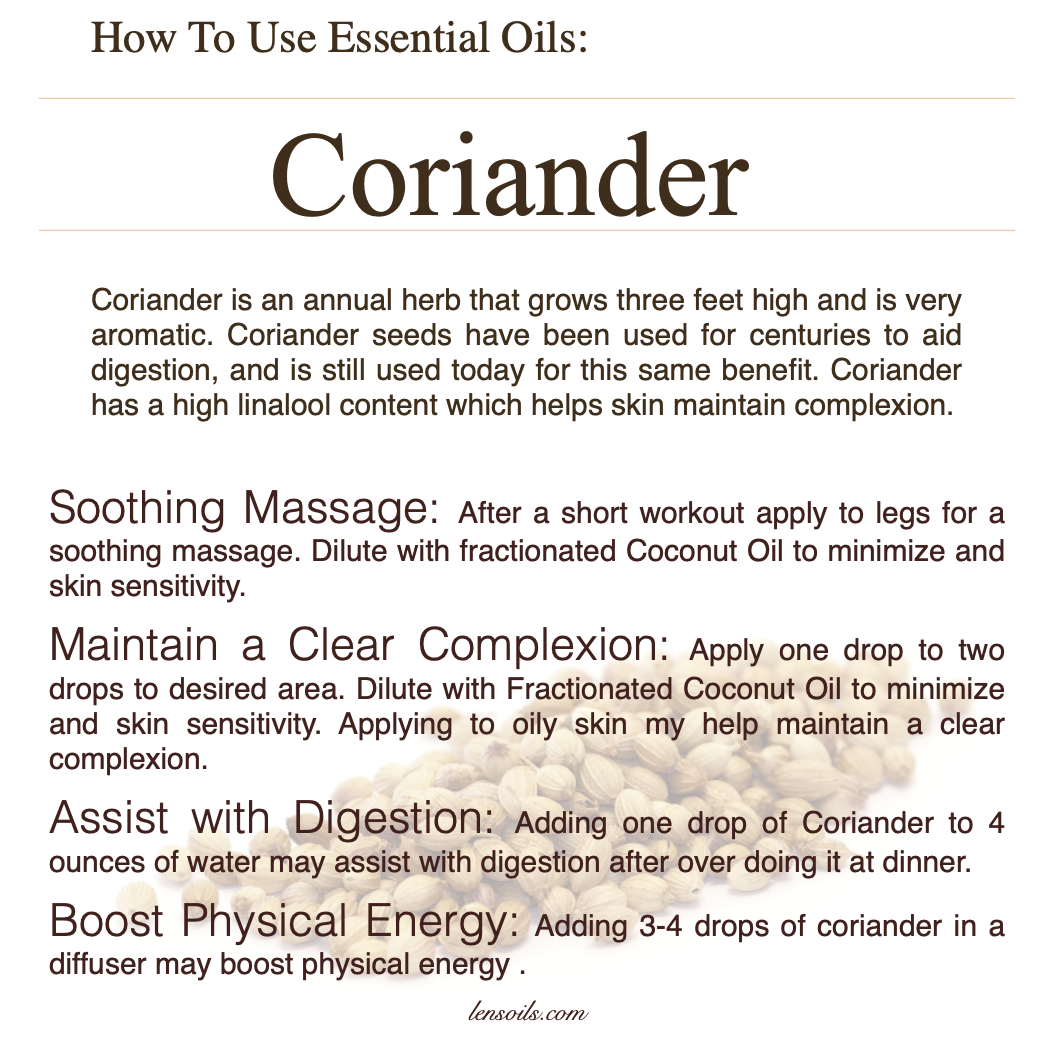
Coriander essential oil, distilled from the seeds of the Coriandrum sativum plant, has a warm, spicy, and slightly sweet aroma that differs from the fresher scent of cilantro, which comes from the leaves of the same plant. Used for centuries in both cooking and traditional wellness practices, coriander seed oil is prized for its ability to support digestion and ease occasional discomfort. Diffused, its soft and inviting fragrance can create a calming and centered atmosphere, making it a popular choice in blends that relax both the body and mind.
Beyond its aromatic qualities, coriander essential oil is often used to promote balance and tranquility. It pairs beautifully with citrus oils such as bergamot or spice oils like cardamom, creating uplifting diffuser combinations. When properly diluted, it can also be added to massage blends to comfort tired muscles and joints. With its warm yet gentle character, coriander seed oil bridges the worlds of spice and wellness, offering a versatile option for both home and self-care.
Did You Know? Coriander seeds have been discovered in ancient Egyptian tombs, showing their value as far back as 1500 B.C. The seeds were not only used in food and medicine but also in rituals and offerings. Coriander is even mentioned in the Bible—in Exodus 16:31, manna is described as being “like coriander seed.” More recently, coriander has been grown aboard the International Space Station as part of plant studies, making it one of the few herbs to journey beyond Earth.
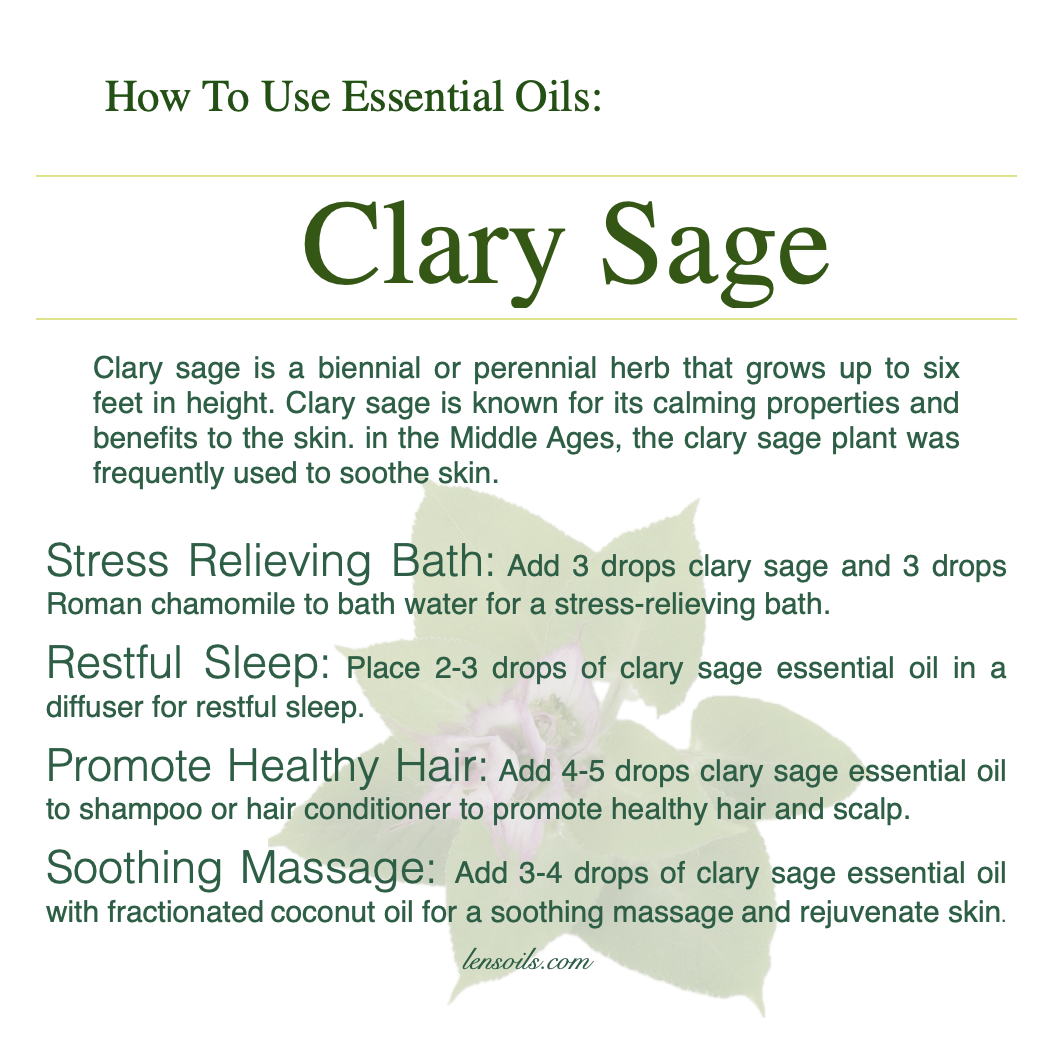
Clary sage (Salvia sclarea) is a biennial or perennial herb that can grow up to six feet tall and is widely recognized for its calming properties and benefits to the skin. Historically, clary sage was frequently used in the Middle Ages to help soothe skin irritations and promote overall wellness. The essential oil, distilled from the plant’s flowering tops and leaves, has a distinct herbal, earthy aroma that has made it a valuable ingredient in aromatherapy and natural skincare. Adding 3 drops of clary sage and 3 drops of Roman chamomile to bath water is a common practice for creating a relaxing, stress-relieving soak. Similarly, diffusing 2-3 drops of clary sage essential oil is widely believed to support restful sleep and relaxation. While anecdotal evidence supports these benefits, more scientific studies are needed to fully confirm its effectiveness in improving sleep quality.
Clary sage essential oil is also commonly used in hair and scalp care. Many people add 4-5 drops of clary sage essential oil to shampoo or conditioner to help promote a healthy scalp and strong hair. The oil contains linalyl acetate, a compound known for its soothing and balancing properties, which may help reduce scalp irritation and improve overall hair appearance. Additionally, clary sage essential oil is used in massage therapy, with 3-4 drops blended into fractionated coconut oil to create a soothing massage blend that helps relax muscles and rejuvenate the skin. Although these applications are widely practiced, further research is needed to determine the long-term benefits of clary sage essential oil on scalp health and hair growth.
Beyond stress relief and hair care, clary sage is being explored for its potential hormonal-balancing properties. Some studies suggest that its compounds may help support relaxation during menstrual cycles and contribute to a greater sense of emotional well-being. Many aromatherapists recommend diffusing clary sage oil or applying it diluted to the lower abdomen for potential menstrual support, though more clinical research is necessary to confirm its direct effects on hormonal balance. Despite these uncertainties, clary sage essential oil remains a popular and versatile natural remedy, valued for its calming, skin-soothing, and aromatic benefits in holistic wellness practices.
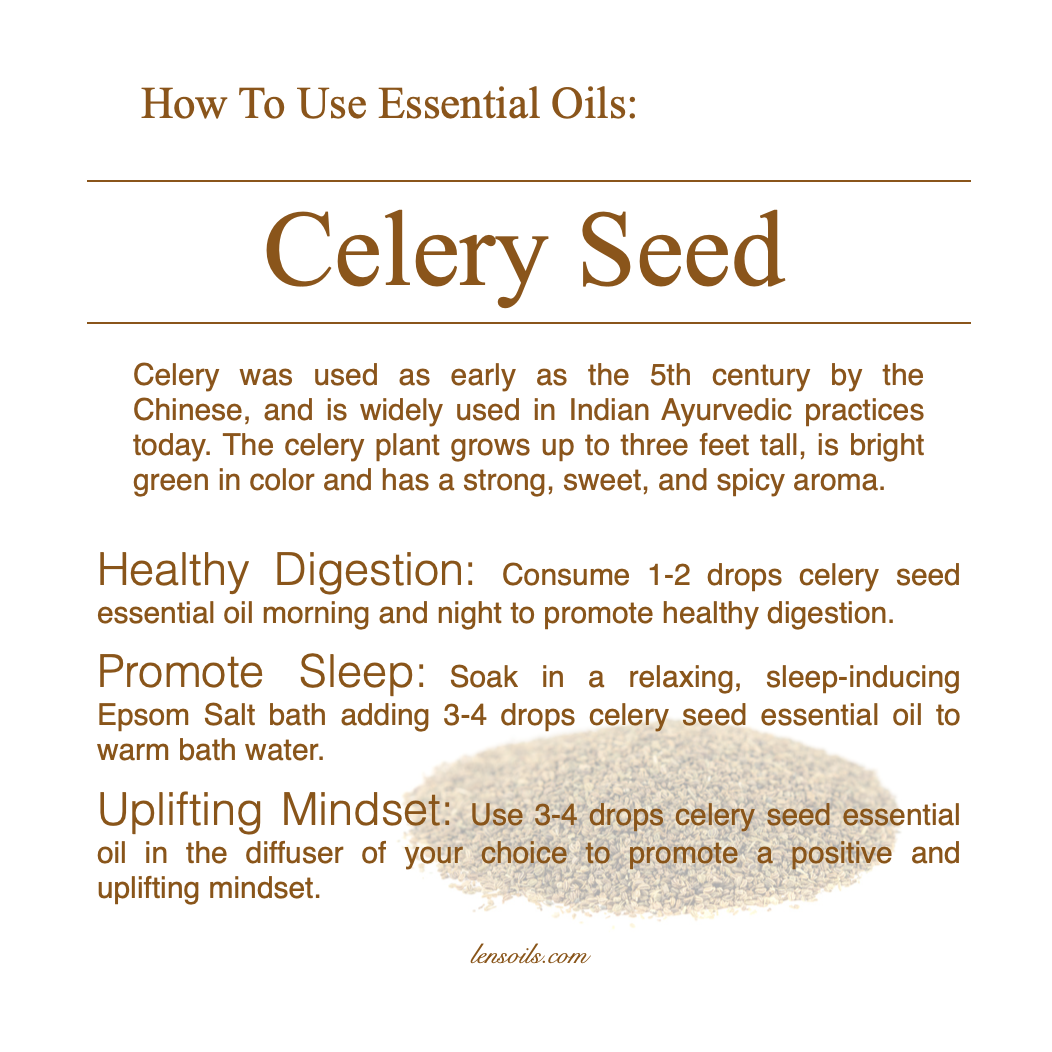
Celery (Apium graveolens) has been cultivated for centuries, with early records of its use dating back to the 5th century in Chinese medicine. It has also played a significant role in Indian Ayurvedic practices, where it is valued for its purported benefits in digestion, circulation, and overall wellness. The celery plant grows up to three feet tall, featuring bright green stalks and leaves with a strong, sweet, and spicy aroma. Celery seed essential oil, derived from the plant’s seeds, has been traditionally used to support healthy digestion. Many practitioners recommend consuming 1-2 drops of celery seed essential oil morning and night to help promote digestive balance. While historical use and anecdotal evidence support this claim, further scientific studies are needed to confirm its direct impact on digestive enzymes and gut health.
Celery seed essential oil is also commonly used in aromatherapy and relaxation techniques. Adding 3-4 drops to a warm bath with Epsom salt is believed to promote relaxation and support restful sleep. Its mild sedative effects are often attributed to phthalates, a natural compound in celery seeds, which may help with nervous tension and stress reduction. Additionally, diffusing 3-4 drops of celery seed essential oil can help create a positive and uplifting mindset, making it a favored choice for stress relief and emotional balance. While aromatherapy practitioners support these benefits, scientific research on celery seed oil’s specific effects on sleep induction and emotional well-being is still ongoing.
Beyond digestion and relaxation, celery seed essential oil is being explored for its potential role in supporting joint and muscle health. Some herbalists believe that the oil’s natural anti-inflammatory properties may help ease occasional discomfort, making it a potential addition to massage oils and topical applications. However, while celery seed extract has been studied for its antioxidant and anti-inflammatory effects, more research is needed to determine the efficacy of celery seed essential oil in pain relief and long-term musculoskeletal support. Despite these uncertainties, celery seed essential oil remains a versatile and valuable natural remedy, widely used for aromatherapy, digestive wellness, and relaxation practices.
For centuries, a tiny, dried bud held secrets far greater than its size suggested. Its deep, rich aroma was unmistakable—bold, warm, and slightly sweet. It had a way of lingering in the air, filling kitchens, apothecaries, and even the chambers of royalty. Some knew it as a key ingredient in their favorite confections, while others used it for far more than just taste.
Its value was once so great that wars were fought over it. Traders risked treacherous ocean voyages to secure it, knowing that those who controlled its supply controlled power. This little bud, often found in spice racks today, was once worth its weight in gold. It was cultivated in lands far from Europe, where the soil and climate allowed it to flourish. When crushed, it released an oil so potent that it became a prized remedy in medicine, dentistry, and even perfumery.
Its benefits extended beyond the kitchen. Healers discovered that it possessed remarkable properties—it could soothe a troubled stomach, ease aching muscles, and even help cleanse wounds. Over time, doctors found a particularly important use for it in dental care, where it provided relief from the agony of toothaches. It became a common ingredient in oral preparations, earning a reputation not just for freshening breath but for supporting overall health.
As trade routes expanded, so did knowledge of this remarkable spice. Apothecaries recommended it for digestion, cooks infused it into desserts, and even sailors carried it on long voyages, believing it helped preserve health during months at sea. Some even mixed a drop of its oil into coconut oil for a warming massage that brought relief to aching joints. Its versatility was astounding—whether in food, medicine, or self-care, it remained a cherished commodity.
But one man in particular changed how the world viewed this spice. Dr. Joseph Lawrence, a chemist in the 19th century, understood its potential beyond the kitchen. Inspired by its cleansing properties, he included its oil in the formula for a now-famous antiseptic mouthwash, ensuring that its legacy as a powerful health aid would endure. Thanks to his work, millions of people unknowingly benefit from its properties every day.
Even today, its uses continue to grow. A single drop of its essential oil added to toothpaste can help clean teeth and gums. Mixed into a capsule, it supports cardiovascular health. Infused into warm desserts, it enhances both aroma and well-being. It has even been used to flavor gum, leaving a distinctive tingle long after the last chew. Though it was once hoarded and fought over, it is now a household staple, readily available to those who seek its benefits.
It is a spice, a medicine, a healer, and a warrior in the fight against inflammation. It is found in everything from traditional remedies to modern health trends, proving that the wisdom of the past often holds the key to the future. Few people know just how many ways this tiny dried bud has shaped history, but its impact is undeniable.
The spice that transformed dental care, enhanced cuisine, and fueled trade for centuries? Clove. This small but mighty bud has healed wounds, calmed nerves, and added warmth to both food and medicine. It continues to be used in natural wellness, offering relief, protection, and comfort to those who embrace its power. Whether in a steaming cup of tea, a soothing massage oil, or a trusted bottle of mouthwash, it remains one of nature’s most remarkable gifts. And now, you know the rest of the story.
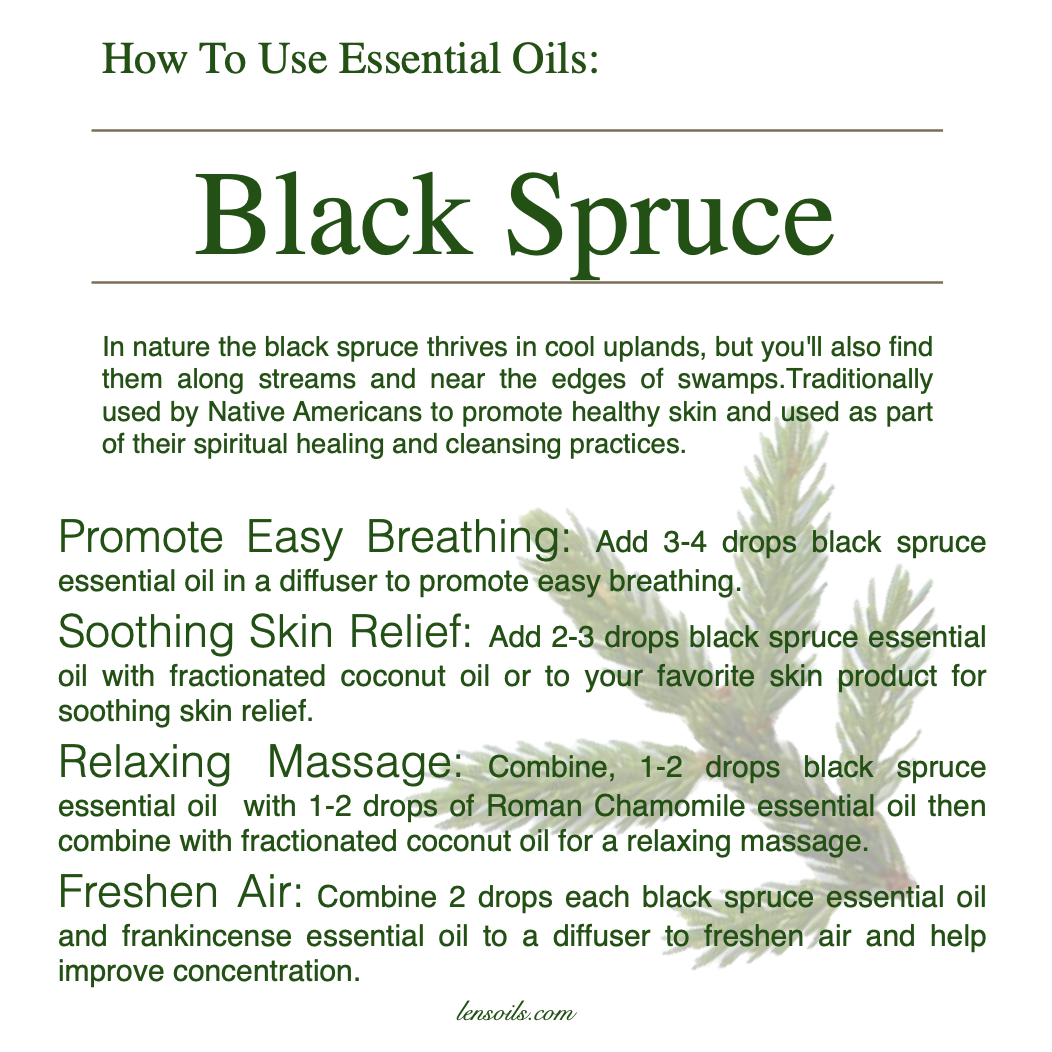
Black spruce is a hardy evergreen that thrives in cool uplands, along streams, and at the edges of swamps. Traditionally, Native Americans used black spruce for its skin-nourishing properties and incorporated it into spiritual healing and cleansing rituals. Its wood and needles were often boiled to create tonics or steam baths, believed to promote overall well-being. The fresh, grounding scent of black spruce essential oil has made it a valuable tool for both physical and emotional healing, with its use continuing in modern herbal and aromatherapy practices.
In modern use, black spruce essential oil is widely recognized for its ability to support respiratory health. Diffusing 3-4 drops can help promote easy breathing, making it useful for seasonal changes or congestion. It is also beneficial for skincare—when blended with fractionated coconut oil or added to a favorite skin product, it provides soothing relief for dryness and irritation. Black spruce is also an excellent oil for relaxation; combining 1-2 drops with Roman Chamomile essential oil and a carrier oil makes for a calming massage blend that can ease tension and promote rest. Additionally, when paired with frankincense in a diffuser, black spruce helps freshen the air and improve concentration, making it a popular choice for both home and workplace environments.
Among these uses, black spruce essential oil is gaining attention for its potential role in supporting adrenal health and reducing stress-related fatigue. The oil contains bornyl acetate, a compound known for its calming effects, which mayhelp reduce feelings of burnout and support the body’s natural stress response. While many aromatherapy practitioners advocate for its benefits in stress relief, scientific studies on black spruce specifically for adrenal support remain limited. However, its grounding properties make it a widely used oil for promoting emotional balance. Whether for skincare, respiratory support, or relaxation, black spruce essential oil remains a versatile and grounding choice in natural wellness, though further research may provide deeper insights into its full range of benefits.
Bergamot is the most delicate of the citrus plants, requiring a unique combination of climate and soil to thrive. Known for its uplifting and calming properties, bergamot has been used by Italians for centuries to help reduce feelings of stress and promote overall well-being. It is a popular choice for aromatherapy, often diffused in classrooms, workplaces, or homes when tension runs high. Just a few drops in a diffuser can create a soothing environment that fosters relaxation and mental clarity.
Beyond its effects on mood, bergamot essential oil is highly valued for its skin-purifying benefits. When applied during a shower, it not only provides a calming aroma but also supports clear, healthy skin. Mixing bergamot oil into a DIY facial cleanser enhances its cleansing properties, helping to refresh and rejuvenate the complexion. It can also be used in a relaxing nighttime routine by applying a few drops to the bottom of the feet or blending it with fractionated coconut oil for a soothing massage before bed.
In addition to its well-known stress-relieving and skincare benefits, bergamot has been studied for its potential impact on digestion and appetite regulation. Some research suggests that bergamot essential oil may help support healthy metabolic function when taken internally in small, appropriate amounts. Its ability to balance emotions, improve skin health, and potentially aid digestion makes bergamot an incredibly versatile essential oil with a long history of use in both traditional and modern wellness practices.




 Len's Oils