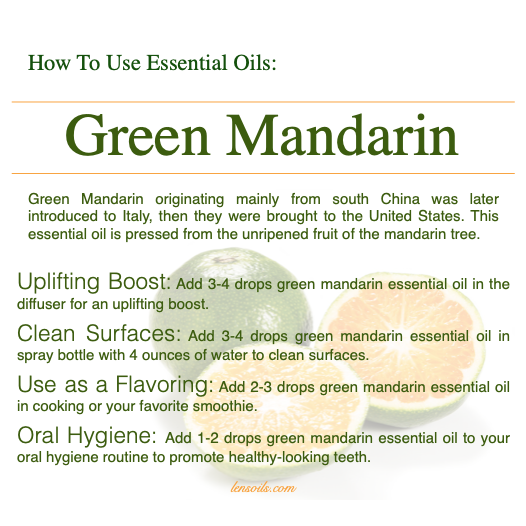
Green Mandarin essential oil is cold-pressed from the unripened fruit of the mandarin tree and has a fresh, slightly sweet citrus aroma that feels bright and cheerful. Originating in southern China, the mandarin tree later made its way to Italy and eventually to the United States, where it became valued for its gentle yet uplifting qualities. Diffusing three to four drops can provide an instant mood boost, helping create an environment that feels light, positive, and energized.
Beyond aromatherapy, Green Mandarin is a versatile oil for everyday use. Its naturally fresh scent makes it a pleasant addition to homemade surface cleaners when added to water in a spray bottle. The oil’s mild citrus flavor also works well in cooking or smoothies, adding a refreshing note to both sweet and savory recipes. Additionally, a drop or two can be incorporated into an oral hygiene routine to support healthy-looking teeth, making Green Mandarin a bright and practical oil for both wellness and home care.
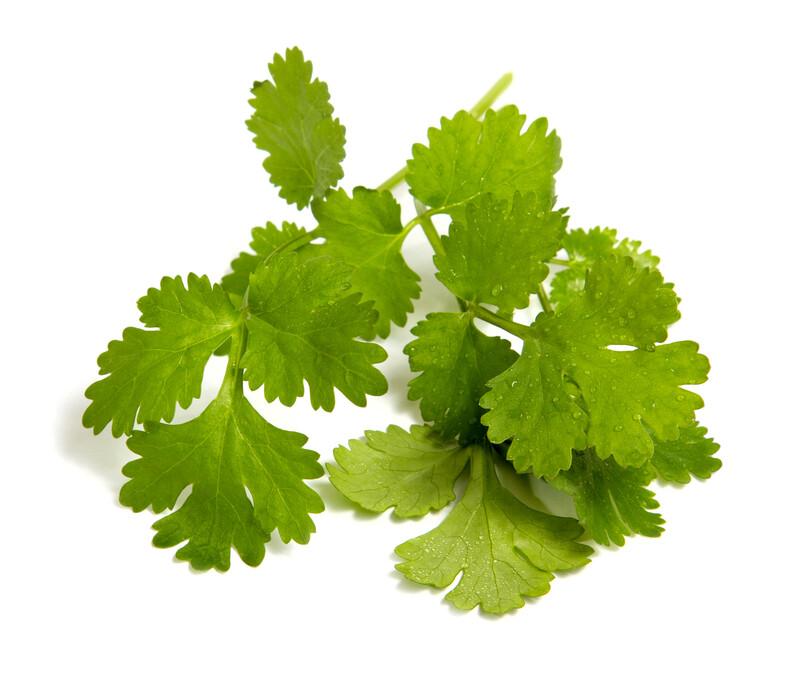
Cilantro carries wisdom from kitchens long ago, A green, bright note that helps the body flow. It settles the stomach, clears what weighs you down, A quiet cleanser wearing nature’s crown.
A single drop, a toothpick’s gentle trace, Turns simple meals into a brighter place. Too much can shout, but just a hint will sing, Small touches do a powerful thing.
After a feast that lingered just too long, Cilantro steps in, calm and strong. Mixed with water, steady and light, It helps digestion find its rhythm right.
Tucked in a veggie cap, simple and clean, It supports release, restores the in-between. Letting the body gently let go, Of what it carried longer than it should know.
In the diffuser, fresh and green, Paired with lime, crisp and keen. An herbal breeze fills open air, Clearing the mind with mindful care.
Cilantro reminds us, soft but true, That healing often comes in what we chew. Ancient, humble, quietly wise, A leafy ally in fragrant disguise.
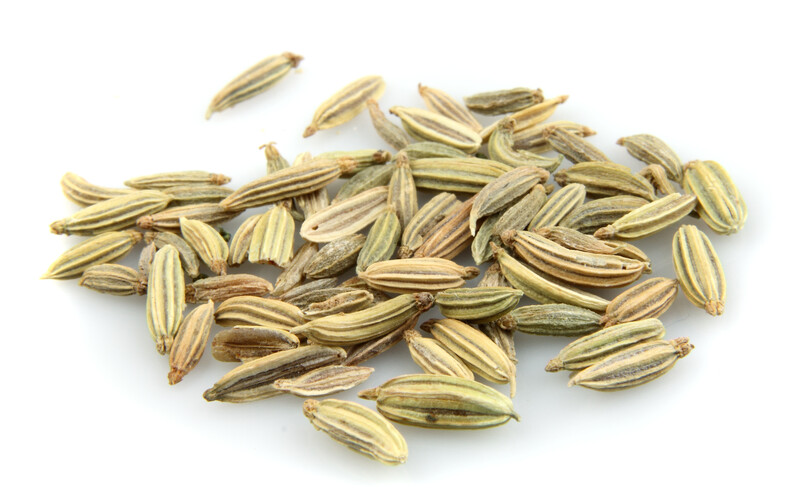
It began in sun-drenched fields, where soft feathery stalks swayed in the breeze and the air smelled faintly of licorice and earth. Long before maps had borders and names, this plant grew wild along the shores of the Mediterranean. Ancient hands didn’t call it medicine or spice—they just knew that chewing a few seeds settled the stomach and brightened the senses. The knowledge didn’t come from books. It came from experience.
Through wars and winters, the plant remained. Roman soldiers chewed its seeds for courage. Midwives in medieval villages gave it to new mothers for strength. In some places, it was hung over doorways to ward off unwelcome spirits. In others, it was ground into food to flavor feasts and help with digestion after. It became a plant of the people, simple, strong, enduring and always nearby.
As centuries turned, apothecaries and herbalists began boiling the seeds, pressing the oils, and steeping the leaves. And when modern distillation arrived, something even more concentrated emerged. The scent was sweet but strong—like anise and black licorice, with something warm beneath. People began to use it for clarity, for confidence, for calming unsettled thoughts. No one needed permission. They just liked how it made them feel.
Today, the steam distillers run quietly in rural hillsides where the tradition is still alive. The seeds are collected when they’re rich in oil, their pale green shells holding a powerful secret. In small villages, farmers still know which rows produce the boldest flavor, and which seasons yield the brightest scent. And companies like doTERRA have chosen to partner with these growers—preserving not just the oil, but the hands and heritage behind it.
That light-green plant, with feathery leaves and tiny seeds that shimmer in the sun, has flavored food, soothed spirits, and sharpened minds for thousands of years. It was trusted by mothers, soldiers, and healers alike. Its name? That came later—borrowed from Latin, carried across languages, and eventually distilled into something more than a spice. This is Fennel. Now you know the rest of the story.
Dill essential oil, distilled from the seeds or the whole herb of the Anethum graveolens plant, carries a fresh, sweet, and herbaceous aroma. Native to the Mediterranean and western Asia, dill has been used for thousands of years in both cooking and traditional wellness practices. Its essential oil is often valued for digestive support, helping to ease occasional discomfort and promote a sense of balance after meals. Diffused, its gentle aroma provides a clean, uplifting atmosphere that encourages relaxation and calm.
Beyond its culinary and digestive benefits, dill essential oil has been used to support feelings of focus and clarity. Blended with citrus oils like lemon or lime, it takes on a brighter, more refreshing quality, while pairing it with floral oils like lavender can create a soothing, comforting diffuser blend. In topical blends, dill is sometimes used in massage oils or diluted in carrier oils to promote a sense of ease and overall wellness. Its fresh, herbal fragrance makes it versatile in both household and personal care routines.
Did You Know? Dill has been prized since ancient times—records show it was used by the Egyptians around 1500 B.C. as both a medicinal herb and a food seasoning. In ancient Greece and Rome, dill was considered a symbol of wealth and was often used to crown heroes and decorate banquet tables. Even the word dill comes from the Old Norse “dylla,” meaning “to soothe.” Old Norse was the language of the Vikings, spoken from the 8th to the 14th century, and is the ancestor of modern Scandinavian languages as well as the source of many words in English.
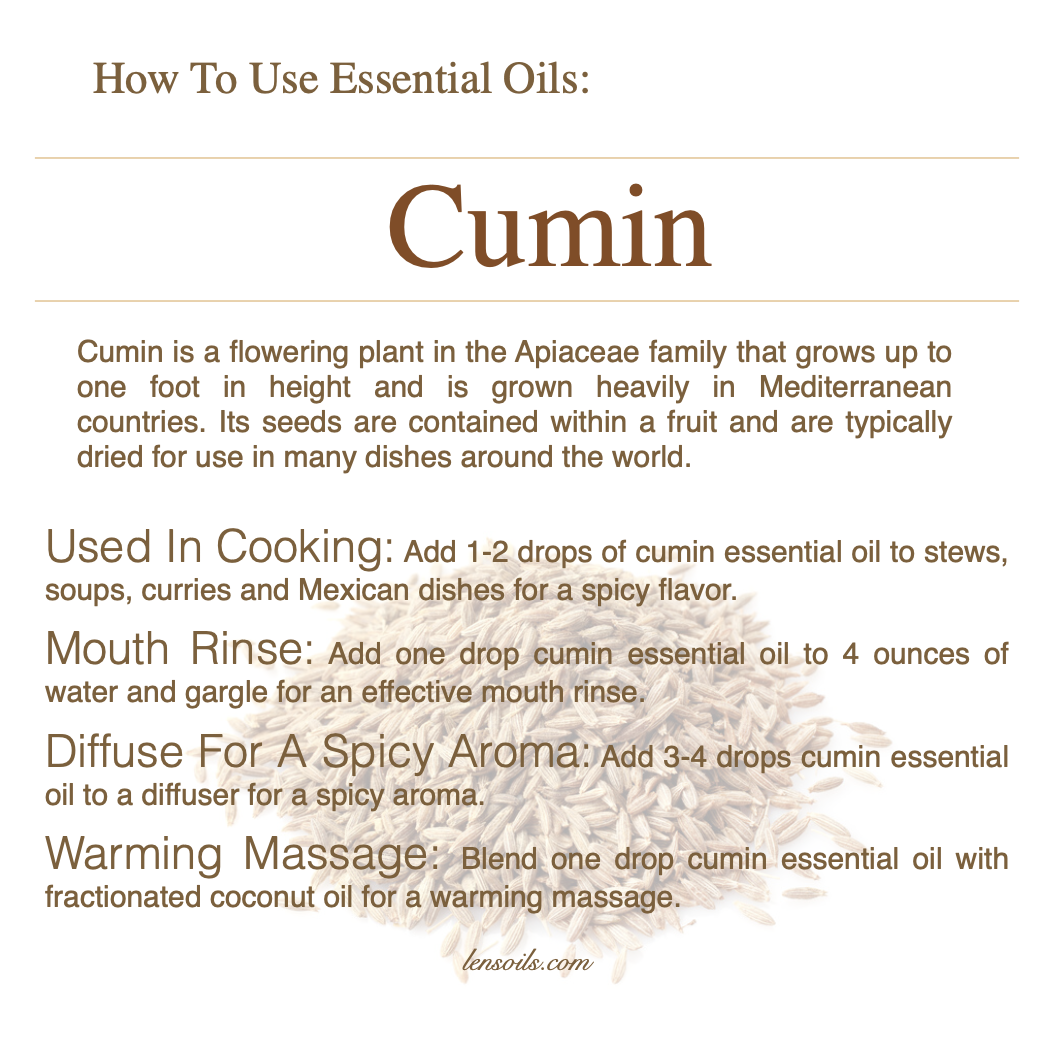
Cumin essential oil, distilled from the seeds of the Cuminum cyminum plant, carries a warm, spicy, and slightly earthy aroma that has been valued for thousands of years. Native to the Mediterranean and parts of the Middle East, cumin has been used both as a culinary spice and a traditional remedy. In essential oil form, it is often appreciated for its digestive support and its ability to bring depth and richness to blends. Diffused in small amounts, cumin’s strong scent can create a grounding and comforting atmosphere.
Beyond its culinary heritage, cumin essential oil is sometimes used to help promote relaxation after heavy meals or to ease occasional feelings of tension. When blended with citrus oils such as orange or lemon, it takes on a brighter, more refreshing quality, balancing its deep, spicy base. Properly diluted, cumin oil may also be added to massage blends to help comfort muscles and joints, though its potency means it is used sparingly. Its distinct aroma makes it a bold addition to both diffuser recipes and wellness routines.
Did You Know? Cumin seeds have been discovered in ancient Egyptian pyramids, showing they were treasured as far back as 2000 B.C. The seeds were used in cooking, medicine, and even as part of the mummification process. Cumin is also mentioned in the Bible—in Isaiah 28:25–27, it is noted as one of the spices carefully sown and harvested by farmers. Today, India produces the majority of the world’s cumin, highlighting its continued importance in both global cuisine and cultural traditions.
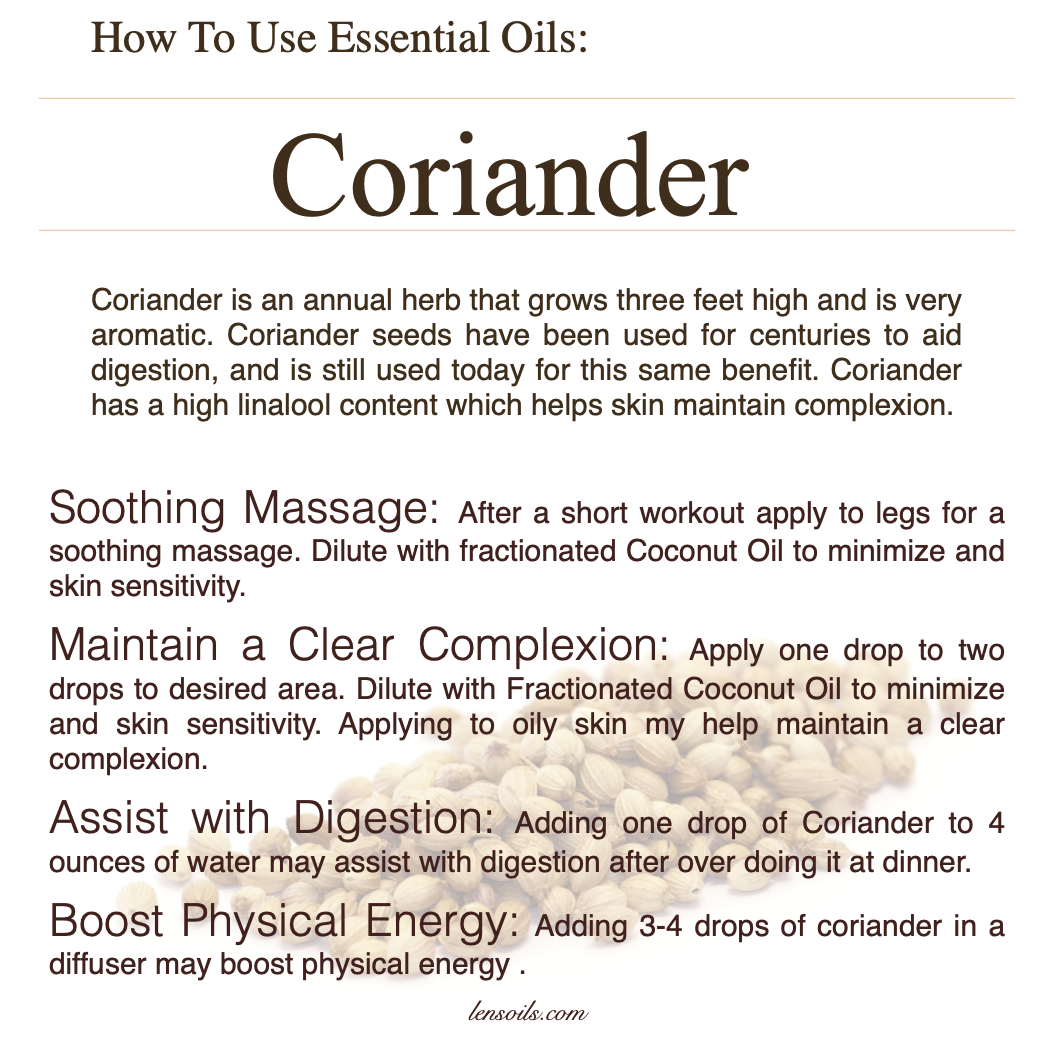
Coriander essential oil, distilled from the seeds of the Coriandrum sativum plant, has a warm, spicy, and slightly sweet aroma that differs from the fresher scent of cilantro, which comes from the leaves of the same plant. Used for centuries in both cooking and traditional wellness practices, coriander seed oil is prized for its ability to support digestion and ease occasional discomfort. Diffused, its soft and inviting fragrance can create a calming and centered atmosphere, making it a popular choice in blends that relax both the body and mind.
Beyond its aromatic qualities, coriander essential oil is often used to promote balance and tranquility. It pairs beautifully with citrus oils such as bergamot or spice oils like cardamom, creating uplifting diffuser combinations. When properly diluted, it can also be added to massage blends to comfort tired muscles and joints. With its warm yet gentle character, coriander seed oil bridges the worlds of spice and wellness, offering a versatile option for both home and self-care.
Did You Know? Coriander seeds have been discovered in ancient Egyptian tombs, showing their value as far back as 1500 B.C. The seeds were not only used in food and medicine but also in rituals and offerings. Coriander is even mentioned in the Bible—in Exodus 16:31, manna is described as being “like coriander seed.” More recently, coriander has been grown aboard the International Space Station as part of plant studies, making it one of the few herbs to journey beyond Earth.
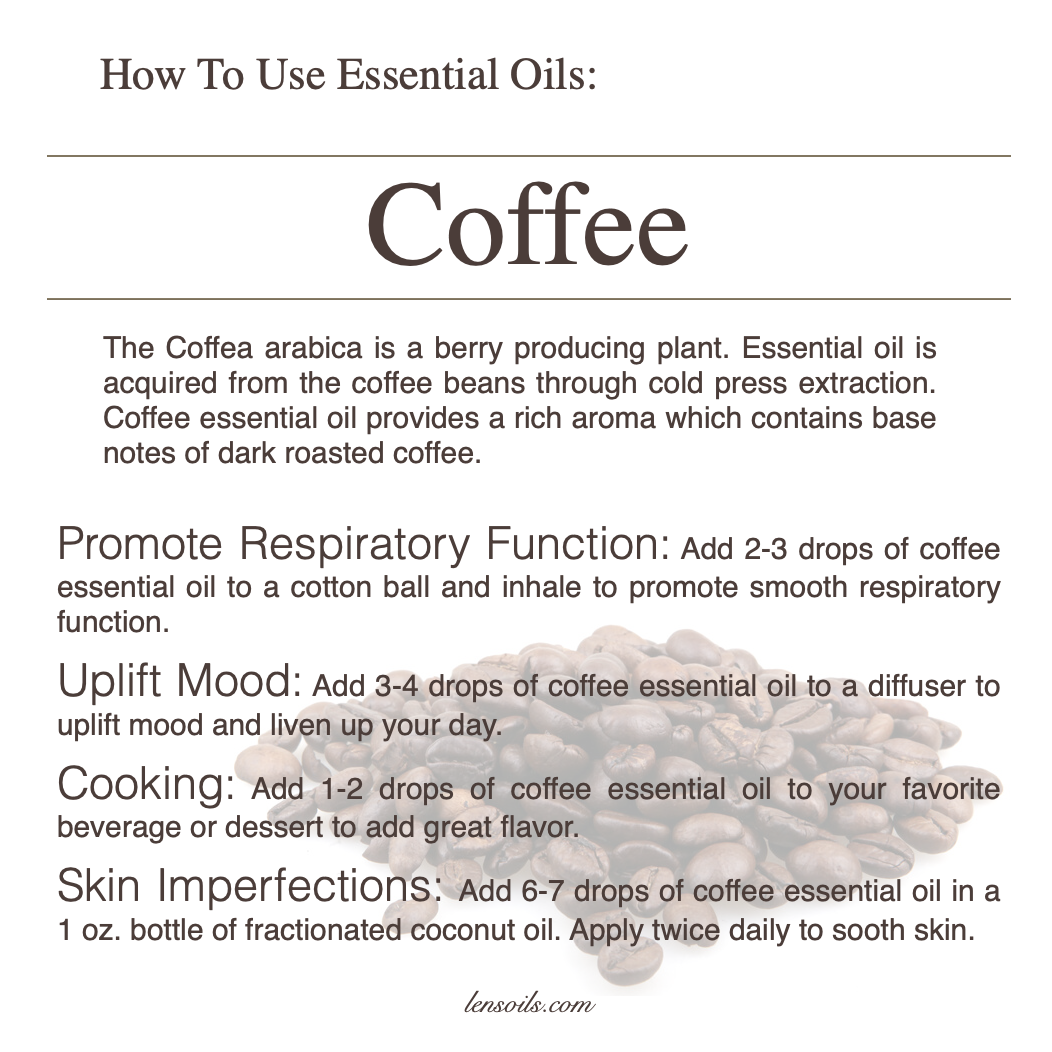
Coffee essential oil, cold-pressed from roasted coffee beans, is known for its bold, roasted aroma that instantly awakens the senses. Just like a freshly brewed cup, this oil carries a warm, rich scent that can energize and uplift the mood. Diffused, it creates a cozy environment perfect for mornings, study sessions, or creative work. Its aroma has been linked to feelings of alertness and comfort, making it a unique addition to diffuser blends.
In addition to its energizing fragrance, coffee essential oil contains antioxidants that can support healthy-looking skin when used in diluted topical blends. Some people use it in massage oils or body scrubs for its invigorating effect on both skin and spirit. Paired with vanilla, cocoa, or spice oils like cinnamon, coffee essential oil adds depth and richness to blends for both personal care and home fragrance.
Did You Know? Coffee is one of the most traded commodities in the world, second only to crude oil. While most people enjoy it as a beverage, coffee essential oil is a relatively new addition to aromatherapy, prized for its ability to capture the comforting scent of coffee in a concentrated form without caffeine.
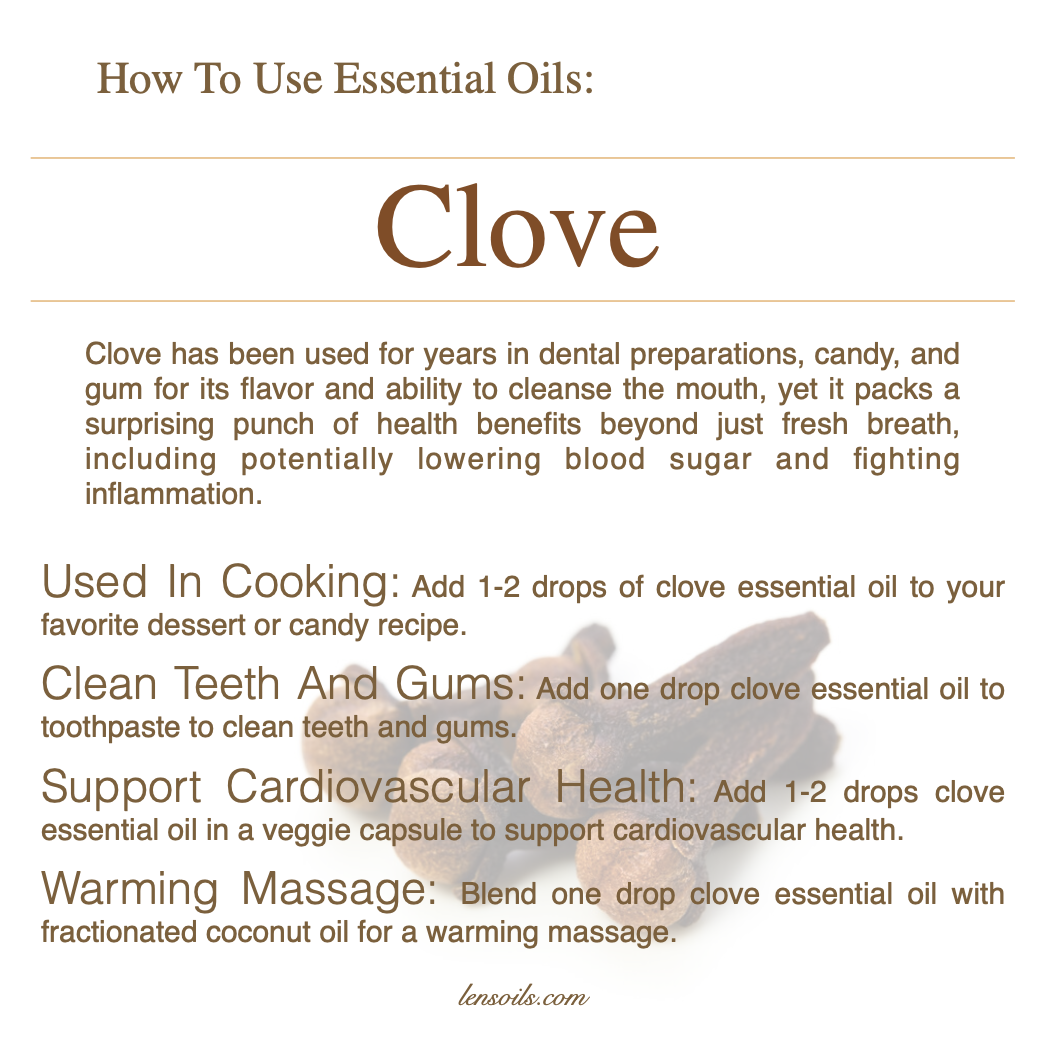
Clove essential oil, distilled from the dried flower buds of the clove tree, is instantly recognizable for its warm, spicy, and slightly sweet aroma. Native to the Maluku Islands of Indonesia, clove has been treasured for centuries as both a culinary spice and a traditional remedy. In essential oil form, it is often used to freshen the air, uplift the mood, and provide a comforting, cozy atmosphere when diffused. Its bold fragrance makes it a favorite in seasonal blends, especially during autumn and winter.
Beyond its inviting scent, clove oil is known for its high eugenol content, a compound with notable cleansing and soothing properties. It has long been used in oral care products, such as toothpastes and mouthwashes, to support fresh breath and maintain oral health. Around the home, clove oil can be added in small amounts to natural cleaning solutions for its purifying effect. When used with care and proper dilution, it serves as both a practical and aromatic addition to wellness routines.
Did You Know? During the spice trade era, cloves were so highly prized that entire wars were fought over control of their production and trade routes. In fact, European demand for cloves and other spices helped drive the Age of Exploration. Today, the world’s largest producers of cloves are still in Southeast Asia, with Madagascar and Tanzania also contributing significantly to global supply. The oil’s enduring value comes not only from its unique flavor and aroma but also from its wide-ranging applications in health and home.
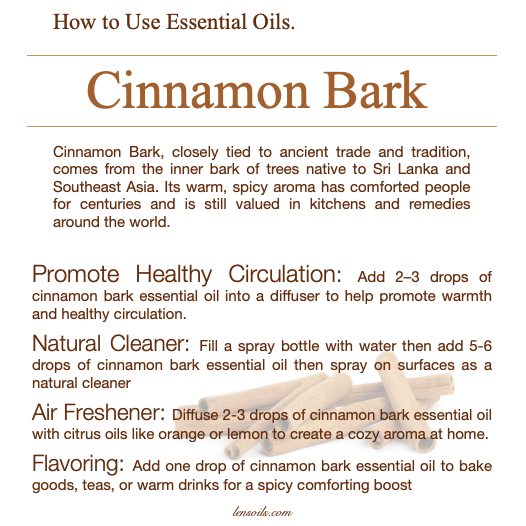
Cinnamon Bark essential oil, distilled from the inner bark of the cinnamon tree, is treasured for its rich, spicy aroma that evokes warmth and comfort. Native to Sri Lanka and parts of Southeast Asia, cinnamon has been valued for thousands of years in trade, medicine, and ritual. Its essential oil carries strong cleansing properties, making it popular in natural home sprays and cleaners. Diffused, its bold scent creates a cozy, welcoming atmosphere that can support a sense of energy and alertness.
Beyond its household uses, cinnamon bark oil has been studied for its powerful antimicrobial qualities, which are linked to its high cinnamaldehyde content. This makes it a favorite in DIY blends for supporting a healthy environment, especially during seasonal changes. A drop is sometimes used in recipes like spiced teas or baked goods for an extra kick of flavor, though it must be used sparingly because of its strength. In aromatherapy, its stimulating aroma can help awaken the senses and lift feelings of fatigue.
Did You Know? Cinnamon was once so prized that it was considered more valuable than gold in ancient trade. Arab traders kept its true source a secret for centuries, weaving myths that it was gathered from nests of giant birds to protect its rarity. Today, the “true” cinnamon most associated with high quality comes from Cinnamomum verum of Sri Lanka, while other species like Cinnamomum cassia are more widely available but have slightly different chemical compositions.
In an unlikely place—a quiet orphanage garden in North Africa—a new kind of citrus fruit was discovered. Among the familiar trees, one bore small, vibrant orange fruit with an unusually thin peel. Unlike other citrus, it was easy to open, bursting with sweetness, and often seedless. The children at the orphanage were the first to enjoy its refreshing juice and effortless peeling. Soon, word spread beyond the orphanage walls, drawing the attention of farmers and botanists who suspected it was a natural hybrid between a willow leaf mandarin orange and a sweet orange.
One person ensured this fruit would not be forgotten—Brother Clément Rodier, a French missionary who tended the orphanage’s gardens. Though he did not intentionally create the fruit, he recognized its value and formally classified it in 1902. As farmers realized its high yield and desirable taste, it spread rapidly. By the mid-20th century, it was grown in orchards across Spain, Morocco, and the United States, making it widely available. What started as a garden surprise had become one of the most beloved citrus fruits in the world.
Beyond its irresistible flavor, this fruit became known for its versatility. A few drops of its essential oil could help ease occasional heartburn when added to tea or water. Mixed into facial cleansers or shampoos, it helped promote healthy skin and hair. Its zesty essence was used in smoothies, desserts, and even cleaning products. Whether enjoyed as a snack, blended into a refreshing drink, or used for its cleansing properties, this little fruit had an impact far beyond the orphanage where it was first discovered. Today, it is known as Clementine, a citrus treasure enjoyed across the world, bringing joy, nourishment, and wellness to millions.


 Len's Oils