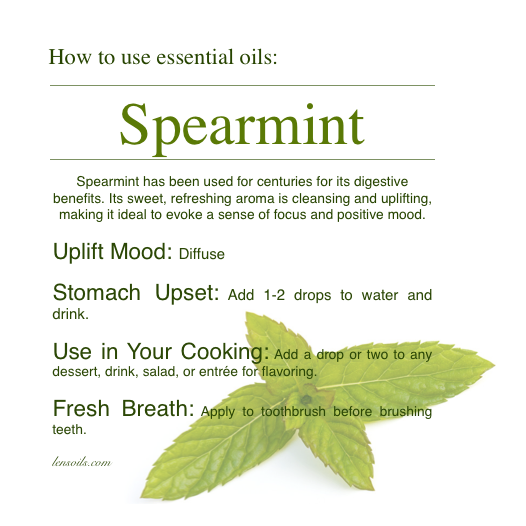
Spearmint is very different from Peppermint, making it a milder option to use on children and those with sensitive skin.
Spearmint is very different from Peppermint, making it a milder option to use on children and those with sensitive skin.
 Did you know sage is the oil of purification? Sage is known for its ability to cleanse energy, and spaces. It also purifies the body, and opens spiritual channels. Sage is a powerful energy cleansing oil. It can send away unwanted or hard to endure energies, and restore harmony, and balance. It plays a role in helping people who have experienced any form of abuse, also feeling a disconnect from their physical body.
Sage (Salvia officinalis) has a herbaceous spicy aroma. The Ancient Greeks and Romans used the leaves of both species as compresses for the treatment of wounds. The oldest reference is a depiction of Salvia fruticosa on a fresco at in Crete, which has been dated at about 1400 BC. The name salvia in fact comes from the latin, salvere, meaning to heal. It has been identified for its ability to strengthen the senses, and vital centers of the body.
Sage was used by herbalists externally to treat sprains, swelling, ulcers, and bleeding. Internally, a tea made from sage leaves has had a long history of use to treat sore throats and coughs; often by gargling. It was also used by herbalists for rheumatism, excessive menstrual bleeding, and to dry up a mother’s milk when nursing was stopped. It is helpful for supporting the respiratory, reproductive, and nervous systems. Sage may help in coping with despair and mental fatigue.

“Then Samuel took a flask of oil and poured it on his head, and kissed him and said: ‘Is it not because the Lord has anointed you commander over His inheritance?’”
I SAMUEL 10:1
 Did you know Lavender essential oil is the oil of communication? Lavender helps with verbal expression. It calms the uncertain thoughts that are felt when a person exposes their true feelings. Lavender aids in releasing the tension pressure that comes from the fear of self expression. Lavender encourages emotional honesty by encouraging people to speak their most private thoughts, and desires.
The use of lavender has been recorded for more than 2,500 years. Egyptians, Phoenicians and the people of Arabia used lavender as a perfume, and also for mummification, by wrapping the dead in lavender-dipped shrouds. In ancient Greece, lavender was used as a cure for everything from insomnia, and aching backs to insanity.
By Roman times, lavender had already become a prized commodity. Lavender flowers were sold to ancient Romans for 100 denarii per pound, equivalent to a full month’s wage for a farm laborer, and were used to scent the water in Roman baths. In fact, the baths served as the root of the plant’s current name. “Lavender” is derived from the Latin lavare, meaning, “to wash.” Romans also used lavender as a perfume, insect repellent and flavoring.
The use of lavender was highly revered during the Great Plague of London in the 17th century, when individuals fastened bunches of lavender to each wrist to protect themselves from the Black Death. Thieves who made a living stealing from the graves, and the homes of Plague victims concocted a wash known as “Four Thieves Vinegar,” which contained lavender, to cleanse, and protect themselves after a night’s work. Today, we know the disease was transmitted by fleas, so the use of lavender, which is known to repel these insects, could very well have saved lives, and prevented further spread of the plague.
The Shakers, a strict sect of English Quakers, are credited with commercializing lavender and introducing a variety of lavender-based products to the United States and Canada. The Shakers raised their own herbs, produced medicines, and sold them to neighbors and customers outside their religious sect.
Lavender is frequently used to soothe skin irritations and help skin recover quickly. Applying Lavender to the back of the neck, and temples helps reduce muscle tension. Inhaling Lavender promotes relaxation and a restful night’s sleep, making it an ideal oil to diffuse at bedtime and when stress levels are high. Due to Lavender’s versatility and soothing properties, it is considered the must-have oil to have on hand at all times
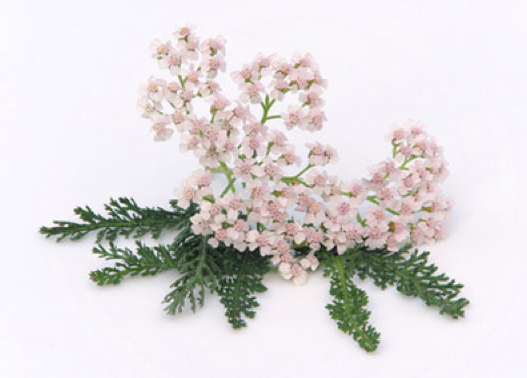 Did you know yarrow is native to Europe? Now commonly found growing wild in North America (except far north). Yarrow is a familiar plant in meadows and fields, along the sides of country lanes, roadsides, on embankments, and in landfills. Yarrow is a member of the daisy family. In many parts of Europe yarrow was believed to protect against all evil.
The yarrow plant was first used by the Greeks over 3,000 years ago for treating wounds on the skin. The flowers and leaves of yarrow were eaten and also made into a tea. The fresh leaves were used to stop bleeding wounds, treat gastrointestinal problems, fight fevers, lessen menstrual bleeding and better circulation. The fresh leaves were also chewed on to relieve tooth aches. Scientists have credited yarrow for its benefits relating to almost every organ in the body.
Yarrow gives strength and energy to the body and mind. It has been studied for its ability to help circulatory disorders like hemorrhoids and varicose veins. Colic, constipation problems, indigestion and cramps are also influenced by using essential oils. Hypertension, Insomnia and other stress related issues are also dealt with using yarrow oil. Many other people claim it is great for allergies, and asthma.
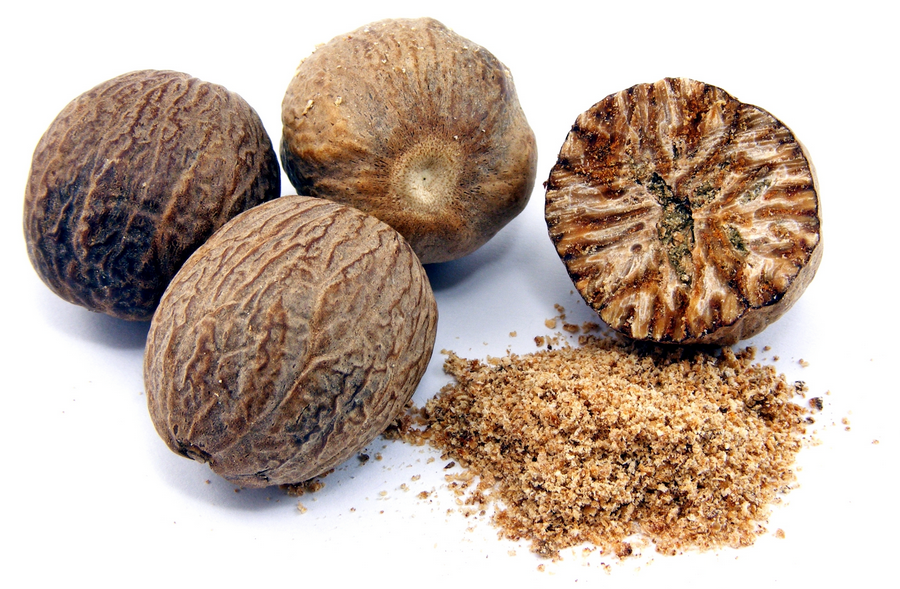 Did You know Nutmeg comes from the fruit of a 50 ft (15 m) tall tropical evergreen tree? Nutmeg is most commonly used as a cooking spice. The tree grows in Indonesia, New Guinea, and the West Indies. The dried nut and essential oil are both used to enhance your health.
Nutmeg is used in both Western and Chinese herbal medicine. It is most popular as a spice in food and drinks, and is also used in cosmetics and soaps. In ancient Greece, and Rome, nutmeg was highly valued and expensive. People were convinced it stimulated the brain. The Arabs have used nutmeg for centuries.
Nutmeg relaxes the muscles, and helps remove gas from the digestive track. It is most commonly used for stomach problems such as discomfort with indigestion. It is also used for chronic nervous disorders, kidney disorders, and to help with nausea, and vomiting. In Chinese medicine, nutmeg is used to treat abdominal pain, diarrhea, inflammation, impotence, liver disease, and vomiting. Some cultures have been know to use nutmeg as an aphrodisiac.
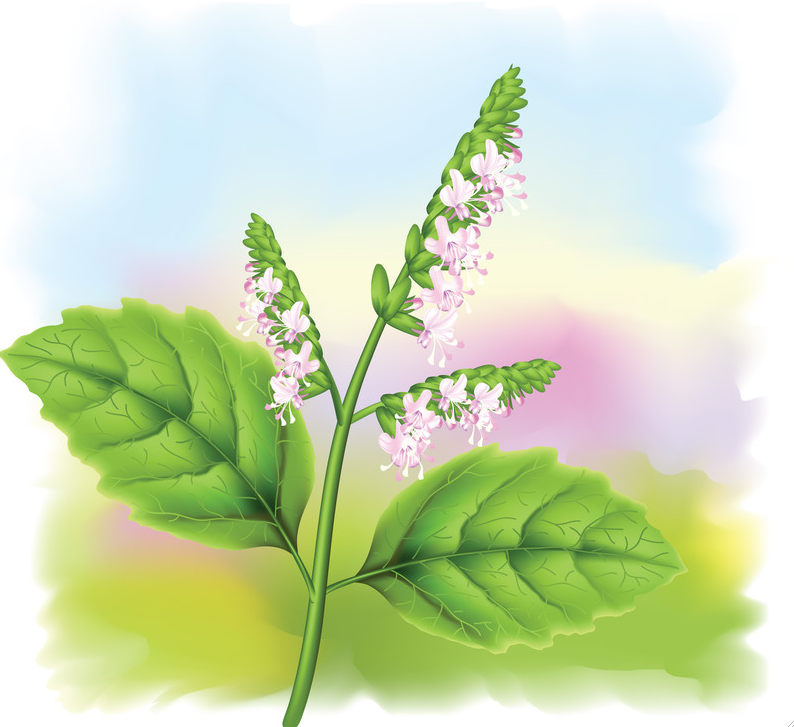 Did you know Patchouli is the oil of physicality? It supports people in becoming fully present in their physical body. Patchouli gives praise to Yoga, Tai Chi, Reiki, or other exercises that direct the connection of spirit with the body. Patchouli helps us appreciate the greatness of the physical body, and all of its natural designs, and functions.
Patchouli is a member of the mint family. Patchouli is a fragrant plant from South Asia that has a very pleasant and memorable scent. Tradesmen and merchants would often take long trips between India and England by coach in the 1800s. Leaves from the patchouli plant were always included to protect merchandise from moth damage and leaving clothing with the familiar scent letting the buyer know the items being purchased were of the highest quality from Asia.
The Indians that lived centuries ago said the oil improved their mental sharpness and removed that sluggish feeling that can slow the body down later in the day before dinner. Researchers now know the unusual and strong fragrance of the oil helps patchouli produce a balancing effect on the emotions.
Combine patchouli with peppermint and apply to the forehead, temples, or back of the neck to help with headache symptoms. Apply one to two drops to help reduce the appearance of wrinkles, scars, or problem skin areas, or add to your favorite moisturizer. Combine with vetiver, and apply to the bottoms of feet to help calm emotions.
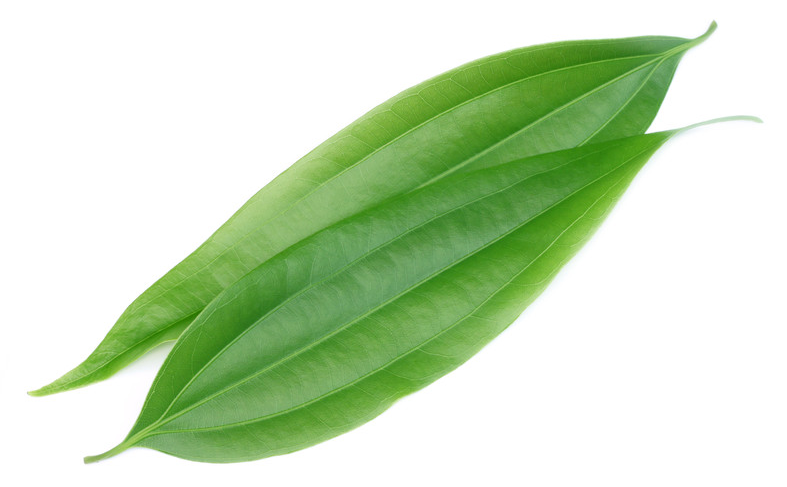 Did you you know Cassia is the oil of self assurance? Cassia brings pleased delight, and the ability to do things that might frighten you. It is a delightful remedy for those that show nervousness or have a lack of courage. Cassia helps people with a feeling of doubt or disbelief by replacing these feelings with self assurance. Cassia helps people in self discovery of their authentic self.
Cassia is mentioned three times directly in the Bible, and mentioned over 65 times indirectly. It is a fragrant, aromatic bark and was probably used in a powdered form, and as one of the perfumes at funerals. Cassia, like cinnamon, was used by the Romans. Cassia was recorded in one of the oldest known medical records. It was in the Ebers papyrus an ancient book that contains over 800 recipes.
Cassia is a close relative to Cinnamon, has a strong, spicy aroma that can be used in small quantities to transform any essential oil blend. Cassia has been used for thousands of years to maintain physical health and promote emotional well-being. Cassia has an unmistakable fragrance and calming properties.
Cassia is a “warming” oil that helps promote circulation while maintaining healthy immune function. It can also aid in digestion, lessen nausea, and is a great oil to diffuse during cold months due to its warming properties and spicy scent.
Due to its caustic nature, Cassia should be diluted with Fractionated Coconut Oil when applied to the skin and can be very strong when inhaled directly. When diluted, Cassia can help soothe sore, achy joints. Cassia can be used in cooking either as a replacement for Cinnamon in pies and breads, or by itself in many different entrees and desserts.
 Did you know Frankincense is the oil of truth? Frankincense helps uncover false truths, and deceptions. It invites people to let go of lower vibrational energy, along with lies, deceptions, and negativity. Frankincense also helps support in creating a healthy attachment with one’s father, and Heavenly Father. It also reminds us we our loved, and protected.
This Arabian tree has been as famous as it has been elusive since long before the birth of Christ, when the three wise men from the East brought it as a gift to that humble stable in Bethlehem. We do not know how far the use of Frankincense goes back in time, but we do know that it scented the Egyptian Temples to honor Ra the ancient solar deity and it is said that Queen Sheba brought a great number of Frankincense trees as a special gift for King Solomon. Unfortunately those trees were destined to die as Frankincense trees only grow in a very limited geographic range and very arid conditions. Nevertheless, it’s the thought that counts and bringing all these trees was indeed a very strong sign of honor and respect. In the ancient world incense trees fueled the economy of the Arab world as oil does today.
Frankincense oil may help with aging, allergies, insect and snake bites, bronchitis, colds, diarrhea, headaches, healing, hemorrhaging, herpes, high blood pressure, Jaundice and many other health issues. It contains sesquiterpenes, enabling it to go beyond the blood-brain barrier. Frankincense may also help a person have a better attitude, which may help strengthen the immune system.
 Did you know Coriander is the oil of loyalty, specifically loyalty to oneself? The individual in need of Coriander oil may be stuck in a cycle of always putting the needs of others ahead of their own. Coriander changes the focus of a person from doing things for the acceptance of others to honoring, and living from ones true self.
Coriander and cilantro come from the same plant. The word coriander can be used to describe the entire plant: leaves, stems, seeds, and all. Most people are referring to the spice produced from the seeds of the coriander plant. The leaves of the plant are commonly called cilantro, which comes from the Spanish word for coriander.
The change in names is very appropriate, since the plant’s leaves and the ripened seeds taste totally different. Cilantro on the other hand is a little too different for many more delicate taste buds, unfortunately. Most people either enjoy or greatly dislike the taste, but I can see why some people argue that it’s an acquired taste.
It’s a different story for the seeds. Coriander is an extremely popular spice with a pleasing aroma and lemony flavor, found in many recipes. Little is known about the origins of the coriander plant, although it is generally thought to be native to the Mediterranean and parts of southwestern Europe.
More recently, coriander plants were known to be growing in Massachusetts by the early 1600’s, one of the first herbs grown by the American colonists. Coriander essential oil promotes digestion and eases stomach upset, aids in a healthy insulin response, soothes joint and muscle pain. Coriander essential oil is also know for toning and rejuvenating to the skin.
 Len's Oils