Category Archives: Did You Know

Coriander-Did You Know?

Coriander:cilantroDid you know Coriander is the oil of loyalty, specifically loyalty to oneself? The individual in need of Coriander oil may be stuck in a cycle of always putting the needs of others ahead of their own. Coriander changes the focus of a person from doing things for the acceptance of others to honoring, and living from ones true self.

Coriander and cilantro come from the same plant. The word coriander can be used to describe the entire plant: leaves, stems, seeds, and all. Most people are referring to the spice produced from the seeds of the coriander plant. The leaves of the plant are commonly called cilantro, which comes from the Spanish word for coriander.

The change in names is very appropriate, since the plant’s leaves and the ripened seeds taste totally different. Cilantro on the other hand is a little too different for many more delicate taste buds, unfortunately. Most people either enjoy or greatly dislike the taste, but I can see why some people argue that it’s an acquired taste.

It’s a different story for the seeds. Coriander is an extremely popular spice with a pleasing aroma and lemony flavor, found in many recipes. Little is known about the origins of the coriander plant, although it is generally thought to be native to the Mediterranean and parts of southwestern Europe.

More recently, coriander plants were known to be growing in Massachusetts by the early 1600’s, one of the first herbs grown by the American colonists. Coriander essential oil promotes digestion and eases stomach upset, aids in a healthy insulin response, soothes joint and muscle pain. Coriander essential oil is also know for toning and rejuvenating to the skin.

Cypress-Did You Know?

CypressDid you know Cypress is the oil of motion and flow? Cypress teaches our spirit how to let go of the past by going with the flow of life. Cypress gives support to people by helping them throw aside their worries and let go of control allowing them to enjoy the excitement that comes from being alive, and being fully in the present.

Mediterranean Cypress has been widely cultivated as an ornamental tree for millennia away from its native range, mainly throughout the whole Mediterranean region, and in other areas with similar hot, dry summers and mild, rainy winters. Natural forest stands of the species mainly occur in the western part of the Mediterranean region of Turkey.

It is also known for its very durable, scented wood, used most famously for the doors of St Peter’s Basilica in the Vatican City, Rome. The Mediterranean Cypress is also known as the “drama tree” because of its tendency to bend with even the slightest of breezes.

Cypress oil is known to mankind since ancient times and has been used in many traditional medicines. Aromatherapy has been another important usage of this essential oil which has been a common practice for a long time. It is also known for the cross on which Jesus was crucified was made from the wood of cypress tree.

The oil from the cypress tree assists with clear breathing. Promotes healthy respiratory function. Soothes tight, tense muscles. Supports localized blood flow. Beneficial for oily skin conditions. It has a grounding, yet stimulating effect on the emotions, making it a popular oil to diffuse during times of transition or loss.

Cassia-Did You Know?

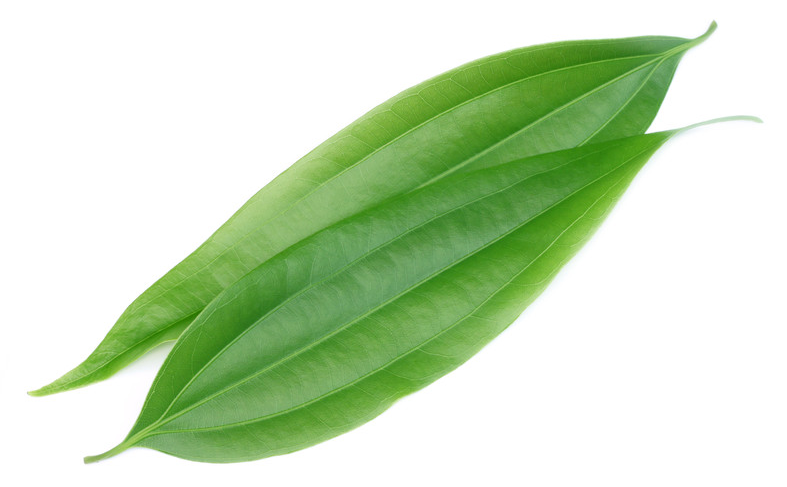
Cassia LeafsDid you you know Cassia is the oil of Self Assurance? Cassia brings pleased delight, and the ability to do things that might frighten you. It is a delightful remedy for those that show nervousness or have a lack of courage. Cassia helps people with a feeling of doubt or disbelief by replacing these feelings with self assurance. Cassia helps people in self discovery of their authentic self.

Cassia is mentioned three times directly in the Bible, and mentioned over 65 times indirectly. It is a fragrant, aromatic bark and was probably used in a powdered form, and as one of the perfumes at funerals. Cassia, like cinnamon, was used by the Romans. Cassia was recorded in one of the oldest known medical records. It was in the Ebers papyrus an ancient book that contains over 800 recipes.

Cassia is a close relative to Cinnamon, has a strong, spicy aroma that can be used in small quantities to transform any essential oil blend. Cassia has been used for thousands of years to maintain physical health and promote emotional well-being. Cassia has an unmistakable fragrance and calming properties.

Cassia is a “warming” oil that helps promote circulation while maintaining healthy immune function. It can also aid in digestion, lessen nausea, and is a great oil to diffuse during cold months due to its warming properties and spicy scent.

Due to its caustic nature, Cassia should be diluted with Fractionated Coconut Oil when applied to the skin and can be very strong when inhaled directly. When diluted, Cassia can help soothe sore, achy joints. Cassia can be used in cooking either as a replacement for Cinnamon in pies and breads, or by itself in many different entrees and desserts.

Birch-Did you know?

birchDid you know Birch is the oil of support? Birch offers support to the unsupported. When a person is feeling unsupported or attacked by friends or family, Birch offers courage to help you move in a positive direction alone. It helps assist people overcome negative generation patterns especially when you are being rejected for choosing another path.

Birch trees have been important to many indigenous people in the northern latitudes.  Historically, Birch (Betula papyrifera) as well as other species, were possibly the most important trees for survival. This tree increased the quality of life of people for thousands of years. The fact that the Birch tree varies in thickness and can be split in numerous layers, and that it has a resinous inner bark, which makes it waterproof and resistant to decay. This makes the birch tree extremely versatile.

One of its great uses was for shelter. Native people of what is now the United States, used Birch to make Wigwams, Tee-pees and other structures for living. The inner bark of Paper Birch was used extensively to repel water from structures.  Probably the most well know use of Birch is its use in making canoes. Canoes have been a part of cultures around the world for many hundreds of years.

In Russia, an old folk remedy for rheumatism was to completely cover the afflicted person with Birch leaves, which resulted in a cleansing sweat and subsequent relief. Native Americans prepared a mushy paste by boiling and pounding the bark, so it could be spread on inflammatory skin conditions, ulcers cuts and wounds. The French have used Birch oil for rheumatism, muscular pain,  tendonitis and inflammation.

Birch is very effective in promoting circulation, making it ideal for massage therapy and to soothe sore joints and muscles. Diffusing and inhaling Birch supports clear airways and breathing while stimulating the mind and enhancing focus. Birch can be applied topically and is beneficial in purifying the skin and maintaining a clear, healthy complexion.

Black Pepper-Did You Know?

Pepper cornsDid you know Black Pepper is the oil of unmasking? It reveals the masks and superficial facades people use to hide aspects of one’s self. Since childhood, most of us have been taught that some feelings and behaviors are acceptable while others are not. So instead of seeking to understand feelings and behaviors that appear to be inappropriate, they usually judge and condemn. People learn early in life in order to be loved, and excepted they must hide their negative behaviors behind a mask or facade. Black Pepper helps people find their authentic self.

Black Pepper also comes in green, red, and white all from the same plant. The color is related to how ripe it is and how it has been processed. Black Pepper is the number one selling spice in America. Pepper is native to India, and grows as a tall vine with the peppercorns as flowering drupes. It has been used in cooking for over 2000 years!

Pepper was mostly eaten by the wealthy in the past, as it was so expensive and sought after. Traders formed spice routes from India to Europe and would often fight over them. In the Middle Ages a man’s wealth was measured by his stock pile of pepper. The Romans would even demand pepper as a ransom when besieging a city.

Black Pepper gets its kick from the compound peperine. Black Pepper loses its flavor and aroma through evaporation, so its best to keep it in an airtight container. Consider using whole peppercorns and grinding just before use to maintain flavor, and add near the end of cooking.

Black Pepper essential oil is high in monoterpenes and sesquiterpenes, known for their antioxidant activity and ability to help ward off environmental and seasonal threats. Black Pepper promotes healthy circulation both internally and externally, but should be used with caution when applied topically due to its strong warming sensation. It may also help curb urges to smoke.

Bergamot-Did You Know?

canstockphoto17542085Did you know bergamot essential oil is the oil of Self-Acceptance? Bergamot relieves feelings of despair, low self-esteem, and self-judgment. It supports people in need of a good self esteem. Bergamot invites people to see life with more optimism, it also has a cleansing affect on sluggish feelings and limited belief systems. Bergamot awakens the soul to hope, and offers courage to share their inner-self.

Bergamot has a long history of use in potpourri and perfume recipes. Bergamot oil does many benefits to us and our body we value most. Recent Italian research has shown that Bergamot essential oil has a wide variety of uses in aromatherapy application; Bergamot is unique among citrus oils due to its ability to be both uplifting and calming.

Although a native to the Southern regions of Asia, Bergamot Citrus bergamia is now cultivated primarily in the Calabria region. It also takes its name from an Italian city, that of Bergamot in Lombardy, where the essential oil was originally sold. The Italians have used Bergamot in folk medicine for years, used mainly for fevers. It also promotes healthy, clear skin.

Bergamot essential oil is obtained from the cold expression of the peel of nearly ripe fruit of the Bergamot tree. The small fruit tree is characteristic of the southern Italian landscape: it’s small, round fruit is very bitter and not likely eaten when raw. The fruit looks like a miniature orange. The essential oil obtained from the fruit of the Bergamot tree has a citrus-like aroma but also a spicy undertone.

Bergamot is the most delicate of the citrus plants, Requiring special climate, and soil in order to thrive. Italians have used Bergamot for years to reduce tension, stress, and to soothe, and rejuvenate skin. Bergamot is unique among citrus oils due to its ability to be both uplifting and calming, making it ideal to help with anxious, and sad feelings. It is also purifying, and cleansing for the skin, helping with oily skin conditions, and promoting a smooth, clear complexion while having a calming effect.

Arborvitae-Did You Know?

Cut Arborvitae

Did you know the Arborvitae has been referred to as the tree of life? A native North American western red cedar tree, can reach 180 to 200 feet in height in some areas of the Northwest but is more often seen at 50 to70 feet in height with a spread of 15 to 25 feet in width. Forming an upright pyramidal silhouette with strongly horizontal branches, Giant-Cedar is an evergreen with fragrant, dark green, delicate needles. This very rare Western Red Cedar will put on 3 to 5 feet of growth per year.

The arborvitae has been used by ancient civilizations to enhance their potential for spiritual communication during rituals and other ceremonies. Modern technology however has revealed that giant Arborvitae essential oil contains high levels of unique compounds called tropolones. Tropolones are an unusual seven membered carbon ring structure not found in significant concentrations in other essential oils. It is these tropolones that yield the unique therapeutic qualities of this oil.

When selecting a source of Arborvitae essential oil, one must be sure to choose a source whose oil does not contain thujone, a neurotoxic compound. Besides source geography, it is also essential to consider the plant part from which this oil is distilled: only essential oil from the wood of Arborvitae has been found to be free from thujone. When sampled and tested for thujone, essential oil from the wood of Arborvitae grown in the Pacific Northwest was found to have no thujone, indicating that oil from this region is safe for human use.

Arborvitae has been used for coughs, fevers and intestinal parasites. It also has antibacterial, and anti-fungal properties. Arborvitae is calming, and has been used as an insect repellent. This oil may also help with skin nourishing and sunscreen. It has a strong effect on the subconscious and unconscious mind.

Cypress-Did You Know?

CypressMediterranean Cypress has been widely cultivated as an ornamental tree for millennia away from its native range, mainly throughout the whole Mediterranean region, and in other areas with similar hot, dry summers and mild, rainy winters. Natural forest stands of the species mainly occur in the western part of the Mediterranean region of Turkey.

It is also known for its very durable, scented wood, used most famously for the doors of St Peter’s Basilica in the Vatican City, Rome. The Mediterranean Cypress is also known as the “drama tree” because of its tendency to bend with even the slightest of breezes.

Cypress oil is known to mankind since ancient times and has been used in many useful ways. Aromatherapy has been another important usage of this essential oil which has been a common practice for a long time. It is also known for the cross on which Jesus was crucified was made from the wood of cypress tree.

The oil from the cypress tree has been known to be beneficial for diarrhea, energy, fever,   skin care, scar tissue, and wounds.

Cardamom-Did You Know?

CardamomDid you know a lot of chronological Indian content mention Cardamom as a flavoring agent and medicine? There are recipes of sherbets and rice dishes flavored with Cardamom. Cardamom became an object of trade with South Asia in the last thousand years when Arab traders brought it into extensive use. Exports from the Malabar shore, close to where Cardamom’s grew untamed, were portrayed by the Portuguese traveler, Barbosa, in 1524. By the time of Garcia DA Orta in 1563, the worldwide trade in Cardamom’s was finely urbanized. Kerala continued to dominate the cardamom trade until the colonial era.

It was bought by the Raja’s administrators from India, and some of it was sold to Muslim merchants while the most excellent quality was sold abroad. In the 19th century British settlement established Cardamom as a secondary crop in coffee agricultural in further parts of India. But it’s Guatemala, which only started growing the spice in the 1920s, that’s the biggest commercial producer today, overtaking India and Sri Lanka. In some parts of Guatemala, it has even overtaken coffee as its most valuable crop!

Cardamom is largely used in South Asia and South America it has been known to help teeth and gums issues, to help control and take care of throat troubles, congestion of the lungs, inflammation of eyelids and also digestive disorders. It is also used to break up kidney stones and gall stones, and was apparently used as an antidote for venom from both snakes, and scorpions.

Eucalyptus-Did You Know?

Eucalyptus Did you know Eucalyptus is the oil of wellness? Eucalyptus oil supports the person who is constantly facing illness. They may get well for a brief time and season, only to return to a common cold, congestion, or sinus issues. Eucalyptus addresses a deep emotional or spiritual issue for the need to be sick. Eucalyptus encourages everyone to take full ownership of their own health.

All Eucalyptus oils are not the same. Each species produces an oil of different chemical composition and the constituents of one oil may be completely different from an oil from another species. However, eucalyptus oil from the same species is generally remarkably constant in its constituents and chemical composition. Although Eucalyptus must have been seen by the very early European explorers and collectors, no botanical collections of them are known to have been made until 1770 when Joseph Banks and Daniel Solander arrived at Botany Bay with James Cook.

Medicinal Eucalyptus oil produced from E. polybractea is used for the relief of cold and influenza symptoms. It is a remarkable natural product having antiseptic properties and the power to clear the nasal passages and bronchial tubes making it easier to breathe. It is common to vaporize it in saunas. It is an excellent rub for muscular aches and pains, and it has been widely used for many years by athletes to help keep muscles trim and flexible

The main chemical components of Eucalyptus radiata are eucalyptol and alpha terpineol, making it an ideal oil to promote clear breathing and respiratory function. Eucalyptus has purifying properties that can be beneficial for the skin and for cleansing surfaces and the air. Studies have shown that Eucalyptus is effective in helping lessen tension and supports a healthy response to oxidative stress. Eucalyptus can be found in mouth rinses to freshen breath and promote oral health.