In biblical times, oil was part of everyday life. Olive oil was used for food, skin care, healing, hospitality, and honoring guests. When Psalm 23 says, “thou anointest my head with oil,” it describes a familiar act of refreshment and care. To be anointed meant you were welcomed, valued, and restored, even while challenges were still present.
Essential oils fit naturally into this setting. Aromatic plants such as frankincense, myrrh, and spikenard were infused into oils and used for comfort, cleansing, and spiritual devotion. When David wrote these words, he was drawing from practices people understood well, linking physical care with peace, provision, and a sense of abundance so full that, as he said, the cup truly ran over.
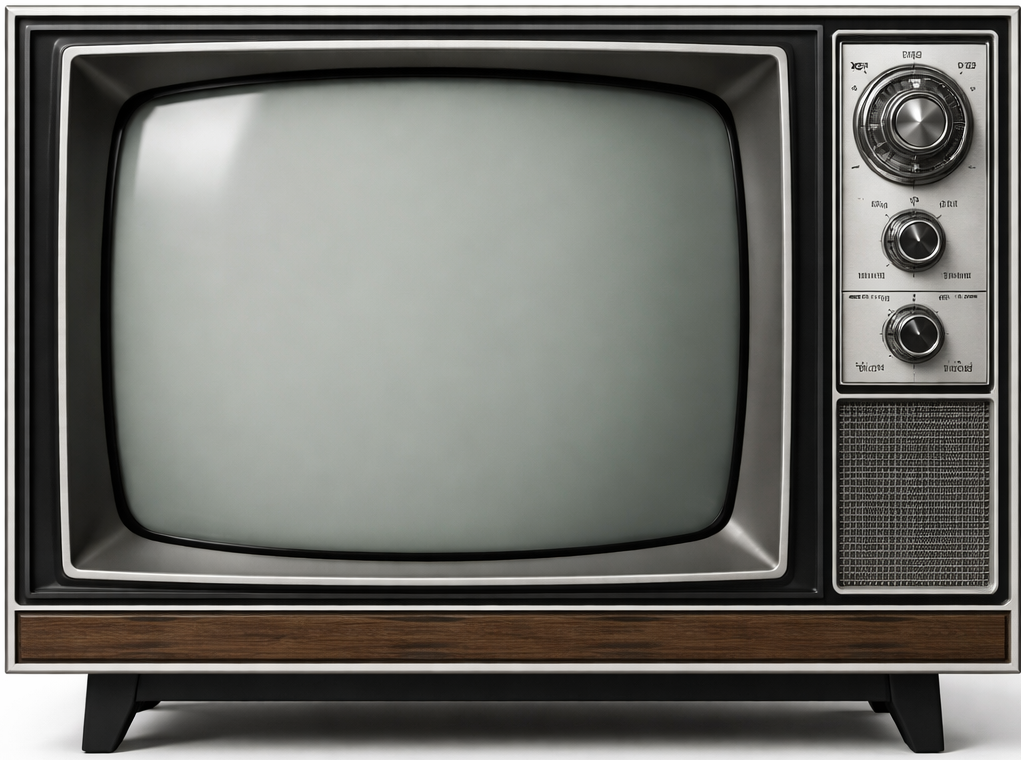
Some of my earliest memories as a kid are watching movies on television with my mom. When I was five, I was watching an old black-and-white movie on our old black-and-white TV. It was a scary movie for me as a five-year-old. I remember hearing the scary music and knowing I would soon see the scary man, then being frightened by the near miss of the fast-speeding car. Around the time our family moved into the new house my dad built, our TV died and it was not replaced.
When I was in first grade, the teacher said anyone needing extra help reading should watch Sesame Street. I was able to go over to a kid in my class’s house to watch this show for extra help. From the time I was about five to twelve, our TV watching stopped. My mom said she was not going to have her kids grow up to be TV idiots. During this time, our home was filled with other activities instead, and our days were busy and loud in different ways.
During those same years, my mom saw an ad in the newspaper that read, “Anyone that is not exposed to watching TV, please let us do a test to see what images affect your emotions.” This was for kids ages eight to twelve and paid ten dollars for the child’s time. My mom responded to the ad. I remember being hooked up to electrodes while we watched short movie clips to see how we reacted. We walked out of the University of Utah ten dollars richer, and my brother and I thought that was amazing.
Then something wonderful happened. My dad was a Salad Master salesman, and he won a black-and-white TV. It felt magical. My parents were very strict about TV viewing, so we didn’t get to watch much. There were Friday night movies that we got to watch as a family. We didn’t get to watch TV on Sundays. Instead, we were told to play a game with a sibling, read a book, or make a treat for the family to eat.
On rare occasions, after a lot of pleading, we were able to watch The Ten Commandments with Charlton Heston or The Wizard of Oz. When summer came, Mom said if we hurried really fast and did our chores, we could watch The Big Money Movie or Dialing for Dollars. During these shows, they would give away money if you were called and knew how much money had been collected. It wasn’t much, usually about fifty dollars, but sometimes as much as three hundred. We watched old black-and-white movies, lots of westerns, adventure movies, and sometimes mysteries. During commercials, we watched the money total and hoped we would get called. I think we won fifty dollars once. Two shows my mom would never say no to were The Andy Griffith Show and I Love Lucy. She loved to laugh, and these shows had good values and were funny.
Years later, when I was in ninth grade, we got a color TV. I remember seeing The Wizard of Oz for the first time in color, and we all thought it was amazing. Popcorn and watching old movies were synonymous, going hand in hand. When I was nineteen, I was at a friend’s house watching Leave It to Beaver for the first time. When you don’t have a TV, you miss out on some of the shows other kids grow up with. After my dad died, I went over to my mom’s place every Thursday, and we watched old movies together and old black-and-white TV shows like Gunsmoke or Ironside. Looking back on this part of my life really makes me smile with fondness.
Looking back now, I realize it wasn’t really about television at all. It was about time, attention, and being together. Our house was anything but quiet, full of noise, movement, and life, yet those moments of watching together created a shared pause. My dad loved good movies too, but he was busy working to take care of his family. He had a great laugh, and I can still hear his laughter during the funny moments. My mom’s laughter, the popcorn, the firm rules, and later those Thursday nights after my dad passed all blended into something lasting. Those simple hours in front of a screen became moments of connection, comfort, and love, and they remain some of the warmest memories I carry with me today.
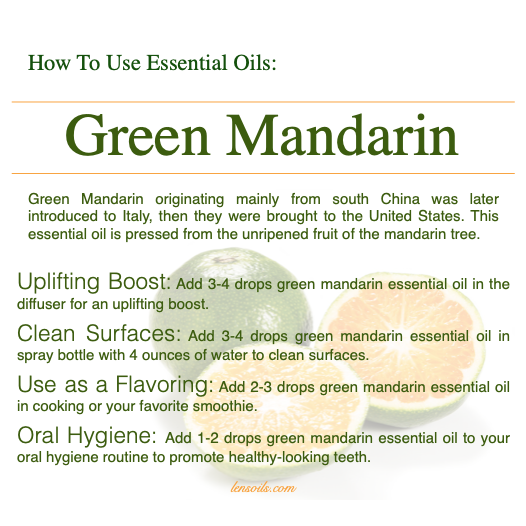
Green Mandarin essential oil is cold-pressed from the unripened fruit of the mandarin tree and has a fresh, slightly sweet citrus aroma that feels bright and cheerful. Originating in southern China, the mandarin tree later made its way to Italy and eventually to the United States, where it became valued for its gentle yet uplifting qualities. Diffusing three to four drops can provide an instant mood boost, helping create an environment that feels light, positive, and energized.
Beyond aromatherapy, Green Mandarin is a versatile oil for everyday use. Its naturally fresh scent makes it a pleasant addition to homemade surface cleaners when added to water in a spray bottle. The oil’s mild citrus flavor also works well in cooking or smoothies, adding a refreshing note to both sweet and savory recipes. Additionally, a drop or two can be incorporated into an oral hygiene routine to support healthy-looking teeth, making Green Mandarin a bright and practical oil for both wellness and home care.
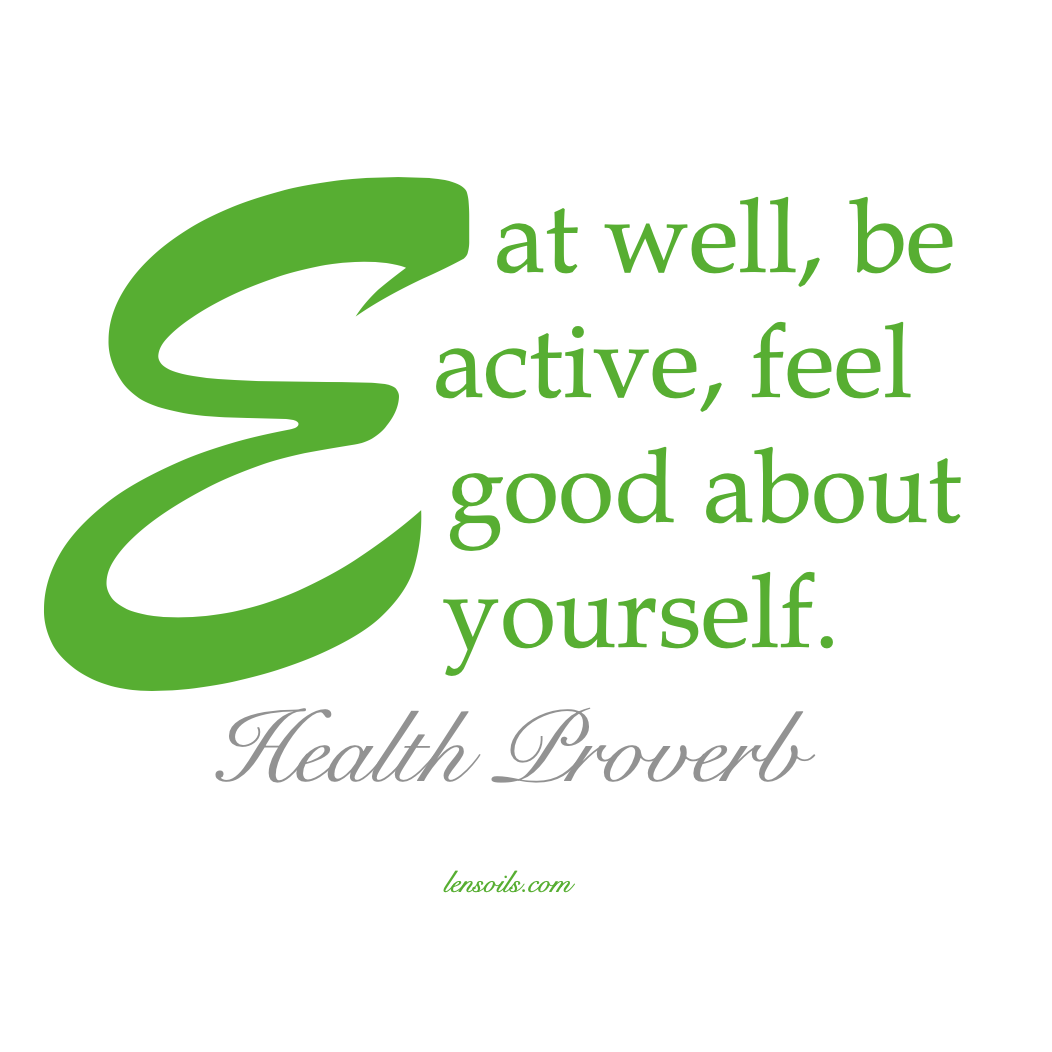
Eat well, be active, feel good about yourself — a simple plan until a donut appears, the couch calls your name, and your confidence needs a reboot. Still, it works. Feed your body like it matters, move it the way it was designed to move, and stop talking to yourself like a disappointed gym teacher. Health isn’t perfection or kale worship — it’s doing the basics most days and laughing when you don’t.
Ten years ago, I was introduced to something that has transformed my life: essential oils. Yes I was a big skeptic about them at first, but I now use essential oils on a daily basis in every area of my home, and they have completely changed my life! My medicine cabinet has been completely transformed, and I am now empowered with the tools and knowledge to care for my family.
When I realized I could get free products AND create residual income? I got really excited! As a result, of my essential oil journey, and passion helping others, l’m ready to help you get started with your essential oil journey as well.
The best part about essential oils is that there is an option for everyone, whether you want to simply enjoy the products for yourself and transform your family’s health (and get free stuff in the process) OR you’re ready to build a team, create residual income, and get out of debt.
If any of these options sound appealing to you, let’s chat! ‘ll help you figure out which option will be the best fit for you, plus you can qualify for some awesome incentives in the process.
can’t wait to talk to you! love sharing essential oils
Please text Free Sample or call me at 801-661-4786 will be sure to get back to you as soon as possible.
Or
Send me an email at lfish64@lfish64 with the heading Free Sample It will be an honor to help you in any way that I can.
Or
Write a letter requesting a Free Sample to
Leonard Fish 5075 Rushton Acres Court West Valley City, Utah 84120
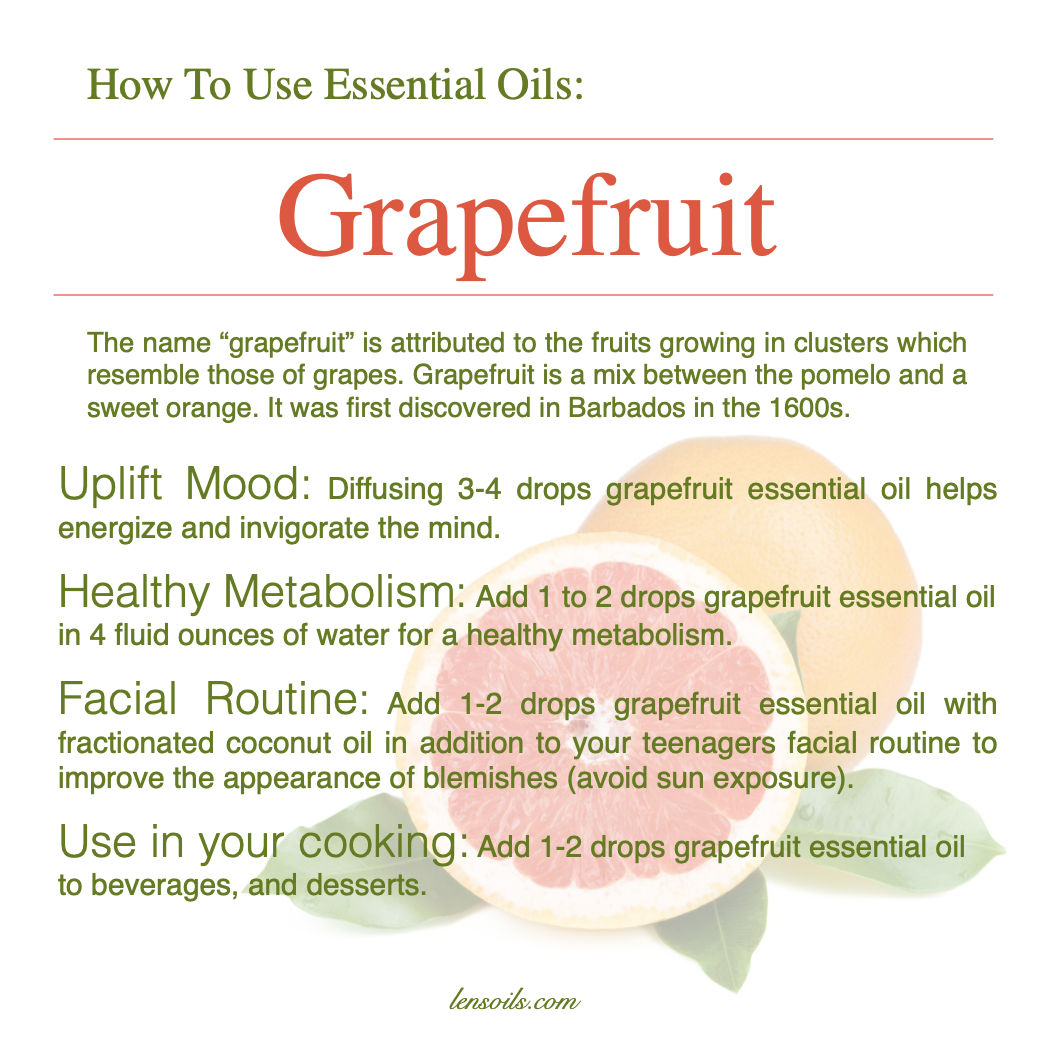
Grapefruit essential oil comes from a bright, citrus fruit that earned its name because it grows in clusters similar to grapes. A natural hybrid of pomelo and sweet orange, grapefruit was first discovered in Barbados in the 1600s and has been appreciated ever since for its fresh, energizing aroma. Diffusing three to four drops can help uplift mood, clear mental fog, and create an invigorating atmosphere that feels light and motivating.
In daily routines, grapefruit essential oil is often used to support a healthy metabolism when a drop or two is added to water. When properly diluted with fractionated coconut oil, it can also be a gentle addition to a facial routine, especially for teenagers looking to improve the appearance of blemishes. Its crisp, tangy flavor makes it a favorite in the kitchen as well, where one or two drops can brighten beverages and desserts. Because grapefruit is photosensitive, topical use should always be followed by avoiding direct sun exposure.
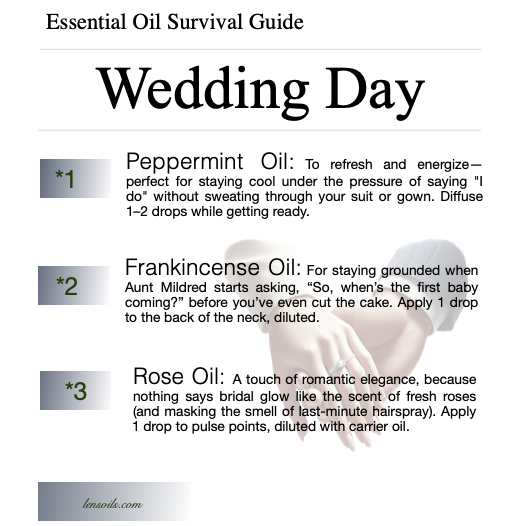
Weddings are beautiful, emotional, and just a little overwhelming all at once. Between the nerves, the questions, the timelines, and the unexpected moments, it helps to have simple tools that support calm, confidence, and connection. This Wedding Day Survival Guide isn’t about perfection—it’s about staying present, breathing through the chaos, and remembering why the day matters in the first place. When things feel rushed or emotional, a few steady scents can help you pause, smile, and step back into the moment you’ll remember forever.
It’s funny how we’ll casually buy a medication with a three-page side-effect list or spray a cleaner that says “use in a well-ventilated area while wearing gloves and possibly a hazmat suit” — no questions asked — but the moment someone mentions essential oils, suddenly we’re conducting a double-blind study, checking five medical journals, and calling a cousin who once took chemistry. Apparently, swallowing unpronounceable ingredients is fine, but a drop of lavender requires a PhD and a committee meeting.
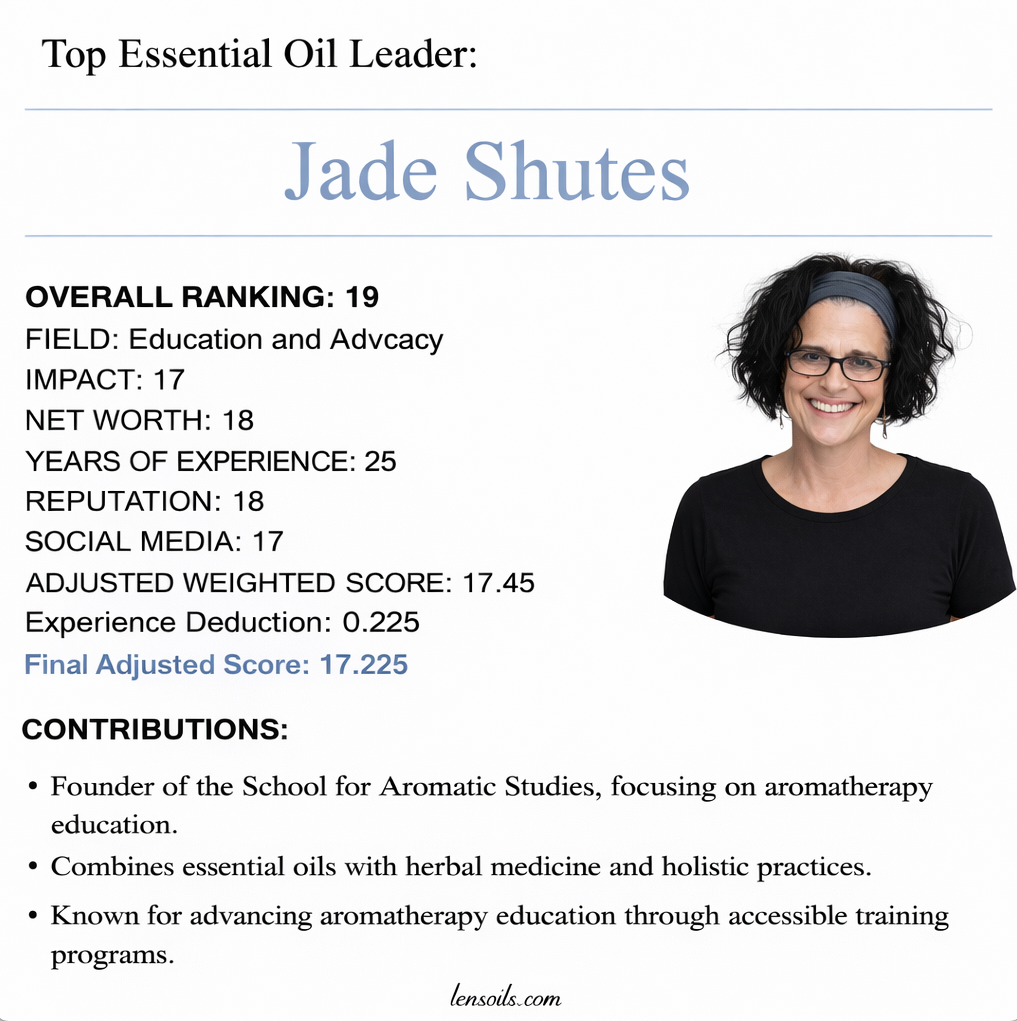
Jade Shutes is widely recognized as a leading authority in professional aromatherapy, with more than 25 years of experience shaping how essential oils are studied and responsibly applied. Her work has consistently emphasized safety, scientific understanding, and ethical practice, helping elevate aromatherapy from casual use into a disciplined and respected field.
She is the founder and director of the School for Aromatic Studies, an internationally respected institution dedicated to comprehensive aromatherapy education. Through this school, Jade has developed structured programs that address essential oil chemistry, anatomy and physiology, safety guidelines, and professional standards. These courses serve students worldwide, including practitioners seeking both foundational knowledge and advanced professional training.
Education also plays a central role in Jade’s published works, which are widely used as teaching resources. Her books include Aromatherapy for Bodyworkers, which focuses on practical and safe application for massage and manual therapies; The Carrier Oil Palette, an in-depth examination of carrier oils and their therapeutic roles; and The Ultimate Guide to Aromatherapy, which presents a structured, educational overview of essential oils for informed use. Together, these works support both classroom learning and independent study.
Across her teaching and writing, Jade consistently integrates aromatherapy with herbal medicine and holistic health traditions. She presents essential oils as supportive tools within a broader system of plant-based care rather than as isolated solutions. This balanced approach has helped aromatherapy gain credibility among educators, wellness professionals, and students seeking thoughtful, evidence-informed instruction.
Beyond her formal credentials and publications, Jade’s long-term influence is reflected in the practitioners she has trained and mentored. Many students credit her with shaping not only their technical skills but also their critical thinking and ethical approach. Her legacy is seen in a generation of aromatherapists who practice with discernment, responsibility, and deep respect for the plants they study and use.





 Len's Oils