Tag Archives: Lavender
How to Use Essential Oils

The Disappearing Bumps
 Several months ago I noticed a couple of bumps on my chest. Just large enough to be slightly concerned, but not overly excited about. I thought I would try rubbing some essential oils on the bumps to see what would happen. I mixed 8 drops frankincense and 3 drops each of, helichrysum, juniper berry, thyme, geranium and lavender into a 15ml bottle. Then I filled the rest of the bottle up with fractionated coconut oil.
I didn’t think much about it. I started rubbing this mixture on the bumps on my chest as part of my daily routine when I would get out of the shower. We all have many routines that we do, that become muscle memory. That’s what started to happen with me.
One day as I was going through the motions I stopped to feel my chest where the bumps were. I had to really search the area on my chest to find the bumps. I have the slightest bumps that have dramatically reduced in size. I have no idea if these bumps could have posed a threat. I am grateful to have tools in my medicine cabinet that are natural, without harmful side effects that prescription drugs have.
How to Use Essential Oils
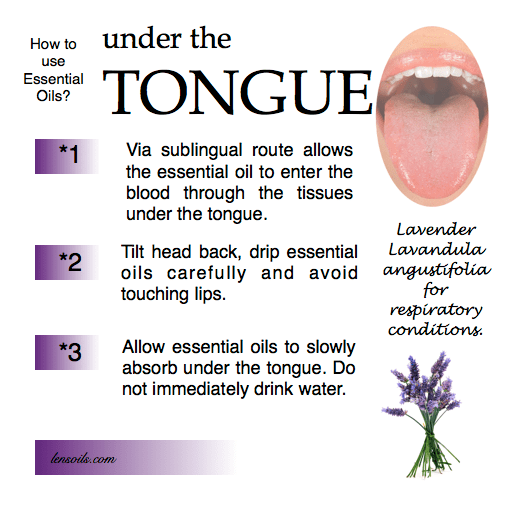
5 Amazing Facts About Essential Oils
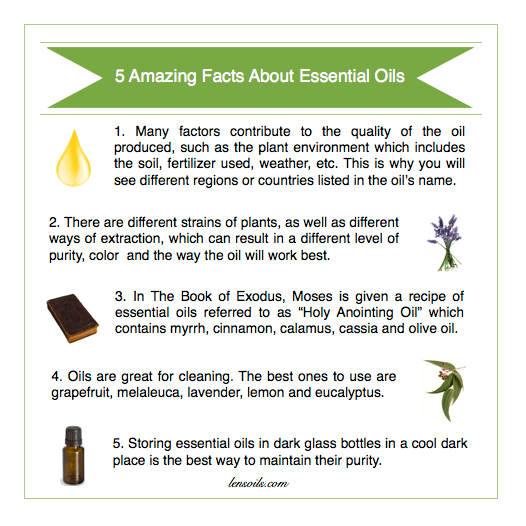
5 Amazing Facts About Essential Oils
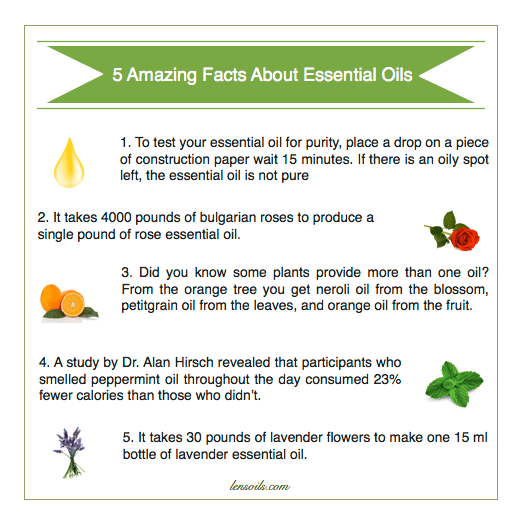 Just a few of the reasons why I Love essential oils.
How to Use Essential Oils
 Possible skin sensitivity. Keep out of reach of children. If you are pregnant, nursing, or under a doctor’s care, consult your physician. Avoid contact with eyes, inner ears, and sensitive areas.
How essential oils can replace overused antibiotics and stop drug-resistant superbugs
 (NaturalNews) Antibiotic resistance is rapidly reaching the scale of a global health crisis. More and more people are being treated with “last resort” antibiotics, and the head of the World Health Organization, Margaret Chan, recently warned that the explosion of increasingly virulent drug-resistant microbes may eventually mean the “end of modern medicine.”
“The rise of antibiotic resistance is a global health crisis,” Chan said. “More and more governments recognize (it is) one of the greatest threats to health today.”
One thing that ordinary consumers can do to stem this tide, is to avoid unnecessary antibiotic treatments by using natural alternatives.
Why antibiotics are bad for your health
One of the most common misuses of antibiotics is when doctors prescribe them for viral problems, such as a cold or the flu, or minor bacterial infections that might otherwise have cleared up on their own.
Essential oils provide numerous benefits over antibiotics. They do not contribute to the evolution of drug resistance, preserving antibiotics for truly serious or life-saving uses – particularly if you avoid always using the same essential oil for every infection. In addition, essential oils do not cause wholesale destruction of your body’s good microbes – “microbiome” – the way antibiotics do. Antibiotic use is increasingly being linked with a variety of systemic health problems, probably due to disruption of the many subtle processes that our microbiomes perform for our bodies. Even taking probiotics after antibiotics is not enough to undo this damage.
So, for your health and for the health of society as a whole, here are some of the top antimicrobial essential oils. Studies have shown many of these to be as effective as antibiotics, and in some cases more so.
The top antibacterial oils
Tea tree oil is one of the easiest essential oils for a beginner to use. Unlike most essential oils, it can safely be applied directly to the skin, without first being diluted with a carrier oil. It has shown potent activity against viruses, bacteria and other microbes.
Eucalyptus oil, in addition to its antimicrobial effects, has been shown to speed wound healing and to protect injuries from exposure to air (much like a bandage).
Does your natural toothpaste contain peppermint essential oil, and not just peppermint flavor? It should! Peppermint is a potent antimicrobial and antiviral agent.
Lavender oil has shown antibacterial and antiseptic properties. It is particularly effective in speeding the healing of minor skin injuries including cuts, wounds, burns and sunburns, and keeping them from scarring. It is also an effective treatment for inflammatory and bacterial skin conditions including acne and psoriasis.
The common kitchen herbs oregano and thyme, in their essential oil form, are potent antibacterials that have both shown effectiveness against staph bacteria, including the MRSA superbug. Oregano has also been found to be effective against E. coli and salmonella.
Lemon grass, perhaps best known for its role in Thai cooking, also contains a potent essential oil that inhibits bacterial growth. This oil can be used both externally (for body odor and bacterial skin infections), and internally (for urinary tract infections, food poisoning and even typhoid and malaria).
Bergamot was recognized long ago as a remedy for intestinal worms. Its essential oil is antibacterial as well, and can speed the healing of mouth-related conditions such as cold sores, mouth ulcers and even herpes. It is also an effective treatment for chicken pox and shingles.
Essential oils are potent biological agents that usually need to be diluted to appropriate concentrations, and show often surprising interaction effects with each other. For these reasons, essential oils should be taken under the supervision of a naturopath or other health provider.
Sources for this article include:
Learn more: http://www.naturalnews.com/053033_essential_oils_bacterial_infections_superbugs.html#ixzz420GmQAXB
Learn more: http://www.naturalnews.com/053033_essential_oils_bacterial_infections_superbugs.html#ixzz420GmQAXB
http://www.naturalnews.com/053033_essential_oils_bacterial_infections_superbugs.html
I love this article on essential oil!
Lavender-Did You Know?
 Did you know Lavender essential oil is the oil of communication? Lavender helps with verbal expression. It calms the uncertain thoughts that are felt when a person exposes their true feelings. Lavender aids in releasing the tension pressure that comes from the fear of self expression. Lavender encourages emotional honesty by encouraging people to speak their most private thoughts, and desires.
The use of lavender has been recorded for more than 2,500 years. Egyptians, Phoenicians and the people of Arabia used lavender as a perfume, and also for mummification, by wrapping the dead in lavender-dipped shrouds. In ancient Greece, lavender was used as a cure for everything from insomnia, and aching backs to insanity.
By Roman times, lavender had already become a prized commodity. Lavender flowers were sold to ancient Romans for 100 denarii per pound, equivalent to a full month’s wage for a farm laborer, and were used to scent the water in Roman baths. In fact, the baths served as the root of the plant’s current name. “Lavender” is derived from the Latin lavare, meaning, “to wash.” Romans also used lavender as a perfume, insect repellent and flavoring.
The use of lavender was highly revered during the Great Plague of London in the 17th century, when individuals fastened bunches of lavender to each wrist to protect themselves from the Black Death. Thieves who made a living stealing from the graves, and the homes of Plague victims concocted a wash known as “Four Thieves Vinegar,” which contained lavender, to cleanse, and protect themselves after a night’s work. Today, we know the disease was transmitted by fleas, so the use of lavender, which is known to repel these insects, could very well have saved lives, and prevented further spread of the plague.
The Shakers, a strict sect of English Quakers, are credited with commercializing lavender and introducing a variety of lavender-based products to the United States and Canada. The Shakers raised their own herbs, produced medicines, and sold them to neighbors and customers outside their religious sect.
Lavender is frequently used to soothe skin irritations and help skin recover quickly. Applying Lavender to the back of the neck, and temples helps reduce muscle tension. Inhaling Lavender promotes relaxation and a restful night’s sleep, making it an ideal oil to diffuse at bedtime and when stress levels are high. Due to Lavender’s versatility and soothing properties, it is considered the must-have oil to have on hand at all times
Essential Oil Cooking Tips

 Len's Oils