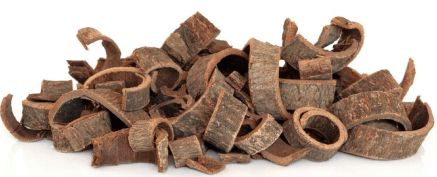
Did you know Rosewood essential oil is the oil of sensitivity? Rosewood supports extremely sensitive people that struggle to deal with the stresses that come to them in life. It gives assistance to those who are overstimulated or who experience life as painful due to their unwelcome sensitivities. Rosewood surrounds the excessively sensitive soul with warm nurturing energy.
The wood of this tree is very valuable, and commonly used in cabinet-making, carving building, and essential oil extraction. In the early eighteenth century, Rosewood essential oil was used in the field of perfume making. There was a time when Rosewood was harvested near extinction. As a result these trees have been classified as an endangered species, and the legislation has come up with a resolution that requires the essential oil distilleries to plant a new tree for every tree they use for essential oil extraction.
The benefits of Rosewood essential oil are many. It may shows signs for relief from headaches, toothaches, and joint pain. Rosewood has been studied for its usefulness in treating nausea, vomiting, coughs, stress, and many skin issues. It also keeps the brain cool, active, sharp and alert. Rosewood improves blood circulation, and digestion. This oil has also been studied for its ability to improve memory, and protect people from neurotic disorders. Other uses for Rosewood oil include insecticide, natural deodorant, and may increase libido.
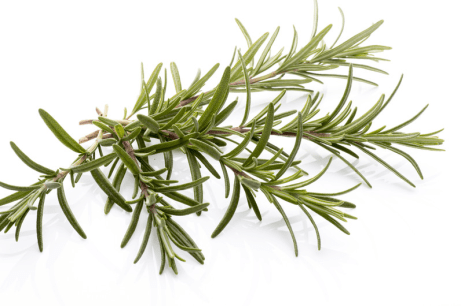 Did you know rosemary assists in the development of true knowledge and true intelligence? Rosemary is the essential oil of knowledge and transition. It challenges people to look deeper than they normally would, and ask more soul searching questions so they may receive more inspired answers. Rosemary also aids in times of transition and change, such as adjusting to a new house, school, or a relationship.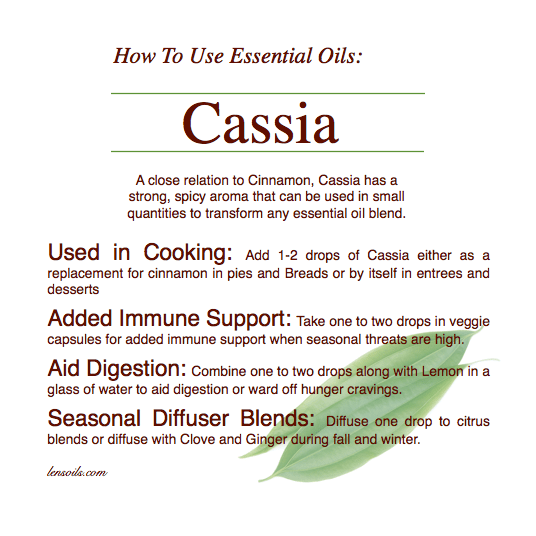

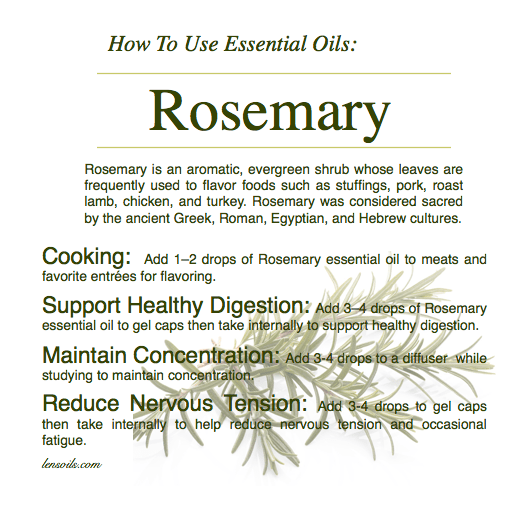


 Did you know petitgrain is the oil of ancestry? Petitgrain brightens patterns and inclinations of unconsciously repeating family mistakes. The person in need of petitgrain is lacking the skills or unwilling to remove themselves from their families way of thinking. Instead they follow in the footsteps of their ancestral traditions.

 Len's Oils