Tag Archives: clear breathing

How to Use Essential Oils: Birch

Birch essential oil has a strong, minty aroma that is often mistaken for wintergreen. Though the two are not botanically related, they share nearly identical chemical constituents, particularly methyl salicylate, which gives them their signature scent and pain-relieving properties. Birch has a long history of use, dating back to American Indian tribes and early American settlers who brewed tea from its bark. This tea was valued for its ability to ease discomfort and support overall wellness, making birch a staple in traditional herbal practices.

Today, birch essential oil is commonly used for its respiratory and skincare benefits. Diffusing 3-4 drops can help promote clear breathing, making it useful during seasonal changes or when dealing with congestion. Its astringent properties also make it beneficial for oily skin—mixing a few drops into a favorite lotion may help balance excess oil and improve skin texture. Additionally, birch oil is well known for its ability to soothe sore muscles. When blended with fractionated coconut oil or a sports cream, it provides relief after intense activity, making it a favorite among athletes and those with active lifestyles.

Among these uses, birch essential oil is also valued for its ability to enhance focus and mental clarity. Adding 3-4 drops to a diffuser can help sharpen concentration, making it an excellent oil to use during study sessions or work. Additionally, some research suggests that birch may have antimicrobial properties, which could make it a useful natural addition to home cleaning solutions. With its fresh, crisp aroma and diverse applications, birch essential oil remains a powerful and versatile tool in natural wellness.
The Spice of Life

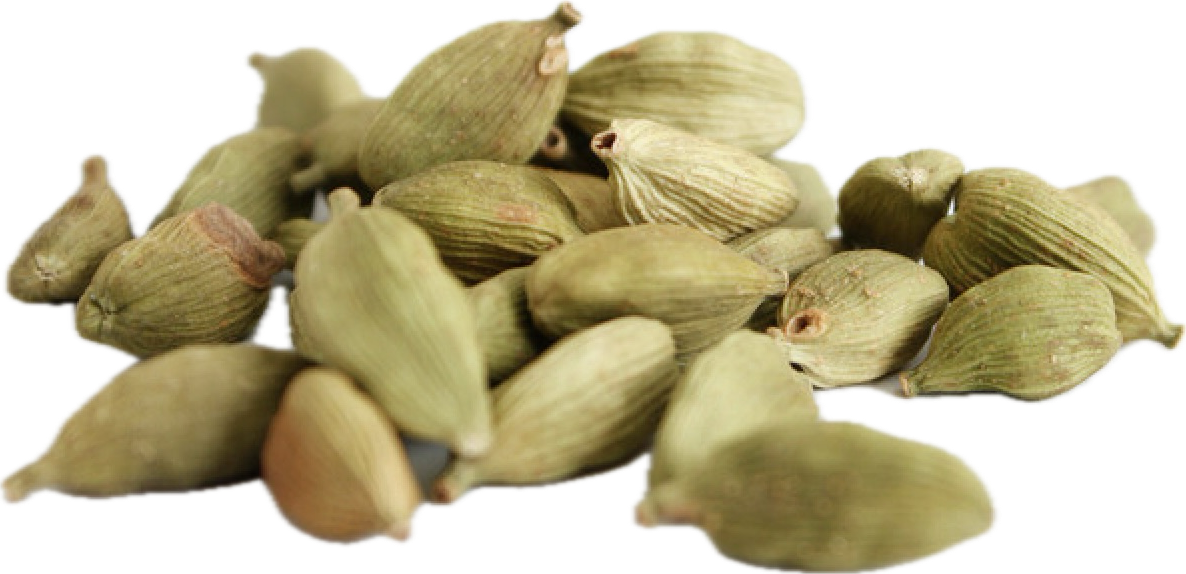
Long ago, deep in the tropical forests of southern India, there thrived a plant shrouded in mystery. Its tall, slender stems reached skyward, while its seeds lay hidden within small, green pods. To those who cultivated it, this plant was a treasure, not just for its unique taste but for its remarkable ability to heal and uplift. For centuries, it was used in rituals and remedies, cherished as both a culinary delight and a soothing balm.

The seeds were painstakingly harvested by hand, dried under the sun, and carried across ancient trade routes. They reached the hands of kings and emperors, their value rivaling that of gold. Traders guarded its secrets fiercely, knowing its essence would fetch the highest prices in the spice markets of Europe and Asia. In every corner of the world, this fragrant seed found its place—infused into teas, ground into powders, and distilled into potent oils.

Legends grew around its powers. Ancient physicians praised it for its ability to calm an upset stomach, soothe nausea, and invigorate the senses. It became a favorite of royalty; Cleopatra herself is said to have used its scent to enchant her guests. The seed’s uses expanded as knowledge traveled, blending into the culinary traditions of countless cultures and the healing practices of generations.

Over time, its cultivation expanded beyond its native India. Farmers in the rainforests of South America began to grow the plant, taking advantage of the warm, humid climate to nurture its delicate pods. This new chapter in its journey spread its reach even further, making its fragrant seeds more accessible to people across the world. Each new region added its own traditions to the plant’s legacy, embedding it deeper into the cultural fabric of humanity.

Today, modern science continues to validate what ancient healers knew. Its oil, extracted through steam distillation, is celebrated for its digestive benefits, its ability to clear the mind, and its aromatic richness. It remains a cornerstone in kitchens and apothecaries alike, revered for its versatility and purity.

And now, cardamom, the unassuming seed from the forests of India and the rainforests of South America, lives on as a timeless treasure. From enhancing the flavors of bread and stews to promoting clear breathing with a diffuser’s gentle mist, it serves as both a culinary marvel and a source of well-being. Its journey through history, carried by the hands of explorers and traders, has secured its place in homes across the globe. A gift of nature, cardamom continues to connect us to the past while enriching our present, offering its fragrant magic to generations yet to come.

Natures Remedies and the Rest of the Story

There’s a scent that fills the air, reminiscent of wintergreen, yet with a story all its own. And though it may not seem related to wintergreen, they share a surprising similarity in chemical makeup. But what makes this tale truly fascinating is not just its aromatic allure, but its history intertwined with American Indians and early settlers.

Long before modern remedies, they discovered the wonders of a certain bark, brewing it into a tea that warmed their spirits and invigorated their bodies. But the story doesn’t end there, for in the modern age, this substance has found new roles beyond the teapot.

Imagine, just a few drops of essential oil in a diffuser, filling the room with a crisp, refreshing scent, promoting clear breathing and sharpening focus. And for those troubled with oily skin or sore muscles, this substance offers its healing touch once more, whether added to lotions or sports creams.

Yes, it may have been overlooked in the past, but today, its versatility shines bright, a testament to the enduring power of nature’s remedies. So the next time you catch a whiff of that familiar wintergreen aroma, remember, it’s not just about it—it’s about the story behind Birch. And now you know… the rest of the story.

Cypress-Did You Know?

Did you know Cypress is the oil of motion and flow? Cypress teaches our spirit how to let go of the past by going with the flow of life. Cypress gives support to people by helping them throw aside their worries and let go of control allowing them to enjoy the excitement that comes from being alive, and being fully in the present.

Mediterranean Cypress has been widely cultivated as an ornamental tree for millennia away from its native range, mainly throughout the whole Mediterranean region, and in other areas with similar hot, dry summers and mild, rainy winters. Natural forest stands of the species mainly occur in the western part of the Mediterranean region of Turkey.

It is also known for its very durable, scented wood, used most famously for the doors of St Peter’s Basilica in the Vatican City, Rome. The Mediterranean Cypress is also known as the “drama tree” because of its tendency to bend with even the slightest of breezes.

Cypress oil is known to mankind since ancient times and has been used in many traditional medicines. Aromatherapy has been another important usage of this essential oil which has been a common practice for a long time. It is also known for the cross on which Jesus was crucified was made from the wood of cypress tree.

The oil from the cypress tree assists with clear breathing. Promotes healthy respiratory function. Soothes tight, tense muscles. Supports localized blood flow. Beneficial for oily skin conditions. It has a grounding, yet stimulating effect on the emotions, making it a popular oil to diffuse during times of transition or loss.

Eucalyptus-Did You Know?

Eucalyptus Did you know Eucalyptus is the oil of wellness? Eucalyptus oil supports the person who is constantly facing illness. They may get well for a brief time and season, only to return to a common cold, congestion, or sinus issues. Eucalyptus addresses a deep emotional or spiritual issue for the need to be sick. Eucalyptus encourages everyone to take full ownership of their own health.

All Eucalyptus oils are not the same. Each species produces an oil of different chemical composition and the constituents of one oil may be completely different from an oil from another species. However, eucalyptus oil from the same species is generally remarkably constant in its constituents and chemical composition. Although Eucalyptus must have been seen by the very early European explorers and collectors, no botanical collections of them are known to have been made until 1770 when Joseph Banks and Daniel Solander arrived at Botany Bay with James Cook.

Medicinal Eucalyptus oil produced from E. polybractea is used for the relief of cold and influenza symptoms. It is a remarkable natural product having antiseptic properties and the power to clear the nasal passages and bronchial tubes making it easier to breathe. It is common to vaporize it in saunas. It is an excellent rub for muscular aches and pains, and it has been widely used for many years by athletes to help keep muscles trim and flexible

The main chemical components of Eucalyptus radiata are eucalyptol and alpha terpineol, making it an ideal oil to promote clear breathing and respiratory function. Eucalyptus has purifying properties that can be beneficial for the skin and for cleansing surfaces and the air. Studies have shown that Eucalyptus is effective in helping lessen tension and supports a healthy response to oxidative stress. Eucalyptus can be found in mouth rinses to freshen breath and promote oral health.

Birch-Did You Know?

birchDid you know Birch is the oil of support? Birch offers support to the unsupported. When a person is feeling unsupported or attacked by friends or family, Birch offers courage to help you move in a positive direction alone. It helps assist people overcome negative generation patterns especially when you are being rejected for choosing another path.

Birch trees have been important to many indigenous people in the northern latitudes.  Historically, Birch (Betula papyrifera) as well as other species, were possibly the most important trees for survival. This tree increased the quality of life of people for thousands of years. The fact that the Birch tree varies in thickness and can be split in numerous layers, and that it has a resinous inner bark, which makes it waterproof and resistant to decay. This makes the birch tree extremely versatile.

One of its great uses was for shelter. Native people of what is now the United States, used Birch to make Wigwams, Tee-pees and other structures for living. The inner bark of Paper Birch was used extensively to repel water from structures.  Probably the most well know use of Birch is its use in making canoes. Canoes have been a part of cultures around the world for many hundreds of years.

In Russia, an old folk remedy for rheumatism was to completely cover the afflicted person with Birch leaves, which resulted in a cleansing sweat and subsequent relief. Native Americans prepared a mushy paste by boiling and pounding the bark, so it could be spread on inflammatory skin conditions, ulcers cuts and wounds. The French have used Birch oil for rheumatism, muscular pain,  tendonitis and inflammation.

Birch is very effective in promoting circulation, making it ideal for massage therapy and to soothe sore joints and muscles. Diffusing and inhaling Birch supports clear airways and breathing while stimulating the mind and enhancing focus. Birch can be applied topically and is beneficial in purifying the skin and maintaining a clear, healthy complexion.