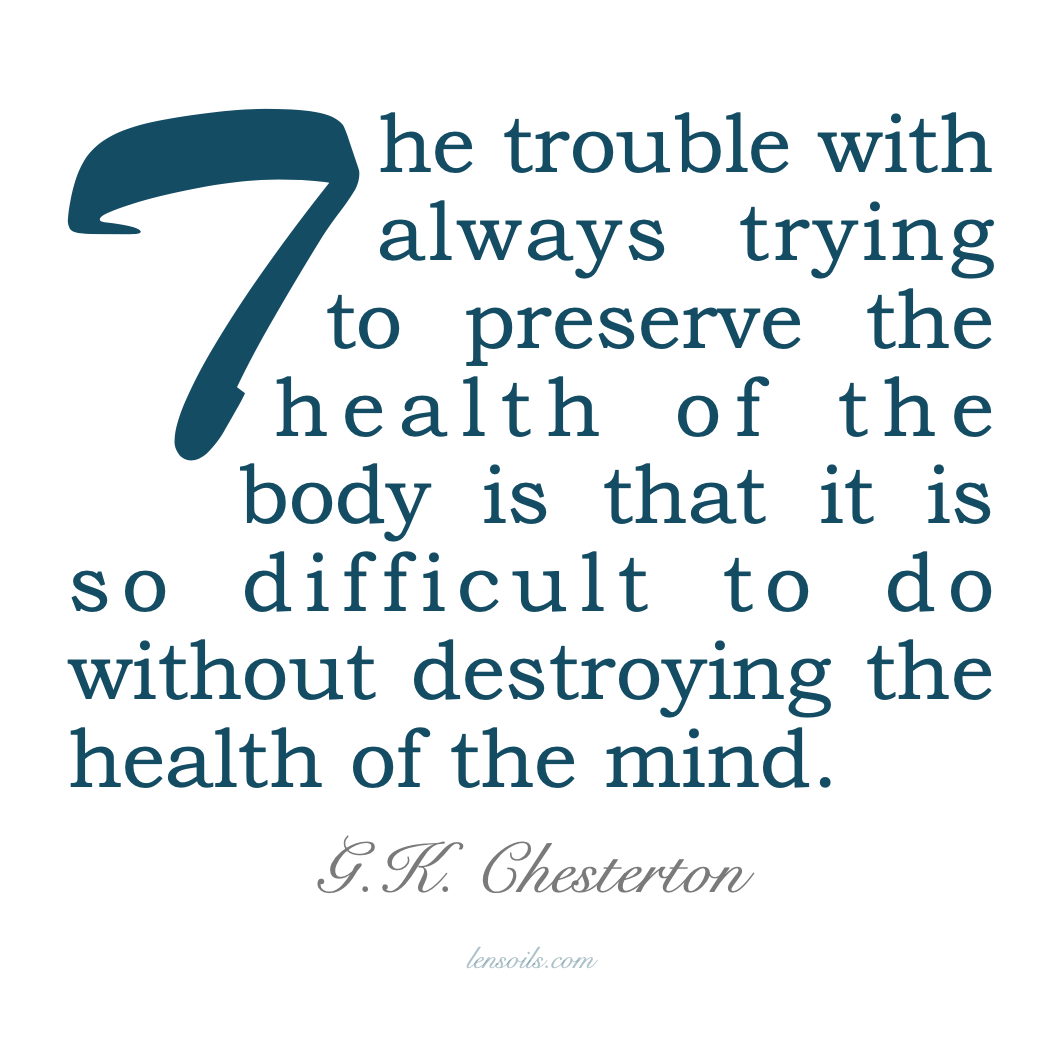
Chesterton nailed it: if you spend every waking moment trying to keep your body perfectly healthy, you may end up mentally exhausted and afraid of birthday cake. When health turns into constant monitoring, the mind never gets a day off. Real wellness leaves room for laughter, rest, indulgence, and the occasional rule-breaking snack. A sound body matters, but not at the cost of joy or peace of mind.
Story 1 of 10 — Marking 250 Years of American Freedom Printing Courage in a Season of Doubt
January 10, 1776 became clear when the pamphlet Common Sense was published in Philadelphia by Thomas Paine. Written in plain language, it argued that monarchy was unjust and that independence was not only possible, but necessary. The colonies were already at war, yet independence had not been declared, and many people still hoped for reconciliation with Britain. Fear and uncertainty shaped daily life, and unity remained fragile.
During these winter weeks, printed words became one of the most powerful tools available. Pamphlets, broadsides, and newspapers carried arguments, warnings, and appeals across colonial towns. Printing presses worked long hours despite shortages of paper, ink, and money. Printers understood that what they produced could influence public opinion, even as it placed them under scrutiny.
One such printer worked late into the night, setting type by hand in a cold shop lit by candles. British patrols still moved through nearby streets, and printing political material carried real risk. Yet presses continued to run, producing pamphlets that called for shared purpose rather than submission or fear. These pages did not promise victory. They asked readers to consider responsibility.
The words traveled far beyond the city. Farmers read them by firelight, shopkeepers shared them with customers, and soldiers passed them between camps. Many readers had never seen the members of Congress or spoken with colonial leaders. What reached them instead were ideas—arguments about liberty, self-rule, and the cost of hesitation.
At the time, these printed appeals did not create immediate agreement. Colonies remained divided, and opinions shifted slowly. But the steady circulation of ideas helped establish a common language. Even among disagreement, people began to recognize shared concerns and shared risks. Unity, when it appeared, did so gradually.
This period shows that independence did not advance only through declarations or battles. It also moved through quiet, persistent effort by ordinary people willing to act without certainty. Long before July 1776, freedom was carried forward by those who chose truth over comfort, even when the outcome was unknown.
What happened in those winter print shops did not resolve the colonies’ disagreements, but it made honest debate unavoidable. Words carried responsibility before freedom carried celebration. Long before independence was declared, people were already practicing it by choosing to think, question, and speak for themselves. That quiet discipline, repeated day after day, prepared a divided people to face the harder decisions still ahead.
References David McCullough, 1776 Thomas Paine, Common Sense (1776), Library of Congress Pauline Maier, American Scripture: Making the Declaration of Independence
These stories are grounded in documented historical events and primary sources, with limited interpretive synthesis used to connect facts and reflect lived experience where the historical record does not capture every detail.
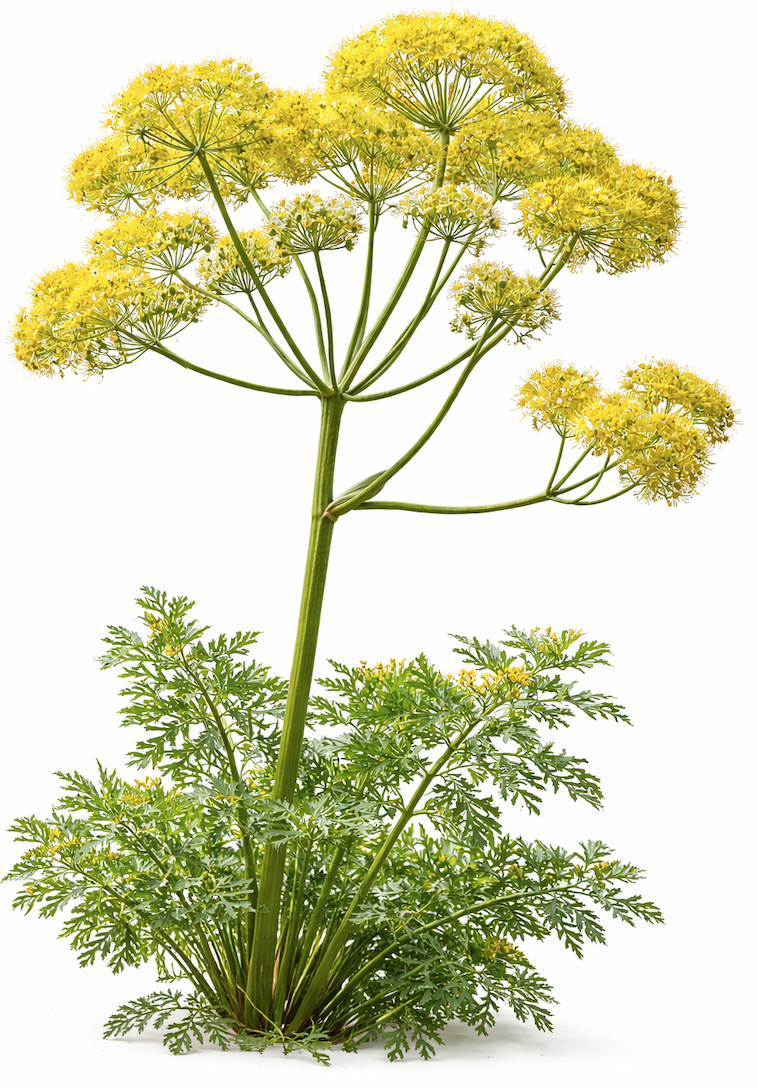
Long before people wrote recipes, laws, or letters home, they learned which plants truly mattered.Some soothed pain, some healed wounds, and some demanded immediate respect the moment they were cut.In dry lands where wind and stone shaped daily survival, a tall wild plant guarded an unusual secret.When its thick stalk was scored, a pale milky sap slowly appeared and clung stubbornly.It hardened into something unforgettable, sharp enough to stop travelers and traders alike.
Ancient traders learned quickly that not all scents were meant to charm or invite comfort. This one did not whisper politely but announced itself boldly and without apology. Strong aromas were believed to travel farther than spoken words, reaching gods, spirits, and sickness alike. People burned such substances to cleanse air, protect spaces, and steady unseen forces. Powerful smells, they believed, signaled powerful results waiting to happen.
Physicians of the ancient world paid careful attention to this persistent resin. They recorded how certain substances warmed the body and stirred systems thought to be sluggish. Greek thinkers observed its effects on breath, circulation, and physical movement within the body. They trusted plants that survived harsh terrain to perform serious internal work. Gentle cures were appreciated, but strong ones were carefully remembered and reused.
As knowledge moved westward across empires, so did this resin. Merchants carried it along dusty trade routes linking Persia with the Mediterranean world. Roman apothecaries stocked it beside oils meant for medicine, ceremony, and disciplined ritual use. It was burned in temples and mixed into salves with practical intent. This was not a scent for leisure, but for clear purpose and deliberate use.
Religious tradition eventually gave the resin a role few substances ever earn. In sacred incense formulas, it stood beside sweeter companions by deliberate design. Its presence was not optional but required for completeness. Later teachers explained it symbolized harsher parts of humanity that still belonged. Without it, the offering was considered unfinished and lacking balance within the whole.
Centuries passed, and scholars in desert libraries quietly kept the knowledge alive. Arabic and Persian physicians translated ancient texts and tested older remedies again. They used strong resins for breath, inflammation, nervous tension, and mental clarity. Trade routes ensured the substance never vanished entirely from use. Quietly, it endured while fashions and preferences rose and fell.
During the Renaissance, Europe rediscovered classical learning and old remedies together. Herbalists once again cataloged resins with careful observation and respect. They noted this one’s bitter green character and deeply grounding nature. Perfumers learned a single drop could anchor an entire fragrance structure. Too much overwhelmed the senses, while too little left something missing.
The modern era gave the resin an unexpected new stage. Twentieth-century perfumers reached for it when sweetness began to feel dishonest. They wanted clarity, sharp edges, and something unmistakably alive. This scent brought discipline and structure back into fragrance creation. It reminded the nose that beauty does not require softness to endure.
Even today, the process behind this resin has barely changed. The plant is cut, the sap collected, and the essence carefully drawn out. It appears in diffusers, massage oils, perfumes, and even household cleaners. A few drops can freshen air, ground emotions, or steady a moment. Old habits continue, simply adapted to modern bottles and everyday use.
The resin that puzzled priests, physicians, and perfumers alike is called galbanum. Used by Egyptians, Greeks, Romans, and writers of scripture, it never tried to be liked. It simply did its work faithfully, century after century, without softening its nature. Strong, honest, and unforgettable in every era it touched. And now you know the rest of the story.
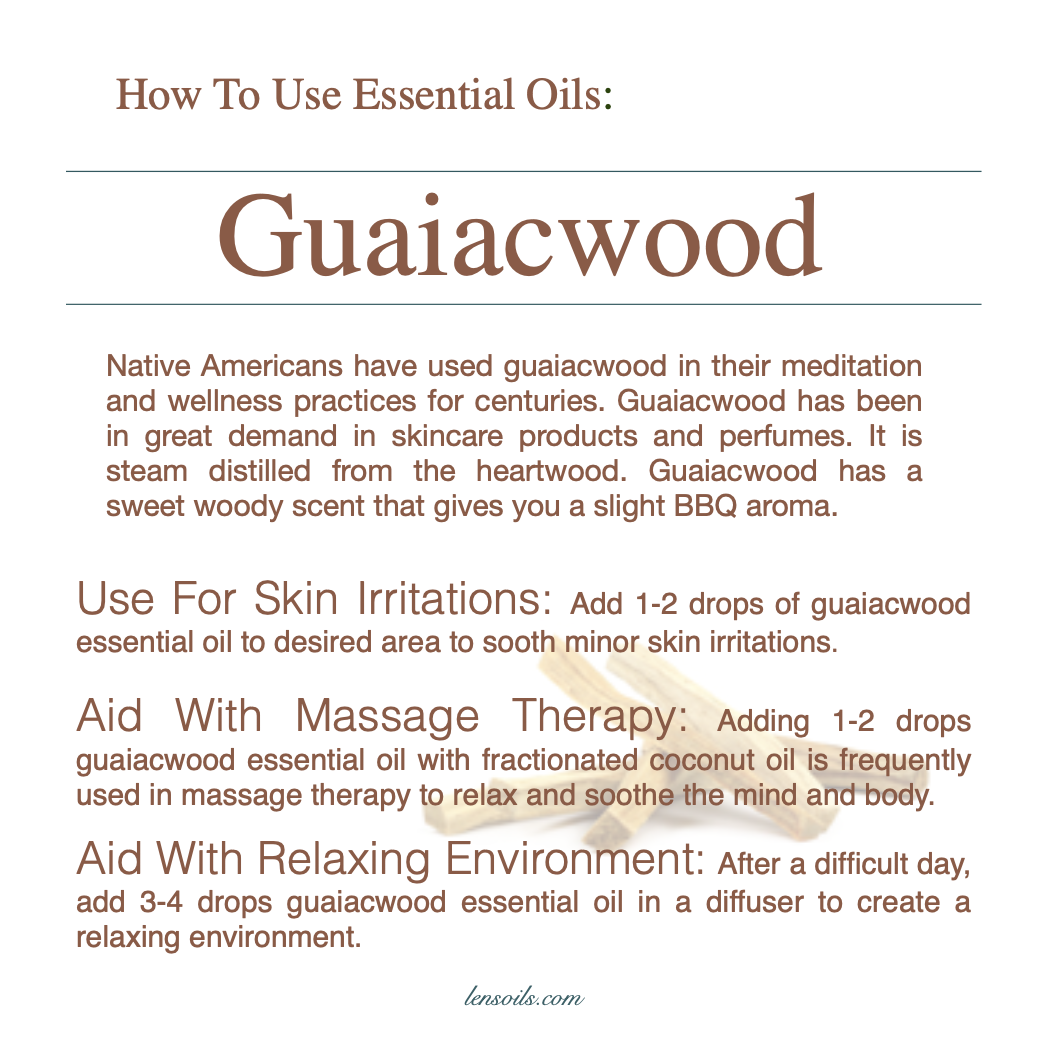
Guaiacwood essential oil has a long history of use, especially among Native American cultures that valued it for meditation and wellness practices. Steam distilled from the heartwood, this oil carries a rich, sweet, woody aroma with a subtle smoky note that many describe as gently reminiscent of a BBQ scent. Its grounding fragrance has also made it popular in perfumes and skincare products, where warmth and depth are desired.
In everyday use, guaiacwood essential oil is often chosen for its soothing qualities. When diluted and applied topically, it may help calm minor skin irritations. Blended with fractionated coconut oil, it is frequently used in massage therapy to promote relaxation of both the mind and body. Diffusing three to four drops after a long or stressful day can help create a calm, peaceful environment, making guaiacwood a comforting oil for winding down and restoring balance.
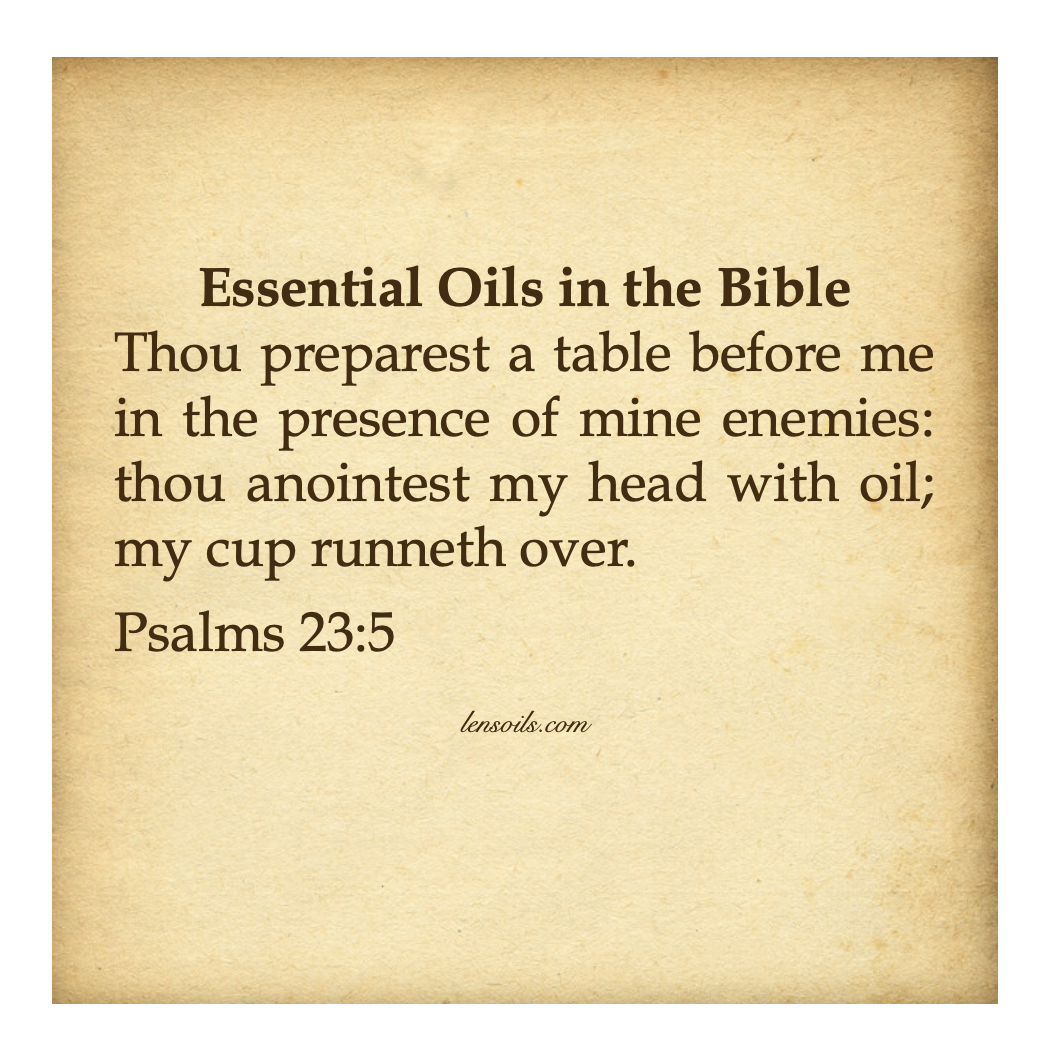
In biblical times, oil was part of everyday life. Olive oil was used for food, skin care, healing, hospitality, and honoring guests. When Psalm 23 says, “thou anointest my head with oil,” it describes a familiar act of refreshment and care. To be anointed meant you were welcomed, valued, and restored, even while challenges were still present.
Essential oils fit naturally into this setting. Aromatic plants such as frankincense, myrrh, and spikenard were infused into oils and used for comfort, cleansing, and spiritual devotion. When David wrote these words, he was drawing from practices people understood well, linking physical care with peace, provision, and a sense of abundance so full that, as he said, the cup truly ran over.
Some of my earliest memories as a kid are watching movies on television with my mom. When I was five, I was watching an old black-and-white movie on our old black-and-white TV. It was a scary movie for me as a five-year-old. I remember hearing the scary music and knowing I would soon see the scary man, then being frightened by the near miss of the fast-speeding car. Around the time our family moved into the new house my dad built, our TV died and it was not replaced.
When I was in first grade, the teacher said anyone needing extra help reading should watch Sesame Street. I was able to go over to a kid in my class’s house to watch this show for extra help. From the time I was about five to twelve, our TV watching stopped. My mom said she was not going to have her kids grow up to be TV idiots. During this time, our home was filled with other activities instead, and our days were busy and loud in different ways.
During those same years, my mom saw an ad in the newspaper that read, “Anyone that is not exposed to watching TV, please let us do a test to see what images affect your emotions.” This was for kids ages eight to twelve and paid ten dollars for the child’s time. My mom responded to the ad. I remember being hooked up to electrodes while we watched short movie clips to see how we reacted. We walked out of the University of Utah ten dollars richer, and my brother and I thought that was amazing.
Then something wonderful happened. My dad was a Salad Master salesman, and he won a black-and-white TV. It felt magical. My parents were very strict about TV viewing, so we didn’t get to watch much. There were Friday night movies that we got to watch as a family. We didn’t get to watch TV on Sundays. Instead, we were told to play a game with a sibling, read a book, or make a treat for the family to eat.
On rare occasions, after a lot of pleading, we were able to watch The Ten Commandments with Charlton Heston or The Wizard of Oz. When summer came, Mom said if we hurried really fast and did our chores, we could watch The Big Money Movie or Dialing for Dollars. During these shows, they would give away money if you were called and knew how much money had been collected. It wasn’t much, usually about fifty dollars, but sometimes as much as three hundred. We watched old black-and-white movies, lots of westerns, adventure movies, and sometimes mysteries. During commercials, we watched the money total and hoped we would get called. I think we won fifty dollars once. Two shows my mom would never say no to were The Andy Griffith Show and I Love Lucy. She loved to laugh, and these shows had good values and were funny.
Years later, when I was in ninth grade, we got a color TV. I remember seeing The Wizard of Oz for the first time in color, and we all thought it was amazing. Popcorn and watching old movies were synonymous, going hand in hand. When I was nineteen, I was at a friend’s house watching Leave It to Beaver for the first time. When you don’t have a TV, you miss out on some of the shows other kids grow up with. After my dad died, I went over to my mom’s place every Thursday, and we watched old movies together and old black-and-white TV shows like Gunsmoke or Ironside. Looking back on this part of my life really makes me smile with fondness.
Looking back now, I realize it wasn’t really about television at all. It was about time, attention, and being together. Our house was anything but quiet, full of noise, movement, and life, yet those moments of watching together created a shared pause. My dad loved good movies too, but he was busy working to take care of his family. He had a great laugh, and I can still hear his laughter during the funny moments. My mom’s laughter, the popcorn, the firm rules, and later those Thursday nights after my dad passed all blended into something lasting. Those simple hours in front of a screen became moments of connection, comfort, and love, and they remain some of the warmest memories I carry with me today.
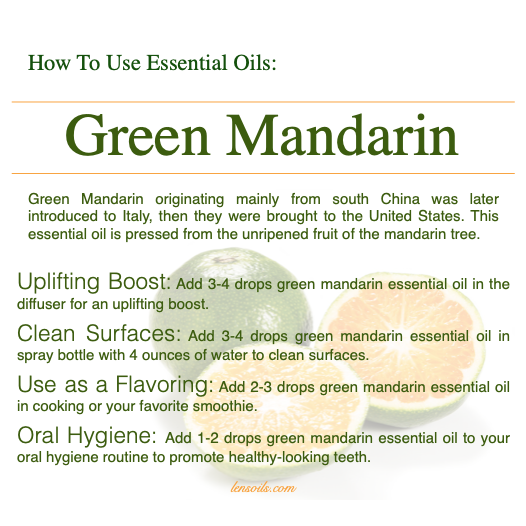
Green Mandarin essential oil is cold-pressed from the unripened fruit of the mandarin tree and has a fresh, slightly sweet citrus aroma that feels bright and cheerful. Originating in southern China, the mandarin tree later made its way to Italy and eventually to the United States, where it became valued for its gentle yet uplifting qualities. Diffusing three to four drops can provide an instant mood boost, helping create an environment that feels light, positive, and energized.
Beyond aromatherapy, Green Mandarin is a versatile oil for everyday use. Its naturally fresh scent makes it a pleasant addition to homemade surface cleaners when added to water in a spray bottle. The oil’s mild citrus flavor also works well in cooking or smoothies, adding a refreshing note to both sweet and savory recipes. Additionally, a drop or two can be incorporated into an oral hygiene routine to support healthy-looking teeth, making Green Mandarin a bright and practical oil for both wellness and home care.
Eat well, be active, feel good about yourself — a simple plan until a donut appears, the couch calls your name, and your confidence needs a reboot. Still, it works. Feed your body like it matters, move it the way it was designed to move, and stop talking to yourself like a disappointed gym teacher. Health isn’t perfection or kale worship — it’s doing the basics most days and laughing when you don’t.
Ten years ago, I was introduced to something that has transformed my life: essential oils. Yes I was a big skeptic about them at first, but I now use essential oils on a daily basis in every area of my home, and they have completely changed my life! My medicine cabinet has been completely transformed, and I am now empowered with the tools and knowledge to care for my family.
When I realized I could get free products AND create residual income? I got really excited! As a result, of my essential oil journey, and passion helping others, l’m ready to help you get started with your essential oil journey as well.
The best part about essential oils is that there is an option for everyone, whether you want to simply enjoy the products for yourself and transform your family’s health (and get free stuff in the process) OR you’re ready to build a team, create residual income, and get out of debt.
If any of these options sound appealing to you, let’s chat! ‘ll help you figure out which option will be the best fit for you, plus you can qualify for some awesome incentives in the process.
can’t wait to talk to you! love sharing essential oils
Please text Free Sample or call me at 801-661-4786 will be sure to get back to you as soon as possible.
Or
Send me an email at lfish64@lfish64 with the heading Free Sample It will be an honor to help you in any way that I can.
Or
Write a letter requesting a Free Sample to
Leonard Fish 5075 Rushton Acres Court West Valley City, Utah 84120





 Len's Oils