Cypress-Did You Know?

CypressDid you know Cypress is the oil of motion and flow? Cypress teaches our spirit how to let go of the past by going with the flow of life. Cypress gives support to people by helping them throw aside their worries and let go of control allowing them to enjoy the excitement that comes from being alive, and being fully in the present.

Mediterranean Cypress has been widely cultivated as an ornamental tree for millennia away from its native range, mainly throughout the whole Mediterranean region, and in other areas with similar hot, dry summers and mild, rainy winters. Natural forest stands of the species mainly occur in the western part of the Mediterranean region of Turkey.

It is also known for its very durable, scented wood, used most famously for the doors of St Peter’s Basilica in the Vatican City, Rome. The Mediterranean Cypress is also known as the “drama tree” because of its tendency to bend with even the slightest of breezes.

Cypress oil is known to mankind since ancient times and has been used in many traditional medicines. Aromatherapy has been another important usage of this essential oil which has been a common practice for a long time. It is also known for the cross on which Jesus was crucified was made from the wood of cypress tree.

The oil from the cypress tree assists with clear breathing. Promotes healthy respiratory function. Soothes tight, tense muscles. Supports localized blood flow. Beneficial for oily skin conditions. It has a grounding, yet stimulating effect on the emotions, making it a popular oil to diffuse during times of transition or loss.
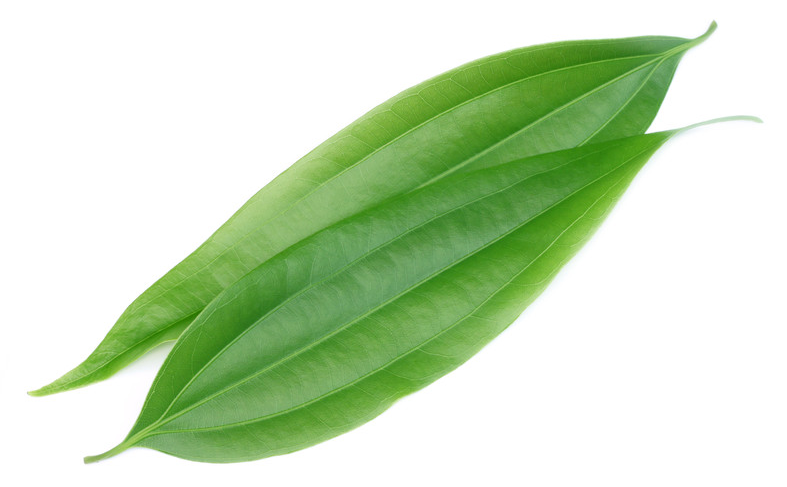
Cassia-Did You Know?

Cassia LeafsDid you you know Cassia is the oil of Self Assurance? Cassia brings pleased delight, and the ability to do things that might frighten you. It is a delightful remedy for those that show nervousness or have a lack of courage. Cassia helps people with a feeling of doubt or disbelief by replacing these feelings with self assurance. Cassia helps people in self discovery of their authentic self.

Cassia is mentioned three times directly in the Bible, and mentioned over 65 times indirectly. It is a fragrant, aromatic bark and was probably used in a powdered form, and as one of the perfumes at funerals. Cassia, like cinnamon, was used by the Romans. Cassia was recorded in one of the oldest known medical records. It was in the Ebers papyrus an ancient book that contains over 800 recipes.

Cassia is a close relative to Cinnamon, has a strong, spicy aroma that can be used in small quantities to transform any essential oil blend. Cassia has been used for thousands of years to maintain physical health and promote emotional well-being. Cassia has an unmistakable fragrance and calming properties.

Cassia is a “warming” oil that helps promote circulation while maintaining healthy immune function. It can also aid in digestion, lessen nausea, and is a great oil to diffuse during cold months due to its warming properties and spicy scent.

Due to its caustic nature, Cassia should be diluted with Fractionated Coconut Oil when applied to the skin and can be very strong when inhaled directly. When diluted, Cassia can help soothe sore, achy joints. Cassia can be used in cooking either as a replacement for Cinnamon in pies and breads, or by itself in many different entrees and desserts.

Serving Others

Daniel Fish Graduation
A few years ago I was at my son Daniel’s graduation ceremony from High School. The principal started her commencement talk by recognizing people who have made a difference at Hunter High School

She first had the 4.0 students stand, then the honor roll students, one by one and sometimes in large groups people were standing in recognition for things they had accomplished.Lastly she requested that anyone who had provided a service stand. Almost everyone was standing at this point.

I noticed there were 6-8 people still seated at this point. I thought to myself, “How sad that these students were still sitting down.” Either they didn’t understand the importance of service or they couldn’t recognize the times they were serving even when they were helping others.

One of the reasons I like essential oils so much is I know others will benefit from using them, I love going out of my way to help people. At this point it is no longer about making money, it is about helping and serving others. As a result of this attitude I have been blessed with many amazing experiences with people using essential oils.

Essential Oils Bugs Don’t Like

Essential Oils Bugs don't Like

Ants: Don’t like Peppermint, or Spearmint.
Aphids: Don’t like Cedarwood, or Spearmint.
Beetles: Can’t stand Peppermint, or Thyme
Caterpillars: Stay away from Spearmint or Peppermint.
Cutworms: Don’t like Thyme.
Fleas: Don’t like Peppermint, Lemongrass, Spearmint, and Lavender.
Flies: Avoid the smell of Lavender, Peppermint, and Rosemary
Gnats: Don’t like Patchouly or Spearmint.
Lice: Run away when they smell Cedarwood, Peppermint, or Spearmint.
Mosquitoes: Don’t like Lavender, and Lemongrass.
Moths: Go fly somewhere else when they smell, Lavender, Peppermint, or Spearmint.
Can’t stand Cedarwood.
Snails: Don’t like Cedarwood, or Patchouly.
Ticks: Don’t like Lemongrass, or Thyme.
Weevils: Don’t hang out around Cedarwood, Patchouly, or Sandalwood.

Birch-Did you know?

birchDid you know Birch is the oil of support? Birch offers support to the unsupported. When a person is feeling unsupported or attacked by friends or family, Birch offers courage to help you move in a positive direction alone. It helps assist people overcome negative generation patterns especially when you are being rejected for choosing another path.

Birch trees have been important to many indigenous people in the northern latitudes.  Historically, Birch (Betula papyrifera) as well as other species, were possibly the most important trees for survival. This tree increased the quality of life of people for thousands of years. The fact that the Birch tree varies in thickness and can be split in numerous layers, and that it has a resinous inner bark, which makes it waterproof and resistant to decay. This makes the birch tree extremely versatile.

One of its great uses was for shelter. Native people of what is now the United States, used Birch to make Wigwams, Tee-pees and other structures for living. The inner bark of Paper Birch was used extensively to repel water from structures.  Probably the most well know use of Birch is its use in making canoes. Canoes have been a part of cultures around the world for many hundreds of years.

In Russia, an old folk remedy for rheumatism was to completely cover the afflicted person with Birch leaves, which resulted in a cleansing sweat and subsequent relief. Native Americans prepared a mushy paste by boiling and pounding the bark, so it could be spread on inflammatory skin conditions, ulcers cuts and wounds. The French have used Birch oil for rheumatism, muscular pain,  tendonitis and inflammation.

Birch is very effective in promoting circulation, making it ideal for massage therapy and to soothe sore joints and muscles. Diffusing and inhaling Birch supports clear airways and breathing while stimulating the mind and enhancing focus. Birch can be applied topically and is beneficial in purifying the skin and maintaining a clear, healthy complexion.

Black Pepper-Did You Know?

Pepper cornsDid you know Black Pepper is the oil of unmasking? It reveals the masks and superficial facades people use to hide aspects of one’s self. Since childhood, most of us have been taught that some feelings and behaviors are acceptable while others are not. So instead of seeking to understand feelings and behaviors that appear to be inappropriate, they usually judge and condemn. People learn early in life in order to be loved, and excepted they must hide their negative behaviors behind a mask or facade. Black Pepper helps people find their authentic self.

Black Pepper also comes in green, red, and white all from the same plant. The color is related to how ripe it is and how it has been processed. Black Pepper is the number one selling spice in America. Pepper is native to India, and grows as a tall vine with the peppercorns as flowering drupes. It has been used in cooking for over 2000 years!

Pepper was mostly eaten by the wealthy in the past, as it was so expensive and sought after. Traders formed spice routes from India to Europe and would often fight over them. In the Middle Ages a man’s wealth was measured by his stock pile of pepper. The Romans would even demand pepper as a ransom when besieging a city.

Black Pepper gets its kick from the compound peperine. Black Pepper loses its flavor and aroma through evaporation, so its best to keep it in an airtight container. Consider using whole peppercorns and grinding just before use to maintain flavor, and add near the end of cooking.

Black Pepper essential oil is high in monoterpenes and sesquiterpenes, known for their antioxidant activity and ability to help ward off environmental and seasonal threats. Black Pepper promotes healthy circulation both internally and externally, but should be used with caution when applied topically due to its strong warming sensation. It may also help curb urges to smoke.

Essential Oils in the Bible

Bible“Each young woman’s turn came to go in to King Ahasuerus after she had completed twelve months’ preparation, according to the regulations for the women, for thus were the days of their preparation apportioned: six months with oil of myrrh, and six months with perfumes and preparations for beautifying women.”
ESTHER 2:12