Melissa-Did You Know?

Melissa Lemon BalmDid you know Melissa is Greek for “honey bee”? Melissa essential oil is the Oil of Light. Melissa oil brings to mind truth, and light to the soul. It reminds us of who we are, and why we came to this earth. Melissa invites people to release everything, and anything that holds them back from reaching their greatest potential. When people are feeling weighed down with life’s burdens, Melissa encourages them to keep going.

Melissa also know as Lemon balm has become popular with continued use through the years. So widespread was lemon balm’s reputation for promoting longevity, and dispelling melancholy that by the 17th century, French Carmelite nuns were giving out their Carmelite Water to a faithful following. The lemon-balm infused “miracle water” was thought to improve memory, vision, reduce rheumatic pain, fever, melancholy, and congestion.

In the mid 1500’s to 1700’s when the colonization of the North American continent was occurring, the settlers brought tools, and equipment over with them but more importantly they brought their cherished medical herbal books, and healing plants as well. Lemon balm was one of these herbs of great importance for its many uses. The colonist used lemon balm for cooking, and flavoring, for beverages such as teas and wines, medicine, cosmetic, and house- hold uses such as cleaning, and aromatic uses.

Because of its positive effect on mood, Melissa has long been used to calm tension, and nerves. Diffusing Melissa at night initiates a restful sleep, and promotes emotional, and cognitive health. Melissa helps boost immunity and is especially beneficial when seasonal threats are high. Melissa can also soothe stomach discomfort and help with nausea and indigestion. As one of our rarest and most expensive oils, Melissa has a wide range of health benefits and uses.

Marjoram-Did You Know?

MarjoramDid you know Marjoram essential oil is the Oil of Connection? Marjoram assists people who are unable to trust others or form a serious relationship. Being unable to trust often originates from unpleasant life experiences. Marjoram teaches that trust is the foundation for all human relationships.

Marjoram is surrounded by mythology. People thought marjoram was created by the greek goddess Venus who gifted it with its pleasant sweet flavor and aroma. This is one of the most desired sought after herbs by Aphrodite. People believed that when an unmarried girl kept a marjoram plant in her bed she would see Aphrodite in her dreams, who would then reveal to her, a prospective husband.

By the middle ages, marjoram was worn by couples as garlands to represent love, warm respect, and contentment. It was also added in the food to encourage devotion. Due to its sweet aroma, it was frequently used as deodorant and carried in bouquets and sweet bags. People of England used marjoram as a preservative.

Marjoram was known to the Greeks and Romans as a symbol of happiness. Marjoram has been used in culinary dishes, imparting a unique flavor to soups, stews, dressings, and sauces. In Germany, Marjoram is known as the “Goose Herb” for its traditional use in roasting geese.

In traditional Austrian medicine, Marjoram was used to promote gastrointestinal health and to purify the skin. In modern applications, Marjoram is valued for its calming properties, and for its positive effect on the nervous system. It also soothes tired, stressed muscles, and supports both healthy cardiovascular, and respiratory systems.

Juniper Berry-Did You Know?

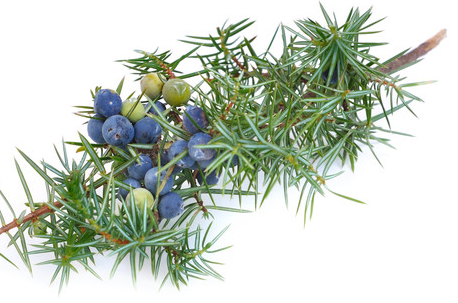
Juniper BerryDid you know juniper berry essential oil is the oil of the night? Juniper berry aids those who fear darkness or a particular feature about themselves. Juniper berry gives support to people, to learn the lesson, and face their fear. Juniper berry helps bring back the balance between light and darkness. It acts as a guide on the road toward being whole.

Juniper Berries are native to the northern part of the world and Europe. Juniper Berries were found in ancient Egyptian tombs, like in the tomb of Tutankhamun. Many believed that these berries might have migrated into Egypt from Greece. The Greek records have shown that Juniper Berries were used in medicine before it was discovered to be used in food. The berries were widely used in Olympic events because the Greeks believed that the berries could increase physical strength among athletes.

The Western American Native Tribes have used these berries to suppress appetite in times of famine and hunger. On the other hand, Juniper Berries were initially intended for medications because of them being a diuretic and good remedy for arthritis and rheumatism. The Native Americans also have used the seeds of the berries for decoration and jewelry. The Swedes used the extracts from Juniper Berries as a topical medicine for the treatment of inflamed joints and wounds.

Juniper Berry essential oil has a rich history of traditional uses and therapeutic benefits. Juniper Berry acts as a natural cleansing agent, both internally and externally. Juniper Berry supports healthy kidney and urinary function, and is very beneficial to the skin. Its woody, spicy, yet fresh aroma, has a calming effect that helps relieve tension and stress. When diffused, Juniper Berry helps to cleanse and purify the air.

Learn to Appreciate

IMG_20151016_161510297Once upon a time, there was a man who was very helpful, kindhearted, and generous. He was a man who will help someone without asking anything to pay him back. He will help someone because he wants to and he loves to. One day while walking on a dusty road, this man saw a purse, so he picked it up, and noticed that the purse was empty. Suddenly a woman with a policeman shows up, and gets him arrested.

The woman kept on asking where did he hide her money but the man replied, “It was empty when I found it, Ma’am.” The woman yelled at him, “Please give it back, It’s for my son’s school fees.” The man noticed that the woman really felt sad, so he handed her all his money. He could see that the woman was a single mother. The man said, “Take these, sorry for the inconvenience.” The woman left, and the policeman held the man for further questioning.

The woman was very happy but when she counted her money later on, it was doubled, she was shocked. One day while the woman was going to pay her son’s school fees, she noticed that some skinny man was walking behind her. She thought that he may rob her, so she approached a policeman standing nearby. He was the same policeman, who she took along to inquire about her purse. The woman told him about the man following her, but suddenly they saw that the man collapse. They ran towards  him, and saw that he was the same man whom they arrested few days back for stealing a purse.

He looked very weak and woman was confused. The policeman said to the woman, “He didn’t return your money, he gave you his money that day. He wasn’t the thief but hearing about you son’s school fees, he felt sad and gave you his money.” Later, they helped man stand up, and man told the woman, “Please go ahead and pay your son’s school fees, I saw you, and followed you to be sure that no one steals your son’s school fees.” The woman was speechless.

Moral: Life gives you strange experiences, sometime it shocks you and sometimes it may surprise you. We end up making wrong judgments or mistakes in our anger, desperation and frustration. However, when you get a second chance, correct your mistakes, and return the favor. Be Kind and Generous. Learn to Appreciate what you are given.

Submitted By: Ida, United States

Petitgrain-Did You Know?

petitgrain-orange-leafDid you know petitgrain is the oil of ancestry? Petitgrain brightens patterns and inclinations of unconsciously repeating family mistakes. The person in need of petitgrain is lacking the skills or unwilling to remove themselves from their families way of thinking. Instead they follow in the footsteps of their ancestral traditions.

When I first opened the bottle of petitgrain I couldn’t put my finger on the smell, then it occurred to me that it smells a little bit like fried green tomatoes that I ate a lot of as a child. There are three essential oils that come from the bitter orange tree. Petitgrain is distilled from the leaves and twigs of the tree. Neroli essential oil is distilled from the blossoms and bitter orange oil is produced by cold pressing the rinds of the fruit.

Originally the oil was produced in distilleries from the unripe oranges when they were the size of grapes. This explains why it is named Petitgrain, which in French means little grains. Nevertheless, this proved to be uneconomical and so the oil began being extracted from the leaves and twigs of the orange tree instead.

Historically, petitgrain essential oil has been used for cleaning purposes and it has been used internally to support healthy immune system and nervous system function. Emerging scientific evidence provides support for these tradition and other uses. Adding one or two drops to water or juice may help support the health of cardiovascular, immune, nervous and digestive systems.