 Did you know Peppermint is the oil of a buoyant heart? Peppermint brings happiness, and optimism to the heart and soul. It gives strength to the body, mind and spirit, and reminds us that life can be filled with happiness, and there is nothing to fear. When a person uses Peppermint they feel as though they are moving smoothly through life.
Peppermint (Mentha piperita) is one of hundreds of species in the genus Mentha which also includes spearmint, water mint and forest mint originating in North America and the Mediterranean area of Europe. Peppermint is actually believed to be a naturally occurring hybrid of spearmint and water mint. While some claim peppermint was not hybridized and cultivated until the 18th century in England, peppermint is referenced in ancient texts.
Peppermint oil can also calm the spasms that cause muscle cramps? Menthol which is in peppermint provides effective relief from many respiratory problems including nasal congestion, sinusitis, asthma, bronchitis and the common cold and cough. It is often included as an ingredient in natural chest rubs to help with congestion.
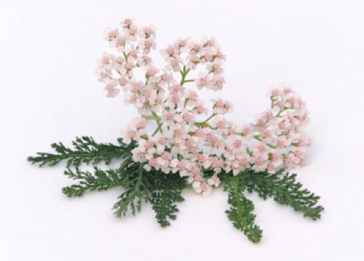 Did you know yarrow is native to Europe? Now commonly found growing wild in North America (except far north). Yarrow is a familiar plant in meadows and fields, along the sides of country lanes, roadsides, on embankments, and in landfills. Yarrow is a member of the daisy family. In many parts of Europe yarrow was believed to protect against all evil.
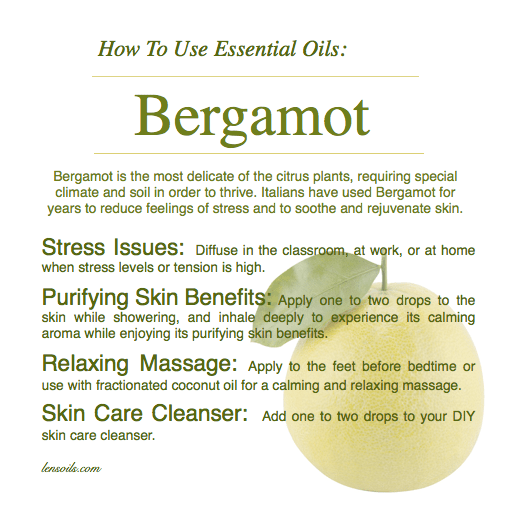 Possible skin sensitivity. Keep out of reach of children. If you are pregnant, nursing, or under a doctor’s care, consult your physician. Avoid contact with eyes, inner ears, and sensitive areas. Avoid sunlight or UV rays for up to 12 hours after applying product.
 Did you know tangerineʼs have strong qualities of cheer and joyfulness? People who at times feel overwhelmed by responsibility would benefit from the the uplifting vibration that comes from tangerineʼs. Another important aspect of tangerine is itʼs ability to help us access our creative energy within our spirit.


 Nutmeg oil is an essential part of Chinese medicine when it comes to treating abdominal pain and inflammation.
 Len's Oils