Citronella essential oil, distilled from a tall grass native to Asia, is widely recognized for its crisp, lemony-fresh aroma and natural insect-repelling qualities. For generations, it has been used to ward off mosquitoes, spiders, and other pests by masking human scents that attract them. Beyond its well-known bug-repellent benefits, citronella oil also helps freshen the air, making it a popular choice for diffusing during outdoor gatherings or in stuffy indoor spaces. Its clean and uplifting scent not only protects but also creates a refreshing, energizing environment.
In addition to keeping pests away, citronella essential oil offers cleansing and purifying properties that make it useful around the home and in personal care. When added to water, it can be used to clean surfaces and eliminate odors naturally. In hair care, a few drops blended into shampoo or conditioner can help reduce buildup and leave the scalp feeling refreshed. Whether used to brighten a room, cleanse the home, or keep insects at bay, citronella oil is a versatile essential oil with benefits that extend well beyond outdoor use.
Did You Know? Citronella is often confused with lemongrass, but they are actually two different plants. While both belong to the same family and share a fresh, citrus-like aroma, citronella is especially rich in compounds that make it more effective as a natural insect repellent. Because of this, it has long been used not only in essential oils but also in candles, sprays, and outdoor products to help keep pests away.
In the misty highlands of a distant land, a small, unassuming shrub grew wild among the rolling hills. Its glossy green leaves sheltered clusters of tiny red berries, overlooked by most but quietly holding a secret that would one day change the world.
For centuries, the people who lived near these plants had little use for them. They watched as animals plucked the ripe fruit, feasting on the bright berries with an energy that seemed almost unnatural. Shepherds and travelers observed how their livestock, after nibbling on the berries, became livelier, their weariness vanishing as they climbed steep terrain with renewed vigor. It was a mystery—one that would soon capture the curiosity of an unlikely figure.
One of the most famous stories surrounding this discovery is that of Kaldi, a goat herder in Ethiopia. According to legend, which is believed to have originated in the 9th century (800s AD), Kaldi noticed his goats behaving strangely after eating the berries. They leaped and danced through the hills, seemingly tireless, their energy boundless. Intrigued, Kaldi sampled the fruit himself and felt the same surge of vitality. He brought his discovery to a local monastery, where the monks, skeptical at first, brewed the berries into a drink. Soon, they found themselves able to stay awake through long hours of evening prayer. The secret was out.
While the story of Kaldi has endured for centuries, historical records suggest that the first verifiable use of these berries as a beverage appeared much later, in 15th-century Yemen. There, Sufi monks used them to stay alert during extended prayer sessions, refining the practice of roasting and brewing the beans. By the 17th century, European writers documented Kaldi’s tale, most notably Antoine Faustus Nairon, a Roman professor who, in 1671, published one of the earliest books on the subject. Though likely a myth, the Kaldi legend remains a charming part of this berry’s fascinating history.
News of the energizing berries spread. Merchants carried them across trade routes to the Arabian Peninsula, where they were roasted and brewed into a bold, dark beverage. In the bustling markets of the Middle East, it became a drink of scholars, poets, and thinkers. It was said to sharpen the mind, lift the spirit, and invigorate the body. By the 15th century, its use had expanded from religious devotion to social gatherings. Entire establishments—called qahveh khaneh—emerged, serving this newfound elixir to merchants, philosophers, and political leaders.
But what exactly was this mysterious plant? It defied simple classification. The plant itself produced small, cherry-like fruits in clusters along its branches. These fruits, often called cherries or berries, contained two seeds inside, protected by layers of skin, pulp, mucilage, and parchment. Yet once extracted, dried, and roasted, those very seeds took on an entirely new identity. Though not true legumes, they resembled beans in shape and function, and so the world called them beans instead of berries. A fruit by nature, a bean by name—this remarkable plant blurred the lines between botanical classification and everyday experience.
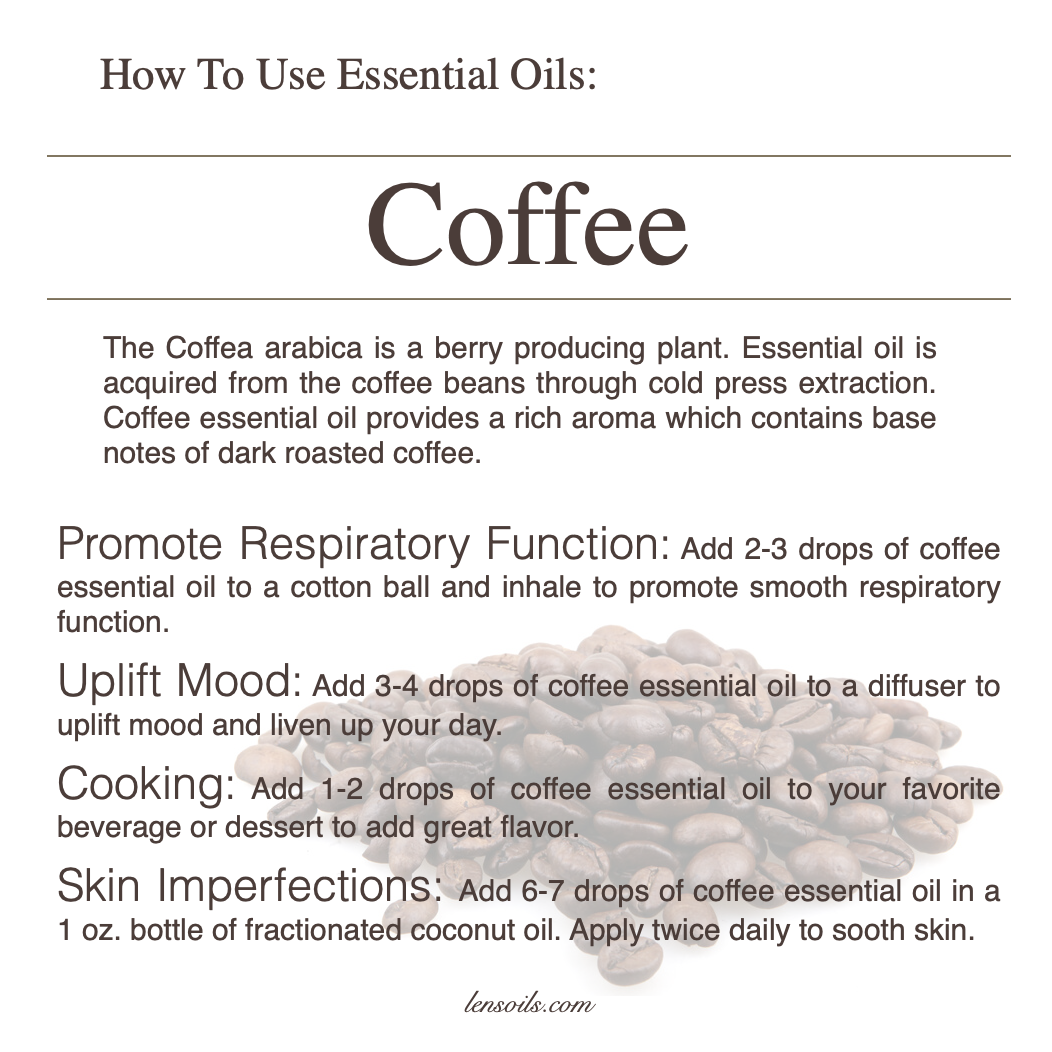
Beyond its role as a beloved beverage, this plant has also found its way into the world of essential oils. The oil, extracted through cold pressing, captures the deep, rich aroma of roasted beans, filling a room with warmth and energy when diffused. Used in aromatherapy, a few drops can uplift mood and promote mental clarity. When blended with coconut oil, it can be applied to the skin, helping to reduce imperfections and revitalize dull skin. Its bold, earthy scent pairs well with vanilla and ylang-ylang, creating an indulgent fragrance blend that is both comforting and invigorating. Whether used for respiratory support, relaxation, or skincare, its benefits extend far beyond the morning cup.
By the 17th century, it had made its way to Europe. At first, some viewed it with suspicion, calling it the “bitter invention of Satan.” But when Pope Clement VIII tasted the dark, aromatic drink, he declared it too delightful to be forbidden. With his blessing, it spread rapidly across the continent. In London, gathering houses became known as “penny universities,” where patrons could exchange a penny for a steaming cup and stimulating conversation. The Age of Enlightenment was fueled, quite literally, by this miraculous beverage.
Despite its humble origins, it has shaped economies, fueled revolutions, and inspired countless innovations. It became a daily ritual, a necessity for millions across the globe. Wars were fought over it, fortunes built upon it, and cultures forever changed by it. It was no longer just a berry from the highlands—it was a global phenomenon.
The berry that woke the world? Coffee Bean. A discovery made by an observant herder—perhaps real, perhaps legend—refined by centuries of cultivation, and embraced by generations seeking energy, clarity, and connection. It is poured into cups in every corner of the world, its aroma filling homes, offices, and cafés alike. Whether sipped in quiet solitude, diffused for its rich scent, or applied to the skin for renewal, it remains one of history’s greatest gifts. And now, you know the rest of the story.
If you are ready to look at the world from a different point of view. Give me a call 801-661-4786 or email lfish64@yahoo.com TEXT FREE SAMPLE if you would like to try an essential oil. I love sharing essential oils with people for a new way to look at health and wealth.
Cilantro (Coriandrum sativum) has been used in culinary and medicinal traditions for centuries, valued for both its distinctive flavor and health-supporting properties. Known for its fresh, herbaceous aroma, cilantro is widely used in cooking, particularly in Mexican, Middle Eastern, and Asian cuisines. The essential oil, derived from cilantro leaves, is highly concentrated, and a small amount goes a long way. A common method for culinary use is dipping a toothpick into cilantro essential oil and stirring it into dishes, as even one full drop may be too strong. Beyond its culinary appeal, cilantro essential oil is believed to promote digestion and help detoxify the body. Some practitioners suggest placing two drops of cilantro essential oil in a veggie capsule to support natural cleansing processes. While cilantro has been traditionally used for detoxification, more scientific studies are needed to validate its direct impact on heavy metal removal and long-term detox benefits.
Cilantro essential oil is also frequently used for digestive support. Many individuals add one drop to four ounces of water to assist digestion after a heavy meal, a practice based on cilantro’s traditional use in easing bloating and occasional stomach discomfort. Additionally, diffusing one drop of cilantro essential oil with three drops of lime essential oil can create a refreshing herbal aroma, often used to promote a sense of freshness and mental clarity. Some aromatherapists believe that cilantro’s invigorating scent may also contribute to emotional balance and stress reduction. While these benefits are widely supported by holistic wellness practices, further clinical research is required to fully understand cilantro essential oil’s physiological effects on digestion and mood enhancement.
Beyond its culinary and detoxifying properties, cilantro essential oil is being explored for its potential antibacterial and antimicrobial effects. Some studies suggest that cilantro oil contains compounds that may help inhibit certain bacteria, making it a potential natural preservative. It has also been traditionally used in folk medicine for immune support, though its efficacy compared to standard antimicrobial treatments remains an area of study. Despite these uncertainties, cilantro essential oil remains a highly versatile oil, offering culinary, digestive, and aromatic benefits, making it a valuable addition to natural wellness practices.
Julia Lawless is a renowned authority in the field of aromatherapy and essential oils, celebrated for her extensive contributions as an author, educator, and entrepreneur. Her seminal work, The Encyclopedia of Essential Oils, first published in 1992, has become a cornerstone reference for both practitioners and enthusiasts. This comprehensive guide offers detailed insights into the properties, uses, and applications of a wide array of essential oils, solidifying its place as an indispensable resource in aromatherapy literature.
In 1978, Julia’s mother, Kerttu, a Finnish biochemist, founded a company specializing in essential oils. Building upon this legacy, Julia established Aqua Oleum in 1988, a brand dedicated to providing high-quality, pure essential oils and aromatherapy products. Under her leadership, Aqua Oleum has maintained a commitment to purity and sustainability, ensuring that their products are both ethically sourced and environmentally friendly.
Julia’s passion for essential oils was kindled during her childhood. Growing up in a family with a strong herbal tradition, she was influenced by her mother’s research in aromatic oils. This early exposure instilled in her a deep appreciation for the therapeutic potential of plants and set the foundation for her future endeavors in the field.
Beyond her work with Aqua Oleum, Julia has dedicated herself to educating the public about the benefits and safe use of essential oils. She has authored numerous books, including The Complete Illustrated Guide to Aromatherapy and The Aromatherapy Garden, which provide accessible information to readers of all levels. Her writings emphasize the importance of understanding the holistic relationship between plants and human health, encouraging a balanced and informed approach to aromatherapy.
In addition to her writing, Julia is a qualified aromatherapist and has studied both Western and Tibetan herbal medicine. Her diverse training allows her to integrate various healing traditions into her practice, enriching her approach to aromatherapy. She has also created several aromatic gardens, exploring the cultivation of plants in relation to climate change and sustainability.
Julia’s influence extends to her role as a consultant within the industry. She is responsible for the selection and quality control of all essential oils and products sold by Aqua Oleum, ensuring that they meet stringent standards. Her expertise is sought after by other brands developing their own lines, highlighting her status as a trusted authority in the field.
Throughout her career, Julia has appeared on television and radio, sharing her knowledge and passion for aromatherapy with a broader audience. She also offers online courses, such as An Introduction to Home Aromatherapy, making her teachings accessible to individuals seeking to incorporate essential oils into their daily lives.
Today, Julia Lawless continues to inspire and educate through her ongoing work with Aqua Oleum and her contributions to aromatherapy literature. Her dedication to providing accurate, accessible information has empowered countless individuals to explore the benefits of essential oils, fostering a greater appreciation for the natural world and its healing potential.
Celery (Apium graveolens) has been cultivated for centuries, with early records of its use dating back to the 5th century in Chinese medicine. It has also played a significant role in Indian Ayurvedic practices, where it is valued for its purported benefits in digestion, circulation, and overall wellness. The celery plant grows up to three feet tall, featuring bright green stalks and leaves with a strong, sweet, and spicy aroma. Celery seed essential oil, derived from the plant’s seeds, has been traditionally used to support healthy digestion. Many practitioners recommend consuming 1-2 drops of celery seed essential oil morning and night to help promote digestive balance. While historical use and anecdotal evidence support this claim, further scientific studies are needed to confirm its direct impact on digestive enzymes and gut health.
Celery seed essential oil is also commonly used in aromatherapy and relaxation techniques. Adding 3-4 drops to a warm bath with Epsom salt is believed to promote relaxation and support restful sleep. Its mild sedative effects are often attributed to phthalates, a natural compound in celery seeds, which may help with nervous tension and stress reduction. Additionally, diffusing 3-4 drops of celery seed essential oil can help create a positive and uplifting mindset, making it a favored choice for stress relief and emotional balance. While aromatherapy practitioners support these benefits, scientific research on celery seed oil’s specific effects on sleep induction and emotional well-being is still ongoing.
Beyond digestion and relaxation, celery seed essential oil is being explored for its potential role in supporting joint and muscle health. Some herbalists believe that the oil’s natural anti-inflammatory properties may help ease occasional discomfort, making it a potential addition to massage oils and topical applications. However, while celery seed extract has been studied for its antioxidant and anti-inflammatory effects, more research is needed to determine the efficacy of celery seed essential oil in pain relief and long-term musculoskeletal support. Despite these uncertainties, celery seed essential oil remains a versatile and valuable natural remedy, widely used for aromatherapy, digestive wellness, and relaxation practices.
Cedarwood (Cedrus spp.) is a towering evergreen tree native to cold climates, thriving in high altitudes and reaching heights of up to 100 feet. Known for its durability and resilience, cedarwood has been used throughout history in construction, medicine, and spiritual practices. The essential oil, derived from the wood of the tree, carries a rich, grounding aroma that promotes a sense of wellness and vitality. In skincare, adding 1-2 drops of cedarwood essential oil to a facial routine may help promote clear and balanced skin due to its purifying and astringent properties. Additionally, cedarwood is widely used in massage therapy, where 3-4 drops blended with fractionated coconut oilcan provide a calming and muscle-relaxing effect. While historical and anecdotal evidence support these uses, more scientific research is needed to confirm its full range of skin-enhancing and muscle-soothing benefits.
Beyond personal care, cedarwood essential oil is commonly used in aromatherapy to promote relaxation and emotional balance. Adding 3-4 drops to a diffuser can help create a calming environment, particularly after a stressful day. Cedarwood is also known for its insect-repellent properties—placing a drop on a cotton ball and leaving it in a closet may help keep moths at bay. This traditional use is supported by the presence of sesquiterpenes and cedrol, compounds that may have natural insect-deterring effects. However, while cedarwood has been traditionally used as a natural moth repellent, scientific studies on its effectiveness compared to chemical alternatives are still ongoing.
In addition to its well-known uses, cedarwood essential oil has been explored for its potential role in improving sleep quality. Some research suggests that cedrol, a primary component in cedarwood, may have mild sedative effects, which could help support relaxation and restful sleep. Many individuals use cedarwood oil in nighttime diffuser blends or apply a diluted amount to pulse points before bed to encourage a sense of calm. While early findings are promising, more clinical research is needed to confirm its direct impact on sleep disorders or long-term sleep improvement. Regardless, cedarwood essential oil remains a versatile and widely used natural remedy, valued for its aromatic, therapeutic, and protective benefits.
Deep in the humid jungles of Central America, a tree stood unlike any other. It wasn’t the tallest, nor did it bear the most beautiful flowers. Its fruit, a rough, oval-shaped pod, clung stubbornly to its branches, concealing a secret within. But for those who understood its value, this tree was more precious than gold.
Ancient civilizations revered it. The Maya, Toltecs, and Aztecs believed its seeds held divine power. They harvested them, dried them, and used them in ways that stretched beyond mere nourishment. These small, unassuming beans were valuable enough to be used as currency, exchanged for goods like food and clothing. They also became the foundation of a rich, bitter drink—one thought to bring strength, vitality, and even wisdom, making it highly prized by rulers and warriors.
Markets thrived on their trade. With enough of these beans, one could buy textiles, fresh produce, or even livestock. The value of this crop was unmatched, and entire civilizations depended on its steady cultivation. Little did they know, its influence would one day stretch far beyond their temples and pyramids.
Centuries later, explorers arrived from across the ocean, drawn to the exotic riches of the New World. Among the many treasures they carried back to Europe, this bitter bean intrigued them the most. At first, its earthy, bitter taste was unfamiliar to European palates, but with the addition of sugar and spices, it quickly became a prized delicacy. No longer just a drink for the elite, it spread across continents, captivating both kings and commoners.
Today, its uses extend beyond indulgence. Its rich, comforting aroma is a staple in aromatherapy, helping to reduce anxiety and stress. When blended with vanilla and ylang-ylang, it creates a fragrance that soothes the senses. A few drops of its absolute in a diffuser can calm the mind, while mixing it with coconut oil provides a relaxing massage that melts away tension. From luxury spas to home kitchens, it remains as treasured now as it was centuries ago.
Despite its transformation into an everyday pleasure, its history is deeply woven into the cultures that first revered it. It once fueled the economies of empires, empowered warriors, and was honored as a gift from the gods. It traveled the world, was refined, sweetened, and shared, yet never lost its essence.
One man, in particular, changed its course forever. Coenraad Van Houten, a Dutch chemist in the 19th century, refined a method to press these beans, removing excess fat and creating a fine powder that made it easier to mix into liquids and pastries. His innovation made it more accessible than ever before, paving the way for modern chocolate production. From that point forward, what was once an elite commodity became a staple in homes and industries worldwide.
The treasure hidden in the jungle? Cocoa Bean. A simple seed that became currency, comfort, and one of the world’s greatest pleasures. It has warmed hands on cold nights, been the highlight of celebrations, and played a role in both indulgence and wellness. Whether in a cup of rich hot chocolate, a decadent dessert, or a calming massage oil, its influence is undeniable. Its journey from sacred currency to beloved treat is a testament to its enduring power. And now, you know the rest of the story.
Please text Free Sample or call me at 801-661-4786 I will be sure to get back to you as soon as possible. Or Send me an email at lfish64@yahoo.com with the heading Free Sample It will be an honor to help you in any way that I can. Or Write me a letter, request a Free Sample
Leonard Fish 5075 Rushton Acres Court West Valley City, Utah 84120 USA
Cassia (Cinnamomum cassia), a close relative of cinnamon, is known for its warm, spicy aroma and strong flavor. Native to China and Southeast Asia, cassia has been used for centuries in traditional medicine and culinary applications. Its essential oil is highly concentrated, and only small amounts are needed to enhance recipes or blends. In cooking, 1-2 drops of cassia essential oil can be used as a substitute for cinnamon in pies, breads, and desserts or as a standalone spice in savory dishes. Due to its intense potency, it should be used sparingly. While cassia is recognized for its aromatic and culinary benefits, research on whether cassia essential oil retains the same digestive and metabolic effects as whole cassia bark is still limited.
Cassia is also commonly used for immune support and seasonal wellness. Many essential oil practitioners recommend taking 1-2 drops in a veggie capsule to help support the immune system, particularly during seasonal changes. Some preliminary studies suggest that cassia contains antimicrobial properties, but more research is needed to determine its direct impact on immune function. Additionally, combining cassia with lemon essential oil in a glass of water is thought to aid digestion and curb hunger cravings, though scientific validation on cassia oil’s role in appetite suppression remains inconclusive. While cassia essential oil may offer digestive support, it is highly concentrated and should always be diluted properly before ingestion.
Cassia’s bold, warming scent makes it a popular choice for diffuser blends, particularly in fall and winter. Just one drop blended with citrus oils or paired with clove and ginger can create a cozy, inviting atmosphere. Some believe that diffusing cassia may also help support respiratory function, but further studies are needed to confirm these benefits. While cassia essential oil has strong antimicrobial and aromatic properties, its direct effects on digestion, immune support, and respiratory health require additional scientific validation. Nevertheless, cassia remains a versatile and powerful essential oil for culinary, aromatic, and occasional wellness applications.