Tag Archives: Massage oil

The Botanist Bloom

 He was not a celebrity scientist, nor a professor whose name filled lecture halls. He was a careful botanist who preferred pressed specimens to applause. While others chased recognition, he chased patterns in petals and the quiet order hidden in leaves. Plants, he believed, carried stories that only patient eyes could read—if someone would stand still long enough to notice.

In a humid region of East Asia, he studied an evergreen shrub long known in cultivated landscapes. It did not surrender its leaves to winter. Its foliage remained deep green and glossy throughout the year, thriving best in warmth, moisture, and slightly acidic soil. He recorded its habits faithfully, page after page, season after season.

When buds formed, he observed them daily. They began tightly folded, pale and waxy, then slowly opened into layered petals arranged in a natural spiral. He sketched their symmetry carefully, aware that nature often reveals mathematical precision long before humans attempt to define it.

The fragrance was unmistakable. Rich and creamy, often compared to jasmine, it drifted through the air with quiet authority. He paused the first time he inhaled it fully. Some scents impress. This one lingered. He understood why the blossoms had long been treasured across Asia and later admired in Western perfumery.

Though known for centuries in Asia, the plant entered Western scientific records during the age of classification. European botanists began assigning Latin names to species already familiar to other cultures. Documentation and taxonomy gave structure to what tradition had already preserved in gardens and courtyards.

The genus was named in honor of Dr. Alexander Garden, an 18th-century Scottish physician and naturalist who corresponded with Carl Linnaeus. Garden did not discover the plant in Asia, but his contributions to botanical study earned recognition in the naming tradition of that era—a quiet tribute from one student of nature to another.

Extracting fragrance from the flower proved difficult. Its delicate petals do not easily yield oil through simple steam distillation. Careful extraction methods were required to preserve its aromatic compounds, allowing perfumers to capture the bloom’s creamy floral depth without losing its character.

In traditional settings, the blossoms symbolized purity and quiet strength. They were placed in homes and gardens, admired not only for beauty but for the atmosphere they created. The botanist once wrote that some plants do more than grow—they shape the space around them in ways science cannot fully measure.

Modern aromatic use requires proper dilution and thoughtful handling. When blended carefully with a carrier oil, floral extracts may be included in massage or personal routines—sometimes diluted for skincare, blended for massage, lightly applied to pulse points, or diffused for peace. Even now, its fragrance continues to move gently through modern homes.

And the evergreen shrub native to East Asia, classified in the 18th century, named in honor of Alexander Garden, admired for its spiral blossoms and creamy fragrance is Gardenia. A flower of symmetry and science. And now you know the rest of the story.
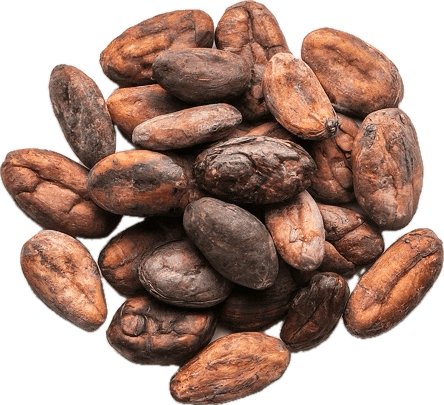
The Treasure in the Jungle and the Rest of the Story

Deep in the humid jungles of Central America, a tree stood unlike any other. It wasn’t the tallest, nor did it bear the most beautiful flowers. Its fruit, a rough, oval-shaped pod, clung stubbornly to its branches, concealing a secret within. But for those who understood its value, this tree was more precious than gold.

Ancient civilizations revered it. The Maya, Toltecs, and Aztecs believed its seeds held divine power. They harvested them, dried them, and used them in ways that stretched beyond mere nourishment. These small, unassuming beans were valuable enough to be used as currency, exchanged for goods like food and clothing. They also became the foundation of a rich, bitter drink—one thought to bring strength, vitality, and even wisdom, making it highly prized by rulers and warriors.

Markets thrived on their trade. With enough of these beans, one could buy textiles, fresh produce, or even livestock. The value of this crop was unmatched, and entire civilizations depended on its steady cultivation. Little did they know, its influence would one day stretch far beyond their temples and pyramids.

Centuries later, explorers arrived from across the ocean, drawn to the exotic riches of the New World. Among the many treasures they carried back to Europe, this bitter bean intrigued them the most. At first, its earthy, bitter taste was unfamiliar to European palates, but with the addition of sugar and spices, it quickly became a prized delicacy. No longer just a drink for the elite, it spread across continents, captivating both kings and commoners.

Today, its uses extend beyond indulgence. Its rich, comforting aroma is a staple in aromatherapy, helping to reduce anxiety and stress. When blended with vanilla and ylang-ylang, it creates a fragrance that soothes the senses. A few drops of its absolute in a diffuser can calm the mind, while mixing it with coconut oil provides a relaxing massage that melts away tension. From luxury spas to home kitchens, it remains as treasured now as it was centuries ago.

Despite its transformation into an everyday pleasure, its history is deeply woven into the cultures that first revered it. It once fueled the economies of empires, empowered warriors, and was honored as a gift from the gods. It traveled the world, was refined, sweetened, and shared, yet never lost its essence.

One man, in particular, changed its course forever. Coenraad Van Houten, a Dutch chemist in the 19th century, refined a method to press these beans, removing excess fat and creating a fine powder that made it easier to mix into liquids and pastries. His innovation made it more accessible than ever before, paving the way for modern chocolate production. From that point forward, what was once an elite commodity became a staple in homes and industries worldwide.

The treasure hidden in the jungle? Cocoa Bean. A simple seed that became currency, comfort, and one of the world’s greatest pleasures. It has warmed hands on cold nights, been the highlight of celebrations, and played a role in both indulgence and wellness. Whether in a cup of rich hot chocolate, a decadent dessert, or a calming massage oil, its influence is undeniable. Its journey from sacred currency to beloved treat is a testament to its enduring power. And now, you know the rest of the story.