Category Archives: The rest of the story

The Indigo Gift


And now for the rest of the story

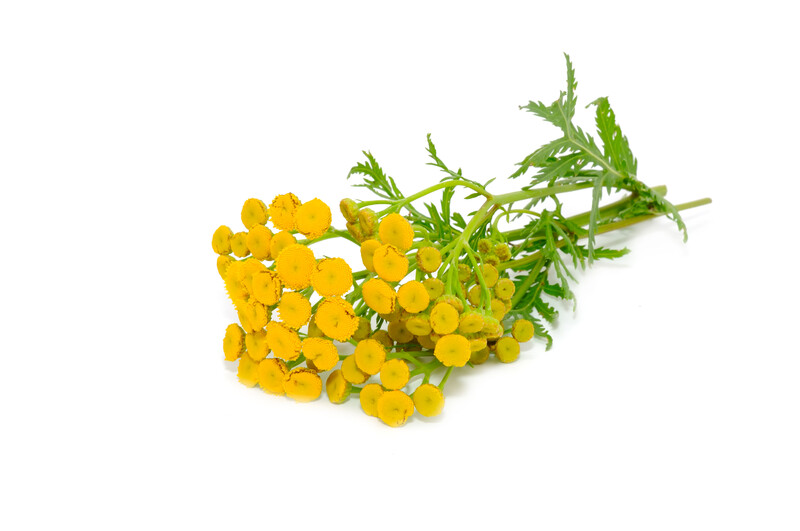
There was a time, not too many years ago, when a small group of farmers in Morocco found themselves at a crossroads. They had worked their fields for generations, harvesting grains and spices from the Mediterranean earth, just as their parents and grandparents had done before them. But times were changing, and so was the land. Harsh seasons and dwindling returns made their crops unpredictable. Many were ready to give up, feeling the weight of their families’ legacy slipping through their fingers. And yet, there was a wild, seemingly ordinary yellow-flowered plant growing around their fields, something they had never really thought twice about.

This yellow-flowered plant wasn’t entirely unknown. Their grandmothers had used it now and then, mixing it into remedies to soothe aching muscles or using it to help with skin irritation after long days working under the Moroccan sun. But it had no real value to anyone outside their villages. Then, a team of essential oil experts discovered the remarkable potential of this humble plant. To the farmers’ surprise, it turned out that the plant held within it a potent and rare essential oil that could have an incredible impact beyond their fields. The oil from this yellow flower was a rich indigo, unlike anything they had ever seen, and it was soon drawing interest from companies around the world.

As demand grew, the farmers entered a partnership with doTERRA, a company that would not only bring them fair trade practices but also invest in the sustainability of their land. Under this new alliance, the farmers began to learn ways of refining and cultivating their crops, caring for each yellow bloom with newfound respect and purpose. The company was equally invested, ensuring the soil was treated with care, the plants grown without harm, and the farmers’ futures protected. For many, it felt like a new beginning — a fresh start rooted in the wisdom of the past.

It was during this time that Dr. Robert Pappas, an expert in essential oil chemistry, heard about the beautiful blue oil from Morocco and saw an opportunity to further its potential. Known for his expertise on essential oils, Dr. Pappas studied the primary component, chamazulene, that gave this oil its vivid indigo color and its renowned skin-soothing properties. Through his research at Essential Oil University, he discovered that with careful storage—like refrigeration and minimal air exposure—the oil’s color and effectiveness could be preserved, ensuring a high-quality product for consumers. His knowledge helped doTERRA establish best practices for handling the oil, preserving its unique characteristics and enhancing its benefits for users around the world.

Soon, the stories of this essential oil’s benefits started reaching places far from Morocco. People used it to ease tension, soothe irritated skin, and elevate their spirits. The farmers couldn’t believe that the plant they’d always seen as just another wildflower was now a part of something bigger than they’d imagined. As they harvested the flowers each season, they saw firsthand the difference it made, not only in their own lives but in the lives of people across the globe.

And there was something else, something that set this oil apart. When distilled, it transformed into a beautiful indigo blue, a color that seemed almost magical, as if it carried the essence of the Mediterranean sky. This blue oil, so unique and vibrant, was treasured not just for its color but for the way it could uplift a room with a single drop in a diffuser or soothe weary skin when mixed with a lotion after a long, exhausting day.

This treasured oil, the gift of the small yellow flower, was known as Blue Tansy. It was the very thing that had transformed the lives of those Moroccan farmers, helped them reconnect with their land, and showed the world that sometimes, the most remarkable treasures come from the humblest of places. And now, every time you add a drop of Blue Tansy oil to your skincare or breathe it in for a moment of calm, you’re part of their story too. 

And that, as Paul Harvey might say, is the rest of the story.

An Enchanting Flower and the Rest of the Story

And now for the rest of the story. 

From the sands of ancient Egypt to the tranquil gardens of Buddhist temples, a delicate flower with petals of a vivid hue has etched its story into the annals of human history. Revered since antiquity, this ethereal blossom, with its tender embrace and subtle fragrance, has whispered tales of renewal and the timeless cycle of life.

In the hallowed rituals of ancient Egypt, this revered flower blossomed as a symbol of regeneration and the eternal dance of the cosmos. Its petals, reminiscent of the azure sky, offered solace to weary souls, guiding them on their journey of spiritual awakening and rebirth.

Yet, the saga of this enchanting flower transcends the boundaries of time and place. Across the ages, it found sanctuary in the serene gardens of Buddhist monasteries, where its vibrant color became a symbol of resilience and triumph over the trials of mortal existence.

Today, in our modern world, we stand at the threshold of rediscovering the transformative power held within the essence of this cherished bloom. With just a few drops, we can craft a personal fragrance that transports us to realms of tranquility and inner peace.

Moreover, for those seeking solace for their skin and a remedy for imperfections, this delicate flower extends its gentle touch. Blended with the finest oils or incorporated into skincare routines, it becomes a nurturing balm for the body and the spirit alike.

So let the fragrance of the blue lotus flower envelop you, carrying you on a journey through ancient wisdom and serenity. Allow its essence to awaken your senses, stirring the depths of your being and igniting the fires of passion within.

And now you know the rest of the story.

Botanical Extracts and the Rest of the Story

And now, for the rest of the story.

In a world filled with the hustle and bustle of daily life, we often seek out remedies that can keep us balanced and resilient against the challenges that come our way. Enter a hidden gem, a secret weapon in the realm of natural solutions: essential oils. Today, let’s uncover the mystery behind one particularly intriguing oil – a potent elixir known for its ability to invigorate the senses and promote wellness. But first, let’s journey back in time to where it all began.

Long before modern medicine, ancient civilizations revered the power of botanical extracts. Among these treasures was an oil derived from a humble yet mighty spice, cherished for its remarkable properties. Revered by Egyptians, embraced by Greeks, and celebrated by Romans, this aromatic essence transcended borders and cultures, leaving an indelible mark on history.

Fast forward to the present day, and the legacy of this extraordinary oil lives on. Derived from the fruit of the Piper nigrum plant, its essence is packed with a symphony of monoterpenes and sesquiterpenes – compounds renowned for their antioxidant prowess. But its benefits extend far beyond mere protection against environmental assailants.

Picture this: the air is thick with seasonal threats, a challenge to even the hardiest of souls. In times like these, a mere drop or two of this precious oil in a veggie cap can be a game-changer, fortifying the body’s defenses against whatever nature throws its way.

But wait, there’s more. As versatile as it is potent, this oil seamlessly transitions from the realm of wellness to the realm of culinary delight. Imagine infusing your favorite dishes with its rich, aromatic flavor – meats, soups, entrees elevated to new heights with just a drop or two. It’s a culinary journey like no other, a symphony of taste and aroma that tantalizes the senses and delights the palate.

Yet, the story doesn’t end there. Beyond its culinary and wellness applications, this oil holds another secret – a balm for the soul in times of turmoil. Picture a moment of anxious tension, the weight of the world pressing down upon weary shoulders. In moments like these, a few drops of this oil can work wonders, soothing frazzled nerves and restoring a sense of calm and tranquility.

But perhaps its most understated virtue lies in its ability to nurture the body from within. Whether taken internally to aid digestion or added to food for a burst of flavor, this oil embodies the essence of holistic wellness, nourishing mind, body, and spirit in equal measure.

So there you have it, folks – a glimpse into the captivating world of black pepper essential oil. From ancient civilizations to modern-day marvels, its story is one of resilience, versatility, and above all, the enduring power of nature’s remedies. And as we continue to uncover the secrets of the natural world, one thing remains clear – sometimes, the most profound solutions can be found in the simplest of places. And now you know… the rest of the story.

Natures Remedies and the Rest of the Story

There’s a scent that fills the air, reminiscent of wintergreen, yet with a story all its own. And though it may not seem related to wintergreen, they share a surprising similarity in chemical makeup. But what makes this tale truly fascinating is not just its aromatic allure, but its history intertwined with American Indians and early settlers.

Long before modern remedies, they discovered the wonders of a certain bark, brewing it into a tea that warmed their spirits and invigorated their bodies. But the story doesn’t end there, for in the modern age, this substance has found new roles beyond the teapot.

Imagine, just a few drops of essential oil in a diffuser, filling the room with a crisp, refreshing scent, promoting clear breathing and sharpening focus. And for those troubled with oily skin or sore muscles, this substance offers its healing touch once more, whether added to lotions or sports creams.

Yes, it may have been overlooked in the past, but today, its versatility shines bright, a testament to the enduring power of nature’s remedies. So the next time you catch a whiff of that familiar wintergreen aroma, remember, it’s not just about it—it’s about the story behind Birch. And now you know… the rest of the story.

Nature’s Legacy and the Rest of the Story

And now, for the rest of the story.

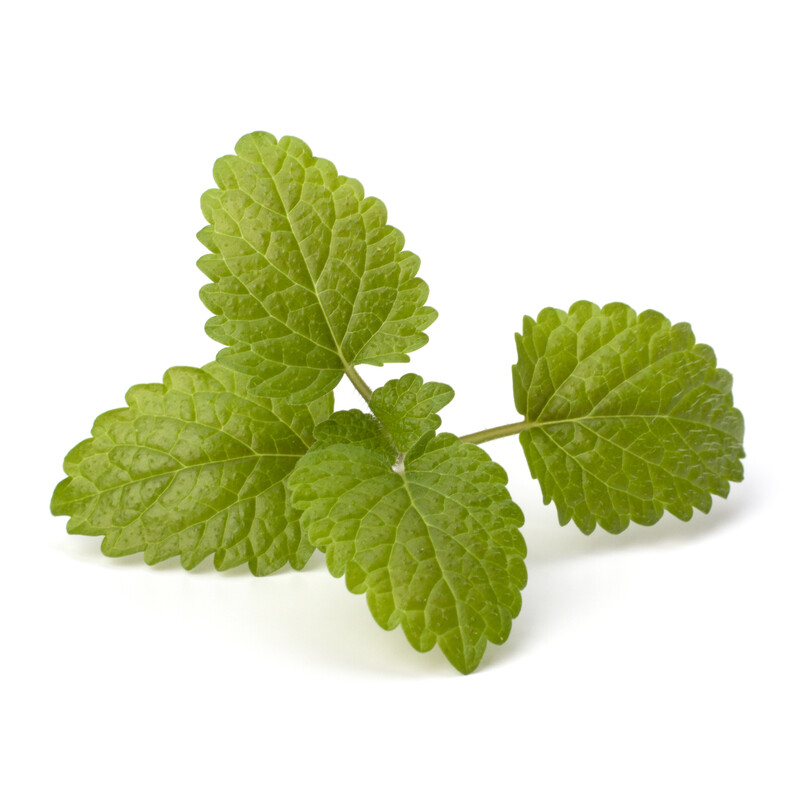
In the vast tapestry of history, mint plants weave a thread that spans civilizations and continents, leaving behind a fragrance of intrigue and usefulness. From the ancient Egyptians who wove mint into their funerary rites to the Romans who adorned themselves and their feasts with its verdant leaves, mint has whispered its story through the ages.

Medieval healers sought its properties to remedy ailments from mouth sores to dog bites, while Greek myths enshrined the tale of Minthe, transformed into a plant underfoot but still releasing a fragrant sigh when trodden upon. And amid these tales, hints of wisdom and superstition intertwine: Pliny the Elder’s counsel on concentration, the Greeks’ caution against its allure in times of war, and the belief that a touch of mint could coax fortune into one’s purse.

And then, amidst this saga of mint’s legacy, emerges a colorful character from the mint family: Bergamot. Known by many names – wild beebalm, purple beebalm, horsemint – it carpets much of North America with its aromatic foliage, a testament to nature’s artistry. Its clusters of pinkish-purple flowers, reminiscent of miniature pom poms, beckon bees, butterflies, and hummingbirds into a dance of pollination.

Our story of this mint unfolds further, revealing its resilience and utility. A fast-growing perennial, it spreads through shallow roots, a testament to its adaptability. From skin infections to insect stings, the Blackfoot Indians recognized its antiseptic prowess, while modern mouths find solace in its thymol-laden leaves.

But the tale doesn’t end there. One more clue emerges with its softly minty and slightly citrusy essence, adding a new chapter to the saga. Its calming aroma, rich in linalool and linalyl acetate, speaks of restorative nights and uplifting mornings. Whether diffused, massaged, or added to lotion, Bergamot Mint whispers its promise of tranquility and renewal, leaving a trail of rejuvenation in its wake.

And so, as the narrative of mint unfolds, from ancient rituals to modern remedies, from myths to medicine, we find ourselves at the precipice, where the scent of mint lingers in the air, teasing our senses with its timeless allure. And there, at the heart of it all, lies Bergamot Mint, a vibrant echo of history, a fragrant emblem of nature’s bounty, waiting to be discovered, one aromatic clue at a time. Now you know the rest of the story.

Bergamot and the Rest of the Story

And now, dear readers, let me unveil a tale that will whisk you away to lands both near and far. When folks hear the word bergamot, their minds often wander to the citrus trees basking in the Italian sun. But hold on to your hats, because there’s more to this story than meets the eye!

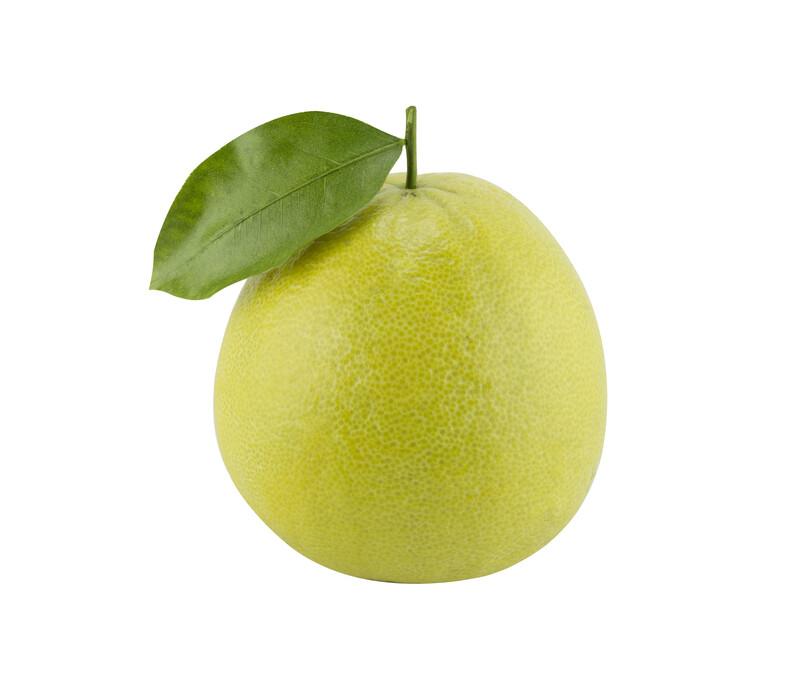
You see, there exist not one, but two varieties of bergamot. One, the citrus tree known scientifically as Citrus bergamia, stands proud, with its winter blooms and lemon-colored fruits, resembling pears in shape. Some whisper that it’s a lemon-lime concoction, while others argue it’s a blend of lemon and grapefruit. And would you believe it? These fruits don’t just hang around for show—they add flavor to our foods and drinks, like the beloved Earl Grey tea, and even find their way into the bottles of our favorite perfumes.

But wait, there’s a twist in this tale! Across the Atlantic, in the heart of North America, another bergamot reigns supreme. Known as Monarda fistulosa or Monarda didyma, this wildflower belongs to the mint family. Picture it in your mind—pink and lavender blooms, beckoning bees and hummingbirds with their charm.

Now, here’s where it gets interesting. Though they share a name, these two bergamots dance to different tunes, boasting unique chemical compositions. The citrus bergamot flaunts neoeriocitrin and ponceritin, while its herbaceous counterpart boasts p-cymene and thymol.

Let’s journey back in time, shall we? The citrus bergamot, they say, traces its roots to Southeast Asia, embarking on a grand adventure along the Silk Road to Persia and beyond, enchanting lands from Greece to Italy. And here’s a nugget for you—when Europeans set foot in South America, they carried these bergamot trees along for the ride.

But where did the name “bergamot” come from, you ask? Well, dear readers, the stories weave like a fine tapestry. Some say it’s tied to Bergamo, Italy, renowned for its bergamot orchards. Others whisper of “bey armut,” Turkish for the prince’s pear. And let’s not forget our herbaceous friend, named in honor of the Spanish physician and botanist, Nicolas Monardes.

But hold your breath, because here’s the crescendo! In today’s world, bergamot shines brightest as the star ingredient in Earl Grey tea, enchanting taste buds since the late 18th century. But did you know, its journey began far before, in ancient China, gracing teas for eons?

And there’s more! While we often brew bergamot for tea, some folks in Turkey and Greece sprinkle it into their dishes, creating delicacies like Turkish marmalade. And let’s not overlook its medicinal prowess, easing ailments from digestive woes to fevers in traditional Chinese and Ayurvedic medicine.

But wait, there’s a final flourish! Bergamot, with its tantalizing scent, has long been the jewel in perfumes and beauty products, adorning elites from ancient China to Persia. It’s a scent fit for royalty, a treasure coveted by the elite.

So there you have it, dear readers—the tale of bergamot, a fragrant symphony echoing through the ages, leaving behind a legacy as rich as its scent. When you hear the word bergamot you will know the rest of the story.

Herbs, Greek Mythology and the Rest of the Story

Now, let me tell you a story that stretches back thousands of years, to a time when the world was just beginning to embrace the flavors of herbs. Some say it was around 5,000 years ago when people started to cultivate and cherish these plants, giving rise to an incredible variety of flavors. If you’ve ever tasted the delights of Italian cooking, you might recognize one particular herb that stands out among the rest.

This herb, a member of the mint family, shares its lineage with other renowned herbs like rosemary, sage, and lavender. Its scientific name, Ocimum basilicum, holds clues to its ancient origins. Legend has it that its name could be traced back to Greek mythology, to a tale of a valiant warrior named Ocimus. Some say that this herb sprang forth from the ground where Ocimus met his match in battle. Others believe the name comes from the Greek word “okimon,” meaning “fragrant” – a fitting description for an herb known for its aromatic qualities.

But what about the second part of its scientific name – basilicum? Ah, there are differing theories about this. Some suggest it’s a nod to the Greek word “basileus,” meaning “kingly.” Indeed, this herb has earned the title of the “king of herbs” or the “royal herb,” perhaps because of an ancient belief that it was first grown near the sacred cross of Christ. The Romans even had their own tales, calling it “basiliscus” in hopes that consuming it would ward off fearsome creatures like the basilisk.

Now, journey with me to ancient Greece, where it’s said that Alexander the Great introduced this herb to its shores. Here, this herb took on new meanings – symbols of love, eternal life, and protection in Hindu culture. Stories abound of its powers as a good luck charm, believed to bring wealth and safeguard against harm.

But it’s not just legend and folklore that make this herb remarkable. Extract its essential oil, and you’ll find a scent that invigorates the mind and eases tired muscles. And when consumed as part of a balanced diet, it lends support to our digestive and circulatory systems, contributing to overall well-being.

So, dear listener, the next time you savor its sweet, herbaceous flavor in your favorite dishes, remember the journey of this humble herb basil – from ancient myths to modern-day kitchens. Now you know the rest of the story.

Tree of Life and the Rest of the Story

In the annals of history, there’s a remarkable tree often referred to as the “tree of life.” Its name hails from the 16th century, when French explorer Cartier learned from Native Americans how to use its leaves to treat scurvy, a disease caused by a lack of vitamin C. In Michigan, there’s even a record-breaking tree that’s really tall and wide.

This tree made its debut in Europe when French explorers brought it to Paris, marking it as the first tree from North America. It became a lifesaver during sea voyages when its bark and leaves were found to cure scurvy.

Belonging to a group called conifers, these trees produce cones and have special tissues for carrying water. They include various types like cedars, firs, and pines. Part of the cypress family, this tree is known for its strong and durable wood.

The wood has been used for many things, from making chests to building fences. It is mentioned to help with rheumatism. Some suggest it as a remedy for warts, but there’s not enough evidence for this.

These trees are popular for their ornamental value, growing quickly and creating natural fences. Additionally, the essential oil from these trees has calming properties and can be used in diffusers or applied to the skin for a peaceful feeling.

For maintaining wooden furniture, a natural wood polish can be made using the essential oil and other ingredients. This helps keep furniture fresh and clean without harmful chemicals.

Those interested in making cologne can combine the oil with cedarwood and frankincense for a musky outdoor scent that uplifts the senses. Whether for relaxation or practical uses, the arborvitae proves to be versatile and valuable in various aspects of life. Now you know the rest of the story.

Root of the Holy Ghost and The Rest of the Story

In the realm of herbal lore, there exists a plant unlike any other, bearing a name untouched by alternative appellations. This botanical wonder intertwines with myth and history, tracing its lineage to a monk’s visionary encounter. Legends whisper of an angel’s apparition, imparting the secret of a plague remedy, forever christening the herb in celestial homage.

Once revered as the “Root of the Holy Ghost,” this enigmatic plant boasts a lineage steeped in potency. Thriving amidst the frosty landscapes of northern realms, its roots delve deep into tales of sustenance during times of scarcity, hailed as a lifeline by Icelandic dwellers in the face of famine.

Aligned with celestial rhythms, this herb blooms on the feast day of Archangel Michael, invoking beliefs in its divine protection against malevolence and maladies. From Paracelsus’ acclaim as a “marvelous medicine” to Gerard’s testament of its purifying prowess, its reputation as a panacea against pestilence resonates through history.

From the confectionary delights of candied creations to its essence distilled into a potent elixir, its multifaceted nature extends beyond the realm of mere sustenance. Throughout history, it has been hailed as a remedy for ailments ranging from flatulence to chronic respiratory afflictions, its essential oil offering solace for weary joints and restless spirits alike.

Echoes from antiquity resonate with its virtues, lauded as a salve for both physical and emotional maladies. From purifying the blood to grounding weary souls, its essence permeates through realms of healing and enlightenment.

Unveiled through the annals of time, this botanical marvel continues to weave its spell, offering solace and sanctuary to those in need. Its name, withheld until journey’s end, echoes with the resonance of divine grace — Angelica, the herb of angels, harbinger of healing and hope. Now you know the rest of the story.