Category Archives: The rest of the story

Bergamot and the Rest of the Story

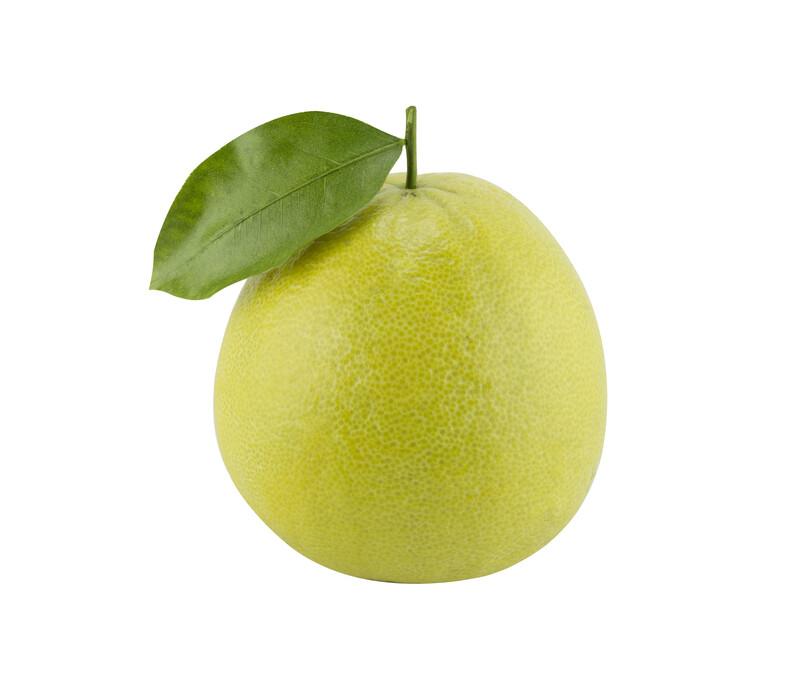
And now, dear readers, let me unveil a tale that will whisk you away to lands both near and far. When folks hear the word bergamot, their minds often wander to the citrus trees basking in the Italian sun. But hold on to your hats, because there’s more to this story than meets the eye!

You see, there exist not one, but two varieties of bergamot. One, the citrus tree known scientifically as Citrus bergamia, stands proud, with its winter blooms and lemon-colored fruits, resembling pears in shape. Some whisper that it’s a lemon-lime concoction, while others argue it’s a blend of lemon and grapefruit. And would you believe it? These fruits don’t just hang around for show—they add flavor to our foods and drinks, like the beloved Earl Grey tea, and even find their way into the bottles of our favorite perfumes.

But wait, there’s a twist in this tale! Across the Atlantic, in the heart of North America, another bergamot reigns supreme. Known as Monarda fistulosa or Monarda didyma, this wildflower belongs to the mint family. Picture it in your mind—pink and lavender blooms, beckoning bees and hummingbirds with their charm.

Now, here’s where it gets interesting. Though they share a name, these two bergamots dance to different tunes, boasting unique chemical compositions. The citrus bergamot flaunts neoeriocitrin and ponceritin, while its herbaceous counterpart boasts p-cymene and thymol.

Let’s journey back in time, shall we? The citrus bergamot, they say, traces its roots to Southeast Asia, embarking on a grand adventure along the Silk Road to Persia and beyond, enchanting lands from Greece to Italy. And here’s a nugget for you—when Europeans set foot in South America, they carried these bergamot trees along for the ride.

But where did the name “bergamot” come from, you ask? Well, dear readers, the stories weave like a fine tapestry. Some say it’s tied to Bergamo, Italy, renowned for its bergamot orchards. Others whisper of “bey armut,” Turkish for the prince’s pear. And let’s not forget our herbaceous friend, named in honor of the Spanish physician and botanist, Nicolas Monardes.

But hold your breath, because here’s the crescendo! In today’s world, bergamot shines brightest as the star ingredient in Earl Grey tea, enchanting taste buds since the late 18th century. But did you know, its journey began far before, in ancient China, gracing teas for eons?

And there’s more! While we often brew bergamot for tea, some folks in Turkey and Greece sprinkle it into their dishes, creating delicacies like Turkish marmalade. And let’s not overlook its medicinal prowess, easing ailments from digestive woes to fevers in traditional Chinese and Ayurvedic medicine.

But wait, there’s a final flourish! Bergamot, with its tantalizing scent, has long been the jewel in perfumes and beauty products, adorning elites from ancient China to Persia. It’s a scent fit for royalty, a treasure coveted by the elite.

So there you have it, dear readers—the tale of bergamot, a fragrant symphony echoing through the ages, leaving behind a legacy as rich as its scent. When you hear the word bergamot you will know the rest of the story.
Herbs, Greek Mythology and the Rest of the Story

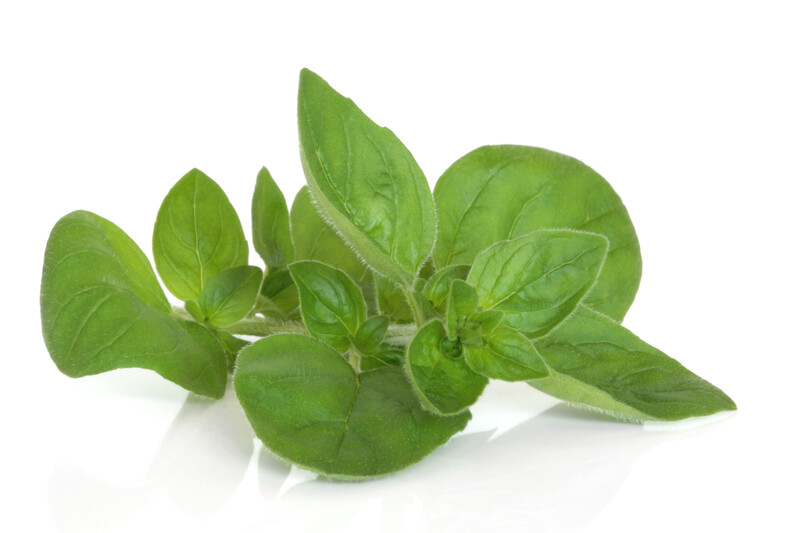
Now, let me tell you a story that stretches back thousands of years, to a time when the world was just beginning to embrace the flavors of herbs. Some say it was around 5,000 years ago when people started to cultivate and cherish these plants, giving rise to an incredible variety of flavors. If you’ve ever tasted the delights of Italian cooking, you might recognize one particular herb that stands out among the rest.

This herb, a member of the mint family, shares its lineage with other renowned herbs like rosemary, sage, and lavender. Its scientific name, Ocimum basilicum, holds clues to its ancient origins. Legend has it that its name could be traced back to Greek mythology, to a tale of a valiant warrior named Ocimus. Some say that this herb sprang forth from the ground where Ocimus met his match in battle. Others believe the name comes from the Greek word “okimon,” meaning “fragrant” – a fitting description for an herb known for its aromatic qualities.

But what about the second part of its scientific name – basilicum? Ah, there are differing theories about this. Some suggest it’s a nod to the Greek word “basileus,” meaning “kingly.” Indeed, this herb has earned the title of the “king of herbs” or the “royal herb,” perhaps because of an ancient belief that it was first grown near the sacred cross of Christ. The Romans even had their own tales, calling it “basiliscus” in hopes that consuming it would ward off fearsome creatures like the basilisk.

Now, journey with me to ancient Greece, where it’s said that Alexander the Great introduced this herb to its shores. Here, this herb took on new meanings – symbols of love, eternal life, and protection in Hindu culture. Stories abound of its powers as a good luck charm, believed to bring wealth and safeguard against harm.

But it’s not just legend and folklore that make this herb remarkable. Extract its essential oil, and you’ll find a scent that invigorates the mind and eases tired muscles. And when consumed as part of a balanced diet, it lends support to our digestive and circulatory systems, contributing to overall well-being.

So, dear listener, the next time you savor its sweet, herbaceous flavor in your favorite dishes, remember the journey of this humble herb basil – from ancient myths to modern-day kitchens. Now you know the rest of the story.

Tree of Life and the Rest of the Story

In the annals of history, there’s a remarkable tree often referred to as the “tree of life.” Its name hails from the 16th century, when French explorer Cartier learned from Native Americans how to use its leaves to treat scurvy, a disease caused by a lack of vitamin C. In Michigan, there’s even a record-breaking tree that’s really tall and wide.

This tree made its debut in Europe when French explorers brought it to Paris, marking it as the first tree from North America. It became a lifesaver during sea voyages when its bark and leaves were found to cure scurvy.

Belonging to a group called conifers, these trees produce cones and have special tissues for carrying water. They include various types like cedars, firs, and pines. Part of the cypress family, this tree is known for its strong and durable wood.

The wood has been used for many things, from making chests to building fences. It is mentioned to help with rheumatism. Some suggest it as a remedy for warts, but there’s not enough evidence for this.

These trees are popular for their ornamental value, growing quickly and creating natural fences. Additionally, the essential oil from these trees has calming properties and can be used in diffusers or applied to the skin for a peaceful feeling.

For maintaining wooden furniture, a natural wood polish can be made using the essential oil and other ingredients. This helps keep furniture fresh and clean without harmful chemicals.

Those interested in making cologne can combine the oil with cedarwood and frankincense for a musky outdoor scent that uplifts the senses. Whether for relaxation or practical uses, the arborvitae proves to be versatile and valuable in various aspects of life. Now you know the rest of the story.

Root of the Holy Ghost and The Rest of the Story

In the realm of herbal lore, there exists a plant unlike any other, bearing a name untouched by alternative appellations. This botanical wonder intertwines with myth and history, tracing its lineage to a monk’s visionary encounter. Legends whisper of an angel’s apparition, imparting the secret of a plague remedy, forever christening the herb in celestial homage.

Once revered as the “Root of the Holy Ghost,” this enigmatic plant boasts a lineage steeped in potency. Thriving amidst the frosty landscapes of northern realms, its roots delve deep into tales of sustenance during times of scarcity, hailed as a lifeline by Icelandic dwellers in the face of famine.

Aligned with celestial rhythms, this herb blooms on the feast day of Archangel Michael, invoking beliefs in its divine protection against malevolence and maladies. From Paracelsus’ acclaim as a “marvelous medicine” to Gerard’s testament of its purifying prowess, its reputation as a panacea against pestilence resonates through history.

From the confectionary delights of candied creations to its essence distilled into a potent elixir, its multifaceted nature extends beyond the realm of mere sustenance. Throughout history, it has been hailed as a remedy for ailments ranging from flatulence to chronic respiratory afflictions, its essential oil offering solace for weary joints and restless spirits alike.

Echoes from antiquity resonate with its virtues, lauded as a salve for both physical and emotional maladies. From purifying the blood to grounding weary souls, its essence permeates through realms of healing and enlightenment.

Unveiled through the annals of time, this botanical marvel continues to weave its spell, offering solace and sanctuary to those in need. Its name, withheld until journey’s end, echoes with the resonance of divine grace — Angelica, the herb of angels, harbinger of healing and hope. Now you know the rest of the story.