Category Archives: The rest of the story

Mist and Memory and The Rest of the Story

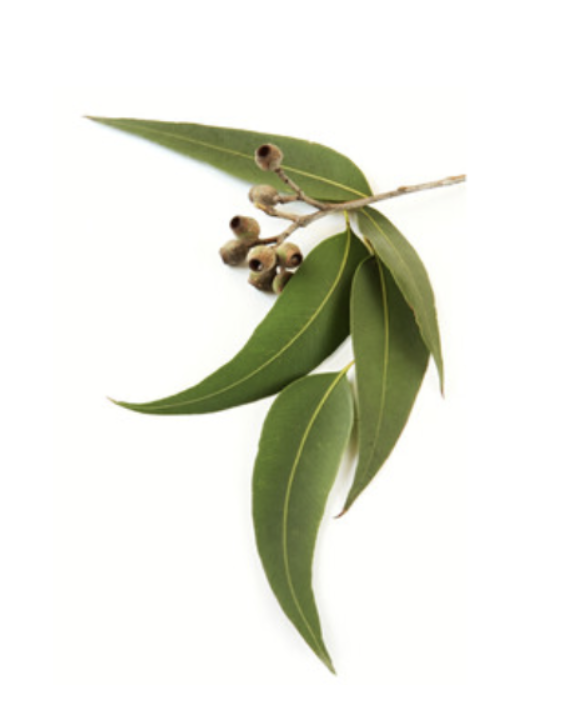
It began in a place where sunlight dances through the haze and the ground steams after the rain. Where the scent in the air is so clean, so crisp, you’d swear it could sweep the dust from your thoughts. Travelers in the southern hemisphere once followed that aroma through dense groves, not knowing its name—only that breathing felt easier, and the world a little clearer, beneath those tall blue-tinged trees.

For generations, the people who lived among them knew what the trees could do. They gathered the long, narrow leaves and hung them in doorways and corners of the home. When someone caught a chill, they boiled them into strong-smelling teas. If a head felt heavy, they’d crush the leaves and breathe in deeply. They never took credit. They just called it wisdom passed down—and they respected what the trees gave them.

When colonists and settlers arrived, they too noticed the power in the air. Soldiers tucked leaves into their packs. Homesteaders burned branches over smoky fires. Doctors began to carry little bottles filled with strong, clear oil—used for cleaning, cooling, or clearing the head. It became known as “fever tree” in some parts, though no one could quite agree on what it cured. They only knew they felt better when it was nearby.

Over time, the oil was drawn more carefully. The leaves were distilled with steam, and the vapor captured in bottles. It had a cooling effect, a camphor-like strength that reminded people of crisp mornings and clean linen. While scientists would eventually study its compounds and its properties, most people didn’t wait for the footnotes. They added a few drops to hot water, rubbed it into tired muscles, or let it drift through a room like a fresh breeze after rain.

To this day, the practice remains. Harvesters still rise early, walking among tall, slender trunks with shears in hand, gathering leaves warmed by the sun. The scent is unmistakable even before the oil is extracted. In places like Australia, parts of Africa, and beyond, this tradition has become an industry—one that doTERRA now supports through responsible sourcing and long-term relationships with local growers. The oil is still crafted with care, bottle by bottle, so it reaches homes around the world as pure as it began.

That tall tree with silvery bark and narrow blue-green leaves? It has eased breathing, cleared minds, and freshened homes for centuries. Its name wasn’t always known, but its gifts were felt long before they were labeled. It was first discovered by native people, later admired by explorers, and eventually carried across oceans in little brown bottles. This tree is Eucalyptus. Now you know the rest of the story.

Forest of Strength and The Rest of the Story

It began high in the misty mountains, where towering evergreens pierced the clouds and the air always seemed a little lighter. These trees stood like guardians of the land, their scent riding the breeze long before footsteps touched the trail. Long ago, Indigenous communities in the Pacific Northwest made good use of them. The twigs were added to steam baths. The sap was applied with care. The needles were brewed into tea. And though no one wrote it down at the time, the knowledge passed from hand to hand, heart to heart. They didn’t need proof. They just knew.

Early settlers learned from what they saw and felt. After chopping wood or hunting game, they noticed how the forest seemed to restore something in them. A fresh bundle of needles in the cabin could clear the air. The resin, rubbed into sore muscles, seemed to ease tension. In winter, a hot drink steeped from green needles wasn’t just comforting—it felt necessary. People came to trust the tree, even before they knew its name.

Only in more recent times did anyone stop to measure what had always been felt. Scientists began taking a closer look at what made the scent so uplifting and the forest air feel so restorative. They found natural compounds in the oil that gave it a crisp, clean, slightly citrusy aroma. The same compounds showed promise in lab tests for keeping surfaces clean and lifting the mood during a foggy afternoon. But most people didn’t need the data. They’d already been using it for years.

In forested valleys, the practice continues. Harvesters still clip needles and twigs by hand, often in the early morning when the trees are still damp with mountain dew. Timing matters. So does care. A slight change in season or elevation can alter the character of the oil. That’s why those who value it most partner directly with growers who understand the land. One such company, doTERRA, has made it their mission to work with forest stewards—preserving the integrity of the process, supporting communities, and protecting the wild stands that have given so generously.

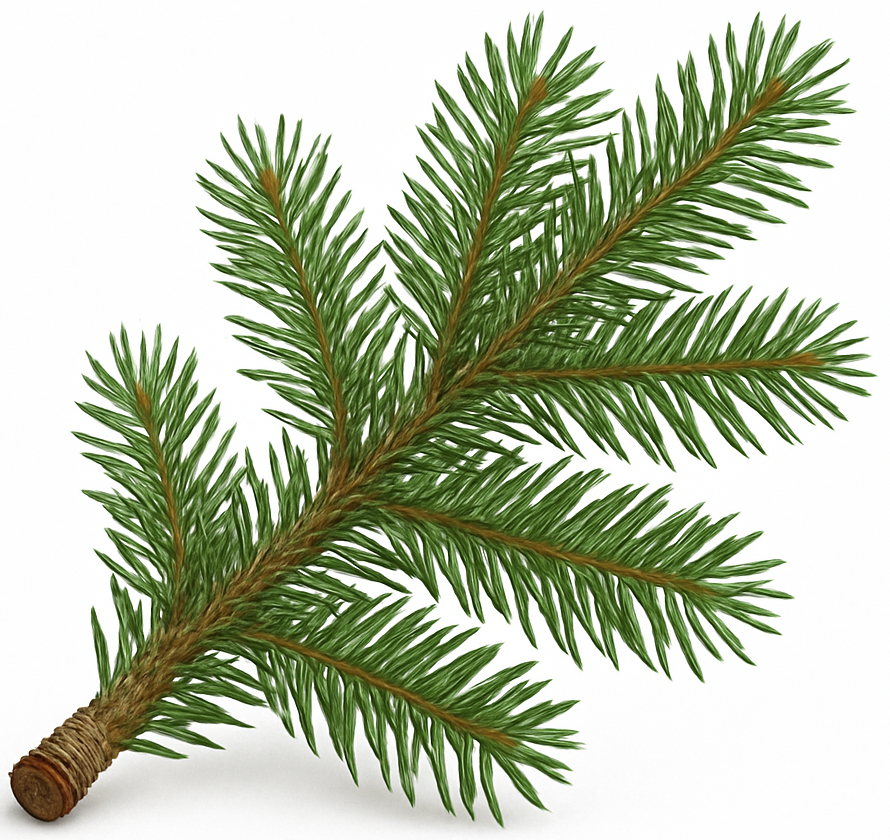
The tall tree with soft green needles and a bright, woodsy scent has long helped people breathe easier, feel more grounded, and reconnect with the calm of the forest. And that name? It didn’t come from the people who lived under its shade for centuries. It came later, in 1825, when a young Scottish botanist named David Douglas traveled across North America on behalf of the Royal Horticultural Society. Among many plants he documented, this towering conifer stood out—and so the tree was named in his honor. This tree is Douglas Fir. Now you know the rest of the story

The Rest Of The Story: Whisper in the Woods

It started in forests older than most nations, where evergreen giants stood watch over hillsides bathed in sun and wind. The trees didn’t shout, they whispered—through the fragrance of resin, the rustle of boughs, and the cool clarity of air after rainfall. People lingered beneath their branches, not knowing the science, only the feeling. Something in that clean, woodsy scent seemed to quiet the noise inside.

For generations, these trees played a role in daily life. Their wood was used for ships and temples. Their twigs were burned in ceremonies to purify the air. Their leaves were crushed and steeped into homemade brews. The stories said it helped when lungs were heavy, joints were stiff, or minds were restless. Traditions were built around them, and yet no one quite knew why they worked—they just did.

Eventually, researchers caught up. Modern testing found that the oil from this tree’s branches and needles held antioxidant properties and antimicrobial potential, especially against certain strains of bacteria. Some studies observed relaxation effects from inhaling its vapors—measurable shifts in heart rate variability and parasympathetic response. Compounds like α-pinene, cedrol, and limonene began to appear regularly in scientific journals. The mystery, once kept by folklore, had begun to meet the microscope.

In distillation houses tucked within Mediterranean hills and temperate groves, harvesters continue to gather the leaves and twigs by hand. Timing still matters. So does patience. The chemistry of the oil depends not only on the soil and weather, but also on the shape of the still itself. In places where tradition meets precision, doTERRA has formed trusted partnerships that help preserve this careful process—supporting farmers, protecting forests, and ensuring that what reaches the bottle reflects the wisdom of both nature and nurture.

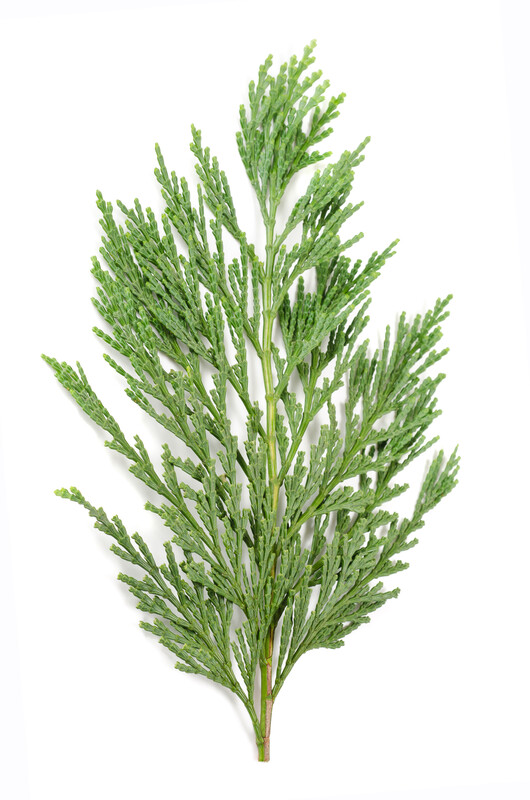
And in those groves, that story continues. It’s not mass production. It’s stewardship. It’s the art of distilling history one drop at a time. And now you know the rest of the story—the ancient tree whose oil helps clear the air, calm the breath, and sharpen the mind. You’ve likely smelled it in a diffuser or perhaps blended it with another oil, not realizing its roots trace back thousands of years. You may know the tree by its modern name: Cypress. Its story began in stillness. And even now, it continues to speak softly.

A Seed of Secrets and The Rest of the Story

It began in silence — tucked away in tombs beneath the Egyptian sands. Not gold, not frankincense, not even papyrus, but something far humbler: a handful of small, round seeds. These seeds were placed with care beside royalty, not as decoration but as preservation, perhaps even protection. The ancients didn’t have journals full of reasons. They simply knew, as if by instinct, that this seed mattered.

As empires rose and fell, that same seed followed quietly. The Greeks gave it a name. The Romans gave it a recipe. Centuries later, it wandered its way into Eastern Europe, the Middle East, India, and Latin America — adapted in cuisines, stories, and old-world traditions. It was found in market stalls and temple incense, boiled in broths and ground into spice blends. A plant with two distinct gifts: leaf above, seed below. And somehow, both found their place in medicine and mealtime alike.

But it wasn’t until recently that science began to catch up. In laboratory settings, researchers discovered this seed’s essential oil had noteworthy properties. Studies revealed its natural compounds showed antioxidant potential, helping neutralize unstable molecules in controlled environments. Other research observed antimicrobial effects, where the oil inhibited the growth of certain bacteria and fungi on contact. In preclinical models, some scientists even noted a calming influence on mood and behavior — an observation that sparked further study into its aromatic compounds.

At Texas A&M and institutions abroad, researchers explored its bioactive profile, breaking down terpenes and alcohols like linalool and α-pinene — compounds already known for their presence in some of the world’s most calming botanicals. These were not claims for healing, but they were clues, patterns, echoes of what traditional cultures had always believed: that this tiny seed had something more to offer than just flavor.

Today, thanks to careful sourcing programs — like those supported by doTERRA’s Co-Impact Sourcing® — this plant continues its journey. It grows in nutrient-rich soil, harvested by hands that understand patience, distilled into oil by people who respect the process. It’s not mass produced. It’s crafted. And with every drop, there’s a whisper of history, a reminder that the old world may have known a few things we’re just beginning to rediscover.

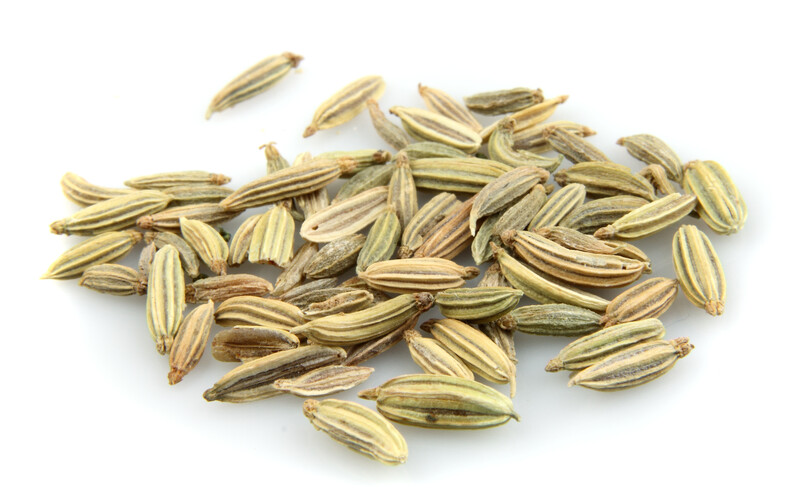
And now you know the rest of the story. You’ve known it in the kitchen, tasted it in meals, and perhaps even seen its green leafy cousin on your dinner plate. But the seed — the golden round one that yields a complex, peppery oil — has another name. You may call it cilantro when it’s fresh and leafy. Or coriander when it’s round, dry, and full of mystery. Either way, its story isn’t over. Not even close.

Rainforest’s Hidden Gift and The Rest of the Story

Deep in the heart of the Amazon rainforest, towering trees stretched over 100 feet tall, their thick trunks rooted deep in rich, untouched soil. They had stood for centuries, unnoticed by most of the world. But hidden within them was something remarkable—something that would one day change the way people cared for their health and well-being.

For generations, indigenous tribes and local farmers of South America had known the secret of these trees. They carefully tapped the bark, collecting a golden resin that flowed slowly like nature’s own medicine. This thick, aromatic sap was used to cleanse the skin, support oral health, and promote overall wellness. Those who ingested it found it could ease anxious feelings and support the immune, cardiovascular, and digestive systems. Passed down through generations, this knowledge remained within small communities, while the rest of the world remained unaware of its benefits.

As more people looked for natural ways to stay healthy, scientists and wellness experts became interested in this special tree resin. They discovered that it had a unique ingredient called β-caryophyllene (BCP), which could help the body in many ways. BCP connects with CB2 receptors in the body’s endocannabinoid system (ECS), which helps control things like inflammation, the immune system, and overall balance. This meant the resin could help the brain, nerves, liver, and kidneys stay healthy. Scientists also found that this resin had more BCP than any other essential oil, making it one of the most powerful natural wellness tools available.

However, with growing demand came challenges. Some large companies sought to harvest as much of the resin as possible, damaging the trees and ignoring the well-being of the farmers who relied on them. But one company, dōTERRA, took a different approach. Instead of mass production, they focused on sustainability and fair trade, working directly with local harvesters to protect the land and ensure a future for those who had been tending these trees for centuries.

Through dōTERRA’s Co-Impact Sourcing™ initiative, local farmers were trained to tap the trees responsibly, allowing them to continue producing resin for many years. Instead of overharvesting, they carefully collected only what was needed, ensuring that both the environment and the communities that relied on these trees thrived. dōTERRA also invested in education, healthcare, and fair wages for these farmers, helping to improve their quality of life while respecting their traditions and expertise.

One such farmer, whose name may not be widely known but whose impact is undeniable, had spent his entire life harvesting this resin the way his ancestors had before him. For years, he struggled under unfair trade conditions, receiving little pay while foreign companies profited from his hard work. But after partnering with dōTERRA, he and many others finally saw the value of their labor. They received fair wages, proper tools, and training, ensuring that their families could thrive while protecting the delicate balance of the rainforest.

Despite its long history, this oil remained one of nature’s best-kept secrets for centuries. It was widely used in lotions, creams, perfumes, and soaps, and had been an important part of traditional Brazilian health practices. It provided antioxidant support, helped maintain a healthy inflammatory response, and promoted general well-being. Whether applied to the skin for a clear complexion, taken internally for immune support, or diffused for a calming effect, its benefits extended far beyond what early explorers had imagined. This wasn’t just another tree in the rainforest—it was a powerful gift from nature.

The oil hidden in the rainforest? Copaiba. A natural treasure from the towering trees of the Amazon, once known only to indigenous healers and local farmers, now shared with the world through the sustainable efforts of dōTERRA. Thanks to dedicated harvesters, this extraordinary resin is collected responsibly, protecting both the land and the people who depend on it. And now, you know the rest of the story.
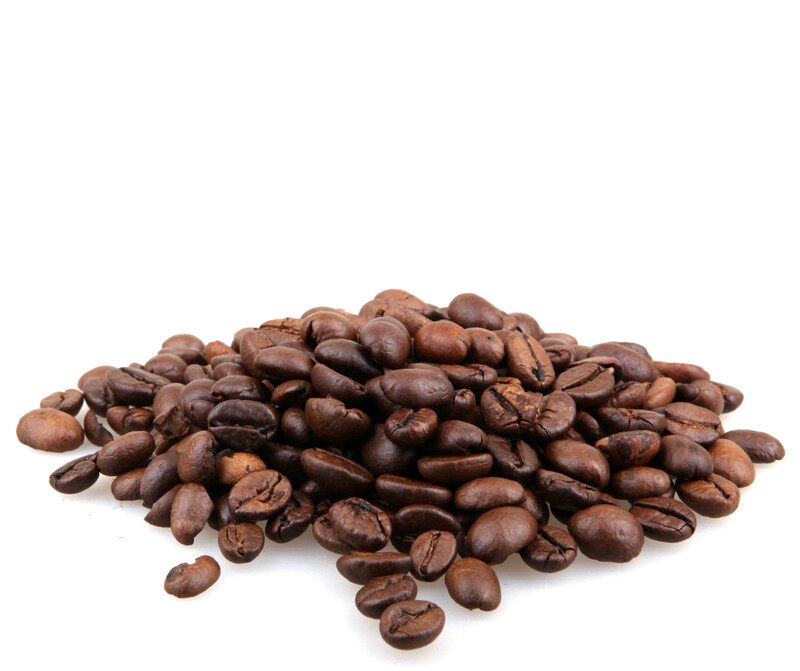
A Berry Wakes up the World and the Rest of the Story

In the misty highlands of a distant land, a small, unassuming shrub grew wild among the rolling hills. Its glossy green leaves sheltered clusters of tiny red berries, overlooked by most but quietly holding a secret that would one day change the world.

For centuries, the people who lived near these plants had little use for them. They watched as animals plucked the ripe fruit, feasting on the bright berries with an energy that seemed almost unnatural. Shepherds and travelers observed how their livestock, after nibbling on the berries, became livelier, their weariness vanishing as they climbed steep terrain with renewed vigor. It was a mystery—one that would soon capture the curiosity of an unlikely figure.

One of the most famous stories surrounding this discovery is that of Kaldi, a goat herder in Ethiopia. According to legend, which is believed to have originated in the 9th century (800s AD), Kaldi noticed his goats behaving strangely after eating the berries. They leaped and danced through the hills, seemingly tireless, their energy boundless. Intrigued, Kaldi sampled the fruit himself and felt the same surge of vitality. He brought his discovery to a local monastery, where the monks, skeptical at first, brewed the berries into a drink. Soon, they found themselves able to stay awake through long hours of evening prayer. The secret was out.

While the story of Kaldi has endured for centuries, historical records suggest that the first verifiable use of these berries as a beverage appeared much later, in 15th-century Yemen. There, Sufi monks used them to stay alert during extended prayer sessions, refining the practice of roasting and brewing the beans. By the 17th century, European writers documented Kaldi’s tale, most notably Antoine Faustus Nairon, a Roman professor who, in 1671, published one of the earliest books on the subject. Though likely a myth, the Kaldi legend remains a charming part of this berry’s fascinating history.

News of the energizing berries spread. Merchants carried them across trade routes to the Arabian Peninsula, where they were roasted and brewed into a bold, dark beverage. In the bustling markets of the Middle East, it became a drink of scholars, poets, and thinkers. It was said to sharpen the mind, lift the spirit, and invigorate the body. By the 15th century, its use had expanded from religious devotion to social gatherings. Entire establishments—called qahveh khaneh—emerged, serving this newfound elixir to merchants, philosophers, and political leaders.

But what exactly was this mysterious plant? It defied simple classification. The plant itself produced small, cherry-like fruits in clusters along its branches. These fruits, often called cherries or berries, contained two seeds inside, protected by layers of skin, pulp, mucilage, and parchment. Yet once extracted, dried, and roasted, those very seeds took on an entirely new identity. Though not true legumes, they resembled beans in shape and function, and so the world called them beans instead of berries. A fruit by nature, a bean by name—this remarkable plant blurred the lines between botanical classification and everyday experience.

Beyond its role as a beloved beverage, this plant has also found its way into the world of essential oils. The oil, extracted through cold pressing, captures the deep, rich aroma of roasted beans, filling a room with warmth and energy when diffused. Used in aromatherapy, a few drops can uplift mood and promote mental clarity. When blended with coconut oil, it can be applied to the skin, helping to reduce imperfections and revitalize dull skin. Its bold, earthy scent pairs well with vanilla and ylang-ylang, creating an indulgent fragrance blend that is both comforting and invigorating. Whether used for respiratory support, relaxation, or skincare, its benefits extend far beyond the morning cup.

By the 17th century, it had made its way to Europe. At first, some viewed it with suspicion, calling it the “bitter invention of Satan.” But when Pope Clement VIII tasted the dark, aromatic drink, he declared it too delightful to be forbidden. With his blessing, it spread rapidly across the continent. In London, gathering houses became known as “penny universities,” where patrons could exchange a penny for a steaming cup and stimulating conversation. The Age of Enlightenment was fueled, quite literally, by this miraculous beverage.

Despite its humble origins, it has shaped economies, fueled revolutions, and inspired countless innovations. It became a daily ritual, a necessity for millions across the globe. Wars were fought over it, fortunes built upon it, and cultures forever changed by it. It was no longer just a berry from the highlands—it was a global phenomenon.

The berry that woke the world? Coffee Bean. A discovery made by an observant herder—perhaps real, perhaps legend—refined by centuries of cultivation, and embraced by generations seeking energy, clarity, and connection. It is poured into cups in every corner of the world, its aroma filling homes, offices, and cafés alike. Whether sipped in quiet solitude, diffused for its rich scent, or applied to the skin for renewal, it remains one of history’s greatest gifts. And now, you know the rest of the story.
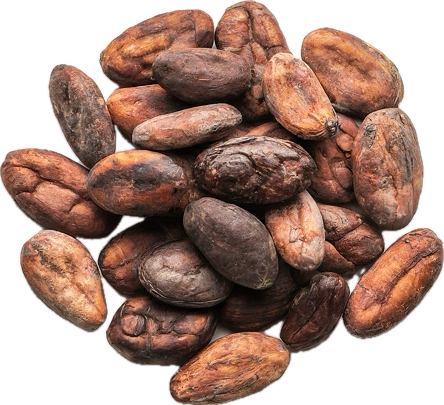
The Treasure in the Jungle and the Rest of the Story

Deep in the humid jungles of Central America, a tree stood unlike any other. It wasn’t the tallest, nor did it bear the most beautiful flowers. Its fruit, a rough, oval-shaped pod, clung stubbornly to its branches, concealing a secret within. But for those who understood its value, this tree was more precious than gold.

Ancient civilizations revered it. The Maya, Toltecs, and Aztecs believed its seeds held divine power. They harvested them, dried them, and used them in ways that stretched beyond mere nourishment. These small, unassuming beans were valuable enough to be used as currency, exchanged for goods like food and clothing. They also became the foundation of a rich, bitter drink—one thought to bring strength, vitality, and even wisdom, making it highly prized by rulers and warriors.

Markets thrived on their trade. With enough of these beans, one could buy textiles, fresh produce, or even livestock. The value of this crop was unmatched, and entire civilizations depended on its steady cultivation. Little did they know, its influence would one day stretch far beyond their temples and pyramids.

Centuries later, explorers arrived from across the ocean, drawn to the exotic riches of the New World. Among the many treasures they carried back to Europe, this bitter bean intrigued them the most. At first, its earthy, bitter taste was unfamiliar to European palates, but with the addition of sugar and spices, it quickly became a prized delicacy. No longer just a drink for the elite, it spread across continents, captivating both kings and commoners.

Today, its uses extend beyond indulgence. Its rich, comforting aroma is a staple in aromatherapy, helping to reduce anxiety and stress. When blended with vanilla and ylang-ylang, it creates a fragrance that soothes the senses. A few drops of its absolute in a diffuser can calm the mind, while mixing it with coconut oil provides a relaxing massage that melts away tension. From luxury spas to home kitchens, it remains as treasured now as it was centuries ago.

Despite its transformation into an everyday pleasure, its history is deeply woven into the cultures that first revered it. It once fueled the economies of empires, empowered warriors, and was honored as a gift from the gods. It traveled the world, was refined, sweetened, and shared, yet never lost its essence.

One man, in particular, changed its course forever. Coenraad Van Houten, a Dutch chemist in the 19th century, refined a method to press these beans, removing excess fat and creating a fine powder that made it easier to mix into liquids and pastries. His innovation made it more accessible than ever before, paving the way for modern chocolate production. From that point forward, what was once an elite commodity became a staple in homes and industries worldwide.

The treasure hidden in the jungle? Cocoa Bean. A simple seed that became currency, comfort, and one of the world’s greatest pleasures. It has warmed hands on cold nights, been the highlight of celebrations, and played a role in both indulgence and wellness. Whether in a cup of rich hot chocolate, a decadent dessert, or a calming massage oil, its influence is undeniable. Its journey from sacred currency to beloved treat is a testament to its enduring power. And now, you know the rest of the story.

The Power in a Tiny Bud and the Rest of the Story

For centuries, a tiny, dried bud held secrets far greater than its size suggested. Its deep, rich aroma was unmistakable—bold, warm, and slightly sweet. It had a way of lingering in the air, filling kitchens, apothecaries, and even the chambers of royalty. Some knew it as a key ingredient in their favorite confections, while others used it for far more than just taste.

Its value was once so great that wars were fought over it. Traders risked treacherous ocean voyages to secure it, knowing that those who controlled its supply controlled power. This little bud, often found in spice racks today, was once worth its weight in gold. It was cultivated in lands far from Europe, where the soil and climate allowed it to flourish. When crushed, it released an oil so potent that it became a prized remedy in medicine, dentistry, and even perfumery.

Its benefits extended beyond the kitchen. Healers discovered that it possessed remarkable properties—it could soothe a troubled stomach, ease aching muscles, and even help cleanse wounds. Over time, doctors found a particularly important use for it in dental care, where it provided relief from the agony of toothaches. It became a common ingredient in oral preparations, earning a reputation not just for freshening breath but for supporting overall health.

As trade routes expanded, so did knowledge of this remarkable spice. Apothecaries recommended it for digestion, cooks infused it into desserts, and even sailors carried it on long voyages, believing it helped preserve health during months at sea. Some even mixed a drop of its oil into coconut oil for a warming massage that brought relief to aching joints. Its versatility was astounding—whether in food, medicine, or self-care, it remained a cherished commodity.

But one man in particular changed how the world viewed this spice. Dr. Joseph Lawrence, a chemist in the 19th century, understood its potential beyond the kitchen. Inspired by its cleansing properties, he included its oil in the formula for a now-famous antiseptic mouthwash, ensuring that its legacy as a powerful health aid would endure. Thanks to his work, millions of people unknowingly benefit from its properties every day.

Even today, its uses continue to grow. A single drop of its essential oil added to toothpaste can help clean teeth and gums. Mixed into a capsule, it supports cardiovascular health. Infused into warm desserts, it enhances both aroma and well-being. It has even been used to flavor gum, leaving a distinctive tingle long after the last chew. Though it was once hoarded and fought over, it is now a household staple, readily available to those who seek its benefits.

It is a spice, a medicine, a healer, and a warrior in the fight against inflammation. It is found in everything from traditional remedies to modern health trends, proving that the wisdom of the past often holds the key to the future. Few people know just how many ways this tiny dried bud has shaped history, but its impact is undeniable.

The spice that transformed dental care, enhanced cuisine, and fueled trade for centuries? Clove. This small but mighty bud has healed wounds, calmed nerves, and added warmth to both food and medicine. It continues to be used in natural wellness, offering relief, protection, and comfort to those who embrace its power. Whether in a steaming cup of tea, a soothing massage oil, or a trusted bottle of mouthwash, it remains one of nature’s most remarkable gifts. And now, you know the rest of the story.

A Fruit that Nearly Wasn’t and the Rest Of the Story

In a quiet garden, nestled within the walls of an orphanage in North Africa, something unexpected happened. The soil was no different than it had been for years, the air no sweeter, and yet, on one particular tree, something unusual appeared. A fruit, smaller than most, with a deep orange glow and a skin so thin it peeled with barely a touch. It was a citrus unlike any other—mild yet fragrant, sweet but not overly so. And it had arrived, it seemed, by accident.

The children at the orphanage were among the first to notice it. They delighted in its easy-to-peel skin, its burst of sweetness, and its refreshing juice. Unlike other citrus fruits, this one had fewer seeds—sometimes none at all. It was as if nature had crafted something perfectly suited for small hands and eager appetites. But no one knew, just yet, what it was or where it had come from.

Word spread beyond the orphanage walls. Farmers and botanists took notice, intrigued by this unusual citrus. Some suspected it was a hybrid of two familiar trees—one with thin, willow-like leaves and another that bore sweet, round oranges. Others believed it had been growing unnoticed for years, only now recognized for its remarkable qualities. Whatever the case, it soon found its way into markets and homes, where it quickly became a favorite.

The fruit’s appeal was undeniable. It was easy to peel, effortlessly segmented, and refreshingly sweet. Its delicate balance of tartness and flavor made it ideal for eating fresh, adding to desserts, or even blending into drinks. It was also useful in unexpected ways—a few drops of its oil in tea or water helped ease occasional heartburn, while adding it to facial cleansers provided a natural boost to the skin. Its bright, zesty essence found its way into household cleaners, its scent filling homes with freshness.

It gained popularity quickly, reaching far beyond its place of origin. Farmers established entire orchards devoted to its cultivation, drawn to its abundant harvests, lack of seeds, and delightful flavor. Over time, it became a staple of the winter season, adding bursts of color to fruit bowls and making its way into school lunches. By the mid-20th century, countries such as Spain, Morocco, and the United States embraced its commercial production, ensuring it would be enjoyed worldwide.

For years, many enjoyed the fruit without ever questioning where it had come from. It seemed as though it had always existed, as natural and familiar as any other citrus. Yet few knew its true origins or how it had been brought to the world’s attention. It had transformed from an orphanage’s garden surprise to one of the most beloved citrus varieties in the world, but the story of the person behind it remained in the background.

The fruit that almost wasn’t? Clementine was named after the man who first cultivated and classified it—Brother Clément Rodier. This small, sweet citrus became a symbol of nature’s surprises, bringing joy, health, and nourishment to countless people. Its vibrant hue, effortless peeling, and refreshing taste secured its place among the most beloved citrus varieties. Whether tucked into a child’s lunchbox, nestled in a holiday fruit basket, or blended into skincare products, its presence is unmistakable. And now, you know the rest of the story.

The Oil that Changed Us and the Rest of the Story

It was a time when medicine was crude and knowledge of plants held the key to survival. For centuries, a certain herb grew wild across the Mediterranean, its soft, green leaves soaking in the sun, its pale purple blossoms opening to the morning light. The people who harvested it found something remarkable—when crushed and steeped in water, its leaves released a fragrance unlike any other.

But its true power wasn’t in its scent. Healers of old discovered that this plant had a peculiar effect on the mind—it soothed frayed nerves, lifted the weight of sorrow, and even seemed to sharpen vision. The ancient Greeks and Romans recorded its medicinal properties, and during the Middle Ages, it was cultivated in monastery gardens for use in herbal remedies. Physicians of the time prescribed it for ailments ranging from digestive issues to eye conditions, leading to its reputation as a powerful healing herb.

By the 16th century, this humble plant had made its way into the apothecaries of Europe. A renowned German physician and botanist, Leonhart Fuchs, documented its uses in one of the first comprehensive herbal medicine books of the Renaissance. Fuchs noted that the plant’s oil could calm the body and mind, ease muscle tension, and was beneficial for women’s health. Herbalists across Europe took note, and it became a staple in medicinal gardens.

Then, during the 18th century, a shift occurred. This plant’s oil became more than a remedy—it became an inspiration. A French perfumer named Jean-Louis Fargeon, best known for crafting fragrances for Queen Marie Antoinette, experimented with plant extracts to create complex and elegant scents. While historical records do not confirm that he specifically used this plant, perfumers of his era prized its ability to enhance floral notes and provide a soft, musky warmth. Over time, it became a valuable ingredient in perfumes and cosmetics, bridging the worlds of medicine and luxury.

In more recent times, scientists began to study what herbalists had long known. Research confirmed that this plant contained compounds capable of easing tension, promoting relaxation, and supporting skin health. It wasn’t just an old wives’ tale—this plant was, in fact, a treasure trove of natural benefits. Aromatherapists found that diffusing its oil before bed encouraged restful sleep, and mixing it with carrier oils created a soothing massage experience.

One person in particular helped bring this herb back into modern healing practices. A woman named Margaret Maury, a French biochemist and aromatherapist in the 20th century, studied the effects of plant oils on the body and mind. She played a key role in integrating essential oils into therapeutic massage and holistic medicine, emphasizing their ability to support emotional well-being. Her work helped revive interest in this remarkable plant, making it widely available to those seeking natural wellness solutions.

Today, this herb is found in wellness products, beauty treatments, and even hospital settings, where it is used to help calm patients. Its essential oil is cherished for its ability to soothe the skin, promote relaxation, and strengthen hair. A few drops in a warm bath with Roman chamomile create a stress-relieving soak. A diffuser can fill a room with its calming aroma before sleep, and when blended with fractionated coconut oil, it transforms into a rejuvenating massage treatment.

The tall, delicate plant with its soft, purple blossoms holds the secret to one of nature’s most soothing and restorative oils, Clary sage. From ancient healers to modern science, its power has remained undeniable for this remarkable herb, offering comfort, balance, and healing to those who seek it. And now you know the rest of the story.