Category Archives: Essential Oil

Thyme-Did You Know?

ThymeDid you know Thyme is the oil of releasing and forgiving? Thyme is one of the most compelling cleansers of our emotions and supports us in response to the concerns of trapped feelings that have been buried for a long time.

Thyme was also associated with courage, bravery and strength in ancient times? For thousands of years, thyme has been a big part of the herb garden, used as an antidote for poison, a plague preventative, a symbol of bravery in battle, and a reliable companion to the grave. Thyme has a far more interesting past than you’d think if you were walking past it in the grocery store today.

Thyme’s reputation as a healer and protector goes back many centuries. Thyme was also associated with bravery, courage, and strength in ancient times. Roman soldiers exchanged sprigs of thyme as a sign of respect. Greeks and Romans burned bundles of thyme to purify their temples and homes, and to recall a spirit of courage in those who inhaled it.

When cooking with thyme, use 1-2 drops in meat and entrée dishes to add a fresh herbal flavor. When using topically, dilute with fractionated coconut oil. Then apply to targeted areas on the skin to purify and promote healthy skin. Add 2 drops to veggie capsules and take internally during winter time to promote immunity.

Spearmint-Did You Know?

SpearmintDid you know Spearmint is the oil of confident speech? Spearmint inspires someone to be clear of thought and mutual verbal expression. The people in need of Spearmint may hide their opinions, thoughts, and ideas by keeping their voice silent. Spearmint promotes confidence when speaking, especially in front of a large group of people.

Spearmint has been cultivated for many years. Some believe it would be almost impossible to find it growing in its original form in nature. This species of mint is also known as “Mackerel Mint” The name, spear or spire, refers to the spiry form of its floral blossoming.

Before the invention of the refrigerator, spearmint was once macerated and added to milk because it appeared to lengthen the shelf-life of milk and keep it from curdling. It was also recommended for use by people with poor health or young children with sensitive digestive issues.

Spearmint oil is less used than it’s stronger cousin peppermint. The mint sauces, and jellies that usually accompany lamb dishes are made of the milder-flavored spearmint. It was once recommended as a treatment for hiccups, flatulence as well as indigestion. Spearmint essential oil cleanses, and purifies skin, and has an uplifting scent that can lessen mental, and physical fatigue.

The Power of One

Leonard FishIn a world with more than seven billion people, it’s easy to underestimate the importance of one. There are so many people who have so many gifts and talents who are already doing so many things that are so helpful and inspiring, who needs me? What can I as one person contribute to the needs of our world, our church and community? The truth is, you are unique, the only you in all the world. Nobody can do the things that God has called you to do better than you at this moment.
Edward Everett Hale puts it this way:
I am only one,
But still I am one.
I cannot do everything;
but still I can do something;
and because I cannot do everything
I will not refuse to do the something
that I can do.
There is only one you. You’re the only person with your exact life with your set of circumstances and events on your journey that have brought you to this hour on this planet. You’re the only one with your personal convictions, your makeup, your skills, your appearance, your touch, your voice, your style, your surroundings, you’re the only one. My passion is essential oils, I choose to help one person, one family, one community at a time with this amazing gift from the earth, and you can make your mark in the world as well. Go do the right thing.

Sage-Did You Know?

Sage
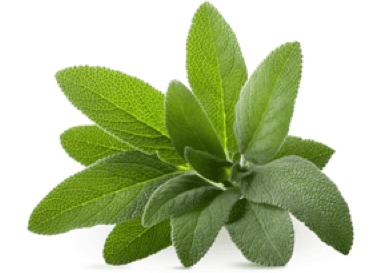
Did you know Sage is the oil of purification? Sage is known for its ability to cleanse energy, and spaces. It also purifies the body, and opens spiritual channels. Sage is a powerful energy cleansing oil. It can send away unwanted or hard to endure energies, and restore harmony, and balance. It plays a role in helping people who have experienced any form of abuse, also feeling a disconnect from their physical body.

Sage (Salvia officinalis) has a herbaceous spicy aroma. The Ancient Greeks and Romans used the leaves of both species as compresses for the treatment of wounds. The oldest reference is a depiction of Salvia fruticosa on a fresco at in Crete, which has been dated at about 1400 BC. The name salvia in fact comes from the latin, salvere, meaning to heal. It has been identified for its ability to strengthen the senses, and vital centers of the body.

Sage was used by herbalists externally to treat sprains, swelling, ulcers, and bleeding. Internally, a tea made from sage leaves has had a long history of use to treat sore throats and coughs; often by gargling. It was also used by herbalists for rheumatism, excessive menstrual bleeding, and to dry up a mother’s milk when nursing was stopped. It is helpful for supporting the respiratory, reproductive, and nervous systems. Sage may help in coping with despair and mental fatigue.

Oregano-Did You Know?

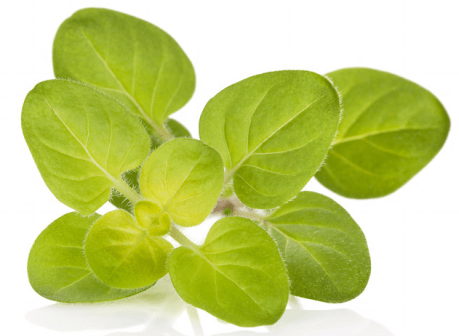
OreganoDid you know the word “oregano” comes from the Greek phrase, “joy of the mountains?” Oregano is the oil of humility and non-attachment. Oregano cuts through the less important parts of life and teaches people to do the same. Oregano is a powerful oil, and may even be described as assertive or intense. Oregano addresses an individual’s need to be “right.”

Ancient Greek physicians discovered that oregano had beneficial properties, and prescribed it for a variety of ailments. Hippocrates used it as well, as its close cousin, Marjoram, as an antiseptic. Just married couples were crowned with wreaths of it. It was also put on graves to give peace to departed spirits.

The use of oregano later spread throughout Europe and much of Northern Africa. In these regions it was used as a spice for meats, fish, and a flavoring for wine. In the middle ages people continued to use it. Oregano was one of few spices used in cooking to give variety to the daily meals.

In spite of its use in England, Oregano was little known in the United States prior to the Second World War. Soldiers discovered the flavors, and aromas during the Italian Campaign, and brought back the spice, and the desire for it. The oregano sold on the spice racks of stores today, is usually made up of several varieties.

Oregano is one of the most potent and powerful essential oils, and has been used for centuries in traditional medicine for its cleansing and immune-boosting properties. The primary chemical components of Oregano are carvacol, and thymol, both in the Phenols group, which possess purifying, and antioxidant properties. Due to its high phenol content, caution should be taken when inhaling or diffusing Oregano; only one to two drops is needed. Additionally, Oregano should be diluted with fractionated coconut oil when applied to the skin.

Oregano essential oil contains phenols—powerful antioxidants that ward off free radicals. One drop taken daily can help maintain healthy immune function; Oregano should be taken more frequently when seasonal threats are high, or as needed to further boost immunity. In addition to being a popular cooking spice, Oregano supports healthy digestion by promoting the secretion of digestive juices. When diffused, Oregano acts as an enhancer and equalizer in essential oil blends, and can help maintain healthy respiratory function.

Nutmeg-Did You Know?

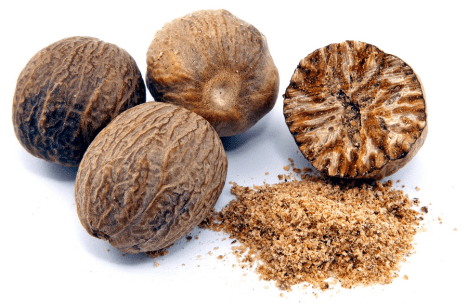
NutmegDid You know Nutmeg comes from the fruit of a 50 ft (15 m) tall tropical evergreen tree? Nutmeg is most commonly used as a cooking spice. The tree grows in Indonesia, New Guinea, and the West Indies. The dried nut and essential oil are both used to enhance your health.

Nutmeg is used in both Western and Chinese herbal medicine. It is most popular as a spice in food and drinks, and is also used in cosmetics and soaps. In ancient Greece, and Rome, nutmeg was highly valued and expensive. People were convinced it stimulated the brain. The Arabs have used nutmeg for centuries.

Nutmeg relaxes the muscles, and helps remove gas from the digestive track. It is most commonly used for stomach problems such as discomfort with indigestion. It is also used for chronic nervous disorders, kidney disorders, and to help with nausea, and vomiting. In Chinese medicine, nutmeg is used to treat abdominal pain, diarrhea, inflammation, impotence, liver disease, and vomiting. Some cultures have been know to use nutmeg as an aphrodisiac.

Myrtle-Did You Know?

MyrtleDid you know Myrtle is the oil of adaptability? Myrtle instills the soul with qualities helping you to adjust to new conditions, capable of being flexible, and recovering quickly from difficult conditions. Myrtle helps brings joy to the heart allowing things to flow naturally. It is helpful during difficult and challenging times.

The Ancient Egyptians knew of the therapeutic properties of myrtle, macerating the leaves in wine to counter fever and infection. The best and most fragrant myrtle trees came from Egypt. In Biblical times, Jewish women wore garlands of myrtle on their heads on their wedding day as a symbol of love, and to bring them happiness. In 1876, Dr Delioux de Savignac advocated the use of myrtle for bronchial infections, for problems of the urinary and reproductive system, and for hemorrhoids.

A study shows that myrtle oil kills Salmonella on fresh fruits and vegetables. Scientists intentionally inoculated fresh tomatoes, and iceberg lettuce with a strain of Salmonella. Then they used a cleaning solution that had a dilution rate of 1 to 1000 containing myrtle leaf oil to test if it would kill the bacteria. The results suggest that the use of myrtle can be an effective alternative to the use of chlorine or other disinfectants on fruits and vegetables.

Myrtle lowers blood sugar and has been traditionally used in Iran for the treatment of Malaria. It is also known for its ability to repel mosquitoes, and kills fungus, and mold. In some cultures myrtle is used to heal mouth ulcers, warts, and acne.

Essential Oils in the Bible

Bible
“You love righteousness and hate wickedness; therefore God, Your God, has anointed You with the oil of gladness more than Your companions. All Your garments are scented with myrrh and aloes and cassia, out of the ivory palaces, by which they have made You glad.”
PSALM 45:7-8

A Fish Tale

Screen shot 2014-10-08 at 5.44.40 AMWhen I was nine or ten I went fishing with my dad and older brother. We must have caught three or four good sized fish. Then my dad and brother gutted the fish which I considered disgusting.

When we got home my mom cooked up the fish, and I remember the entire house smelled of it. Then we sat down as a family to eat all this fried fish for dinner. I didn’t get all the bones out of my fish and I didn’t like the fishy taste. As a result of this experience, I don’t like anything to do with catching or eating fish. So my own rule is don’t eat the fish. This is a great rule for me because of a negative experience that I personally had. For many other people this would be a terrible rule.

How many of us follow rules even when we don’t understand why we are following them? Many rules that we follow are because of a negative experience that happened to someone else, or because of some unusual circumstances.

Mary was cooking a ham for dinner when one of her children asked her, “Why do you cut off the end of the ham when putting it in a pan? Mary’s response was “when I saw my mom cook a ham she always cut off the end of her hams.” Mary decided to call up her mom to find out why she cut the end of her ham off. Her response was, “my hams wouldn’t fit in any of my pans, so I cut the end off.”

Most things we do are based on how it was done in the past. When we get sick, what do we do, we reach for the pain relief capsules. We do what we were taught as children and young adults. We did the best we knew how with the knowledge we had at the time.

Now we know that with every man made drug there are harmful side effects, some minimal, others very dangerous, and compromising to our health. There is hope! I am excited to learn that there are essential oils that have no dangerous side effects, with positive results. I am happy to report my first line of defense when sick or healthy is by using powerful essential oils that have been studied for their healing properties.