Category Archives: Essential Oil Information

Tangerine-Did You Know?

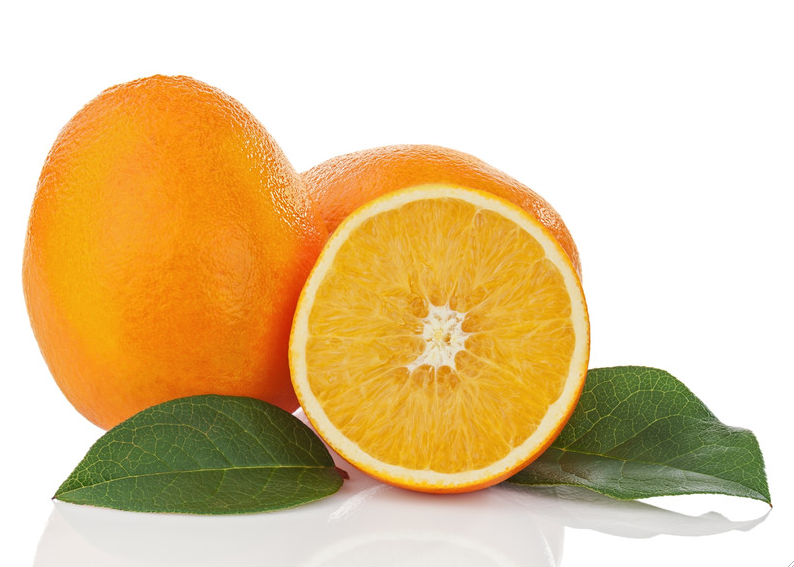
TangerineDid you know tangerineʼs have strong qualities of cheer and joyfulness? People who at times feel overwhelmed by responsibility would benefit from the the uplifting vibration that comes from tangerineʼs. Another important aspect of tangerine is itʼs ability to help us access our creative energy within our spirit.

The name tangerine comes from Tangier, a port of Morocco, where the first ship with Mandarin oranges arrived from China? This citrus fruit is believed to have originated in Southeastern Asia and since then it has been widely cultivated in different parts of the world.

A tangerine orange is smaller than a regular orange, and contains a strong pleasant fragrance. The fruit is quite fragile but the sections are easy to separate. A medium tangerine provides about 37 calories of food value, the fruit is not only delicious, it is an important addition to any diet.

Tangerine essential oil is great to use when cooking. Tangerine oil contains esters and aldehydes which are sedating and calming to the nervous system and has been studied for its ability to sooth emotions such as grief anger and shock. Like most citrus oils, avoid direct sunlight or UV light for up to 12 hours after using on the skin.

Thyme-Did You Know?

Thyme
Did you know thyme was also associated with courage, bravery and strength in ancient times? For thousands of years, thyme has been a big part of the herb garden, used as an antidote for poison, a plague preventative, a symbol of bravery in battle, and a reliable companion to the grave. Thyme has a far more interesting past than you’d think if you were walking past it in the grocery store today.

Thyme’s reputation as a healer and protector goes back many centuries. Thyme was also associated with bravery, courage, and strength in ancient times. Roman soldiers exchanged sprigs of thyme as a sign of respect. Greeks and Romans burned bundles of thyme to purify their temples and homes, and to recall a spirit of courage in those who inhaled it.

When cooking with thyme, use 1-2 drops in meat and entrée dishes to add a fresh herbal flavor. When using topically, dilute with fractionated coconut oil. Then apply to targeted areas on the skin to purify and promote healthy skin. Add 2 drops to veggie capsules and take internally during winter time to promote immunity.

White Fir-Did You Know?

White Fir
Did you know the white fir is recognizable as the common Christmas tree? It has a distinct, crisp fragrance that is associated with a camp fire, or a roaring fire on a cold winters night. It has a very distinct smell associated with happy memories. As an essential oil it has a very comforting scent. White fir essential oil has quite a few other qualities that makes it a great addition to your medicine cabinet.

White Fir essential oil is most noted for soothing sore muscles and joints and supporting
clear breathing. Aromatically, White Fir evokes feelings of stability, energy, and empowerment. It can be stimulating to the mind while helping the body to relax. Apply to cold, achy muscles and joints during winter time. Diffuse or apply to chest to promote clear breathing. Add 1-2 drops to a hot bath to relax and breathe in White Fir’s cleansing aroma. Diffuse to reduce mental fatigue at work.

Wintergreen-Did You Know?

Screen shot 2015-01-17 at 4.43.59 PM

Did you know Wintergreen is the oil of surrender? It can help the strong-willed person in letting go of the need to be right, and the need to know. Wintergreen reminds a person that they don’t have to do things on their own. There is a constant invitation to abandon one’s burdens to a higher Power.

The wintergreen is a perennial that is native to the eastern portion of North America? North American Indians chewed the leaves of the wintergreen plant for their distinct flavor, used them in the treatment of aches and pains, and to aid in breathing during hard work.

In the past, wintergreen was used internally to treat chronic mucous discharges, regulate hormones, and as a diuretic; due to its toxicity it is no longer used internally for medicinal purposes. Wintergreen is commonly used in very small amounts to adjust the flavor in candies, chewing gum, herbal teas, mouthwashes, toothpastes, and various beverages. It is also found in insect repellents and insecticidal products.

Wintergreen has a warming effect when applied to skin and is excellent to use in a massage to relieve sore muscles. A little goes a long way, so use sparingly and dilute with Fractionated Coconut Oil to minimize any skin sensitivity. For a soothing bath, add 1–2 drops of Wintergreen essential oil to warm bath water. Wintergreen essential oil is not recommended for internal use and should be stored out of reach from children.

Wild Orange-Did You Know?

Orange Fruit
Did you know the orange is one of today’s most popular fruits? Originally oranges earned fame anciently to help control scurvy, one of the most devastating diseases of the time. The orange followed trade routes around the world, planted in areas where conditions allowed by sailors who knew its medicinal importance.

Oranges probably originated in South Asia-possibly in Southern China, Vietnam or the northern reaches of the Indian subcontinent. Indian records mentioned wild oranges as ingredients in recipes. The use of oranges in Indian cooking and medicine dates back at least 7,000 years. By 1000 A.D., farmers in China established orange orchards and competed to produce much better varieties of this delightful fruit.

Wild orange essential oil can be used in an all-purpose spray to cleanse and purify surfaces. Add a drop to your water every day for a burst of flavor and to promote overall health. Diffuse to uplift mood and energy levels and to freshen the air. Energize the mind and body. Dispense one to two drops in the palm of your hand along with equal parts Peppermint and Frankincense. Rub palms together and inhale deeply from palms, then rub on the back of neck.

Patchouli-Did You Know?

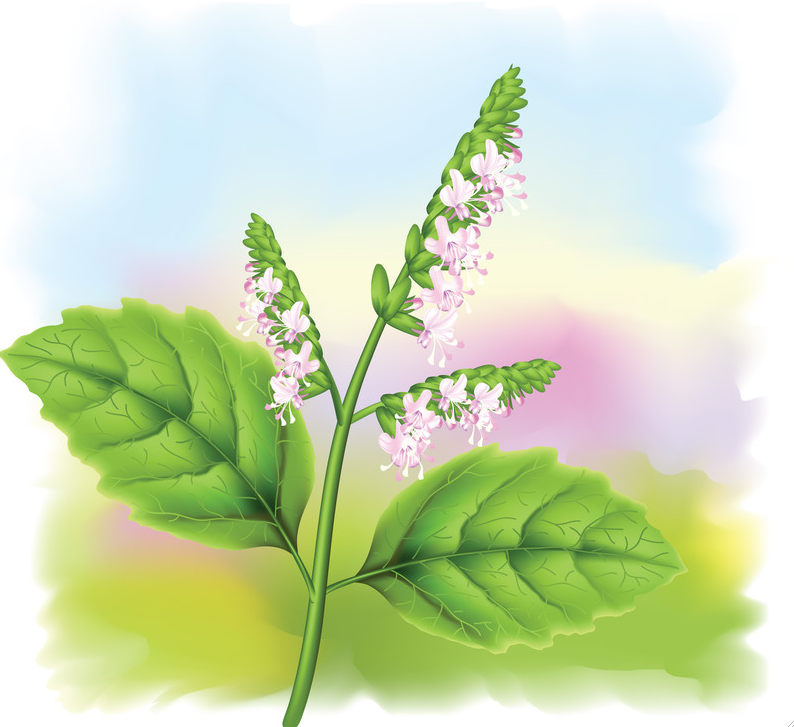
patchouliDid you know Patchouli is the oil of physicality? It supports people in becoming fully present in their physical body. Patchouli gives praise to Yoga, Tai Chi, Reiki, or other exercises that direct the connection of spirit with the body. Patchouli helps us appreciate the greatness of the physical body, and all of its natural designs, and functions.

Patchouli is a member of the mint family. Patchouli is a fragrant plant from South Asia that has a very pleasant and memorable scent. Tradesmen and merchants would often take long trips between India and England by coach in the 1800s. Leaves from the patchouli plant were always included to protect merchandise from moth damage and leaving clothing with the familiar scent letting the buyer know the items being purchased were of the highest quality from Asia.

The Indians that lived centuries ago said the oil improved their mental sharpness and removed that sluggish feeling that can slow the body down later in the day before dinner. Researchers now know the unusual and strong fragrance of the oil helps patchouli produce a balancing effect on the emotions.

Combine patchouli with peppermint and apply to the forehead, temples, or back of the neck to help with headache symptoms. Apply one to two drops to help reduce the appearance of wrinkles, scars, or problem skin areas, or add to your favorite moisturizer. Combine with vetiver, and apply to the bottoms of feet to help calm emotions.

Frankincense-Did You Know?

Frankincense Did you know Frankincense is the oil of truth? Frankincense helps uncover false truths, and deceptions. It invites people to let go of lower vibrational energy, along with lies, deceptions, and negativity. Frankincense also helps support in creating a healthy attachment with one’s father, and Heavenly Father. It also reminds us we our loved, and protected.

This Arabian tree has been as famous as it has been elusive since long before the birth of Christ, when the three wise men from the East brought it as a gift to that humble stable in Bethlehem. We do not know how far the use of Frankincense goes back in time, but we do know that it scented the Egyptian Temples to honor Ra the ancient solar deity and it is said that Queen Sheba brought a great number of Frankincense trees as a special gift for King Solomon. Unfortunately those trees were destined to die as Frankincense trees only grow in a very limited geographic range and very arid conditions. Nevertheless, it’s the thought that counts and bringing all these trees was indeed a very strong sign of honor and respect. In the ancient world incense trees fueled the economy of the Arab world as oil does today.

Frankincense oil may help with aging, allergies, insect and snake bites, bronchitis, colds, diarrhea, headaches, healing, hemorrhaging, herpes, high blood pressure, Jaundice and many other health issues. It contains sesquiterpenes, enabling it to go beyond the blood-brain barrier. Frankincense may also help a person have a better attitude, which may help strengthen the immune system.

Clary Sage-Did You Know?

Clary Sage Did You Know Clary Sage is the oil of clarity and vision? Clary Sage helps people in changing the way they see things in order to see the truth. Clary Sage helps individuals see their limiting beliefs. It also gives support to people to new ideas, and different ways of looking at the same situation.

It is thought that Clary originated in Syria or south west and central Europe where it can still be found growing wild? It was known to the ancients and the essential oil was prized by Dioscorides a Roman physician, and Pliny a Roman naturalist. This is still used in cosmetics and the perfume industry and is cultivated for these industries in France and Russia. It is a member of the sage family.

Clary Sage Oil can boost self esteem, confidence, and mental strength, thereby efficiently fighting depression. This can be very helpful for forms of depression due to challenges in your career or personal life, insecurity, loneliness, death of a friend or loved one, and many other reasons. Clary Sage oil also relieves anxiety. As an antidepressant, it can be used with patients suffering from acute depression who are undergoing rehabilitation.

Coriander-Did You Know?

Coriander:cilantroDid you know Coriander is the oil of loyalty, specifically loyalty to oneself? The individual in need of Coriander oil may be stuck in a cycle of always putting the needs of others ahead of their own. Coriander changes the focus of a person from doing things for the acceptance of others to honoring, and living from ones true self.

Coriander and cilantro come from the same plant. The word coriander can be used to describe the entire plant: leaves, stems, seeds, and all. Most people are referring to the spice produced from the seeds of the coriander plant. The leaves of the plant are commonly called cilantro, which comes from the Spanish word for coriander.

The change in names is very appropriate, since the plant’s leaves and the ripened seeds taste totally different. Cilantro on the other hand is a little too different for many more delicate taste buds, unfortunately. Most people either enjoy or greatly dislike the taste, but I can see why some people argue that it’s an acquired taste.

It’s a different story for the seeds. Coriander is an extremely popular spice with a pleasing aroma and lemony flavor, found in many recipes. Little is known about the origins of the coriander plant, although it is generally thought to be native to the Mediterranean and parts of southwestern Europe.

More recently, coriander plants were known to be growing in Massachusetts by the early 1600’s, one of the first herbs grown by the American colonists. Coriander essential oil promotes digestion and eases stomach upset, aids in a healthy insulin response, soothes joint and muscle pain. Coriander essential oil is also know for toning and rejuvenating to the skin.

Cypress-Did You Know?

CypressDid you know Cypress is the oil of motion and flow? Cypress teaches our spirit how to let go of the past by going with the flow of life. Cypress gives support to people by helping them throw aside their worries and let go of control allowing them to enjoy the excitement that comes from being alive, and being fully in the present.

Mediterranean Cypress has been widely cultivated as an ornamental tree for millennia away from its native range, mainly throughout the whole Mediterranean region, and in other areas with similar hot, dry summers and mild, rainy winters. Natural forest stands of the species mainly occur in the western part of the Mediterranean region of Turkey.

It is also known for its very durable, scented wood, used most famously for the doors of St Peter’s Basilica in the Vatican City, Rome. The Mediterranean Cypress is also known as the “drama tree” because of its tendency to bend with even the slightest of breezes.

Cypress oil is known to mankind since ancient times and has been used in many traditional medicines. Aromatherapy has been another important usage of this essential oil which has been a common practice for a long time. It is also known for the cross on which Jesus was crucified was made from the wood of cypress tree.

The oil from the cypress tree assists with clear breathing. Promotes healthy respiratory function. Soothes tight, tense muscles. Supports localized blood flow. Beneficial for oily skin conditions. It has a grounding, yet stimulating effect on the emotions, making it a popular oil to diffuse during times of transition or loss.