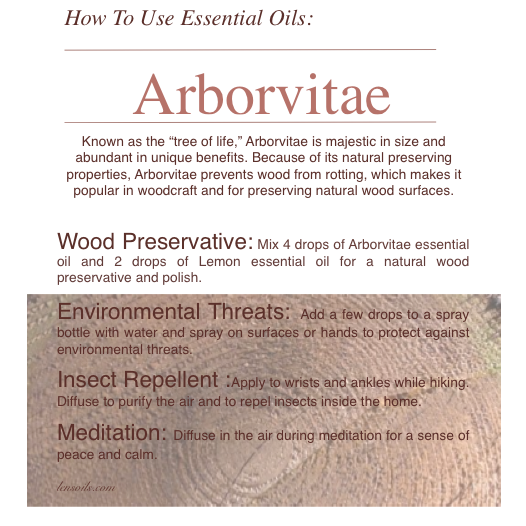
 All parts of the Arborvitae tree were used extensively by Native Americans for health benefits and for building vessels, totem poles, baskets, and clothing.
Category Archives: Essential Oil Information
How to Use Essential Oils
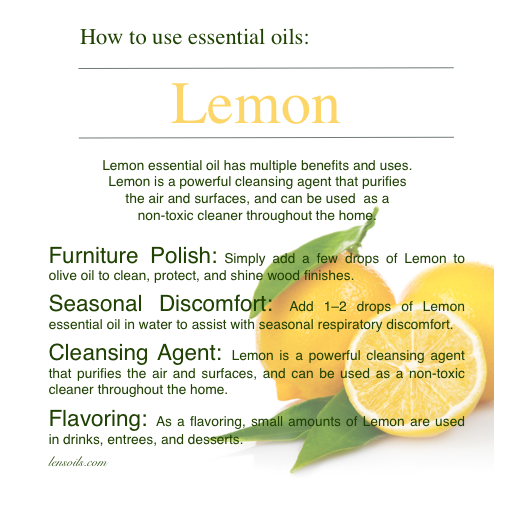 Everyday I find new ways to use essential oils.
Melissa-Did You Know?
 Did you know Melissa is Greek for “honey bee”? Melissa essential oil is the Oil of Light. Melissa oil brings to mind truth, and light to the soul. It reminds us of who we are, and why we came to this earth. Melissa invites people to release everything, and anything that holds them back from reaching their greatest potential. When people are feeling weighed down with life’s burdens, Melissa encourages them to keep going.
Melissa also know as Lemon balm has become popular with continued use through the years. So widespread was lemon balm’s reputation for promoting longevity, and dispelling melancholy that by the 17th century, French Carmelite nuns were giving out their Carmelite Water to a faithful following. The lemon-balm infused “miracle water” was thought to improve memory, vision, reduce rheumatic pain, fever, melancholy, and congestion.
In the mid 1500’s to 1700’s when the colonization of the North American continent was occurring, the settlers brought tools, and equipment over with them but more importantly they brought their cherished medical herbal books, and healing plants as well. Lemon balm was one of these herbs of great importance for its many uses. The colonist used lemon balm for cooking, and flavoring, for beverages such as teas and wines, medicine, cosmetic, and house- hold uses such as cleaning, and aromatic uses.
Because of its positive effect on mood, Melissa has long been used to calm tension, and nerves. Diffusing Melissa at night initiates a restful sleep, and promotes emotional, and cognitive health. Melissa helps boost immunity and is especially beneficial when seasonal threats are high. Melissa can also soothe stomach discomfort and help with nausea and indigestion. As one of our rarest and most expensive oils, Melissa has a wide range of health benefits and uses.
Marjoram-Did You Know?
 Did you know Marjoram essential oil is the Oil of Connection? Marjoram assists people who are unable to trust others or form a serious relationship. Being unable to trust often originates from unpleasant life experiences. Marjoram teaches that trust is the foundation for all human relationships.
Marjoram is surrounded by mythology. People thought marjoram was created by the greek goddess Venus who gifted it with its pleasant sweet flavor and aroma. This is one of the most desired sought after herbs by Aphrodite. People believed that when an unmarried girl kept a marjoram plant in her bed she would see Aphrodite in her dreams, who would then reveal to her, a prospective husband.
By the middle ages, marjoram was worn by couples as garlands to represent love, warm respect, and contentment. It was also added in the food to encourage devotion. Due to its sweet aroma, it was frequently used as deodorant and carried in bouquets and sweet bags. People of England used marjoram as a preservative.
Marjoram was known to the Greeks and Romans as a symbol of happiness. Marjoram has been used in culinary dishes, imparting a unique flavor to soups, stews, dressings, and sauces. In Germany, Marjoram is known as the “Goose Herb” for its traditional use in roasting geese.
In traditional Austrian medicine, Marjoram was used to promote gastrointestinal health and to purify the skin. In modern applications, Marjoram is valued for its calming properties, and for its positive effect on the nervous system. It also soothes tired, stressed muscles, and supports both healthy cardiovascular, and respiratory systems.
How to Use Essential Oils: Wintergreen
 Wintergreen essential oil is derived from the leaves of a creeping shrub found in coniferous areas.
Petitgrain-Did You Know?
 Did you know petitgrain is the oil of ancestry? Petitgrain brightens patterns and inclinations of unconsciously repeating family mistakes. The person in need of petitgrain is lacking the skills or unwilling to remove themselves from their families way of thinking. Instead they follow in the footsteps of their ancestral traditions.
When I first opened the bottle of petitgrain I couldn’t put my finger on the smell, then it occurred to me that it smells a little bit like fried green tomatoes that I ate a lot of as a child. There are three essential oils that come from the bitter orange tree. Petitgrain is distilled from the leaves and twigs of the tree. Neroli essential oil is distilled from the blossoms and bitter orange oil is produced by cold pressing the rinds of the fruit.
Originally the oil was produced in distilleries from the unripe oranges when they were the size of grapes. This explains why it is named Petitgrain, which in French means little grains. Nevertheless, this proved to be uneconomical and so the oil began being extracted from the leaves and twigs of the orange tree instead.
Historically, petitgrain essential oil has been used for cleaning purposes and it has been used internally to support healthy immune system and nervous system function. Emerging scientific evidence provides support for these tradition and other uses. Adding one or two drops to water or juice may help support the health of cardiovascular, immune, nervous and digestive systems.
Spikenard-Did You Know?
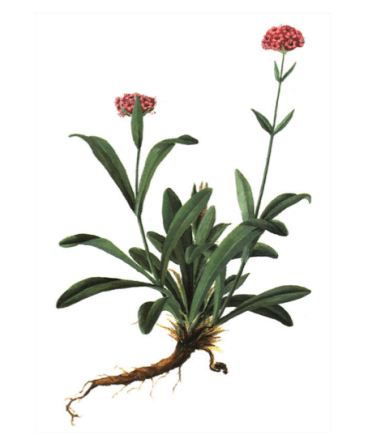 Did you know Spikenard is the oil of gratitude? Spikenard encourages true appreciation for life. It addresses repeated patterns of ingratitude, where a person sees themselves as a person whom criticism or abuse may be directed, or a victim of their life circumstances. It encourages individuals to let go and find appreciation for all of life’s experiences.
Spikenard is grown in Nepal, China, and India. For centuries the oil has been used as a perfume, as a medicine, and in religious ceremonies from Europe to India. In the bible It was offered on the specialized incense altar in the time when the Tabernacle was located in the First and Second Jerusalem Temples. Several references to Spikenard, were made in both the Old and the New Testament.
Spikenard was one of the early aromatics used by the Egyptians and is mentioned frequently throughout the bible. The powdered root of Spikenard is also mentioned in some Islamic traditions as the fruit which Adam ate in Paradise, which God had forbidden him to eat. It was traditionally used to anoint people of high honor due to its healing properties, and is considered to have spiritual applications for blessing and protection.
Spikenard has a long list of therapeutic uses in clinical aromatherapy and is considered non-toxic, non-irritant, and non-sensitizing. It is also used to season foods in Medieval European cuisine.The health benefits of Spikenard Essential Oil can be attributed to its properties as a deodorant, laxative, and a sedative in nature.
How to Use Essential Oils

How to use Essential Oil

Cooking with essential oils is one of my favorite ways to use them.
Peppermint-Did You Know?
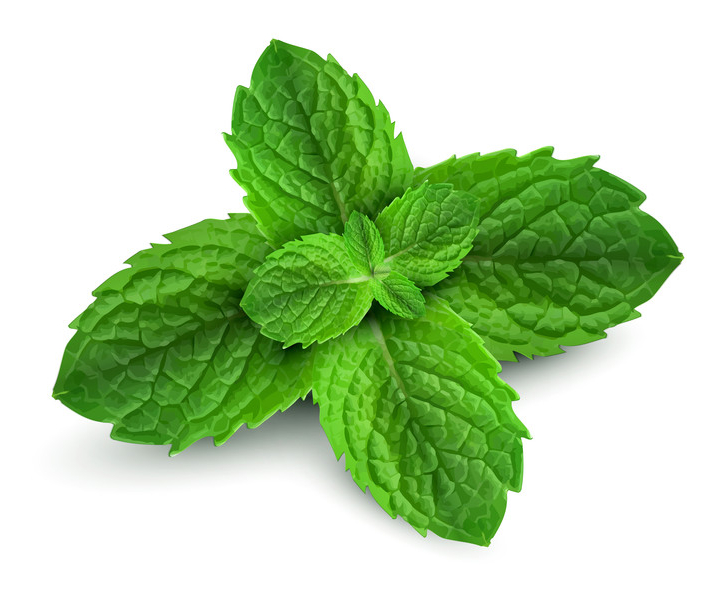 Did you know Peppermint is the oil of a buoyant heart? Peppermint brings happiness, and optimism to the heart and soul. It gives strength to the body, mind and spirit, and reminds us that life can be filled with happiness, and there is nothing to fear. When a person uses Peppermint they feel as though they are moving smoothly through life.
Peppermint (Mentha piperita) is one of hundreds of species in the genus Mentha which also includes spearmint, water mint and forest mint originating in North America and the Mediterranean area of Europe? Peppermint is actually believed to be a naturally occurring hybrid of spearmint and water mint. While some claim peppermint was not hybridized and cultivated until the 18th century in England, peppermint is referenced in ancient texts.
Peppermint oil can also calm the spasms that cause muscle cramps? Menthol which is in peppermint provides effective relief from many respiratory problems including nasal congestion, sinusitis, asthma, bronchitis and the common cold and cough. It is often included as an ingredient in natural chest rubs to help with congestion.
 Len's Oils