
In Book of Amos 6:6, the imagery of drinking wine in bowls and anointing with the “chief ointments” points to a culture of excess among the wealthy. In the ancient Near East, fine oils were among the most prized luxuries, often imported, carefully blended, and reserved for special occasions. These ointments could include rare plant extracts and resins, valued not only for their fragrance but for what they signaled about status and comfort. To use the “chief” or finest oils regularly suggested a life insulated by abundance, where sensory pleasure and outward refinement had become the norm rather than the exception.
What sharpens the verse is the contrast that follows. While surrounded by luxury, they are described as being unmoved by the “affliction of Joseph,” meaning the suffering of their own people. Essential oils in that setting could symbolize blessing, care, and even spiritual attention, yet here they highlight a disconnect. The fragrance of the finest oils fills their lives, but compassion is absent. The verse quietly reframes the purpose of such gifts, suggesting that what is meant to reflect gratitude or reverence can become hollow when it is separated from awareness and concern for others.
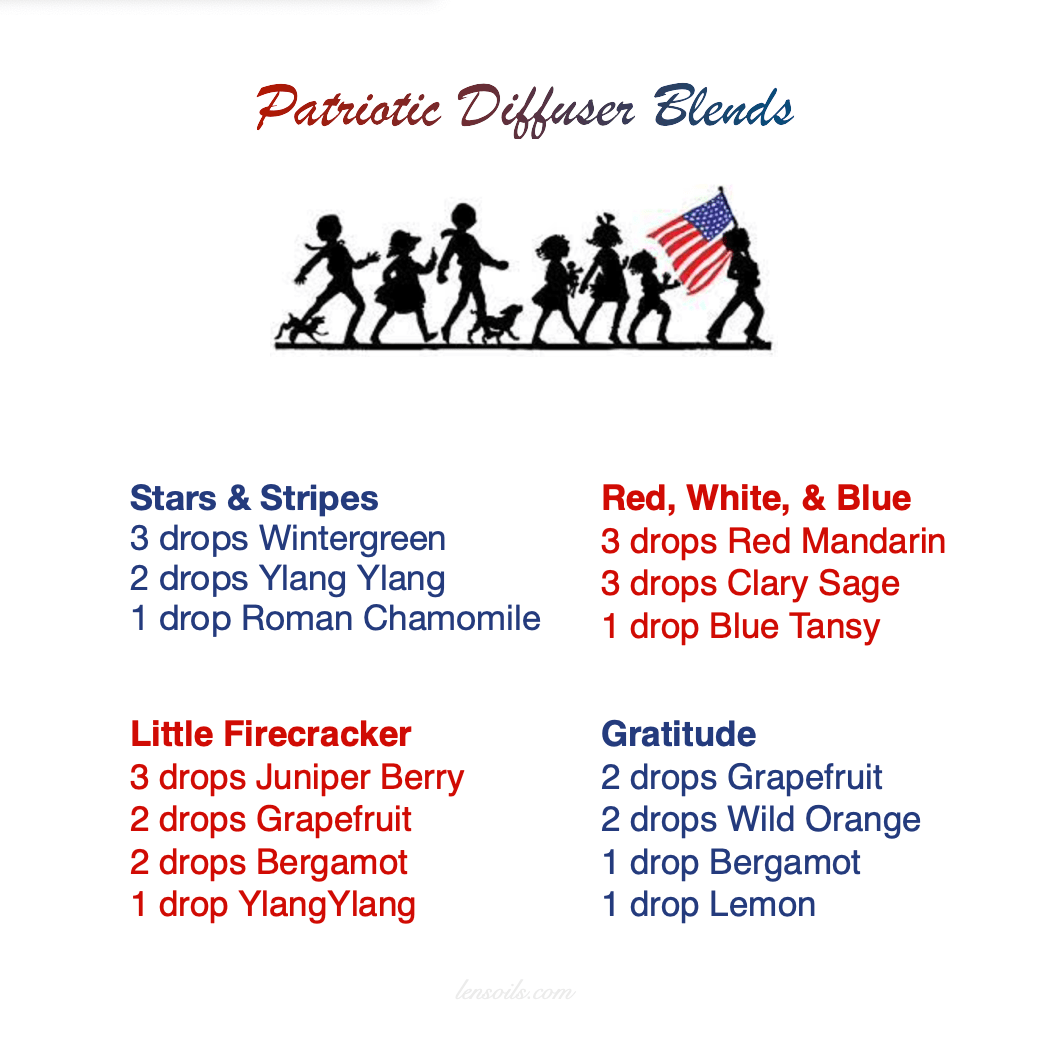
 Did you know Spikenard is the oil of gratitude? Spikenard encourages true appreciation for life. It addresses repeated patterns of ingratitude, where a person sees themselves as a person whom criticism or abuse may be directed, or a victim of their life circumstances. It encourages individuals to let go and find appreciation for all of life’s experiences.