Category Archives: Did You Know

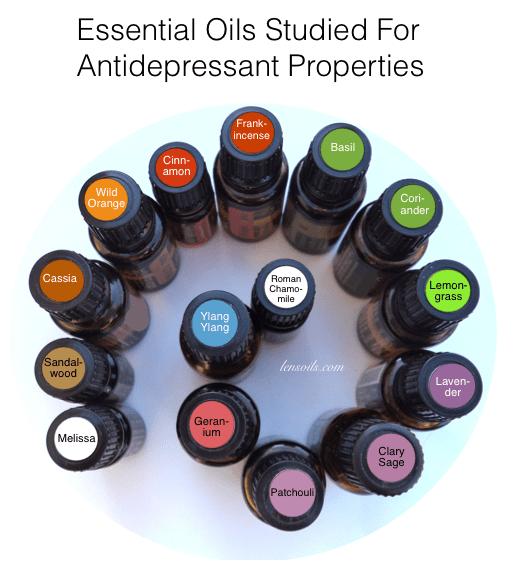
Top 15 Essential Oils Studied For Anti-Depressant Properties

Antidepressant Properties
The term antidepressant refers to an agent that helps alleviate depression, bringing a person back to a more positive place in their life with increased happiness.

Basil Essential Oil
Basil is cooling to the skin, and can be used to soothe minor irritations. When diffused, Basil helps promote clear breathing, and healthy respiratory function while sharpening focus, and lessening stress.
Learn More

Cassia Essential Oil

When diluted, Cassia can help soothe sore, achy joints. Cassia can be used in cooking either as a replacement for Cinnamon in pies and breads, or by itself in many different entrees and desserts.
Learn More

Cinnamon Essential Oil

Cinnamon is strong, so be sure to dilute it (3 drops of carrier oil to 1 drop of cinnamon), but you can cook, bake, or even make candy with it too.
Learn More

Clary Sage Essential Oil

The main chemical component of Clary Sage is linalyl acetate, part of the esters group, making it one of the most relaxing, soothing, and balancing essential oils.
Learn More

Coriander Essential Oil

Coriander has a high linalool content, giving it strengthening and toning properties that benefit the skin, emotions, and body.
Learn More

Frankincense Essential Oil

Frankincense promotes a healthy inflammatory response and acts as an overall tonic to the body’s systems, helping them function optimally. When inhaled or diffused, Frankincense induces feelings of peace, relaxation, satisfaction, and overall wellness.
Learn More

Geranium Essential Oil

This oil has been used to promote clear skin and healthy hair, making it ideal for skin and hair care products. It also helps calm nerves and lessen stress.
Learn More

Lavender Essential Oil

Inhaling Lavender promotes relaxation and a restful night’s sleep, making it an ideal oil to diffuse at bedtime and when stress levels are high.
Learn More

Lemongrass Essential Oil
This oil supports healthy digestion, and soothes aching muscles. Lemongrass purifies and tones skin, and acts as an overall tonic to the body’s systems.
Learn More

Melissa (Lemon Balm) Essential Oil
Melissa is also great for your skin or over the reflex areas for the area of concern. You can also add a drop to your tea.
Learn More

Orange Essential Oil

Orange can be taken daily to cleanse the body or used on surfaces as a natural cleaner. Diffusing Wild Orange will energize and uplift the mind and body while purifying the air.
Learn More


Patchouli Essential Oil

Patchouli is regularly used in the perfume industry as well as in scented products. The fragrance of Patchouli provides a grounding, balancing effect on emotions.
Learn More


Roman Chamomile Essential Oil
Ancient Romans used the oil for mental clarity and courage during war. While the most common use of chamomile is in teas, Roman Chamomile can also be found in face creams, drinks, hair dyes, shampoos, and perfumes.
Learn More

Sandalwood Essential Oil

Sandalwood has a sweet, woody aroma that can enhance mood and is frequently used in meditation for its grounding effects.
Learn More

Ylang Ylang Essential Oil

Ylang Ylang is used to lessen tension and stress and to promote a positive outlook. Ylang Ylang is frequently used in luxurious hair and skin products for its scent and nourishing and protective properties.
Learn More

Top 15 Essential Oils Studied For Anti-Bacterial Properties

Studied for Antibacterial Properties
The term antibacterial refers to anything that kills bacteria or limits its ability to grow or reproduce.

Basil Essential Oil
Basil is cooling to the skin, and can be used to soothe minor irritations. When diffused, Basil helps promote clear breathing, and healthy respiratory function while sharpening focus, and lessening stress.
Learn More

Cassia Essential Oil
When diluted, Cassia can help soothe sore, achy joints. Cassia can be used in cooking either as a replacement for Cinnamon in pies and breads, or by itself in many different entrees and desserts.
Learn More

Cedarwood Essential Oils
Cedarwood will help maintain healthy breathing and respiratory function and, when applied topically, Cedarwood promotes clear, healthy skin. This oil is also used in massage therapy to relax the mind and body.
Learn More

Cinnamon Essential Oil

Cinnamon is strong, so be sure to dilute it (3 drops of carrier oil to 1 drop of cinnamon), but you can cook, bake, or even make candy with it too.
Learn More

Clove Essential Oil
Clove has been used for years in dental preparations,candy, and gum for its flavor and ability to promote oral health, yet it provides a myriad of health benefits.
Learn More

Cypress Essential Oil

Cypress assists with clear breathing, and promotes healthy respiratory function. It also soothes tight muscles and supports localized blood flow. This oil is helpful for oily skin conditions.
Learn More

Geranium Essential Oil

This oil has been used to promote clear skin and healthy hair, making it ideal for skin and hair care products. It also helps calm nerves and lessen stress.
Learn More


Helichrysum Essential Oil
Helichrysum is great for regenerative effects, can be used without dilution for most people. No first aide kit should be without this oil.
Learn More

Lemongrass Essential Oil
This oil supports healthy digestion, and soothes aching muscles. Lemongrass purifies and tones skin, and acts as an overall tonic to the body’s systems.
Learn More

Lime Essential Oil
Lime oil can usually be used without diluting, depending on skin sensitivity, and can be taken internally, but like all citrus oils, it can cause sensitivity to the sun with topical use up to 12 hours prior, so using it before bed is a great option.
Learn More

Melaleuca Essential Oil
Melaleuca is best known for its purifying properties. It can be used to cleanse and purify. Taken internally, Melaleuca enhances immunity when seasonal threats are high.
Learn More

Oregano Essential Oil
Oregano is one of the most potent essential oils. It must be diluted (3 drops of carrier oil to 1 drop of Oregano essential oil when used topically). Apply to reflex points. It can be used as a flavoring in cooking.
Learn More

Peppermint Essential Oil
Peppermint is very pleasing to the taste buds (you can add the oil to tea or water), but is powerfully soothing to the digestive system. You can usually apply it without diluting, inhale for nausea, or take internally as suggested.
Learn More

Rosemary Essential Oil

Rosemary supports healthy digestion and helps soothe sore muscles and joints. This oil also helps reduce nervous tension and fatigue.
Learn More

Thyme Essential Oil

Thyme makes a great defense against many concerns, although it should always be diluted (4 drops carrier oil to 1 drop thyme). You can also cook with it. This oil has cleansing and purifying effects for the skin.
Learn More

Dill-Did You Know?

Dill

Did you know the Romans believed that dill brought good fortune? The Romans also used dill leaves in the wreaths they made to recognize athletes and heroes. Dill originated in the warm southern regions of Russia, the Mediterranean, and Western Africa. It has been used as a medicinal herb for more than 5,000 years.

Dill was hung over the doorway to the house, making it a symbol of love, and acted as a protection against harm. People who believed in witches would brew a cup of tea brewed from the leaves and seeds of the dill plant to take away their evil power.

Pickles have been around for centuries, yet no one knows exactly when dill was added as a flavoring. There are recipes in England that date back to the 1600s that call for dill to be added to pickled cucumbers. Dill pickles are now the most popular pickle in America. Dill has a strong flavor that enhances the taste of vegetables, meats, and seafood.

Dill has been studied for its ability to help ease constipation, flatulence, headaches, and indigestion. It has helped promote milk flow in nursing mothers. Dill when diffused with Roman chamomile, may help with restless children. Dill has also shown positive signs with pancreas support and clearing toxins. A drop on the wrists may help remove cravings for sweets.

Top 15 Essential Oils Studied For Antiviral Properties

Studied For Antiviral PropertiesThe term antiviral refers to something that is able to inhibit or stop the development or duplication of an infection causing virus.
Arborvitae Essential Oil
Is unique because it has a high ester content, and 0% thuja content (a toxic constituent found in other varieties of arborvitae). It also has insect repelling properties even decomposition of the fallen trees for centuries.
Learn More

Basil Essential Oil
Basil is cooling to the skin, and can be used to soothe minor irritations. When diffused, Basil helps promote clear breathing, and healthy respiratory function while sharpening focus, and lessening stress.
Learn More

Cassia Essential Oil

When diluted, Cassia can help soothe sore, achy joints. Cassia can be used in cooking either as a replacement for Cinnamon in pies and breads, or by itself in many different entrees and desserts.
Learn More

Cinnamon Essential Oil

Cinnamon is strong, so be sure to dilute it (3 drops of carrier oil to 1 drop of cinnamon), but you can cook, bake, or even make candy with it too.
Learn More

Clove Essential Oil
Clove has been used for years in dental preparations,candy, and gum for its flavor and ability to promote oral health, yet it provides a myriad of health benefits.
Learn More

Eucalyptus Essential Oil

Eucalyptus oil is best known for respiratory health and works great when massaged over the chest and throat. Can be applied without diluting.
Learn More

Helichrysum Essential Oil

Helichrysum is highly valued and sought after for its many health benefits. It’s frequently consumed to help detoxify the body.
Learn More

Lemon Essential Oil

Lemon oil is great for cleaning, can be taken internally, or used topically. Those with sensitive skin may want to dilute  it, because it can cause photosensitivity.
Learn More

Lime Essential Oil

Lime oil can usually be used without diluting, depending on skin sensitivity. It can be taken internally, but like all citrus oils, it can cause sensitivity to the sun with topical use up to 12 hours prior.  Using it before bed is a great option.
Learn More

Melaleuca Essential Oil
Melaleuca is best known for its purifying properties. It can be used to cleanse and purify. Taken internally, Melaleuca enhances immunity when seasonal threats are high.
Learn More

Melissa (Lemon Balm) Essential Oil
Melissa is also great for your skin or over the reflex areas of concern. You can also add a drop to your tea.
Learn More

Myrrh Essential Oil

Myrrh is valued as an expectorant, which means it promotes the expulsion of mucus in cases of bronchitis and lung congestion. Myrrh is best for chronic conditions, because it contains tannins and resins. It has an astringent effect on tissues.
Learn More

Peppermint Essential Oil

Peppermint is very pleasing to the taste buds (you can add the oil to tea or water), but is powerfully soothing to the digestive system. You can usually apply it without diluting. inhale for nausea, or take internally as suggested.
Learn More

Thyme Essential Oil

Thyme is a great defense against many concerns. It should always be diluted (4 drops carrier oil to 1 drop thyme). You can also cook with it.
Learn More

Essential Oils in the Bible

Bible

“Each young woman’s turn came to go in to King Ahasuerus after she had completed twelve months’ preparation, according to the regulations for the women, for thus were the days of their preparation apportioned: six months with oil of myrrh, and six months with perfumes and preparations for beautifying women.”
ESTHER 2:12

Cilantro-Did You Know?

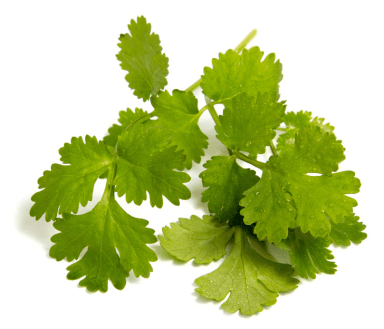
Coriander:Cilantro-did you knowDid you know Cilantro essential oil is the oil of releasing control? Cilantro makes the detoxification of emotions and debris. It is helpful in lightening your load through the release of issues buried in the body, heart and soul. Those in need of cilantro may attempt to obsessively control other people or manage their surrounding and conditions.

It is a mystery as to where Cilantro originated, but it is thought by many to be from the Mediterranean region of Europe. No one knows exactly, but it appears that cilantro has been used for at least 5000 years. The seeds, also known as coriander, have even been found in ancient Egyptian tombs. Perhaps this was because the coriander seeds were thought by the ancient herbalists to be an aphrodisiac.

The therapeutic and culinary uses of Cilantro have been documented for centuries. Cilantro has been studied for antioxidants known to protect the body’s cells from oxidative stress. Cilantro promotes healthy digestion and acts as a powerful cleanser and detoxifier for the body’s systems. Applied topically, Cilantro is very soothing and cooling to the skin, and it adds a fresh, herbal aroma to any essential oil blend when diffused.

There is also a large amount of literature speculating that cilantro may be an effective chellation therapy for people who have excess mercury in their systems. Some think that mercury poisoning could be the result of metallic teeth fillings. Every time a person with fillings chews, the fillings release minute amounts of mercury gas that may be breathed into the system. Of course, this is all speculative and disputed. Nevertheless, many people who have suffered from mercury poisoning and the “brain cloud” it causes have reported fairly rapid relief by the consistent consumption of cilantro over a period of just a few weeks.

Cilantro’s culinary uses are endless, adding a flavorful twist to meats, salads, dips, and guacamole. A small amount goes a long way, sometimes a drop is too much and overpowering. Just dipping a toothpick into an essential oil bottle, then using the toothpick for stirring is sufficient.

Cedarwood-Did You Know?

CedarwoodDid you know cedarwood is the oil of community bringing people together who struggle to form bonds within social groups. Cedarwood supports people in seeing that they are not alone. It invites people to both give and receive and experience the joy of relationships.

Cedarwood Juniperus Virginiana is an important ornamental and timber tree of eastern North America whose fragrant wood is made into cabinets, fence posts, and pencils. Juniperus Virginiana is a dense slow-growing coniferous evergreen tree that may never become more than a bush on poor soil, but can grow up to 100 ft tall, The oldest tree reported, from Missouri, was 795 years old.

Cedarwood is used by Native American Indians to treat respiratory infections, rheumatism, arthritis, skin rashes, kidney infections and used as an insect repellent. Known for its rich hue and warm, woody scent, Cedarwood essential oil provides a myriad of health benefits that date back to biblical times.

Cedarwood is native to cold climates, thriving in high altitudes. Reminiscent of its size and strength, Cedarwood has a grounding aroma that evokes feelings of wellness and vitality. Additionally, Cedarwood is frequently used in massage therapy to relax and soothe the mind and body.

Cardamom-Did You Know?

CardamomDid you know a lot of chronological Indian content mention Cardamom as a flavoring agent and medicine? There are recipes of sherbets and rice dishes flavored with Cardamom. Cardamom became an object of trade with South Asia in the last thousand years when Arab traders brought it into extensive use. Exports from the Malabar shore, close to where Cardamom’s grew untamed, were portrayed by the Portuguese traveler, Barbosa, in 1524. By the time of Garcia DA Orta in 1563, the worldwide trade in Cardamom’s was finely urbanized. Kerala continued to dominate the cardamom trade until the colonial era.

It was bought by the Raja’s administrators from India, and some of it was sold to Muslim merchants while the most excellent quality was sold abroad. In the 19th century British settlement established Cardamom as a secondary crop in coffee agricultural in further parts of India. But it’s Guatemala, which only started growing the spice in the 1920s, that’s the biggest commercial producer today, overtaking India and Sri Lanka. In some parts of Guatemala, it has even overtaken coffee as its most valuable crop!

Cardamom is largely used in South Asia and South America it has been known to help teeth and gums issues, to help control and take care of throat troubles, congestion of the lungs, inflammation of eyelids and also digestive disorders. It is also used to break up kidney stones and gall stones, and was apparently used as an antidote for venom from both snakes, and scorpions.

Bergamot-Did You Know?

canstockphoto17542085Did you know bergamot essential oil is the oil of self-acceptance? Bergamot relieves feelings of despair, low self-esteem, and self-judgment. It supports people in need of a good self esteem. Bergamot invites people to see life with more optimism, it also has a cleansing affect on sluggish feelings and limited belief systems. Bergamot awakens the soul to hope, and offers courage to share their inner-self.

Bergamot has a long history of use in potpourri and perfume recipes. Bergamot oil does many benefits to us and our body we value most. Recent Italian research has shown that Bergamot essential oil has a wide variety of uses in aromatherapy application; Bergamot is unique among citrus oils due to its ability to be both uplifting and calming.

Although a native to the Southern regions of Asia, Bergamot Citrus bergamia is now cultivated primarily in the Calabria region. It also takes its name from an Italian city, that of Bergamot in Lombardy, where the essential oil was originally sold. The Italians have used Bergamot in folk medicine for years, used mainly for fevers. It also promotes healthy, clear skin.

Bergamot essential oil is obtained from the cold expression of the peel of nearly ripe fruit of the Bergamot tree. The small fruit tree is characteristic of the southern Italian landscape: it’s small, round fruit is very bitter and not likely eaten when raw. The fruit looks like a miniature orange. The essential oil obtained from the fruit of the Bergamot tree has a citrus-like aroma but also a spicy undertone.

Bergamot is the most delicate of the citrus plants, Requiring special climate, and soil in order to thrive. Italians have used Bergamot for years to reduce tension, stress, and to soothe, and rejuvenate skin. Bergamot is unique among citrus oils due to its ability to be both uplifting and calming, making it ideal to help with anxious, and sad feelings. It is also purifying, and cleansing for the skin, helping with oily skin conditions, and promoting a smooth, clear complexion while having a calming effect.