
Try using Summer Savory in your favorite recipe for an addition boost in flavor.
Try using Summer Savory in your favorite recipe for an addition boost in flavor.

Did you know in Texas they don’t have a groundhog to help predict Spring? They have a snake! Today Jake saw his shadow which means 6 more weeks of 70’s and 80’s before Spring arrives. It is so tough to be a Texan.

I love how king Solomon uses myrrh in his poetry.

Did you know cedarwood is the oil of community bringing people together who struggle to form bonds within social groups? Cedarwood supports people in seeing that they are not alone. It invites people to both give and receive and experience the joy of relationships.
Cedarwood Juniperus Virginiana is an important ornamental and timber tree of eastern North America whose fragrant wood is made into cabinets, fence posts, and pencils. Juniperus Virginiana is a dense slow-growing coniferous evergreen tree that may never become more than a bush on poor soil, but can grow up to 100 ft tall, The oldest tree reported, from Missouri, was 795 years old.
Cedarwood is used by Native American Indians to treat respiratory infections, rheumatism, arthritis, skin rashes, kidney infections and used as an insect repellent. Known for its rich hue and warm, woody scent, Cedarwood essential oil provides a myriad of health benefits that date back to biblical times.
Cedarwood is native to cold climates, thriving in high altitudes. Reminiscent of its size and strength, Cedarwood has a grounding aroma that evokes feelings of wellness and vitality. Additionally, Cedarwood is frequently used in massage therapy to relax and soothe the mind and body.
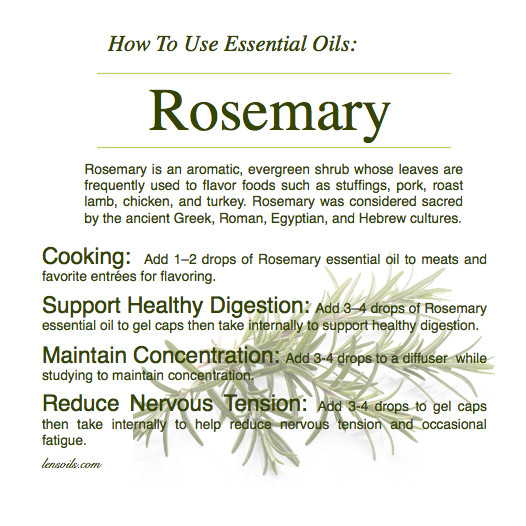
Rosemary is a plant I like to have in my yard so I can pick a sprig, and rub between my fingers, the aroma is wonderful.

I feel like a million bucks when I put rose essential oil on my skin, and it smells great.

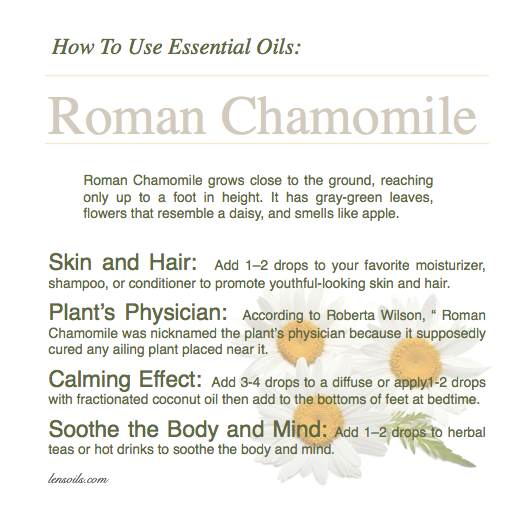
I also enjoy using Roman Chamomile when taking a relaxing soak in the bathtub.

 Did you know a lot of chronological Indian content mention Cardamom as a flavoring agent and medicine? There are recipes of sherbets and rice dishes flavored with Cardamom. Cardamom became an object of trade with South Asia in the last thousand years when Arab traders brought it into extensive use. Exports from the Malabar shore, close to where Cardamom’s grew untamed, were portrayed by the Portuguese traveler, Barbosa, in 1524. By the time of Garcia DA Orta in 1563, the worldwide trade in Cardamom’s was finely urbanized. Kerala continued to dominate the cardamom trade until the colonial era.
It was bought by the Raja’s administrators from India, and some of it was sold to Muslim merchants while the most excellent quality was sold abroad. In the 19th century British settlement established Cardamom as a secondary crop in coffee agricultural in further parts of India. But it’s Guatemala, which only started growing the spice in the 1920s, that’s the biggest commercial producer today, overtaking India and Sri Lanka. In some parts of Guatemala, it has even overtaken coffee as its most valuable crop!
Cardamom is largely used in South Asia and South America it has been known to help teeth and gums issues, to help control and take care of throat troubles, congestion of the lungs, inflammation of eyelids and also digestive disorders. It is also used to break up kidney stones and gall stones, and was apparently used as an antidote for venom from both snakes, and scorpions.
 Len's Oils