
“Careful, one squirt of lavender and you’ll be so relaxed you won’t even care you lost the argument!”

“Careful, one squirt of lavender and you’ll be so relaxed you won’t even care you lost the argument!”

Ah, Victor finally claimed the spoils—just like the prophecy foretold. Somewhere, a Shakespearean narrator is applauding the drama while Victor stands triumphantly over a slightly dented can of beans and a mismatched sock. Truly, a victory for the ages!
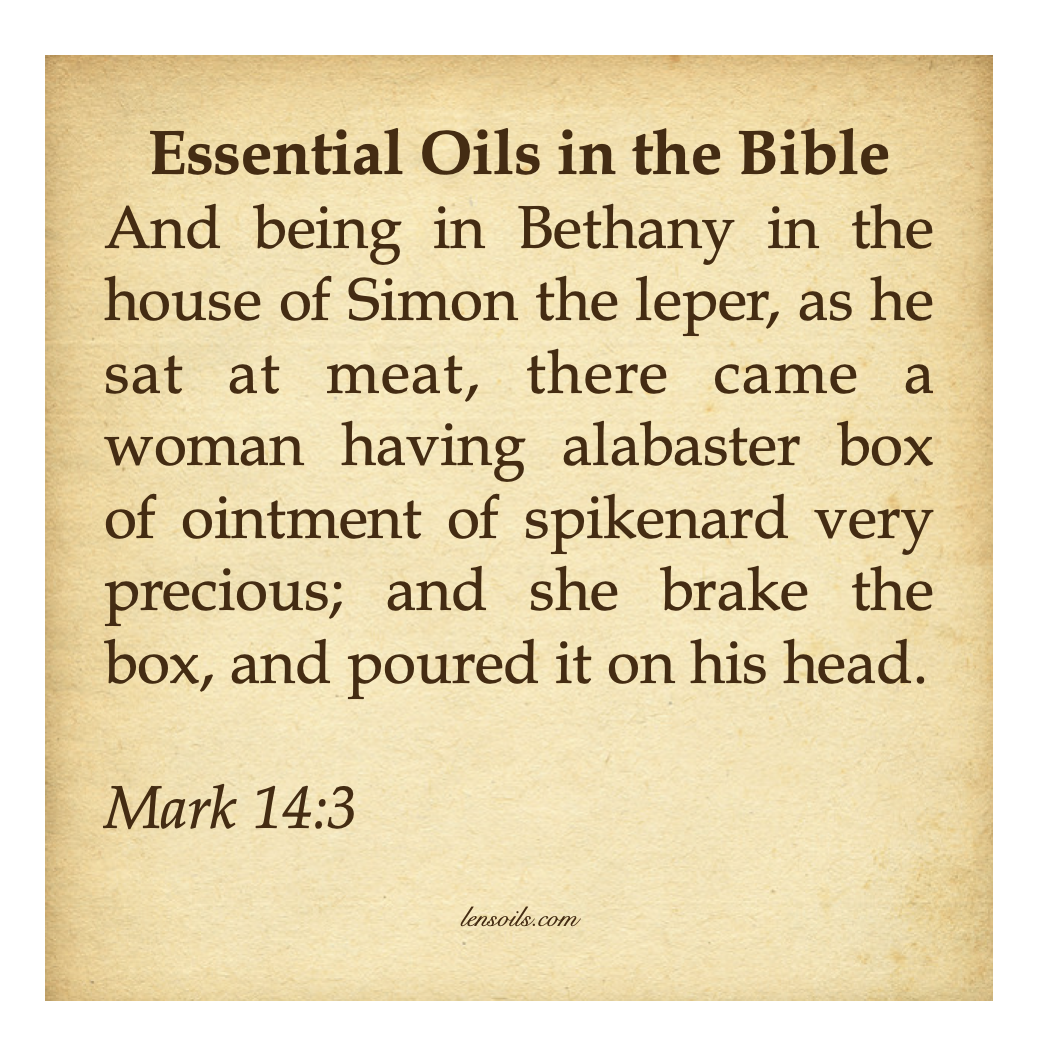
The verse in Mark 14:3, “And being in Bethany in the house of Simon the leper, as he sat at meat, there came a woman having an alabaster box of ointment of spikenard very precious; and she brake the box, and poured it on his head,”recounts a profound moment of worship and devotion in the life of Jesus. This event took place shortly before His crucifixion and is rich with symbolism and cultural significance.
Historical and Cultural Backstory
The story unfolds in Bethany, a village near Jerusalem, in the home of Simon the leper—a man whom Jesus may have healed. During the meal, an unnamed woman (identified as Mary of Bethany in the Gospel of John) approaches Jesus with an alabaster jar of spikenard, a rare and costly essential oil. Spikenard was imported from the Himalayan region, making it extremely valuable and often reserved for special occasions such as anointing kings or preparing bodies for burial.
By breaking the jar and pouring the oil on Jesus’ head, the woman demonstrated extravagant love and reverence. This act had both symbolic and practical meanings: it acknowledged Jesus’ divine kingship and foreshadowed His death and burial. The anointing was also an act of profound humility and worship, as the woman gave freely of something precious without hesitation or concern for cost.
Connections to Essential Oils
Spikenard, mentioned here, is one of the essential oils frequently referenced in the Bible. Known for its earthy, rich aroma, spikenard was used in ancient times for its calming and healing properties, as well as in sacred rituals. Its inclusion in this story emphasizes the high value placed on oils and ointments in biblical culture—not only for physical uses but also as spiritual symbols of blessing and consecration.
The alabaster box itself adds to the significance. Alabaster was a material used to preserve the quality and fragrance of precious oils, reflecting the sacredness of the moment. The breaking of the jar symbolizes complete devotion and the act of giving without reservation—a theme that resonates deeply with the teachings of Jesus.
This passage connects essential oils to themes of worship, sacrifice, and healing. It highlights how oils like spikenard were intertwined with spiritual practices, used to honor God and express deep love and faith. Today, spikenard and other biblical oils continue to inspire reflections on their ancient significance and their role in nurturing both body and spirit.
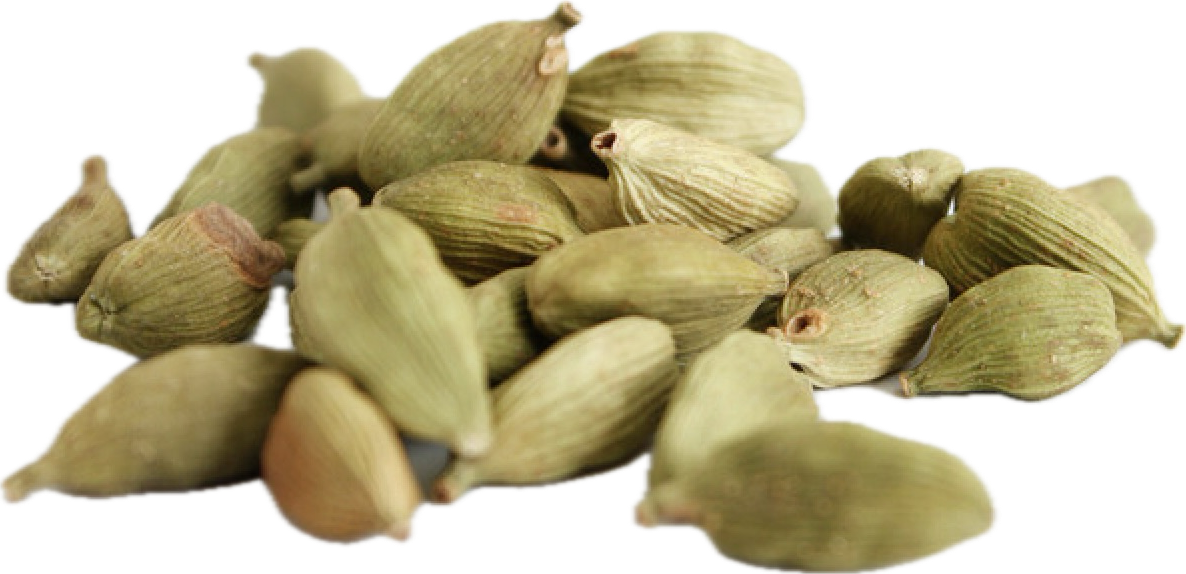
Long ago, deep in the tropical forests of southern India, there thrived a plant shrouded in mystery. Its tall, slender stems reached skyward, while its seeds lay hidden within small, green pods. To those who cultivated it, this plant was a treasure, not just for its unique taste but for its remarkable ability to heal and uplift. For centuries, it was used in rituals and remedies, cherished as both a culinary delight and a soothing balm.
The seeds were painstakingly harvested by hand, dried under the sun, and carried across ancient trade routes. They reached the hands of kings and emperors, their value rivaling that of gold. Traders guarded its secrets fiercely, knowing its essence would fetch the highest prices in the spice markets of Europe and Asia. In every corner of the world, this fragrant seed found its place—infused into teas, ground into powders, and distilled into potent oils.
Legends grew around its powers. Ancient physicians praised it for its ability to calm an upset stomach, soothe nausea, and invigorate the senses. It became a favorite of royalty; Cleopatra herself is said to have used its scent to enchant her guests. The seed’s uses expanded as knowledge traveled, blending into the culinary traditions of countless cultures and the healing practices of generations.
Over time, its cultivation expanded beyond its native India. Farmers in the rainforests of South America began to grow the plant, taking advantage of the warm, humid climate to nurture its delicate pods. This new chapter in its journey spread its reach even further, making its fragrant seeds more accessible to people across the world. Each new region added its own traditions to the plant’s legacy, embedding it deeper into the cultural fabric of humanity.
Today, modern science continues to validate what ancient healers knew. Its oil, extracted through steam distillation, is celebrated for its digestive benefits, its ability to clear the mind, and its aromatic richness. It remains a cornerstone in kitchens and apothecaries alike, revered for its versatility and purity.
And now, cardamom, the unassuming seed from the forests of India and the rainforests of South America, lives on as a timeless treasure. From enhancing the flavors of bread and stews to promoting clear breathing with a diffuser’s gentle mist, it serves as both a culinary marvel and a source of well-being. Its journey through history, carried by the hands of explorers and traders, has secured its place in homes across the globe. A gift of nature, cardamom continues to connect us to the past while enriching our present, offering its fragrant magic to generations yet to come.
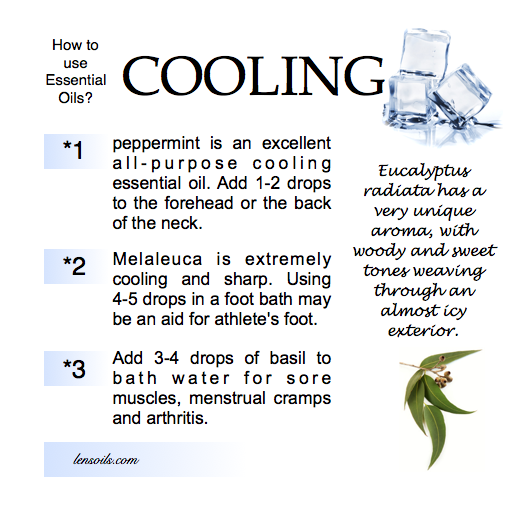
Essential oils can be a wonderful way to cool down and find relief from various discomforts. Peppermint is a versatile, all-purpose cooling essential oil. Applying just 1-2 drops to the forehead or the back of the neck can provide a refreshing, cooling sensation. Eucalyptus radiata is another excellent choice, offering a unique aroma that blends woody and sweet tones with an icy freshness. Its distinct scent not only cools but also invigorates, making it a standout option for those seeking a natural way to refresh and energize.
For targeted cooling and soothing, melaleuca (tea tree oil) is particularly effective. Adding 4-5 drops to a foot bath can aid in relieving discomfort from conditions like athlete’s foot. Basil essential oil is another option for those experiencing sore muscles, menstrual cramps, or arthritis. Adding 3-4 drops of basil oil to bathwater creates a soothing and cooling experience that helps relax the body and ease tension. Explore these oils to enjoy their refreshing and rejuvenating properties.

The health proverb “Eat well, be active, feel good about yourself” is a modern expression that encapsulates key principles of wellness. It emphasizes the importance of maintaining a balanced diet, engaging in regular physical activity, and nurturing a positive self-image to achieve overall well-being. This simple yet powerful statement highlights the interconnectedness of our physical, mental, and emotional health.
The phrase likely emerged from public health and wellness movements aimed at promoting healthier lifestyles. It reflects the idea that small, consistent habits in eating and exercise can significantly enhance quality of life. Encouraging individuals to feel good about themselves adds a psychological dimension, recognizing the role of self-esteem and emotional health in maintaining a fulfilling and balanced life.
This proverb represents the broader shift in health conversations over recent decades, focusing on prevention and self-care. By integrating these three elements—nutrition, activity, and self-confidence—it offers a holistic approach to achieving and maintaining good health. Its enduring appeal lies in its simplicity and universality, making it a guiding principle for people of all ages and backgrounds.

Several years ago, I started getting very painful, burn-like boils on the back of my neck and chest. It was a strange intense sensation that began deep in the tissues of my skin, accompanied by relentless itching. Then, it escalated to feeling like several dozen bees stinging me all at once as the boils came closer to the surface. Needless to say, the sores were extremely painful and very red.
I went to a doctor to see what was going on. He explained to me that I had shingles, a viral infection caused by the same virus that causes chickenpox. He further clarified that after a person has had chickenpox, the virus lies dormant in the nervous system. Years later, it can be reactivated by factors like disease, immune deficiency, or stress, and lead to shingles.
I was given a prescription, but without the promise it would heal quickly. When you’re told it could still take several weeks before you’re free from shingles, it is very disheartening. It felt like an endless battle with little relief in sight.
Two years ago, a friend of mine, John, told me he had shingles. I said, “Come on over, and I’ll give you some essential oils that may help ease the pain.” John was reluctant but eventually decided to give it a try. I consulted my Modern Essentials book and discovered that oils like melaleuca, eucalyptus, lavender, lemon, geranium, and bergamot have been studied for their potential to help with shingles. I combined five drops of each oil in a roller bottle and diluted the mixture with fractionated coconut oil. John applied the oil blend to his shingles, and just four days later, his suffering was making a dramatic turn for the better.
Reflecting on my own experience with shingles, I wish I had known then about the natural remedies that could ease the pain. The journey of learning and sharing has become so rewarding. I never get tired of hearing stories of how essential oils may help improve someone’s quality of life, and I love seeing firsthand the profound influence they can have on others.
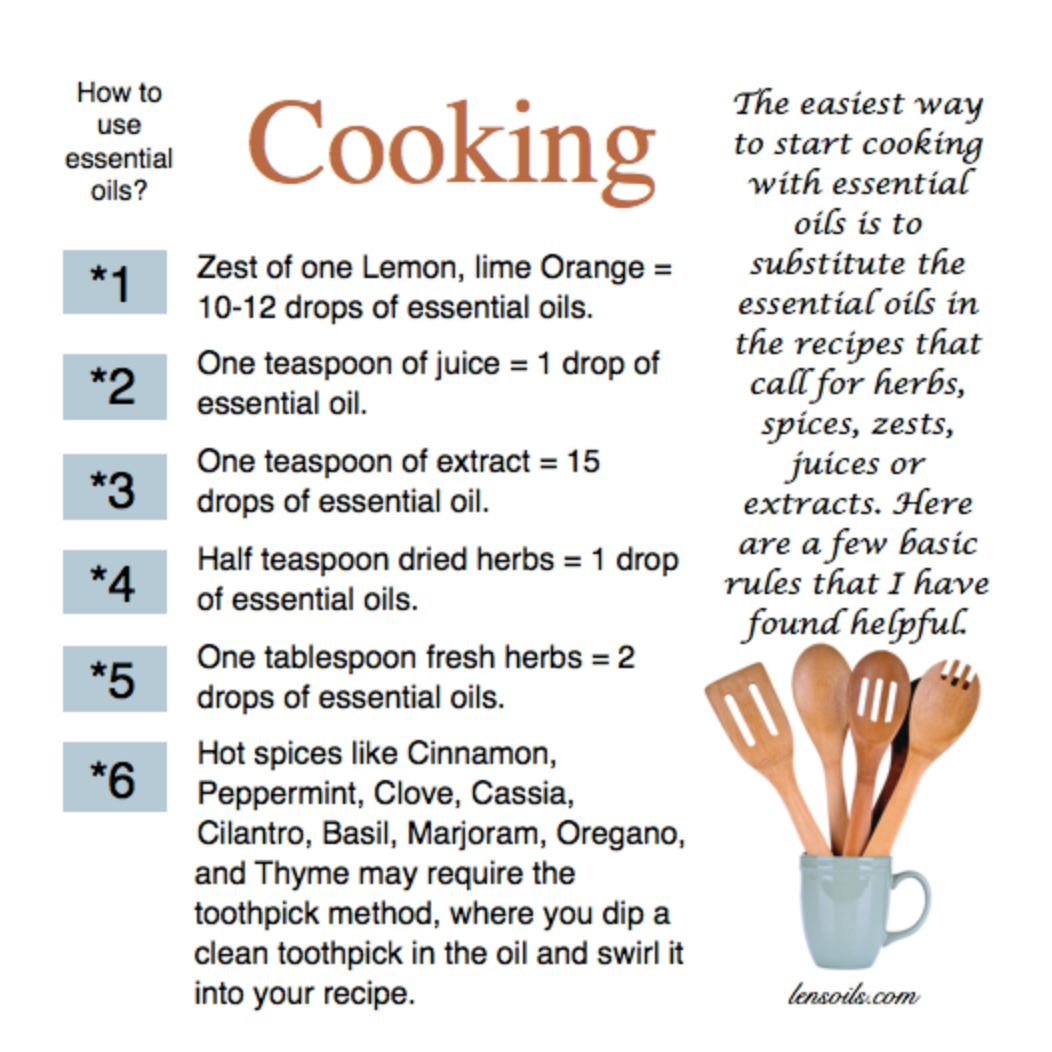
How to Use Essential Oils in Cooking
Cooking with essential oils is a flavorful and creative way to elevate your dishes, but it’s important to use them correctly for the best results. Here’s a simple guide to help you incorporate essential oils into your culinary adventures:
The easiest way to start cooking with essential oils is to replace herbs, spices, zests, juices, or extracts with essential oils. They’re especially great for sauces, marinades, baked goods, beverages, and dressings!
With these guidelines, you can turn simple recipes into culinary masterpieces while enjoying the aromatic and therapeutic benefits of essential oils. Start experimenting with your favorite dishes today!
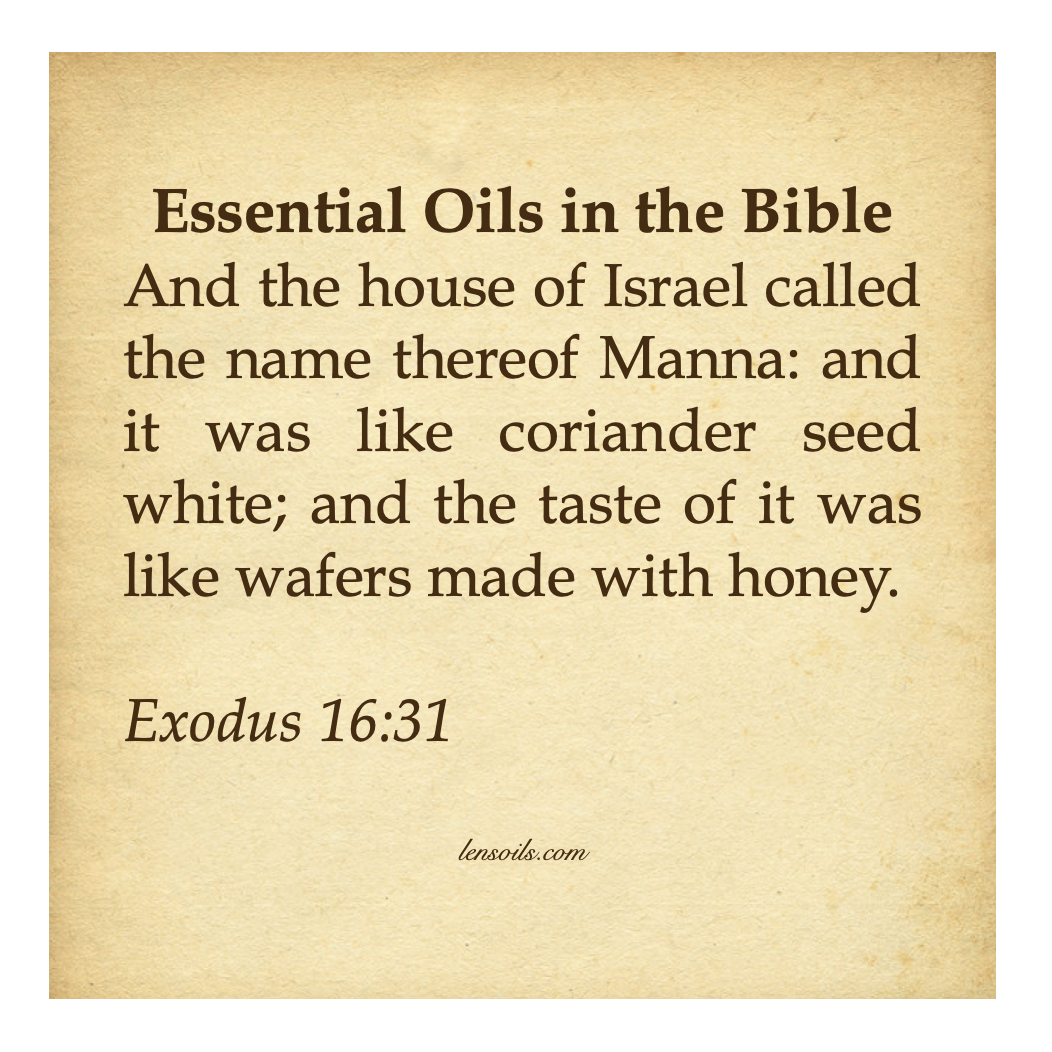
The verse in Exodus 16:31, “And the house of Israel called the name thereof Manna: and it was like coriander seed white; and the taste of it was like wafers made with honey,” recounts a miraculous provision of food from God to the Israelites during their journey through the wilderness after their escape from Egypt. The story of manna is deeply symbolic and reflects themes of trust, divine provision, and sustenance.
After fleeing Egypt and crossing the Red Sea, the Israelites faced hardships, including scarcity of food. They complained to Moses about their hunger, longing for the abundance they remembered in Egypt. In response, God provided manna—a mysterious, edible substance that appeared on the ground each morning like dew. Manna’s description as “like coriander seed, white” and tasting “like wafers made with honey” conveys its nourishing and pleasant qualities, highlighting God’s generosity.
While manna itself isn’t directly connected to essential oils, the Bible often references fragrant plants and resins like frankincense, myrrh, and spikenard, which were used in anointing, worship, and healing practices. Manna shares a similar symbolic role in providing physical and spiritual sustenance. Its sweet taste and miraculous nature reinforced the idea that God would meet the needs of His people, teaching them to rely on Him daily for provision and to obey His commandments.
In broader biblical tradition, manna became a symbol of God’s faithfulness, a lesson in gratitude, and a foreshadowing of spiritual nourishment, as referenced by Jesus in the New Testament when He referred to Himself as the “bread of life” (John 6:35). The connection between natural elements like manna and spiritual truths underscores the Bible’s recurring theme of God’s care through the gifts of creation.
While the verse in Exodus 16:31 doesn’t explicitly mention essential oils, there is a subtle connection to the biblical use of natural substances for physical and spiritual well-being. Manna is described as resembling coriander seed, a plant that is still valued today for its essential oil, known for its warming, energizing, and digestive properties. This description links manna to the natural world and its potential to provide both nourishment and healing.
In biblical times, essential oils and aromatic resins like frankincense, myrrh, and spikenard were widely used not only for anointing and worship but also for their medicinal benefits. Manna, while primarily a miraculous food, fits within this broader biblical theme of God providing sustenance and wellness through nature. The honey-like taste of manna suggests a sweet and wholesome quality, paralleling how essential oils often embody the healing and restorative properties of the plants they are derived from.
This connection can be seen as a reminder of how God’s provision extends beyond immediate needs to include elements of comfort and health. Just as manna sustained the Israelites physically and spiritually in their wilderness journey, essential oils and natural remedies can be seen as part of the divine design for maintaining well-being, echoing the care and nourishment symbolized by manna.
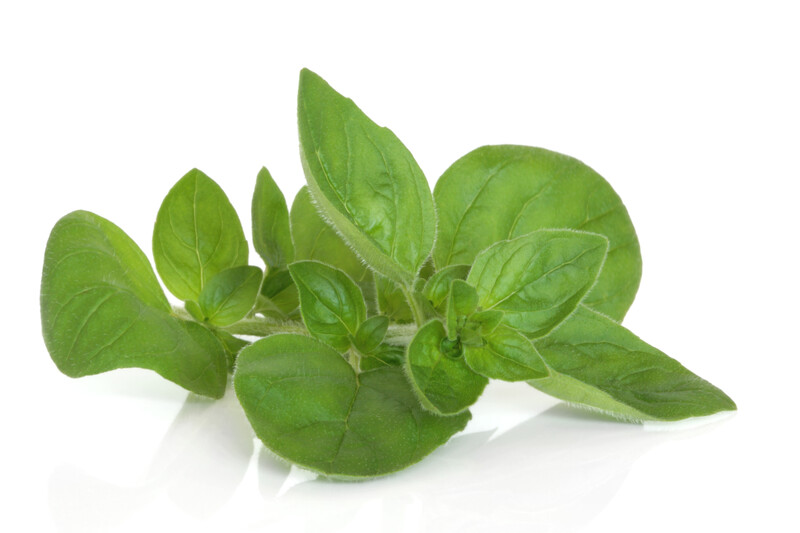
Oh, fragrant basil, herb divine,
With spicy notes and touch of thyme,
You calm the storm, you ease the mind,
A tranquil balm for humankind.
In a diffuser, your essence flows,
Promoting focus as knowledge grows.
While studying or reading through the night,
You sharpen thoughts and bring delight.
In kitchens, you take center stage,
A single drop on the culinary page,
Transforming dishes, fresh and bright,
A taste of gardens in every bite.
For weary souls, you’re a tender balm,
With wintergreen, you restore the calm.
A massage of oils, the stress will cease,
Neck to shoulders, you bring sweet peace.
During cycles, you lend your grace,
A soothing touch, a warm embrace.
Internally taken, a drop will do,
To steady and comfort the body anew.
Oh, basil, friend of both heart and plate,
A gift from nature, so simple, so great.
In every drop, a story untold,
Of wellness, flavor, and courage bold.
 Len's Oils