In biblical times, oil was part of everyday life. Olive oil was used for food, skin care, healing, hospitality, and honoring guests. When Psalm 23 says, “thou anointest my head with oil,” it describes a familiar act of refreshment and care. To be anointed meant you were welcomed, valued, and restored, even while challenges were still present.
Essential oils fit naturally into this setting. Aromatic plants such as frankincense, myrrh, and spikenard were infused into oils and used for comfort, cleansing, and spiritual devotion. When David wrote these words, he was drawing from practices people understood well, linking physical care with peace, provision, and a sense of abundance so full that, as he said, the cup truly ran over.
Scripture:“Then took Mary a pound of ointment of spikenard, very costly, and anointed the feet of Jesus…” (John 12:3)
In Bible times, spikenard was a rare and expensive essential oil imported from the Himalayas. Its strong, sweet aroma symbolized honor, devotion, and sacrifice. When Mary anointed Jesus’ feet, the fragrance filled the room, reflecting her complete love and surrender.
Today, spikenard essential oil is still valued for its grounding and calming qualities. Just as Mary’s offering carried deep spiritual meaning, spikenard reminds us that true devotion carries a fragrance that lingers in both heart and memory.
Please text Free Sample or call me at 801-661-4786 I will be sure to get back to you as soon as possible. Or Send me an email at lfish64@yahoo.com with the heading Free Sample It will be an honor to help you in any way that I can. Or Write me a letter, request a Free Sample
Leonard Fish 5075 Rushton Acres Court West Valley City, Utah 84120 USA
The passage from Song of Solomon 4:13-14 is part of a poetic love song that symbolizes deep affection and devotion. The Song of Solomon, also known as the Song of Songs, is traditionally interpreted as a dialogue between King Solomon and his beloved, often seen as an allegory of God’s love for His people. In these verses, the beloved’s presence is compared to a flourishing garden filled with rich, fragrant plants and valuable spices, highlighting both beauty and abundance. The imagery of pomegranates, spikenard, saffron, cinnamon, frankincense, myrrh, and aloes suggests a place of great delight, luxury, and spiritual significance. These plants were not only treasured for their aromatic qualities but were also used for anointing, purification, and healing in biblical times.
Essential oils and aromatic resins played a profound role in the daily lives and religious practices of ancient Israel. Spikenard, for instance, was a costly and precious oil often associated with worship and anointing, as seen when Mary anointed Jesus’ feet with it (John 12:3). Frankincense and myrrh, famously given to Christ at His birth, were used in sacred rituals, symbolizing prayer, purification, and divine presence. Cinnamon and calamus were key ingredients in the holy anointing oil described in Exodus 30:23-25, used to consecrate priests and sacred objects. These oils were not merely for fragrance—they carried spiritual and medicinal properties, valued for their ability to heal, preserve, and set apart.
The inclusion of these plants and oils in Song of Solomon suggests more than just physical attraction; it speaks to the richness of love and devotion that mirrors divine intimacy. The garden imagery reflects Edenic perfection, symbolizing the restoration of harmony between humanity and God. Just as essential oils were used for anointing and healing, the love described in this passage is one that refreshes, restores, and sustains. This passage, steeped in sensory richness, not only illustrates the deep bond between the lovers but also points to the sacred role of aromatic plants in biblical culture—used for healing, worship, and as an expression of divine blessing.
The verse in Mark 14:3, “And being in Bethany in the house of Simon the leper, as he sat at meat, there came a woman having an alabaster box of ointment of spikenard very precious; and she brake the box, and poured it on his head,”recounts a profound moment of worship and devotion in the life of Jesus. This event took place shortly before His crucifixion and is rich with symbolism and cultural significance.
Historical and Cultural Backstory
The story unfolds in Bethany, a village near Jerusalem, in the home of Simon the leper—a man whom Jesus may have healed. During the meal, an unnamed woman (identified as Mary of Bethany in the Gospel of John) approaches Jesus with an alabaster jar of spikenard, a rare and costly essential oil. Spikenard was imported from the Himalayan region, making it extremely valuable and often reserved for special occasions such as anointing kings or preparing bodies for burial.
By breaking the jar and pouring the oil on Jesus’ head, the woman demonstrated extravagant love and reverence. This act had both symbolic and practical meanings: it acknowledged Jesus’ divine kingship and foreshadowed His death and burial. The anointing was also an act of profound humility and worship, as the woman gave freely of something precious without hesitation or concern for cost.
Connections to Essential Oils
Spikenard, mentioned here, is one of the essential oils frequently referenced in the Bible. Known for its earthy, rich aroma, spikenard was used in ancient times for its calming and healing properties, as well as in sacred rituals. Its inclusion in this story emphasizes the high value placed on oils and ointments in biblical culture—not only for physical uses but also as spiritual symbols of blessing and consecration.
The alabaster box itself adds to the significance. Alabaster was a material used to preserve the quality and fragrance of precious oils, reflecting the sacredness of the moment. The breaking of the jar symbolizes complete devotion and the act of giving without reservation—a theme that resonates deeply with the teachings of Jesus.
This passage connects essential oils to themes of worship, sacrifice, and healing. It highlights how oils like spikenard were intertwined with spiritual practices, used to honor God and express deep love and faith. Today, spikenard and other biblical oils continue to inspire reflections on their ancient significance and their role in nurturing both body and spirit.
The verse in Exodus 16:31, “And the house of Israel called the name thereof Manna: and it was like coriander seed white; and the taste of it was like wafers made with honey,” recounts a miraculous provision of food from God to the Israelites during their journey through the wilderness after their escape from Egypt. The story of manna is deeply symbolic and reflects themes of trust, divine provision, and sustenance.
After fleeing Egypt and crossing the Red Sea, the Israelites faced hardships, including scarcity of food. They complained to Moses about their hunger, longing for the abundance they remembered in Egypt. In response, God provided manna—a mysterious, edible substance that appeared on the ground each morning like dew. Manna’s description as “like coriander seed, white” and tasting “like wafers made with honey” conveys its nourishing and pleasant qualities, highlighting God’s generosity.
While manna itself isn’t directly connected to essential oils, the Bible often references fragrant plants and resins like frankincense, myrrh, and spikenard, which were used in anointing, worship, and healing practices. Manna shares a similar symbolic role in providing physical and spiritual sustenance. Its sweet taste and miraculous nature reinforced the idea that God would meet the needs of His people, teaching them to rely on Him daily for provision and to obey His commandments.
In broader biblical tradition, manna became a symbol of God’s faithfulness, a lesson in gratitude, and a foreshadowing of spiritual nourishment, as referenced by Jesus in the New Testament when He referred to Himself as the “bread of life” (John 6:35). The connection between natural elements like manna and spiritual truths underscores the Bible’s recurring theme of God’s care through the gifts of creation.
While the verse in Exodus 16:31 doesn’t explicitly mention essential oils, there is a subtle connection to the biblical use of natural substances for physical and spiritual well-being. Manna is described as resembling coriander seed, a plant that is still valued today for its essential oil, known for its warming, energizing, and digestive properties. This description links manna to the natural world and its potential to provide both nourishment and healing.
In biblical times, essential oils and aromatic resins like frankincense, myrrh, and spikenard were widely used not only for anointing and worship but also for their medicinal benefits. Manna, while primarily a miraculous food, fits within this broader biblical theme of God providing sustenance and wellness through nature. The honey-like taste of manna suggests a sweet and wholesome quality, paralleling how essential oils often embody the healing and restorative properties of the plants they are derived from.
This connection can be seen as a reminder of how God’s provision extends beyond immediate needs to include elements of comfort and health. Just as manna sustained the Israelites physically and spiritually in their wilderness journey, essential oils and natural remedies can be seen as part of the divine design for maintaining well-being, echoing the care and nourishment symbolized by manna.
Please text Free Sample or call me at 801-661-4786 I will be sure to get back to you as soon as possible. Or Send me an email at lfish64@yahoo.com with the heading Free Sample It will be an honor to help you in any way that I can. Or Write me a letter, request a Free Sample
Leonard Fish 5075 Rushton Acres Court West Valley City, Utah 84120 USA
Here are 12 of the most revered oils of the Bible and their historic uses…
1. Frankincense
Frankincense is the king of the oils. It was used as a primary component of the holy incense, a medicine and a currency — and of course, it was a gift from the wise men to baby Jesus. In fact, at the time of Jesus’ birth, both frankincense and myrrh may have been worth more than their weight in the third gift: gold.
2. Myrrh
Quoted in Scripture 156 times, uses of myrrh oil in the Bible included use as an ointment, an incense, an embalming ingredient and as a skin beauty treatment by Queen Esther in Esther 2:12. By far, myrrh’s most common usage in the Bible is as a part of holy anointing oil.
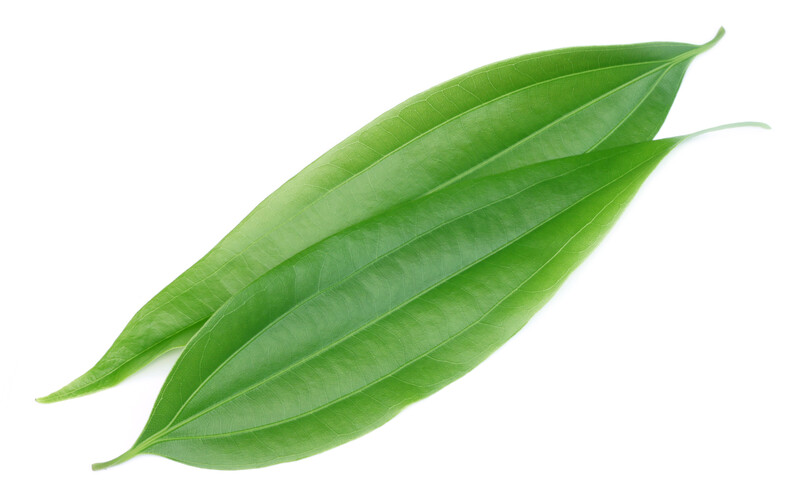
3. Cinnamon
Like myrrh, cinnamon oil was a chief ingredient in holy anointing oil and used to cleanse the air, kill mold and act as a natural medicine. In Proverbs 7:17, Solomon uses this aromatic oil in the bedroom and as a natural perfume or cologne.
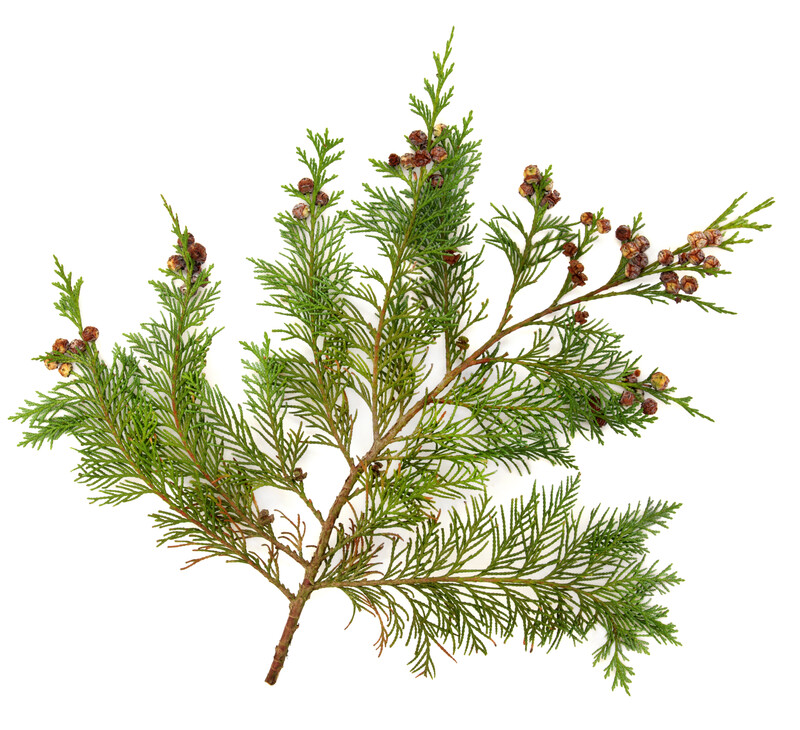
4. Cedarwood
King Solomon used cedarwood in building God’s temple and Jesus was crucified on a cross made of cedarwood or cypress. It was thought to bring wisdom, was used for ritual cleansing and served as medicine in treating skin conditions and leprosy.
5. Spikenard
In Biblical times, “nard” was not only a very expensive perfume but also a precious ointment that was used as medicine. Interestingly, the “spikenard” used in the Bible may have in fact been lavender oil. In John 12:3, the Bible tells how spikenard was used to anoint Jesus just days before His death and resurrection.
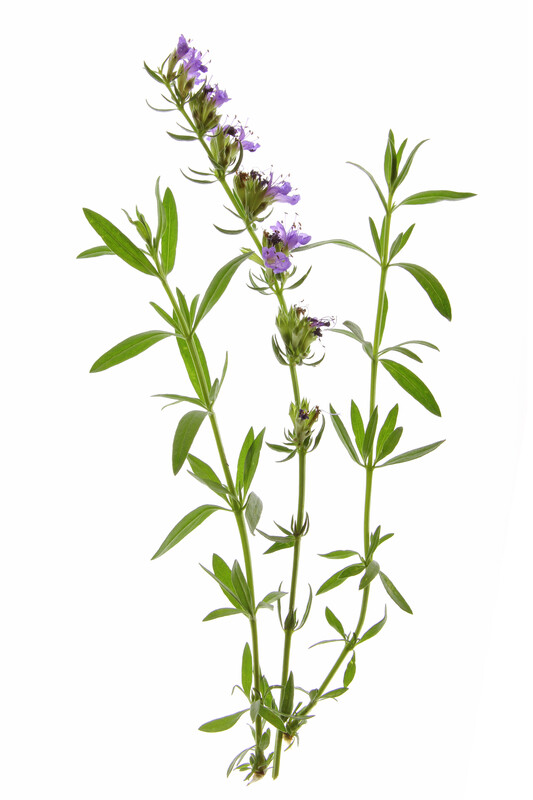
6. Hyssop
In the Old Testament, God commanded His people to use hyssop in the ceremonial cleansing of people and houses. Hyssop appears at Jesus’ crucifixion, when the Roman soldiers offered Jesus a drink of wine vinegar on a sponge at the end of a stalk of hyssop.
7. Cassia
An herb very similar to cinnamon, cassia oil is the fourth ingredient listed in the holy anointing oil detailed in Exodus 30:24. It may have been brought out of Egypt when the Israelites fled Pharaoh and was commonly used with myrrh and aloes to scent garments.
8. Sandalwood (Aloes)
In Scripture, sandalwood is referred to as “aloes” and is called one of the oils of joy and gladness along with frankincense, myrrh and cedarwood. Nicodemus and Joseph of Arimathea brought sandalwood (aloes) and myrrh to bury Jesus, and in today’s market, the amount of oils used would be worth an estimated $200,000.
9. Cypress
Cypress is celebrated in Scripture as a symbol of strength, security and prosperity. The Bible mentions cypress as the choice wood for building, trading and even weaponry. In Genesis 6:14, God commanded Noah to “make yourself an ark of gopher wood,” which in modern English is in fact “cypress.”
10. Galbanum
Galbanum is a main ingredient of the holy incense used in the heart of the temple in Exodus 30:34. Interestingly, although galbanum itself has a somewhat foul odor, when burned with other sweet smelling oils in holy incense, it has the most beautiful scent and was thought to balance the emotions.
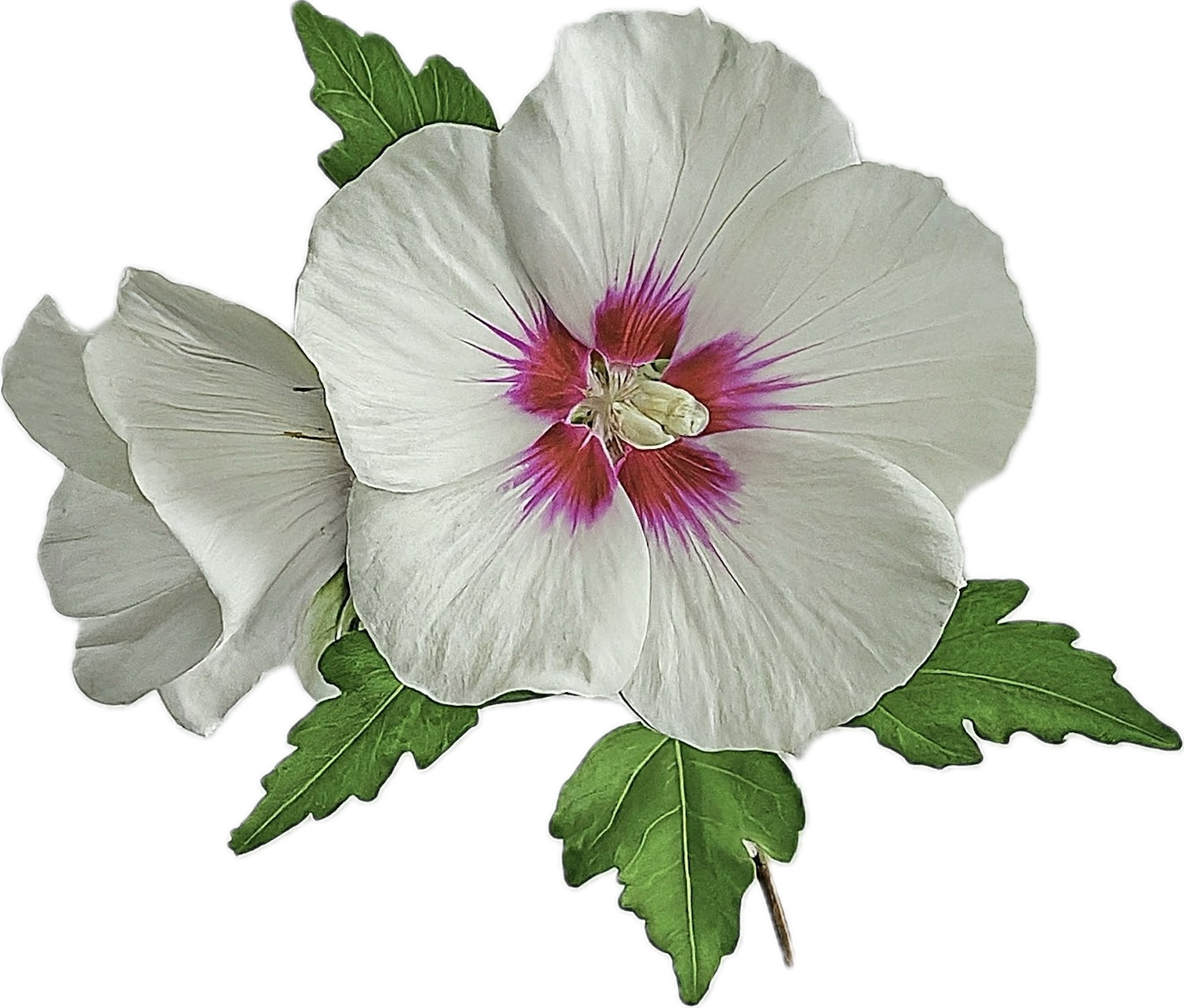
11. Rose of Sharon
Mentioned in the Song of Solomon, the rose of Sharon is not really a “rose” but instead similar to the hibiscus or tulip (which is also called cistus). Some Bible expositors see the rose of Sharon as Christ and the lily as the church, His bride.
12. Calamus
Also known as “sweet cane,” calamus is an ancient herb that is perhaps what we now know as lemongrass. In Biblical times, calamus was used in perfumes, incense and as an ingredient in the special holy anointing oil used by the priests in the temple.
From Himalayan heights, a treasure so rare, Spikenard, the nard, with a fragrance to share. Not honeysuckle’s kin, though its name may mislead, In valerian’s family, a secret it seeds.
Roots like hairy spikes, a hidden delight, Crushed and distilled, an essence takes flight. Amber and earthy, a musky embrace, In temples of old, a sacred space.
Legends whisper of Mary’s anointing deed, A precious perfume, a love-filled seed. Cleopatra’s baths, it surely did grace, A symbol of wealth, a queen’s treasured embrace.
Modern science, a cautious decree, Anti-inflammatory whispers, a glimpse you can see. Calming and soothing, for nerves frayed and sore, A promise of comfort, what could we ask for?
So next time you see it, this essence so grand, Remember its journey, from mountain to hand. A gift from the earth, a history untold, Spikenard’s rich fragrance, more precious than gold.
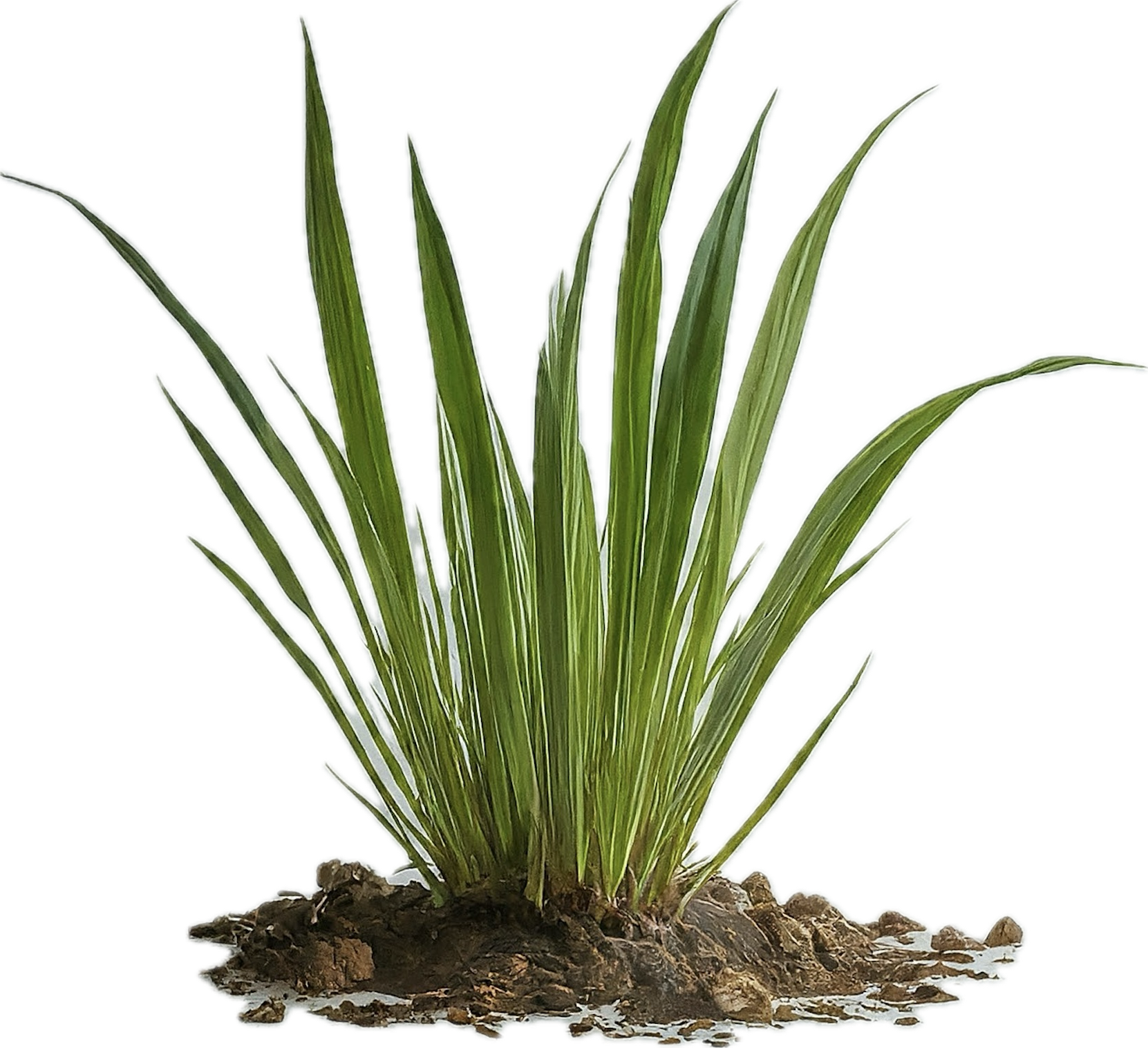
Spikenard essential oil is made by heating the roots of a plant with steam. It’s been important for many years, often used to honor important people and in Indian health practices called Ayurveda. Spikenard plants grow in high places like the Himalayan mountains.










 Len's Oils