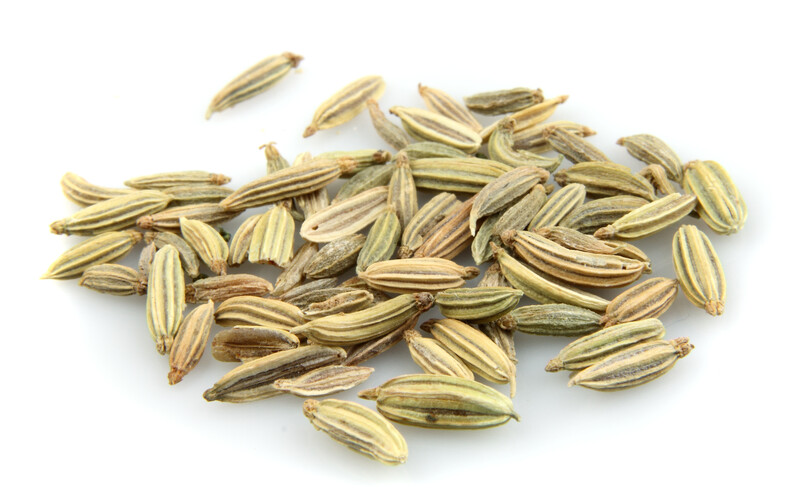
It began in sun-drenched fields, where soft feathery stalks swayed in the breeze and the air smelled faintly of licorice and earth. Long before maps had borders and names, this plant grew wild along the shores of the Mediterranean. Ancient hands didn’t call it medicine or spice—they just knew that chewing a few seeds settled the stomach and brightened the senses. The knowledge didn’t come from books. It came from experience.
Through wars and winters, the plant remained. Roman soldiers chewed its seeds for courage. Midwives in medieval villages gave it to new mothers for strength. In some places, it was hung over doorways to ward off unwelcome spirits. In others, it was ground into food to flavor feasts and help with digestion after. It became a plant of the people, simple, strong, enduring and always nearby.
As centuries turned, apothecaries and herbalists began boiling the seeds, pressing the oils, and steeping the leaves. And when modern distillation arrived, something even more concentrated emerged. The scent was sweet but strong—like anise and black licorice, with something warm beneath. People began to use it for clarity, for confidence, for calming unsettled thoughts. No one needed permission. They just liked how it made them feel.
Today, the steam distillers run quietly in rural hillsides where the tradition is still alive. The seeds are collected when they’re rich in oil, their pale green shells holding a powerful secret. In small villages, farmers still know which rows produce the boldest flavor, and which seasons yield the brightest scent. And companies like doTERRA have chosen to partner with these growers—preserving not just the oil, but the hands and heritage behind it.
That light-green plant, with feathery leaves and tiny seeds that shimmer in the sun, has flavored food, soothed spirits, and sharpened minds for thousands of years. It was trusted by mothers, soldiers, and healers alike. Its name? That came later—borrowed from Latin, carried across languages, and eventually distilled into something more than a spice. This is Fennel. Now you know the rest of the story.
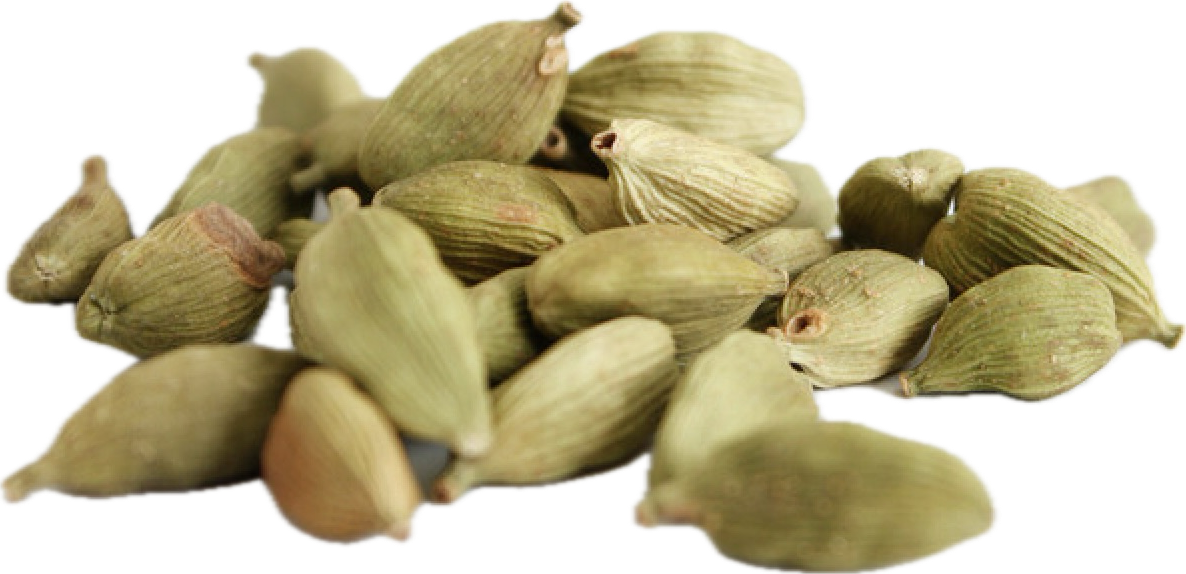
From tropic soil where spices grow, Cardamom seeds in warm winds flow. Distilled with care, their oils release, A fragrant gift of calm and peace.
Called “Queen of Spices” long ago, From India’s hills to Guatemala’s glow. A sweet and spicy breath it brings, A treasure prized by queens and kings.
It soothes the stomach, lightens care, A gentle aid for troubles there. In kitchens, hearts, and homes it stays, A friend through nights and brighter days.
Diffused, its scent uplifts the mind, Clarity and focus you will find. For study hours or quiet prayer, Its grounding touch is always there.
When seasons shift and breath feels tight, Cardamom lends a steady light. Its vapors clear, the chest feels free, A comfort shared through history.
Egypt’s halls and India’s tea, Whispers of cardamom still roam free. A spice, a song, a timeless balm, Forever fragrant, warm, and calm.
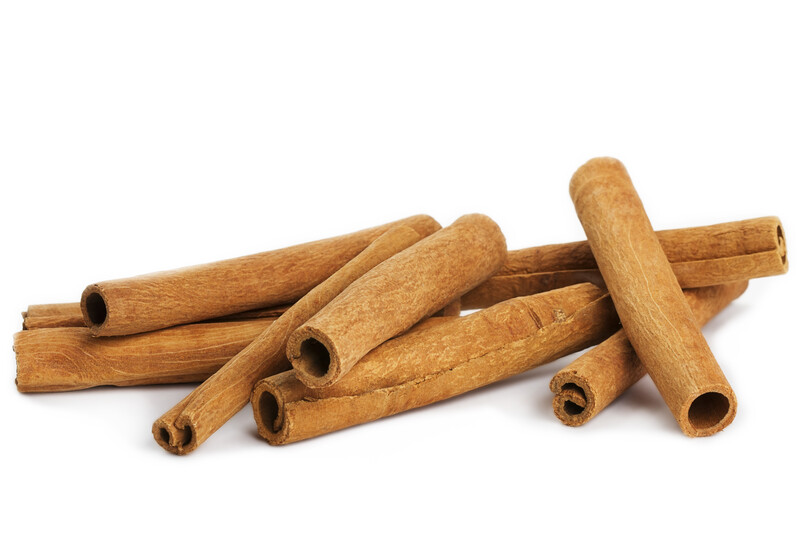
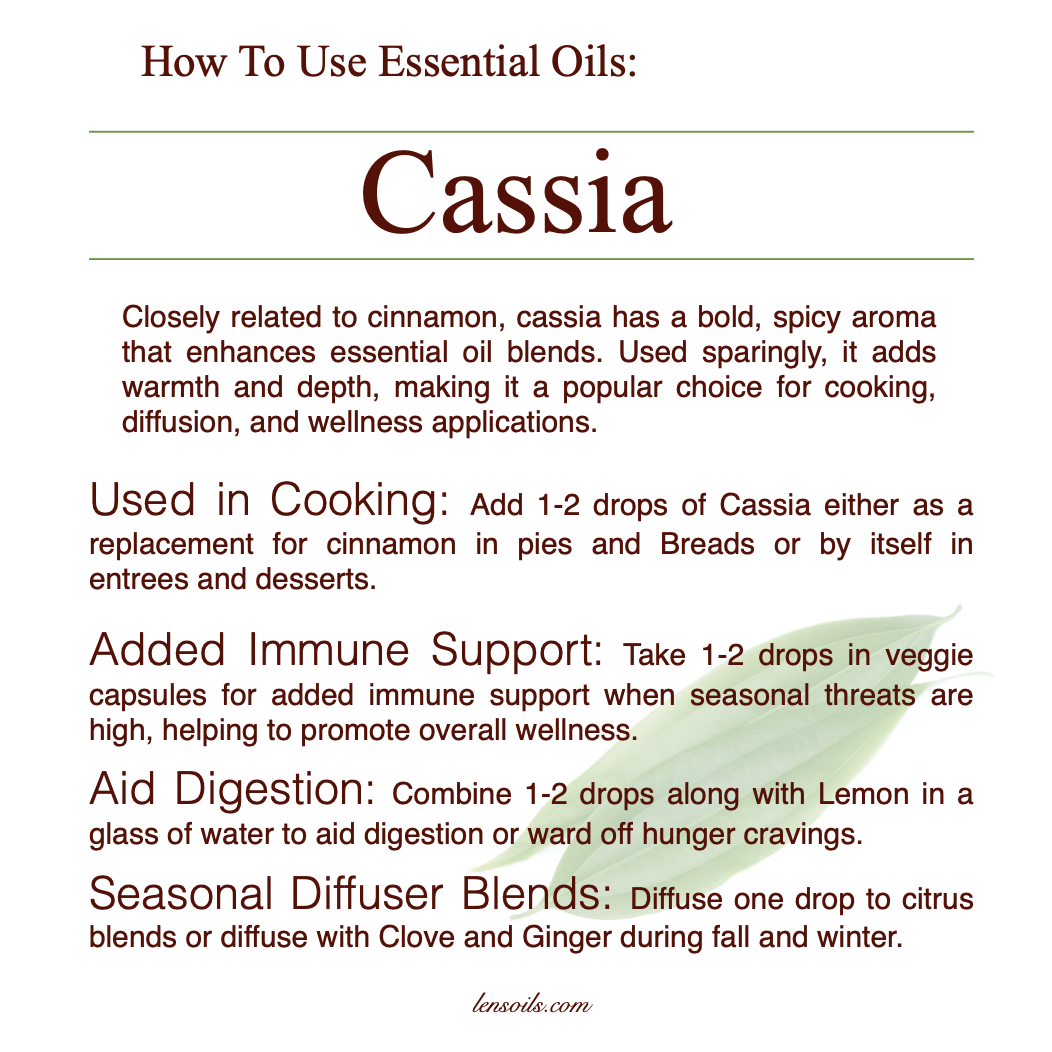
Cassia (Cinnamomum cassia), a close relative of cinnamon, is known for its warm, spicy aroma and strong flavor. Native to China and Southeast Asia, cassia has been used for centuries in traditional medicine and culinary applications. Its essential oil is highly concentrated, and only small amounts are needed to enhance recipes or blends. In cooking, 1-2 drops of cassia essential oil can be used as a substitute for cinnamon in pies, breads, and desserts or as a standalone spice in savory dishes. Due to its intense potency, it should be used sparingly. While cassia is recognized for its aromatic and culinary benefits, research on whether cassia essential oil retains the same digestive and metabolic effects as whole cassia bark is still limited.
Cassia is also commonly used for immune support and seasonal wellness. Many essential oil practitioners recommend taking 1-2 drops in a veggie capsule to help support the immune system, particularly during seasonal changes. Some preliminary studies suggest that cassia contains antimicrobial properties, but more research is needed to determine its direct impact on immune function. Additionally, combining cassia with lemon essential oil in a glass of water is thought to aid digestion and curb hunger cravings, though scientific validation on cassia oil’s role in appetite suppression remains inconclusive. While cassia essential oil may offer digestive support, it is highly concentrated and should always be diluted properly before ingestion.
Cassia’s bold, warming scent makes it a popular choice for diffuser blends, particularly in fall and winter. Just one drop blended with citrus oils or paired with clove and ginger can create a cozy, inviting atmosphere. Some believe that diffusing cassia may also help support respiratory function, but further studies are needed to confirm these benefits. While cassia essential oil has strong antimicrobial and aromatic properties, its direct effects on digestion, immune support, and respiratory health require additional scientific validation. Nevertheless, cassia remains a versatile and powerful essential oil for culinary, aromatic, and occasional wellness applications.
For centuries, a tiny, dried bud held secrets far greater than its size suggested. Its deep, rich aroma was unmistakable—bold, warm, and slightly sweet. It had a way of lingering in the air, filling kitchens, apothecaries, and even the chambers of royalty. Some knew it as a key ingredient in their favorite confections, while others used it for far more than just taste.
Its value was once so great that wars were fought over it. Traders risked treacherous ocean voyages to secure it, knowing that those who controlled its supply controlled power. This little bud, often found in spice racks today, was once worth its weight in gold. It was cultivated in lands far from Europe, where the soil and climate allowed it to flourish. When crushed, it released an oil so potent that it became a prized remedy in medicine, dentistry, and even perfumery.
Its benefits extended beyond the kitchen. Healers discovered that it possessed remarkable properties—it could soothe a troubled stomach, ease aching muscles, and even help cleanse wounds. Over time, doctors found a particularly important use for it in dental care, where it provided relief from the agony of toothaches. It became a common ingredient in oral preparations, earning a reputation not just for freshening breath but for supporting overall health.
As trade routes expanded, so did knowledge of this remarkable spice. Apothecaries recommended it for digestion, cooks infused it into desserts, and even sailors carried it on long voyages, believing it helped preserve health during months at sea. Some even mixed a drop of its oil into coconut oil for a warming massage that brought relief to aching joints. Its versatility was astounding—whether in food, medicine, or self-care, it remained a cherished commodity.
But one man in particular changed how the world viewed this spice. Dr. Joseph Lawrence, a chemist in the 19th century, understood its potential beyond the kitchen. Inspired by its cleansing properties, he included its oil in the formula for a now-famous antiseptic mouthwash, ensuring that its legacy as a powerful health aid would endure. Thanks to his work, millions of people unknowingly benefit from its properties every day.
Even today, its uses continue to grow. A single drop of its essential oil added to toothpaste can help clean teeth and gums. Mixed into a capsule, it supports cardiovascular health. Infused into warm desserts, it enhances both aroma and well-being. It has even been used to flavor gum, leaving a distinctive tingle long after the last chew. Though it was once hoarded and fought over, it is now a household staple, readily available to those who seek its benefits.
It is a spice, a medicine, a healer, and a warrior in the fight against inflammation. It is found in everything from traditional remedies to modern health trends, proving that the wisdom of the past often holds the key to the future. Few people know just how many ways this tiny dried bud has shaped history, but its impact is undeniable.
The spice that transformed dental care, enhanced cuisine, and fueled trade for centuries? Clove. This small but mighty bud has healed wounds, calmed nerves, and added warmth to both food and medicine. It continues to be used in natural wellness, offering relief, protection, and comfort to those who embrace its power. Whether in a steaming cup of tea, a soothing massage oil, or a trusted bottle of mouthwash, it remains one of nature’s most remarkable gifts. And now, you know the rest of the story.
Black pepper essential oil is rich in monoterpenes and sesquiterpenes, powerful compounds known for their antioxidant properties. These compounds help the body combat environmental and seasonal challenges by supporting overall immune function. Beyond its internal benefits, black pepper essential oil is commonly used to promote circulation and soothe sore muscles. Its warming properties make it a popular choice for massage therapy when combined with a carrier oil, helping to relax tense muscles and joints. Historically, black pepper has been valued not only as a prized spice but also for its medicinal benefits in traditional healing practices.
Incorporating black pepper essential oil into a daily routine can offer multiple benefits. Taking 1-2 drops in a veggie cap can provide support during times of seasonal threats, while adding a drop to meals enhances the flavor of meats, soups, and entrées. It is also known for its ability to soothe anxious feelings, as inhaling its warm, spicy aroma can help promote emotional balance. Additionally, black pepper oil can aid digestion when taken internally, helping to stimulate digestive enzymes and improve nutrient absorption. Its ability to support gut health makes it a useful tool for those looking to improve overall digestive function naturally.
Among these uses, black pepper essential oil is also recognized for its potential role in supporting nicotine withdrawal. Research suggests that inhaling black pepper essential oil may help reduce cravings and withdrawal symptoms for those trying to quit smoking. The oil’s stimulating properties can mimic the sensation of inhaling tobacco, which may help curb the urge to smoke. This makes black pepper essential oil a valuable tool not only in cooking and wellness but also in lifestyle changes aimed at promoting better health.
From ancient lands where spices bloom, A tiny seed, a bold perfume. With warmth and fire, rich and deep, A healer’s touch, a strength to keep.
A warrior spice through time it stands, Once traded gold in distant lands. It graced the tables of the old, A treasure worth its weight in gold.
A drop to calm, to ease the mind, A scent so strong, yet warm and kind. To muscles sore, it brings relief, A touch of heat, a sigh of peace.
It stirs the pot, enhances taste, No meal too simple, none to waste. A spark in soups, on meats it sings, A depth of flavor, bold it brings.
Within its oil, a shield is found, To fight the threats that move around. A daily drop, a steady guide, To guard the body from inside.
For troubled thoughts, for restless nights, It soothes the heart, restores the light. A breath of spice, a touch so pure, A timeless gift, a power sure.
A humble seed, yet bold and grand, A fiery warmth in every land. From dish to remedy, near and far, Black pepper shines—a healing star.
In the small German village of Aalen, nestled near the River Kocher, Johann Becker spent his days crafting rye bread infused with a peculiar spice. Johann wasn’t a famous baker, not yet, but his bread was different—it lingered on the tongue and settled the stomach. This wasn’t just any spice; it had been cherished for generations, from the markets of the Middle Ages to the dining tables of Europe.
Centuries earlier, in the Roman Empire, this seed was already a staple. The Roman naturalist Pliny the Elder wrote about its digestive benefits, describing how it was commonly added to bread and stews. The Romans also believed that this spice had protective qualities—some even carried it as a charm against misfortune. It was a fixture in their cuisine, medicine, and rituals, spreading across the empire as trade routes flourished.
In the 12th century, Hildegard von Bingen, the famed German abbess and healer, praised this tiny seed for its ability to soothe the stomach. She documented its use in treating digestive discomfort and called it a “gift of the earth.” Hildegard’s herbal remedies spread across medieval Europe, and her influence ensured that this seed remained a trusted remedy for centuries to come.
By the Elizabethan era, this spice had firmly established itself in England. Bakers added it to cakes and breads, and it was a common ingredient in festive dishes. A curious superstition arose: it was believed that anything containing this seed could not be stolen. Some even placed it in cabinets or carried it in small pouches as a safeguard. While the origins of this belief remain unclear, it persisted for generations.
In the 19th century, Dr. John Kellogg, a pioneer in health and wellness, experimented with the oil derived from this seed. At his Battle Creek Sanitarium, he advocated for its use in promoting digestion and oral health. Kellogg’s interest in natural remedies helped popularize essential oils in the medical community, reinforcing the long-standing belief that this seed was more than just a spice—it was a healer.
Meanwhile, in kitchens across the world, chefs continued to rely on its warm, peppery flavor. Eastern European and Middle Eastern bakers incorporated it into traditional breads, while French and German cooks used it in sausages and stews. This seed had an unmistakable aroma—one that deepened with heat, adding complexity to any dish it touched.
As the field of aromatherapy developed, scientists discovered that the seed contained carvone, a compound responsible for its distinct scent and therapeutic properties. Studies confirmed what ancient healers had long suspected—it aided digestion, freshened breath, and provided a sense of grounding and warmth. Its oil found its way into massage blends, mouth rinses, and even skincare routines.
Dentists and naturopaths recommended it for oral care, while herbalists blended it with other essential oils for relaxation and focus. It became a key ingredient in herbal teas, digestive aids, and natural remedies. In modern spas, its essential oil was combined with lavender to create soothing soaks, continuing the tradition of using this seed for both wellness and relaxation.
And now, with all the clues before you—the ancient kitchens, the writings of Pliny, the healing wisdom of Hildegard von Bingen, the science of carvone—you might think we’re talking about cumin or fennel. But no, the unsung hero of this story is caraway. With its zesty flavor, digestive benefits, and timeless aroma, it has touched lives for centuries.
Oh, cardamom, spice of tales untold, With fragrant notes both warm and bold. A treasure cherished in kitchens near, Your essence travels far and clear.
In the kitchen, you claim your space, Enhancing dishes with subtle grace. One drop or two in bread or stew, Transforms a meal, makes flavors true.
In smoothies, salads, your taste refines, You grace the palate with rich designs. For digestive peace, you lend your art, With liquid mixed, you play your part.
A drop in water, ounces four, Soothes the belly, it aches no more. To breathe with ease, to lungs bring light, A diffuser spreads your calm through night.
Three drops or four, a tranquil stream, Cardamom clears, like a soothing dream. When thoughts are tangled, the mind confined, Two drops bring clarity, well-defined.
Rub hands together, cup near the face, Breathe in deeply, find mental space. Oh, cardamom oil, with gifts so true, For heart and soul, we turn to you.
Long ago, deep in the tropical forests of southern India, there thrived a plant shrouded in mystery. Its tall, slender stems reached skyward, while its seeds lay hidden within small, green pods. To those who cultivated it, this plant was a treasure, not just for its unique taste but for its remarkable ability to heal and uplift. For centuries, it was used in rituals and remedies, cherished as both a culinary delight and a soothing balm.
The seeds were painstakingly harvested by hand, dried under the sun, and carried across ancient trade routes. They reached the hands of kings and emperors, their value rivaling that of gold. Traders guarded its secrets fiercely, knowing its essence would fetch the highest prices in the spice markets of Europe and Asia. In every corner of the world, this fragrant seed found its place—infused into teas, ground into powders, and distilled into potent oils.
Legends grew around its powers. Ancient physicians praised it for its ability to calm an upset stomach, soothe nausea, and invigorate the senses. It became a favorite of royalty; Cleopatra herself is said to have used its scent to enchant her guests. The seed’s uses expanded as knowledge traveled, blending into the culinary traditions of countless cultures and the healing practices of generations.
Over time, its cultivation expanded beyond its native India. Farmers in the rainforests of South America began to grow the plant, taking advantage of the warm, humid climate to nurture its delicate pods. This new chapter in its journey spread its reach even further, making its fragrant seeds more accessible to people across the world. Each new region added its own traditions to the plant’s legacy, embedding it deeper into the cultural fabric of humanity.
Today, modern science continues to validate what ancient healers knew. Its oil, extracted through steam distillation, is celebrated for its digestive benefits, its ability to clear the mind, and its aromatic richness. It remains a cornerstone in kitchens and apothecaries alike, revered for its versatility and purity.
And now, cardamom, the unassuming seed from the forests of India and the rainforests of South America, lives on as a timeless treasure. From enhancing the flavors of bread and stews to promoting clear breathing with a diffuser’s gentle mist, it serves as both a culinary marvel and a source of well-being. Its journey through history, carried by the hands of explorers and traders, has secured its place in homes across the globe. A gift of nature, cardamom continues to connect us to the past while enriching our present, offering its fragrant magic to generations yet to come.



 Len's Oils