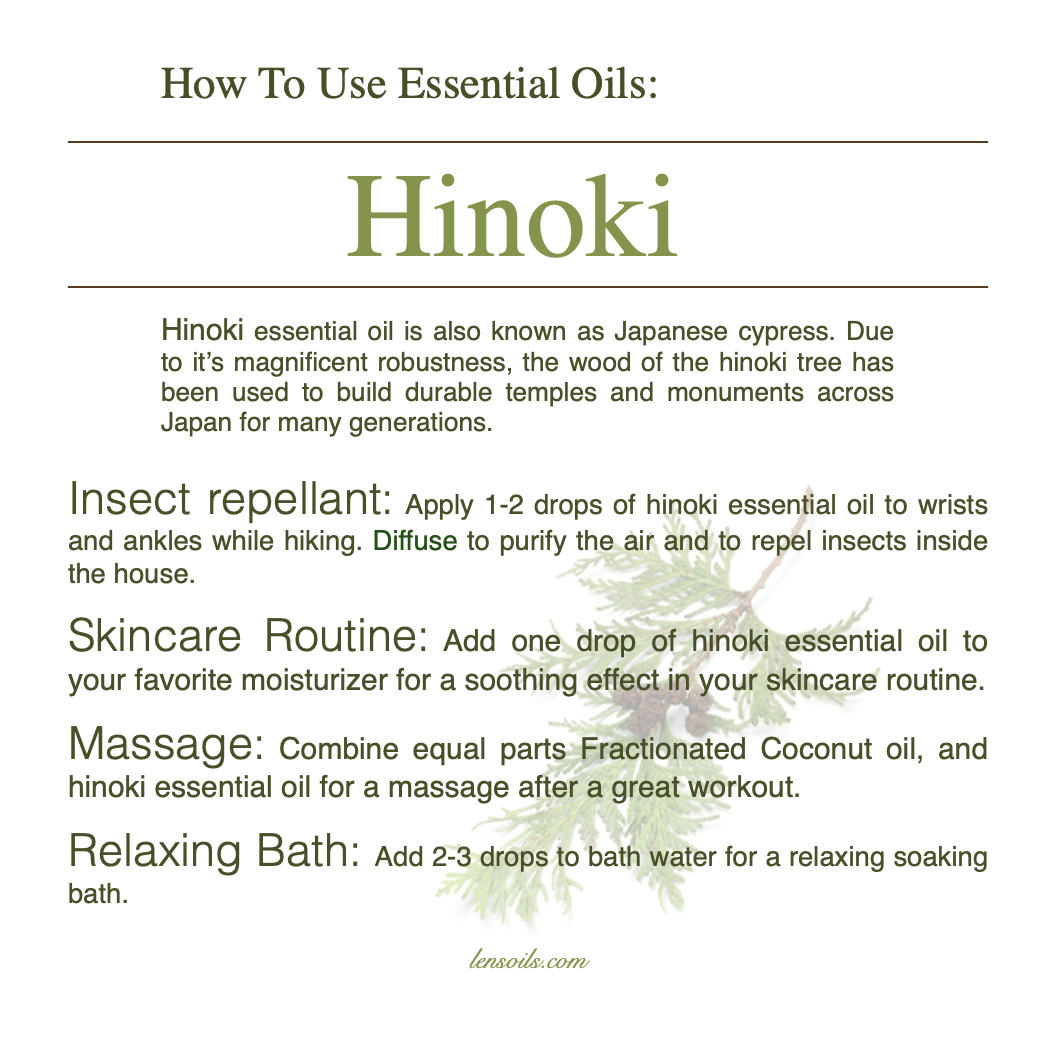
Hinoki essential oil, also known as Japanese cypress, comes from a tree long respected for its strength, calm presence, and natural purity. For centuries, hinoki wood has been used to build temples and sacred spaces throughout Japan, valued for its durability and clean, grounding aroma. The oil carries that same sense of quiet strength. Its fresh, woody scent feels both calming and clarifying, making it a favorite for creating a peaceful atmosphere while gently supporting emotional balance and mental clarity.
In daily use, hinoki essential oil fits easily into both wellness and self-care routines. It can be added to a diffuser to freshen the air and create a relaxing environment, or blended into skincare and massage oils for a soothing, restorative touch. Many people enjoy using hinoki after physical activity or during evening routines, as its aroma helps the body unwind while encouraging a sense of calm, comfort, and steady relaxation.
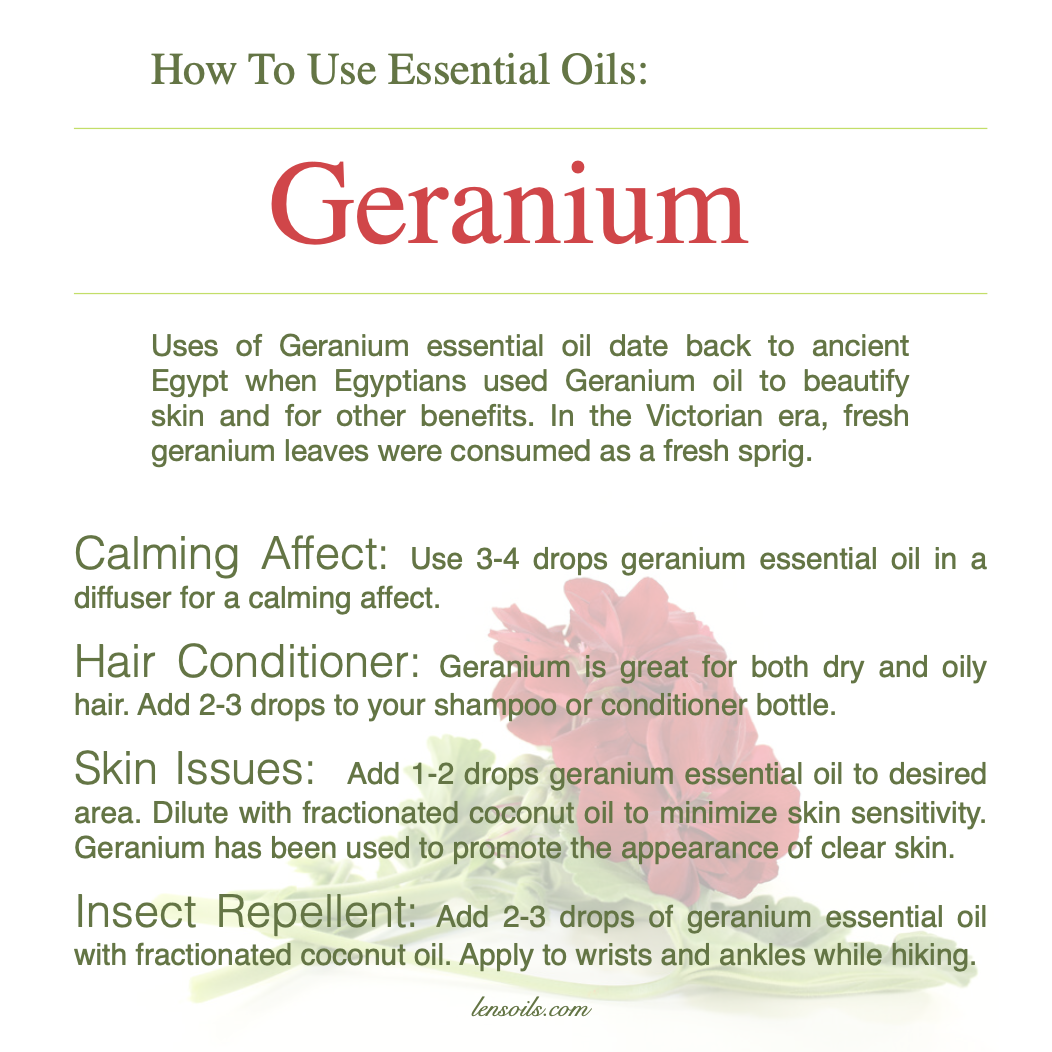
Geranium essential oil is known for its ability to bring balance, both emotionally and physically. Its soft floral aroma has a naturally calming effect, making it helpful during moments of stress or emotional tension. Diffusing a few drops can create a peaceful atmosphere while also freshening the air. Geranium has also been traditionally used for skin concerns, where it is valued for supporting the appearance of clear, healthy-looking skin when properly diluted and applied.
Beyond emotional and skin support, geranium is a practical oil for everyday use. It works as a gentle hair conditioner for both dry and oily hair, helping hair feel nourished without feeling heavy when added to shampoo or conditioner. Geranium is also commonly used as a natural insect repellent. When diluted with fractionated coconut oil and applied to areas like wrists and ankles, it can help keep insects away while outdoors, making it a versatile oil for both self-care and time spent in nature.
High in the mist-covered mountains of Lebanon, King Solomon’s builders labored. They sought wood that would withstand centuries, wood that was resistant to decay and filled the air with an unmistakable aroma. They chose carefully, for this wood would line the halls of the most magnificent temple ever built. It was a tree known for its strength, durability, and fragrance—a tree that had already been revered for generations.
Far to the south, the priests of Egypt knew of this tree as well. It was not merely prized for its timber but for something more—the oil that could be extracted from its heartwood. The Egyptians used this oil to embalm their dead, believing it would preserve not just the body, but the soul. The tombs of Pharaohs bore the scent long after their earthly kings had turned to dust.
Centuries later, the Roman scholar Pliny the Elder wrote of its properties. He documented its resistance to rot and insects, its deep, grounding fragrance, and the way its oil was used to anoint sacred objects. The Romans burned shavings of its wood in temples, letting the aroma drift skyward with their prayers.
In the American colonies, settlers recognized the same properties. They lined their closets with this wood, filling storage chests with its shavings. Why? Because its scent repelled moths and insects, protecting precious linens and heirlooms for generations. Even today, small blocks of this wood are placed in closets for the same reason.
By the 20th century, chemists began to examine the oil more closely. Among them was René-Maurice Gattefossé, the French scientist who pioneered aromatherapy. He recognized this oil’s ability to promote relaxation and soothe the mind. Blended into massage oils or diffused into the air, it provided a sense of calm after a long, weary day.
Meanwhile, outdoorsmen took note of another quality. Hikers and campers began using the oil as a natural insect repellent. A drop on a cotton ball, tucked into a tent or sleeping bag, kept unwanted pests at bay. It was yet another way this tree protected those who sought its benefits.
Modern dermatologists discovered its skincare potential. With astringent properties, it became a trusted ingredient in facial treatments, helping with oily skin. Those who suffered from occasional skin irritation found that just a few drops blended into lotions or carrier oils could provide relief.
And in households around the world, its scent filled the air—not just in wooden furniture, but in diffusers, candles, and soaps. It became a staple in spas, helping people unwind from the pressures of daily life. It was the quiet companion of relaxation, as it had been for thousands of years.
And now, with all the clues before you—the ancient temples, the chests lined with fragrant wood—you might think we’re talking about sandalwood or pine. But no, the unsung hero of this story is Cedarwood. With its grounding aroma and remarkable benefits, it has touched lives for centuries.
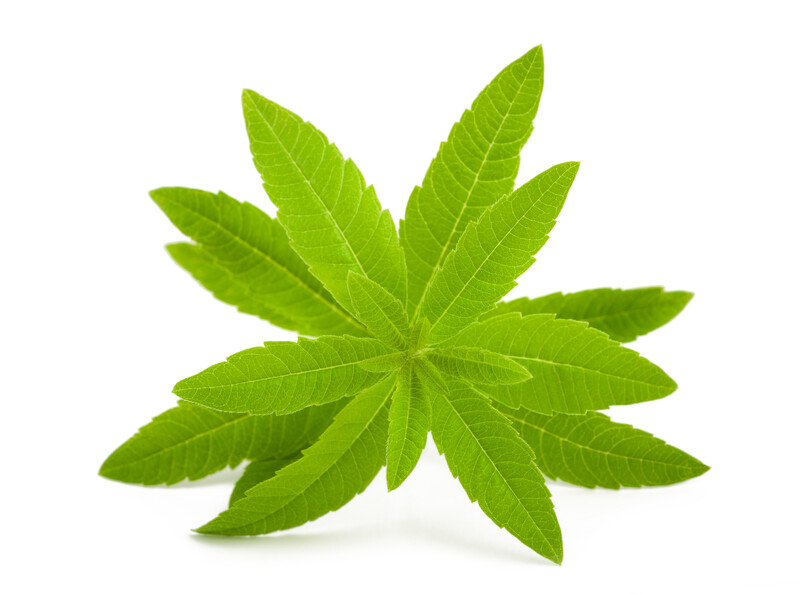
Did you know Lemon Verbena comes from South America, especially places like Argentina, Peru, and Chile. It has been growing there in the wild for a very long time. Native people in South America used this plant as medicine and in their cooking. They also thought it could keep insects away naturally. In the 1700s, lemon verbena became very popular because people thought it could cure fevers.
Lemon Verbena offers a variety of practical uses. You can dilute it to create a pure and natural personal fragrance, which can be a lovely and chemical-free alternative to commercial perfumes. Additionally, Lemon Verbena can be diffused to purify the air and transform your surroundings into a calming spa-like atmosphere. If you’re looking to boost your mood, simply inhaling its refreshing scent can brighten your day and uplift your spirits. Lastly, for a cleaning upgrade, consider adding two to four drops of Lemon Verbena to your household cleaner to infuse it with a pleasant lemony fragrance while providing an extra cleansing kick.
Did you know Lavender essential oil is the oil of communication? Lavender helps with verbal expression. It calms the uncertain thoughts that are felt when a person exposes their true feelings. Lavender aids in releasing the tension pressure that comes from the fear of self expression. Lavender encourages emotional honesty by encouraging people to speak their most private thoughts, and desires.
The use of lavender has been recorded for more than 2,500 years. Egyptians, Phoenicians and the people of Arabia used lavender as a perfume, and also for mummification, by wrapping the dead in lavender-dipped shrouds. In ancient Greece, lavender was used as a cure for everything from insomnia, and aching backs to insanity.
By Roman times, lavender had already become a prized commodity. Lavender flowers were sold to ancient Romans for 100 denarii per pound, equivalent to a full month’s wage for a farm laborer, and were used to scent the water in Roman baths. In fact, the baths served as the root of the plant’s current name. “Lavender” is derived from the Latin lavare, meaning, “to wash.” Romans also used lavender as a perfume, insect repellent and flavoring.
The use of lavender was highly revered during the Great Plague of London in the 17th century, when individuals fastened bunches of lavender to each wrist to protect themselves from the Black Death. Thieves who made a living stealing from the graves, and the homes of Plague victims concocted a wash known as “Four Thieves Vinegar,” which contained lavender, to cleanse, and protect themselves after a night’s work. Today, we know the disease was transmitted by fleas, so the use of lavender, which is known to repel these insects, could very well have saved lives, and prevented further spread of the plague.
The Shakers, a strict sect of English Quakers, are credited with commercializing lavender and introducing a variety of lavender-based products to the United States and Canada. The Shakers raised their own herbs, produced medicines, and sold them to neighbors and customers outside their religious sect.
Lavender is frequently used to soothe skin irritations and help skin recover quickly. Applying Lavender to the back of the neck, and temples helps reduce muscle tension. Inhaling Lavender promotes relaxation and a restful night’s sleep, making it an ideal oil to diffuse at bedtime and when stress levels are high. Due to Lavender’s versatility and soothing properties, it is considered the must-have oil to have on hand at all times.
Did you know the Arborvitae has been referred to as the tree of life? A native North American western red cedar tree, can reach 180 to 200 feet in height in some areas of the Northwest but is more often seen at 50 to70 feet in height with a spread of 15 to 25 feet in width. Forming an upright pyramidal silhouette with strongly horizontal branches, Giant-Cedar is an evergreen with fragrant, dark green, delicate needles. This very rare Western Red Cedar will put on 3 to 5 feet of growth per year.
The arborvitae has been used by ancient civilizations to enhance their potential for spiritual communication during rituals and other ceremonies. Modern technology however has revealed that giant Arborvitae essential oil contains high levels of unique compounds called tropolones. Tropolones are an unusual seven membered carbon ring structure not found in significant concentrations in other essential oils. It is these tropolones that yield the unique therapeutic qualities of this oil.
When selecting a source of Arborvitae essential oil, one must be sure to choose a source whose oil does not contain thujone, a neurotoxic compound. Besides source geography, it is also essential to consider the plant part from which this oil is distilled: only essential oil from the wood of Arborvitae has been found to be free from thujone. When sampled and tested for thujone, essential oil from the wood of Arborvitae grown in the Pacific Northwest was found to have no thujone, indicating that oil from this region is safe for human use.
Arborvitae has been used for coughs, fevers and intestinal parasites. It also has antibacterial, and anti-fungal properties. Arborvitae is calming, and has been used as an insect repellent. This oil may also help with skin nourishing and sunscreen. It has a strong effect on the subconscious and unconscious mind.
Did you know the Arborvitae has been referred to as the tree of life? A native North American western red cedar tree, can reach 180 to 200 feet in height in some areas of the Northwest but is more often seen at 50 to70 feet in height with a spread of 15 to 25 feet in width. Forming an upright pyramidal silhouette with strongly horizontal branches, Giant-Cedar is an evergreen with fragrant, dark green, delicate needles. This very rare Western Red Cedar will put on 3 to 5 feet of growth per year.
The arborvitae has been used by ancient civilizations to enhance their potential for spiritual communication during rituals and other ceremonies. Modern technology however has revealed that giant Arborvitae essential oil contains high levels of unique compounds called tropolones. Tropolones are an unusual seven membered carbon ring structure not found in significant concentrations in other essential oils. It is these tropolones that yield the unique therapeutic qualities of this oil.
When selecting a source of Arborvitae essential oil, one must be sure to choose a source whose oil does not contain thujone, a neurotoxic compound. Besides source geography, it is also essential to consider the plant part from which this oil is distilled: only essential oil from the wood of Arborvitae has been found to be free from thujone. When sampled and tested for thujone, essential oil from the wood of Arborvitae grown in the Pacific Northwest was found to have no thujone, indicating that oil from this region is safe for human use.
Arborvitae has been used for coughs, fevers and intestinal parasites. It is also an insect repellent. This oil may also help with skin nourishing and sunscreen. It has a strong effect on the subconscious and unconscious mind.
Did you know Myrtle is the oil of adaptability? Myrtle instills the soul with qualities helping you to adjust to new conditions, capable of being flexible, and recovering quickly from difficult conditions. Myrtle helps brings joy to the heart allowing things to flow naturally. It is helpful during difficult and challenging times.
The Ancient Egyptians knew of the therapeutic properties of myrtle, macerating the leaves in wine to counter fever and infection. The best and most fragrant myrtle trees came from Egypt. In Biblical times, Jewish women wore garlands of myrtle on their heads on their wedding day as a symbol of love, and to bring them happiness. In 1876, Dr Delioux de Savignac advocated the use of myrtle for bronchial infections, for problems of the urinary and reproductive system, and for hemorrhoids.
A study shows that myrtle oil kills Salmonella on fresh fruits and vegetables. Scientists intentionally inoculated fresh tomatoes, and iceberg lettuce with a strain of Salmonella. Then they used a cleaning solution that had a dilution rate of 1 to 1000 containing myrtle leaf oil to test if it would kill the bacteria. The results suggest that the use of myrtle can be an effective alternative to the use of chlorine or other disinfectants on fruits and vegetables.
Myrtle lowers blood sugar and has been traditionally used in Iran for the treatment of Malaria. It is also known for its ability to repel mosquitoes, and kills fungus, and mold. In some cultures myrtle is used to heal mouth ulcers, warts, and acne.
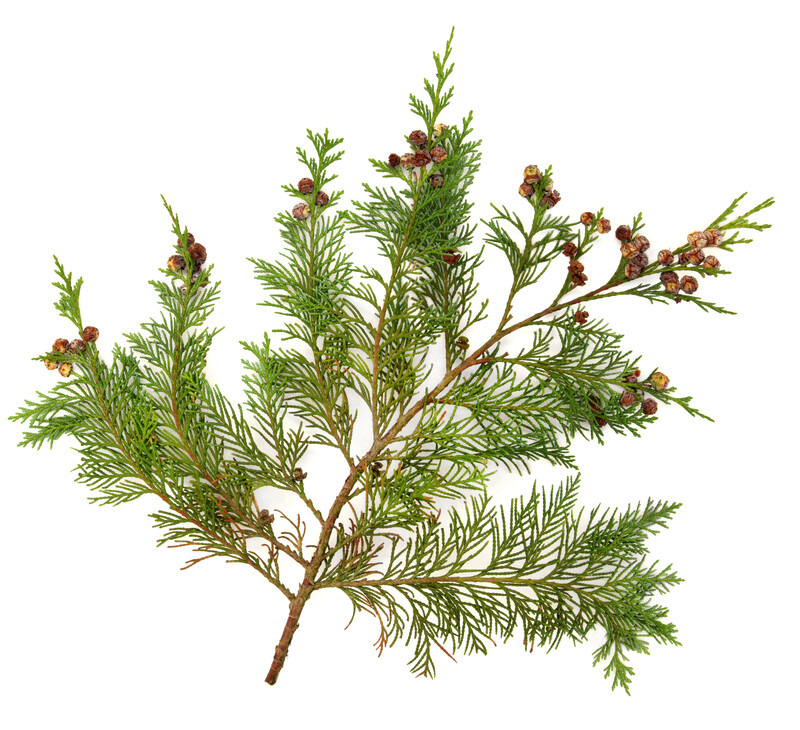


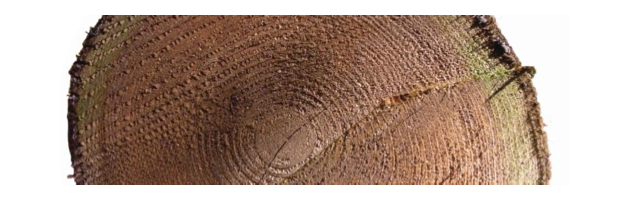 Did you know the Arborvitae has been referred to as the tree of life? A native North American western red cedar tree, can reach 180 to 200 feet in height in some areas of the Northwest but is more often seen at 50 to70 feet in height with a spread of 15 to 25 feet in width. Forming an upright pyramidal silhouette with strongly horizontal branches, Giant-Cedar is an evergreen with fragrant, dark green, delicate needles. This very rare Western Red Cedar will put on 3 to 5 feet of growth per year.

 Len's Oils