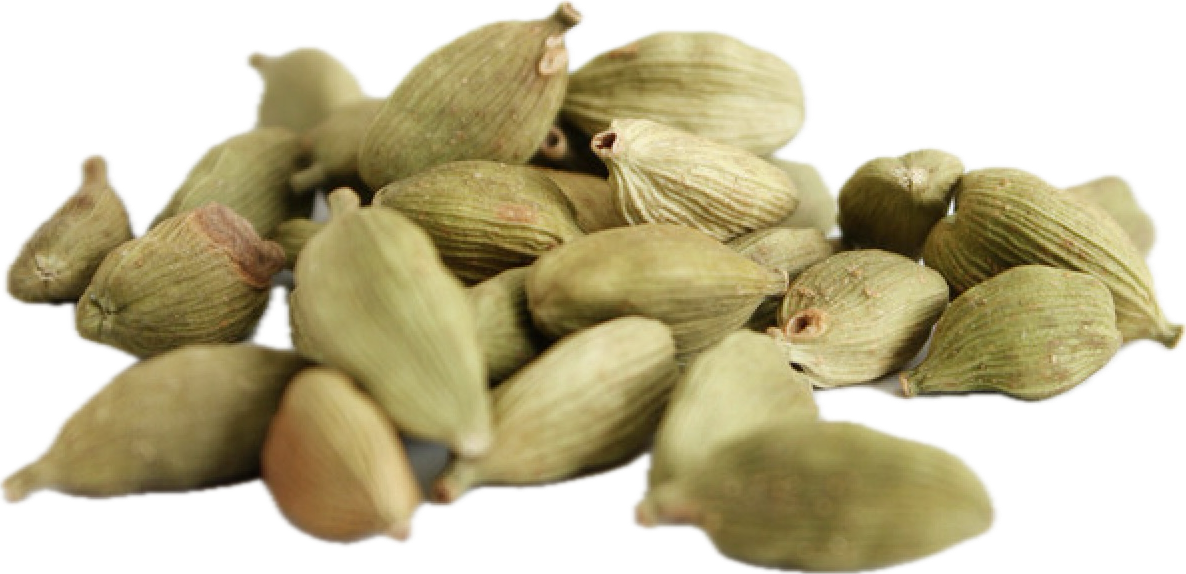
For centuries, the world has sought remedies to soothe life’s little discomforts, often turning to the Earth itself for solutions. Across continents and cultures, one particular spice found its place in the kitchens and apothecaries of ancient civilizations. A whisper of this ingredient’s magic could be found in the tales of traders who carried it from one bustling market to another, exchanging more than goods—they exchanged hope.
It began as a secret, growing wild in the humid rainforests of a distant land. Those who lived nearby believed in its remarkable properties: a balm for uneasy stomachs, a tonic for clear breaths, and even a cure for venomous bites. The truth about its worth, however, couldn’t be contained for long. Like a fine thread in a tapestry, this spice wove its way into the daily lives of those who discovered it, adding flavor to their meals and clarity to their minds.
The spice’s fame spread, carried by determined traders who ventured through jungles and over oceans. Arab merchants, keen-eyed and quick-witted, brought it into global commerce, ensuring its presence in the most elegant kitchens and revered medicine chests. By the time Portuguese explorers landed on its shores, its trade routes had already been established, leading back to the verdant hills of southern India, where it thrived in its natural, untamed glory.
In time, it became an empire within an empire. Kerala dominated its trade, its harvests meticulously overseen by rulers who recognized its value. Yet, as history often unfolds, colonial hands sought to control it, transplanting its cultivation to other lands. By the 20th century, a new contender emerged, far from its native soil. In the mountains of Guatemala, farmers began planting it as a secondary crop alongside coffee. Before long, it dethroned coffee as the most valuable agricultural export in the region.
Today, this remarkable spice is known not only for its culinary prowess but also for its ability to calm indigestion, promote clear breathing, and even brighten one’s mental clarity. A single drop of its oil can transform a dish, while its aroma fills rooms with a sense of warmth and comfort. Its versatility in food, medicine, and trade is a testament to its enduring legacy. And now you know the rest of the story—about the little green pod that started it all: Cardamom.

 Did you know Spearmint is the oil of confident speech? Spearmint inspires someone to be clear of thought and mutual verbal expression. The people in need of Spearmint may hide their opinions, thoughts, and ideas by keeping their voice silent. Spearmint promotes confidence when speaking, especially in front of a large group of people.
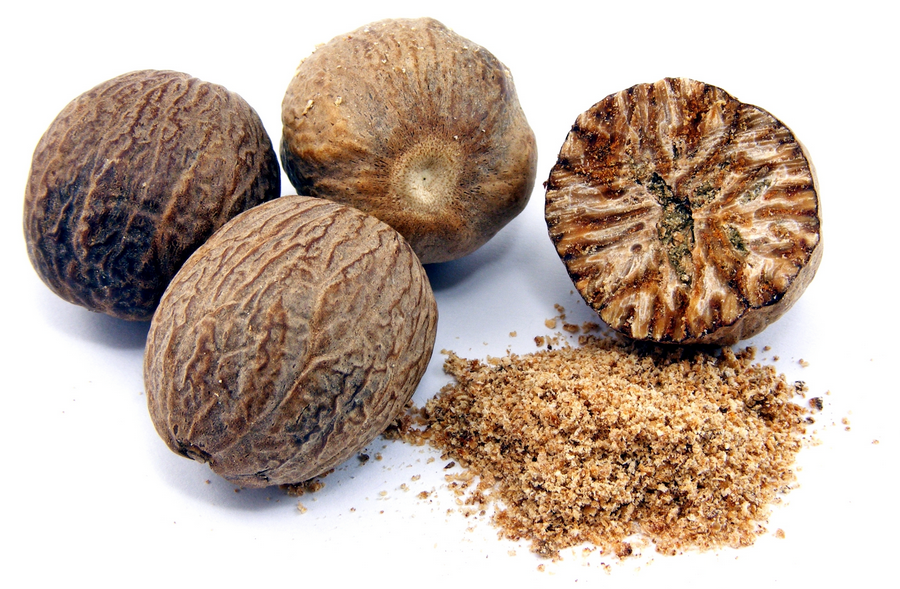 Did You know Nutmeg comes from the fruit of a 50 ft (15 m) tall tropical evergreen tree? Nutmeg is most commonly used as a cooking spice. The tree grows in Indonesia, New Guinea, and the West Indies. The dried nut and essential oil are both used to enhance your health.
 Did you know the Romans believed that dill brought good fortune? The Romans also used dill leaves in the wreaths they made to recognize athletes and heroes. Dill originated in the warm southern regions of Russia, the Mediterranean, and Western Africa. It has been used as a medicinal herb for more than 5,000 years.
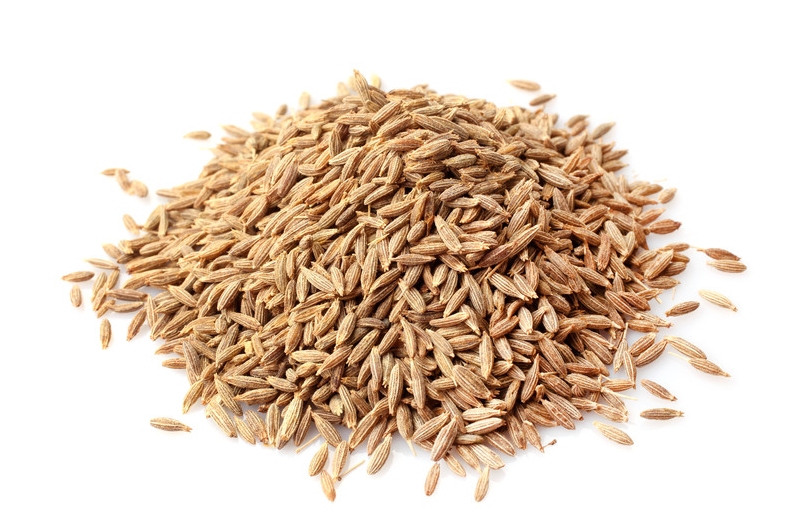 Did you know Cumin was used in the ancient Egyptian mummification process? Marcus Antoninus 16th emperor of Rome was given a nickname that referenced the herb as someone miserly must have eaten cumin, and symbolized excessive desire. Pliny the Elder, a Roman naturalist who lived between 23 AD and 79 AD was said to have listed Cumin as “the best appetizer of all condiments.”
 Did you know yarrow is native to Europe? Now commonly found growing wild in North America (except far north). Yarrow is a familiar plant in meadows and fields, along the sides of country lanes, roadsides, on embankments, and in landfills. Yarrow is a member of the daisy family. In many parts of Europe yarrow was believed to protect against all evil.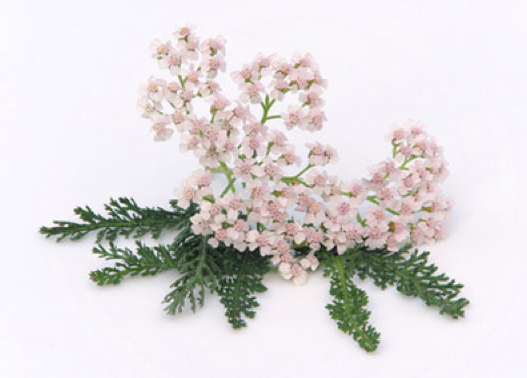
 Len's Oils