Tag Archives: health

Health Proverb

The health proverb “Eat well, be active, feel good about yourself” is a modern expression that encapsulates key principles of wellness. It emphasizes the importance of maintaining a balanced diet, engaging in regular physical activity, and nurturing a positive self-image to achieve overall well-being. This simple yet powerful statement highlights the interconnectedness of our physical, mental, and emotional health.

The phrase likely emerged from public health and wellness movements aimed at promoting healthier lifestyles. It reflects the idea that small, consistent habits in eating and exercise can significantly enhance quality of life. Encouraging individuals to feel good about themselves adds a psychological dimension, recognizing the role of self-esteem and emotional health in maintaining a fulfilling and balanced life.

This proverb represents the broader shift in health conversations over recent decades, focusing on prevention and self-care. By integrating these three elements—nutrition, activity, and self-confidence—it offers a holistic approach to achieving and maintaining good health. Its enduring appeal lies in its simplicity and universality, making it a guiding principle for people of all ages and backgrounds.

Health Proverb

The proverb “Symptoms, then, are in reality nothing but a cry from suffering organs” is attributed to Jean-Martin Charcot, a 19th-century French neurologist often regarded as one of the founders of modern neurology. Charcot’s work was groundbreaking in understanding the link between physical symptoms and underlying medical conditions, particularly in the fields of neurology and psychiatry.

Charcot lived during an era when medical science was transitioning from traditional, often superficial treatments to a deeper exploration of the body’s inner workings. He believed that symptoms should not be ignored or merely alleviated—they were the body’s way of signaling distress or dysfunction. This idea was revolutionary at the time, as it encouraged doctors to move beyond treating symptoms to diagnosing and addressing the root causes of diseases.

Charcot’s expertise in neurological disorders, such as multiple sclerosis and Parkinson’s disease, reinforced his belief that symptoms were vital clues. His work emphasized careful observation and listening to the “language” of the body to understand the suffering of its organs. This approach laid the foundation for modern diagnostic techniques, encouraging a more empathetic and scientific method of medical care. The proverb reflects Charcot’s philosophy that every symptom is meaningful, urging physicians and patients alike to view them as essential guides to healing.

The Seeds of Timeless Wisdom

Long ago, in lands where mountains kissed the sky and the desert stretched far and wide, humanity found treasures hidden in plain sight. They were not gold or jewels but plants—humble, unassuming, yet brimming with secrets that whispered through the ages. One of these plants would change the way people saw healing, nourishment, and even trust. But before we get to that, let’s start with the foundation of its legacy.

The earliest healers didn’t wear lab coats or work in sterile clinics. They were farmers, shepherds, and midwives who turned to the earth’s bounty for answers. Oils pressed from leaves, roots, and seeds became their medicine. A mere drop could soothe pain or sweeten a sour stomach. These ancient remedies, passed through generations, became the foundation of modern wellness. Yet, even with all our advancements, some secrets from the past remain indispensable.

For centuries, the carrot family has been a source of health and nourishment. From its roots came earthy sustenance, and from its seeds, oils that calmed and healed. Plants like cumin and fennel have become kitchen staples, their aromatic seeds flavoring dishes and aiding digestion. These seeds, steeped in history, whisper their benefits into every bite. But there was one cousin in this family, small and quiet, that rose to fame in ways no one could predict.

This tiny hero carried its aroma into the stories of many cultures. Bread baked with its seeds graced ancient tables, offering sustenance and solace. Tales from long-forgotten kitchens spoke of this seed’s power to soothe a worried mind and ease a troubled gut. Meanwhile, in distant lands, the same seeds became symbols of loyalty, ensuring that belongings laced with their scent remained unstealable. Such is the legacy of these simple yet profound seeds.

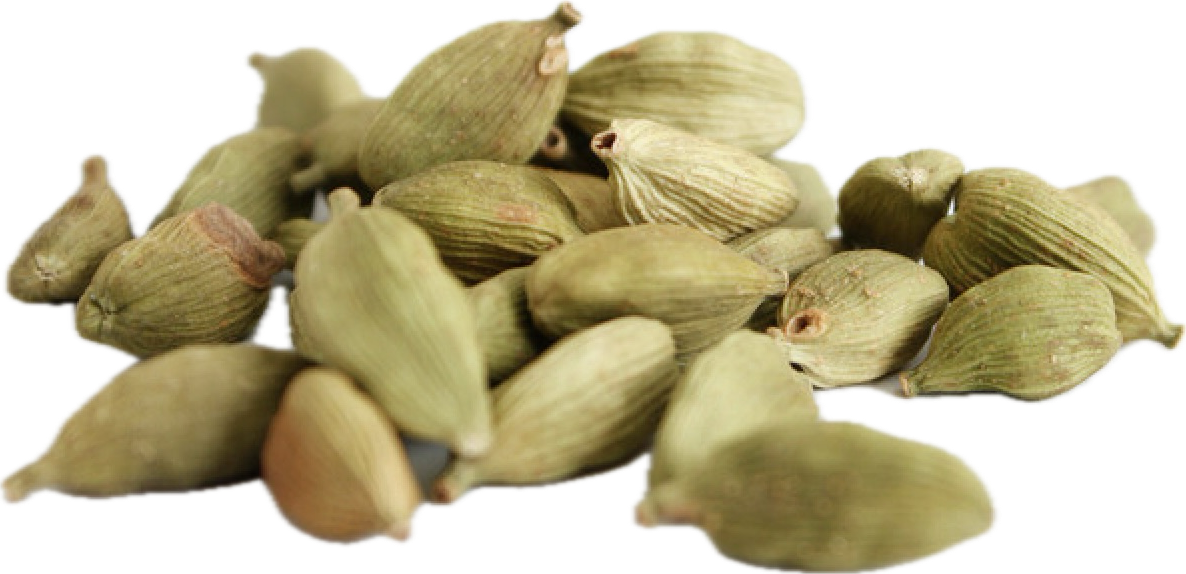
And so we arrive at caraway seed. Native to Asia but beloved worldwide, it has stood the test of time as both a healer and protector. Its essential oil, extracted from the seed, has amazing benefits. A soothing abdominal massage with caraway seed oil calms discomfort; a single drop in a daily rinse refreshes the breath and supports oral health. Blend it with lavender in a bath, and you’ll find peace in its calming embrace. In biblical times, caraway seed even found its way into bread, a testament to its enduring value.

Now, whenever you see that tiny seed, remember its journey—from ancient remedies to modern wellness. It’s more than a spice; it’s a bridge between the wisdom of the past and the promise of the future. And now you know… the rest of the story.

Health Proverb

The proverb “In health there is liberty. Health is the first of all liberties, and happiness gives us the energy which is the basis of health” comes from Henri-Frédéric Amiel, a 19th-century Swiss philosopher and poet. Amiel, deeply influenced by his introspective nature and the Romantic movement, often reflected on the relationship between the human spirit, well-being, and freedom.

Amiel lived during a time of profound social and political change, including the rise of individualism and the importance of personal fulfillment. He recognized that true freedom—liberty to pursue one’s goals and passions—depends on good health. Illness or physical limitation, in his view, could constrain not just the body but also the mind and spirit, depriving individuals of the ability to live fully and independently.

Happiness, for Amiel, was closely tied to energy and vitality, which he believed were essential components of health. A joyful outlook on life fosters resilience and physical well-being, creating a cycle where happiness sustains health, and health enables freedom. This perspective reflects Amiel’s broader philosophical themes: the interconnectedness of mind, body, and soul, and the importance of nurturing all three to achieve a life of balance, liberty, and fulfillment.

Use Essential Oils Like Jesus

Please text Free Sample or call me at 801-661-4786
I will be sure to get back to you as soon as possible.
Or
Send me an email at lfish64@yahoo.com
with the heading Free Sample
It will be an honor to help you in any way that I can.
Or
Write me a letter, request a Free Sample

Leonard Fish

Leonard Fish
5075 Rushton Acres Court
West Valley City, Utah
84120 USA

Health Proverb

The Spanish proverb “Limit your desires and you will improve your health” reflects the wisdom rooted in centuries of observation and simple living. Its backstory likely arises from the traditional Spanish emphasis on moderation and balance, particularly in a society historically shaped by scarcity and hard work.

In rural Spain, where resources were often limited, overindulgence in food, drink, or other pleasures was seen as harmful—not just to one’s body but also to one’s well-being and community. Desiring too much could lead to greed, stress, and unhealthy habits, disrupting the harmony essential to a fulfilling life. Limiting desires meant embracing contentment with what one had, fostering mental and physical health. This principle aligned with the holistic understanding that moderation promotes longevity and resilience, values that were crucial in the face of life’s unpredictability.

The proverb serves as a reminder that simplicity and self-restraint are key to a healthier, more peaceful existence, an idea as relevant today as it was in the past.

Wintergreen’s Kiss

In winter’s grasp, a fragrant green,
The wintergreen, so fresh and keen.
With scent divine and essence pure,
A treasure found in nature’s cure.

Inside its leaves, a secret lies,
Methyl salicylate it supplies.
This compound, known to soothe and mend,
In oils and creams, a healing friend.

A drop or two in soothing bath,
Transforms the water, calms the wrath.
Warm liquid silk, your skin embrace,
With wintergreen, find tranquil place.

For joints that ache and muscles sore,
This oil, a balm that we adore.
Combine with coconut’s soft touch,
A little goes, oh, so much.

In candies sweet, and gums that cheer,
Its flavor bright, a taste so clear.
In toothpaste too, a minty glow,
Wintergreen’s kiss, fresh breath bestow.

A soothing massage, a gentle glide,
With wintergreen by your side.
Its essence melts the stress away,
Bringing peace to end your day.

So, cherish well this gift from green,
The winter’s touch, a scent serene.
With every drop, let calm prevail,
In wintergreen, find your detail.

One Drop of Oil

Do you want to expand your health options?
Try using natural essential oils.

Request a a Free Sample.

Please text Free Sample or call me at 801-661-4786
I will be sure to get back to you as soon as possible.
Or
Send me an email at lfish64@yahoo.com
with the heading Free Sample
It will be an honor to help you in any way that I can.
Or
Write me a letter, request a Free Sample

Leonard Fish
5075 Rushton Acres Court
West Valley City, Utah 84120