Tag Archives: Flavoring

Rosemary-Did You Know?

RosemaryDid you know rosemary assists in the development of true knowledge and true intelligence? Rosemary is the essential oil of knowledge and transition. It challenges people to look deeper than they normally would, and ask more soul searching questions so they may receive more inspired answers. Rosemary also aids in times of transition and change, such as adjusting to a new house, school, or a relationship.

Rosemary is actually a bush perennial that grows in abundance in the Mediterranean area (Spain, Italy, Portugal, Southern France, Greece and North Africa as well as in isolated areas of Turkey, Lebanon and Egypt). It is one of the most common aromatic wild plants of the Mediterranean landscape, especially in rocky limestone hillsides adjoining the seaside.

Rosemary was relocated to England by the Romans in the eighth century, primarily in the southern part of the country. Rosemary branches were placed on the floors of medieval homes to combat diseases during the “black plague.” Because of the fragrance the plant gives off, it was a used as an incense. It was introduced to the New World by early immigrants, but in the northern regions they must be protected in the winter months.

Rosemary is an aromatic, evergreen shrub whose leaves are frequently used to flavor foods such as stuffings and roast lamb, pork, chicken, and turkey. When you add rosemary to spaghetti sauce it will bring out the flavor of other ingredients. It is a very nice addition to tomato-based soups, stews, and sauces. Along with its culinary applications, Rosemary has many health benefits.

Rosemary supports healthy digestion and helps soothe sore muscles and joints. Long revered by healers, rosemary was considered sacred by the ancient Greek, Roman, Egyptian, and Hebrew cultures. Rosemary’s herbaceous and energizing scent is frequently used in aromatherapy to combat nervous tension, fatigue, and has antioxidant properties.

Spearmint-Did You Know?

SpearmintDid you know spearmint has been cultivated for many years? Some believe it would be almost impossible to find it growing in its original form in nature. This species of mint is also known as “Mackerel Mint” The name, spear or spire, refers to the spiry form of its floral blossoming.

Before the invention of the refrigerator, spearmint was once macerated and added to milk because it appeared to lengthen the shelf-life of milk and keep it from curdling. It was also recommended for use by people with poor health or young children with sensitive digestive issues.

Spearmint oil is less used than it’s stronger cousin peppermint. The mint sauces, and jellies that usually accompany lamb dishes are made of the milder-flavored spearmint. It was once recommended as a treatment for hiccups, flatulence as well as indigestion. Spearmint essential oil cleanses, and purifies skin, and has an uplifting scent that can lessen mental, and physical fatigue.

Lime-Did you Know?

limeDid you know limes probably originated in Indonesia or the nearby mainland of Asia? Limes were introduced to the western Mediterranean countries by returning crusaders in the 12th and 13th centuries. Columbus took citrus-fruit seed, probably including limes, to the West Indies on his second voyage in 1493, and the trees soon became widely distributed in the West Indies, Mexico, and Florida.

Scottish naval surgeon Sir James Lind discovered by his observation of long-haul sailors that citrus fruits wiped out the horrible scurvy. This disease is caused by a lack of vitamin C, which had destroyed the British navy more than any enemy. It was noted that seamen that drank lime juice dramatically reduced their mortality rate.

Cold-pressed from the peel of fresh limes, Lime essential oil is refreshing, and energizing in both aroma, and taste. Limes are frequently used in entrées, and beverages for their fresh, citrus flavor. Lime essential oil contains powerful antioxidants that ward off free radicals, and enhance immunity.

Due to its high limonene content, Lime provides internal cleansing benefits, and can be diffused to help purify the air. It’s also an effective and natural surface cleaner. Lime is known for its ability to uplift mood, and balance and energize the mind, and body. Lime is frequently used in facial and body cleansers for its purifying properties, and uplifting scent.

Lime essential oil is the Oil of Zest For Life. Lime permeates the soul with enthusiasm for life, when a person has been overwhelmed by discouragement or deep sorrow. Lime elevates them above their difficulties, and reminds them to have gratitude for the gift of life. This oil encourages balance between the heart, and mind.

Fennel-Did You Know?

Fennel.png
Did you know fennel essential oil is the oil of responsibility? Fennel supports the person who has a lack of self esteem. This person may feel overwhelmed with life and all the things they are accountable for, having little to zero desire to improve their situation. Fennel is especially important by supporting people to listen and reconnect to the natural messages of the body, where there has been a loss of connection due to emotional eating, severe dieting and even drug abuse.

Fennel can grow up to six feet in height and has delicate, feathery leaves. Most fennel originated in India, Egypt and China. It also dates back to Pliny the Roman author of Naturalis Historie written between 23-79 AD. He used fennel for 22 different ailments. Roman warriors were said to have consumed Fennel to make them strong and ready for battle.

We know King Edward I of England consumed large amounts of fennel because his account book listed a purchase of 8½ pounds. This seed was a one month supply. In the 1300s fennel was used as a condiment and an appetite suppressant. During medieval times, people thought evil spirits could freely move around as the sun moved south. It was thought when fennel was hung over doorways you were protected from the spirits. Fennel seeds inserted into keyholes were thought to protect homes from ghosts especially in the summer.

Fennel is best known for its distinct licorice aroma and taste, yet its ability to ease digestive troubles, and monthly menstrual cycles are equally noteworthy. Fennel can be added to tea to calm the digestive system, as well as the mind and emotions. Fennel can be very soothing when applied to the abdomen during monthly menstrual cycles, and those same properties can lessen the discomfort associated with minor skin irritations. Fennel is also known to support a healthy lymphatic system.

Dill-Did You Know?

Dill

Did you know the Romans believed that dill brought good fortune? The Romans also used dill leaves in the wreaths they made to recognize athletes and heroes. Dill originated in the warm southern regions of Russia, the Mediterranean, and Western Africa. It has been used as a medicinal herb for more than 5,000 years.

Dill was hung over the doorway to the house, making it a symbol of love, and acted as a protection against harm. People who believed in witches would brew a cup of tea brewed from the leaves and seeds of the dill plant to take away their evil power.

Pickles have been around for centuries, yet no one knows exactly when dill was added as a flavoring. There are recipes in England that date back to the 1600s that call for dill to be added to pickled cucumbers. Dill pickles are now the most popular pickle in America. Dill has a strong flavor that enhances the taste of vegetables, meats, and seafood.

Dill has been studied for its ability to help ease constipation, flatulence, headaches, and indigestion. It has helped promote milk flow in nursing mothers. Dill when diffused with Roman chamomile, may help with restless children. Dill has also shown positive signs with pancreas support and clearing toxins. A drop on the wrists may help remove cravings for sweets.

Cilantro-Did You Know?

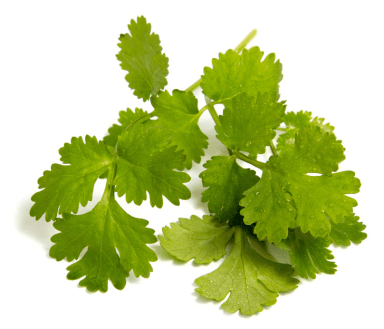
Coriander:Cilantro-did you knowDid you know Cilantro essential oil is the oil of releasing control? Cilantro makes the detoxification of emotions and debris. It is helpful in lightening your load through the release of issues buried in the body, heart and soul. Those in need of cilantro may attempt to obsessively control other people or manage their surrounding and conditions.

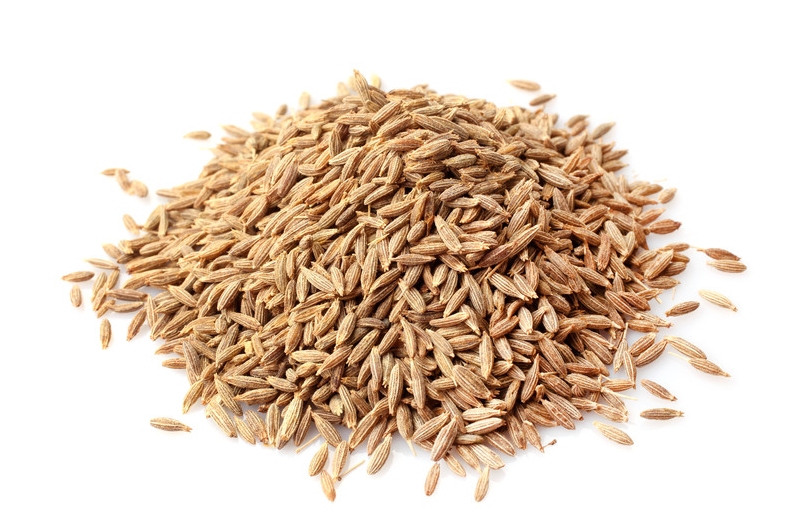
It is a mystery as to where Cilantro originated, but it is thought by many to be from the Mediterranean region of Europe. No one knows exactly, but it appears that cilantro has been used for at least 5000 years. The seeds, also known as coriander, have even been found in ancient Egyptian tombs. Perhaps this was because the coriander seeds were thought by the ancient herbalists to be an aphrodisiac.

The therapeutic and culinary uses of Cilantro have been documented for centuries. Cilantro has been studied for antioxidants known to protect the body’s cells from oxidative stress. Cilantro promotes healthy digestion and acts as a powerful cleanser and detoxifier for the body’s systems. Applied topically, Cilantro is very soothing and cooling to the skin, and it adds a fresh, herbal aroma to any essential oil blend when diffused.

There is also a large amount of literature speculating that cilantro may be an effective chellation therapy for people who have excess mercury in their systems. Some think that mercury poisoning could be the result of metallic teeth fillings. Every time a person with fillings chews, the fillings release minute amounts of mercury gas that may be breathed into the system. Of course, this is all speculative and disputed. Nevertheless, many people who have suffered from mercury poisoning and the “brain cloud” it causes have reported fairly rapid relief by the consistent consumption of cilantro over a period of just a few weeks.

Cilantro’s culinary uses are endless, adding a flavorful twist to meats, salads, dips, and guacamole. A small amount goes a long way, sometimes a drop is too much and overpowering. Just dipping a toothpick into an essential oil bottle, then using the toothpick for stirring is sufficient.

Cardamom-Did You Know?

CardamomDid you know a lot of chronological Indian content mention Cardamom as a flavoring agent and medicine? There are recipes of sherbets and rice dishes flavored with Cardamom. Cardamom became an object of trade with South Asia in the last thousand years when Arab traders brought it into extensive use. Exports from the Malabar shore, close to where Cardamom’s grew untamed, were portrayed by the Portuguese traveler, Barbosa, in 1524. By the time of Garcia DA Orta in 1563, the worldwide trade in Cardamom’s was finely urbanized. Kerala continued to dominate the cardamom trade until the colonial era.

It was bought by the Raja’s administrators from India, and some of it was sold to Muslim merchants while the most excellent quality was sold abroad. In the 19th century British settlement established Cardamom as a secondary crop in coffee agricultural in further parts of India. But it’s Guatemala, which only started growing the spice in the 1920s, that’s the biggest commercial producer today, overtaking India and Sri Lanka. In some parts of Guatemala, it has even overtaken coffee as its most valuable crop!

Cardamom is largely used in South Asia and South America it has been known to help teeth and gums issues, to help control and take care of throat troubles, congestion of the lungs, inflammation of eyelids and also digestive disorders. It is also used to break up kidney stones and gall stones, and was apparently used as an antidote for venom from both snakes, and scorpions.

Lavender-Did You Know?

LavenderDid you know Lavender essential oil is the oil of communication? Lavender helps with verbal expression. It calms the uncertain thoughts that are felt when a person exposes their true feelings. Lavender aids in releasing the tension pressure that comes from the fear of self expression. Lavender encourages emotional honesty by encouraging people to speak their most private thoughts, and desires.

The use of lavender has been recorded for more than 2,500 years. Egyptians, Phoenicians and the people of Arabia used lavender as a perfume, and also for mummification, by wrapping the dead in lavender-dipped shrouds. In ancient Greece, lavender was used as a cure for everything from insomnia, and aching backs to insanity.

By Roman times, lavender had already become a prized commodity. Lavender flowers were sold to ancient Romans for 100 denarii per pound, equivalent to a full month’s wage for a farm laborer, and were used to scent the water in Roman baths. In fact, the baths served as the root of the plant’s current name. “Lavender” is derived from the Latin lavare, meaning, “to wash.” Romans also used lavender as a perfume, insect repellent and flavoring.

The use of lavender was highly revered during the Great Plague of London in the 17th century, when individuals fastened bunches of lavender to each wrist to protect themselves from the Black Death. Thieves who made a living stealing from the graves, and the homes of Plague victims concocted a wash known as “Four Thieves Vinegar,” which contained lavender, to cleanse, and protect themselves after a night’s work. Today, we know the disease was transmitted by fleas, so the use of lavender, which is known to repel these insects, could very well have saved lives, and prevented further spread of the plague.

The Shakers, a strict sect of English Quakers, are credited with commercializing lavender and introducing a variety of lavender-based products to the United States and Canada. The Shakers raised their own herbs, produced medicines, and sold them to neighbors and customers outside their religious sect.

Lavender is frequently used to soothe skin irritations and help skin recover quickly. Applying Lavender to the back of the neck, and temples helps reduce muscle tension. Inhaling Lavender promotes relaxation and a restful night’s sleep, making it an ideal oil to diffuse at bedtime and when stress levels are high. Due to Lavender’s versatility and soothing properties, it is considered the must-have oil to have on hand at all times