Tag Archives: Flavoring

The Herb of Two Opinions and the Rest of the Story

For centuries, an unassuming green herb has graced tables across the world, its fragrance as distinct as its flavor. It has been crushed into pastes, steeped into teas, and scattered atop dishes from Mexico to India. Ancient civilizations knew of its powers long before modern science confirmed its worth. Traces of it have been found in the tombs of Egyptian pharaohs, nestled alongside gold and sacred artifacts, hinting at a value that extended far beyond the kitchen. Hippocrates, the father of medicine, spoke of its medicinal properties, while Chinese healers used it to rid the body of toxins.

In the Middle Ages, it was rumored to hold mystical qualities, a belief likely rooted in its ability to purify and restore. Traders carried its seeds along the Silk Road, sharing its secret with distant lands. The Spanish conquistadors ensured its presence in the New World, where it flourished in the warm, fertile soils of the Americas. Today, it is a staple in kitchens worldwide, yet it remains one of the most polarizing ingredients in culinary history—beloved by some and despised by others.

Its scent, bright and citrusy to some, is curiously soapy to others, a perception dictated by genetics. Charles J. Wysocki, a behavioral neuroscientist, uncovered the genetic link that determines whether one will relish its fresh, tangy bite or recoil at its pungency. This divisive reaction is rooted in olfactory receptors, proving that taste, at times, is simply a matter of biology. But beyond its flavor, it harbors an arsenal of benefits that modern science has only begun to unravel.

Dr. Ellen Silbergeld, a toxicologist renowned for her work in environmental health, found that this little leaf could do what few other plants could—it binds to heavy metals in the body, aiding in their safe removal. Its detoxifying properties have made it a subject of research in holistic medicine, where it is lauded for its ability to cleanse the bloodstream and support liver function. Some have even referred to it as nature’s own “chelation therapy.”

Not just a detoxifier, this herb is a digestive ally. Its essential oils contain compounds that soothe the gut, reducing bloating and discomfort after a heavy meal. A single drop of its concentrated essence, mixed into water, can help the body process rich or indulgent foods. For those who prefer its raw form, adding it to meals not only enhances flavor but also promotes gut health.

Its uses extend beyond digestion and detoxification. Researchers have found that its antioxidant properties may support the body’s defenses against oxidative stress. With a rich profile of vitamins A, C, and K, it contributes to skin health, immune support, and overall well-being. And when paired with lime in a diffuser, its fresh herbal aroma invigorates the senses, bringing a touch of nature indoors.

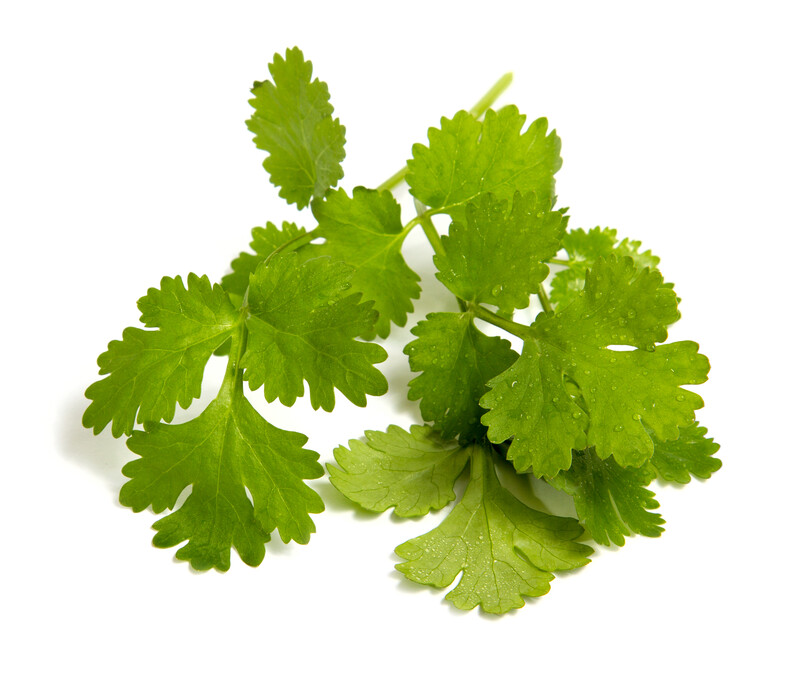
For all its uses, it remains misunderstood by many. Some associate it with humble street food, while others see it as a refined touch in gourmet cuisine. It has been praised in Ayurvedic medicine for its healing properties, studied by Western scientists for its detoxifying effects, and endlessly debated at dinner tables around the world. Cilantro, with its distinct flavor, divides opinions—fresh and citrusy to some, overwhelmingly soapy to others, a reaction dictated by genetics. Yet, despite the controversy, it continues to thrive in cultures across the globe, enhancing meals, supporting digestion, and purifying the body. A staple in kitchens from Mexico to India, a remedy in holistic medicine, and a topic of scientific curiosity, this humble herb holds a history as rich as its flavor.

And now you know the rest of the story.

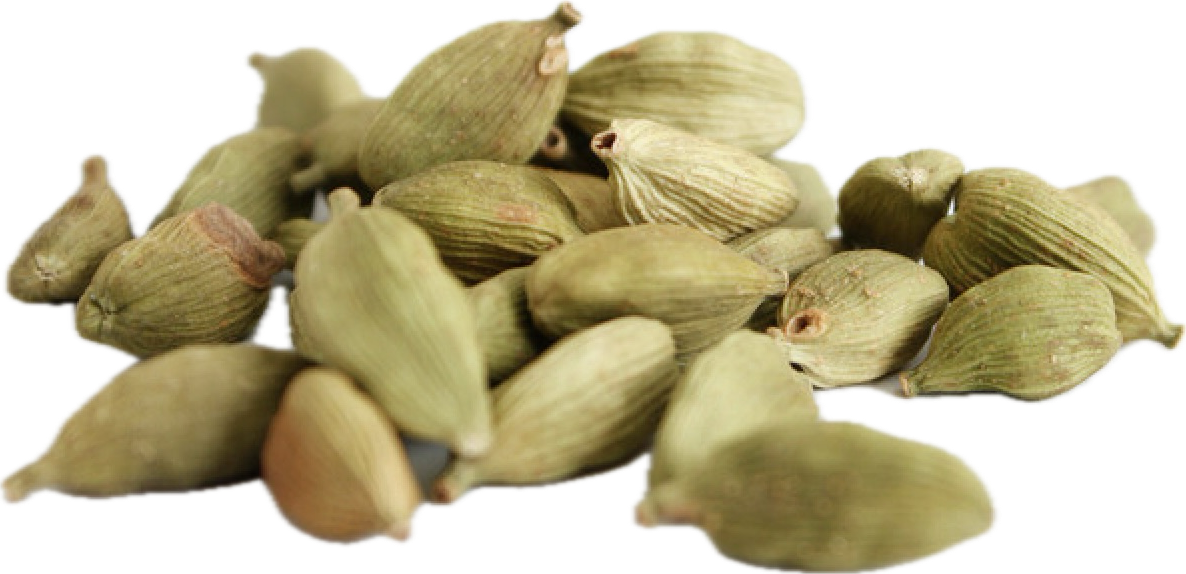
Essence of Cardamom

Oh, cardamom, spice of tales untold,
With fragrant notes both warm and bold.
A treasure cherished in kitchens near,
Your essence travels far and clear.

In the kitchen, you claim your space,
Enhancing dishes with subtle grace.
One drop or two in bread or stew,
Transforms a meal, makes flavors true.

In smoothies, salads, your taste refines,
You grace the palate with rich designs.
For digestive peace, you lend your art,
With liquid mixed, you play your part.

A drop in water, ounces four,
Soothes the belly, it aches no more.
To breathe with ease, to lungs bring light,
A diffuser spreads your calm through night.

Three drops or four, a tranquil stream,
Cardamom clears, like a soothing dream.
When thoughts are tangled, the mind confined,
Two drops bring clarity, well-defined.

Rub hands together, cup near the face,
Breathe in deeply, find mental space.
Oh, cardamom oil, with gifts so true,
For heart and soul, we turn to you.

The Spice of Life

Long ago, deep in the tropical forests of southern India, there thrived a plant shrouded in mystery. Its tall, slender stems reached skyward, while its seeds lay hidden within small, green pods. To those who cultivated it, this plant was a treasure, not just for its unique taste but for its remarkable ability to heal and uplift. For centuries, it was used in rituals and remedies, cherished as both a culinary delight and a soothing balm.

The seeds were painstakingly harvested by hand, dried under the sun, and carried across ancient trade routes. They reached the hands of kings and emperors, their value rivaling that of gold. Traders guarded its secrets fiercely, knowing its essence would fetch the highest prices in the spice markets of Europe and Asia. In every corner of the world, this fragrant seed found its place—infused into teas, ground into powders, and distilled into potent oils.

Legends grew around its powers. Ancient physicians praised it for its ability to calm an upset stomach, soothe nausea, and invigorate the senses. It became a favorite of royalty; Cleopatra herself is said to have used its scent to enchant her guests. The seed’s uses expanded as knowledge traveled, blending into the culinary traditions of countless cultures and the healing practices of generations.

Over time, its cultivation expanded beyond its native India. Farmers in the rainforests of South America began to grow the plant, taking advantage of the warm, humid climate to nurture its delicate pods. This new chapter in its journey spread its reach even further, making its fragrant seeds more accessible to people across the world. Each new region added its own traditions to the plant’s legacy, embedding it deeper into the cultural fabric of humanity.

Today, modern science continues to validate what ancient healers knew. Its oil, extracted through steam distillation, is celebrated for its digestive benefits, its ability to clear the mind, and its aromatic richness. It remains a cornerstone in kitchens and apothecaries alike, revered for its versatility and purity.

And now, cardamom, the unassuming seed from the forests of India and the rainforests of South America, lives on as a timeless treasure. From enhancing the flavors of bread and stews to promoting clear breathing with a diffuser’s gentle mist, it serves as both a culinary marvel and a source of well-being. Its journey through history, carried by the hands of explorers and traders, has secured its place in homes across the globe. A gift of nature, cardamom continues to connect us to the past while enriching our present, offering its fragrant magic to generations yet to come.

Botanical Extracts and the Rest of the Story

And now, for the rest of the story.

In a world filled with the hustle and bustle of daily life, we often seek out remedies that can keep us balanced and resilient against the challenges that come our way. Enter a hidden gem, a secret weapon in the realm of natural solutions: essential oils. Today, let’s uncover the mystery behind one particularly intriguing oil – a potent elixir known for its ability to invigorate the senses and promote wellness. But first, let’s journey back in time to where it all began.

Long before modern medicine, ancient civilizations revered the power of botanical extracts. Among these treasures was an oil derived from a humble yet mighty spice, cherished for its remarkable properties. Revered by Egyptians, embraced by Greeks, and celebrated by Romans, this aromatic essence transcended borders and cultures, leaving an indelible mark on history.

Fast forward to the present day, and the legacy of this extraordinary oil lives on. Derived from the fruit of the Piper nigrum plant, its essence is packed with a symphony of monoterpenes and sesquiterpenes – compounds renowned for their antioxidant prowess. But its benefits extend far beyond mere protection against environmental assailants.

Picture this: the air is thick with seasonal threats, a challenge to even the hardiest of souls. In times like these, a mere drop or two of this precious oil in a veggie cap can be a game-changer, fortifying the body’s defenses against whatever nature throws its way.

But wait, there’s more. As versatile as it is potent, this oil seamlessly transitions from the realm of wellness to the realm of culinary delight. Imagine infusing your favorite dishes with its rich, aromatic flavor – meats, soups, entrees elevated to new heights with just a drop or two. It’s a culinary journey like no other, a symphony of taste and aroma that tantalizes the senses and delights the palate.

Yet, the story doesn’t end there. Beyond its culinary and wellness applications, this oil holds another secret – a balm for the soul in times of turmoil. Picture a moment of anxious tension, the weight of the world pressing down upon weary shoulders. In moments like these, a few drops of this oil can work wonders, soothing frazzled nerves and restoring a sense of calm and tranquility.

But perhaps its most understated virtue lies in its ability to nurture the body from within. Whether taken internally to aid digestion or added to food for a burst of flavor, this oil embodies the essence of holistic wellness, nourishing mind, body, and spirit in equal measure.

So there you have it, folks – a glimpse into the captivating world of black pepper essential oil. From ancient civilizations to modern-day marvels, its story is one of resilience, versatility, and above all, the enduring power of nature’s remedies. And as we continue to uncover the secrets of the natural world, one thing remains clear – sometimes, the most profound solutions can be found in the simplest of places. And now you know… the rest of the story.

How to Use Essential Oils: Wintergreen

Wintergreen is a plant known for its pleasant smell. It contains a special chemical called methyl salicylate, which is also found in aspirin. This chemical is often used in creams and oils that are applied to the skin during massages. It helps to soothe and calm the skin.

How to Use Essential Oils: Star Anise

The star anise tree is a type of tree that stays green all year round and is originally from southeastern Asia. Normally, these trees are not very tall, only about 14 to 20 feet, but sometimes they can grow even taller. People have been using this tree for more than 3000 years as both a spice and a medicine, especially in traditional Chinese medicine.

How to Use Essential Oils: Rosemary

Rosemary is a type of plant that stays green all year and smells really nice. People often use its leaves to add flavor to foods like pork, chicken, and turkey. Long ago, ancient Greek, Roman, Egyptian, and Hebrew people thought rosemary was very special and important.

How to Use Essential Oils: Lime

Remember possible skin sensitivity. Keep out of reach of children. If you are pregnant, nursing, or under a doctor’s care, consult your physician. Avoid contact with eyes, inner ears, and sensitive areas. Avoid sunlight or UV rays for up to 12 hours after applying product.