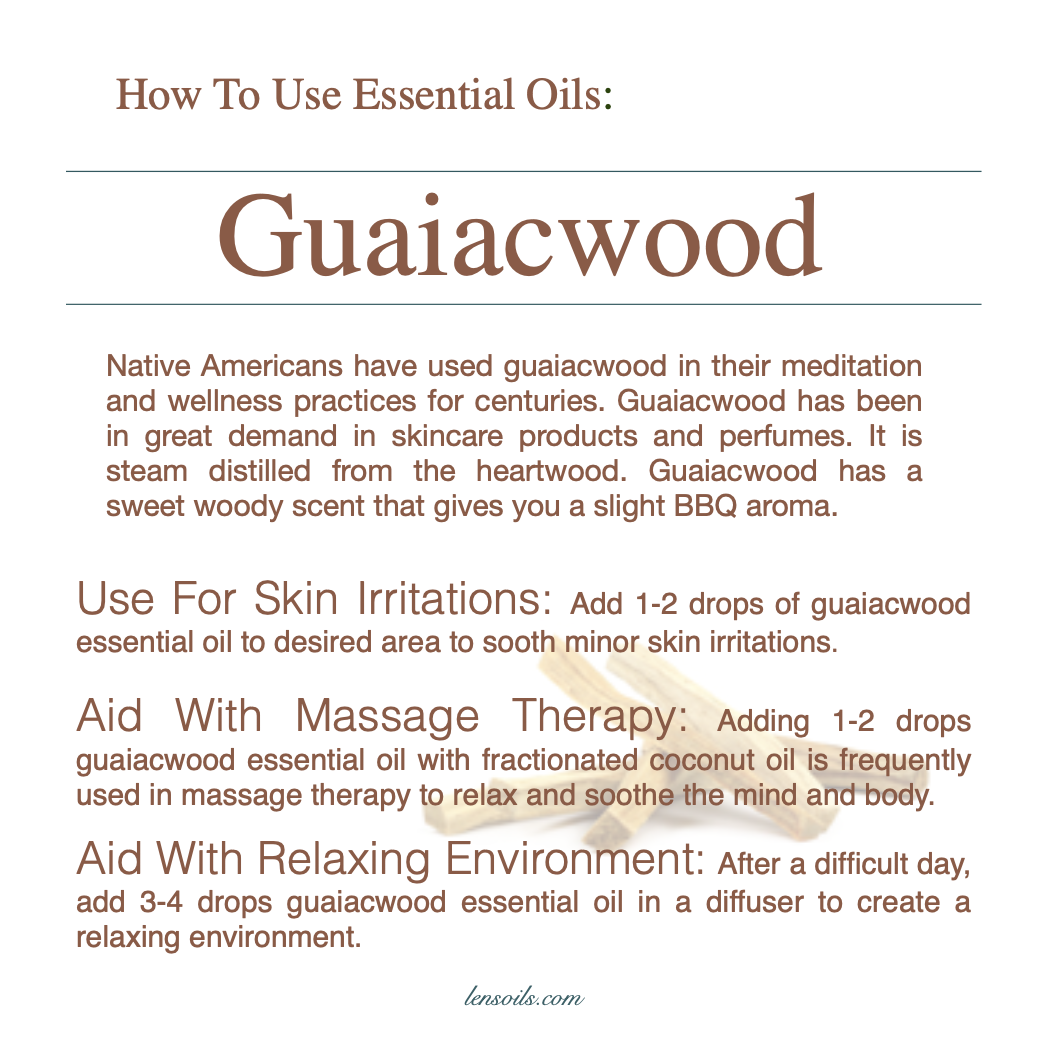
Guaiacwood essential oil has a long history of use, especially among Native American cultures that valued it for meditation and wellness practices. Steam distilled from the heartwood, this oil carries a rich, sweet, woody aroma with a subtle smoky note that many describe as gently reminiscent of a BBQ scent. Its grounding fragrance has also made it popular in perfumes and skincare products, where warmth and depth are desired.
In everyday use, guaiacwood essential oil is often chosen for its soothing qualities. When diluted and applied topically, it may help calm minor skin irritations. Blended with fractionated coconut oil, it is frequently used in massage therapy to promote relaxation of both the mind and body. Diffusing three to four drops after a long or stressful day can help create a calm, peaceful environment, making guaiacwood a comforting oil for winding down and restoring balance.
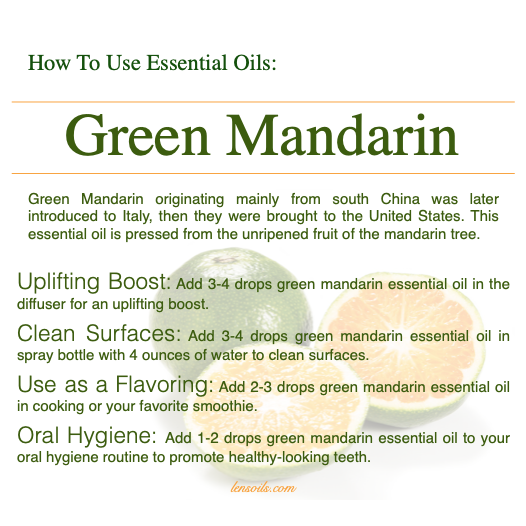
Green Mandarin essential oil is cold-pressed from the unripened fruit of the mandarin tree and has a fresh, slightly sweet citrus aroma that feels bright and cheerful. Originating in southern China, the mandarin tree later made its way to Italy and eventually to the United States, where it became valued for its gentle yet uplifting qualities. Diffusing three to four drops can provide an instant mood boost, helping create an environment that feels light, positive, and energized.
Beyond aromatherapy, Green Mandarin is a versatile oil for everyday use. Its naturally fresh scent makes it a pleasant addition to homemade surface cleaners when added to water in a spray bottle. The oil’s mild citrus flavor also works well in cooking or smoothies, adding a refreshing note to both sweet and savory recipes. Additionally, a drop or two can be incorporated into an oral hygiene routine to support healthy-looking teeth, making Green Mandarin a bright and practical oil for both wellness and home care.
Ten years ago, I was introduced to something that has transformed my life: essential oils. Yes I was a big skeptic about them at first, but I now use essential oils on a daily basis in every area of my home, and they have completely changed my life! My medicine cabinet has been completely transformed, and I am now empowered with the tools and knowledge to care for my family.
When I realized I could get free products AND create residual income? I got really excited! As a result, of my essential oil journey, and passion helping others, l’m ready to help you get started with your essential oil journey as well.
The best part about essential oils is that there is an option for everyone, whether you want to simply enjoy the products for yourself and transform your family’s health (and get free stuff in the process) OR you’re ready to build a team, create residual income, and get out of debt.
If any of these options sound appealing to you, let’s chat! ‘ll help you figure out which option will be the best fit for you, plus you can qualify for some awesome incentives in the process.
can’t wait to talk to you! love sharing essential oils
Please text Free Sample or call me at 801-661-4786 will be sure to get back to you as soon as possible.
Or
Send me an email at lfish64@lfish64 with the heading Free Sample It will be an honor to help you in any way that I can.
Or
Write a letter requesting a Free Sample to
Leonard Fish 5075 Rushton Acres Court West Valley City, Utah 84120
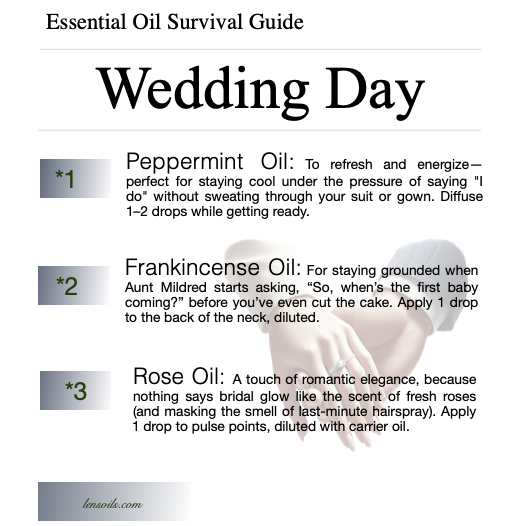
Weddings are beautiful, emotional, and just a little overwhelming all at once. Between the nerves, the questions, the timelines, and the unexpected moments, it helps to have simple tools that support calm, confidence, and connection. This Wedding Day Survival Guide isn’t about perfection—it’s about staying present, breathing through the chaos, and remembering why the day matters in the first place. When things feel rushed or emotional, a few steady scents can help you pause, smile, and step back into the moment you’ll remember forever.
It’s funny how we’ll casually buy a medication with a three-page side-effect list or spray a cleaner that says “use in a well-ventilated area while wearing gloves and possibly a hazmat suit” — no questions asked — but the moment someone mentions essential oils, suddenly we’re conducting a double-blind study, checking five medical journals, and calling a cousin who once took chemistry. Apparently, swallowing unpronounceable ingredients is fine, but a drop of lavender requires a PhD and a committee meeting.
Matthew 6:28–29 appears within a teaching where Jesus addresses ordinary people living with daily uncertainty. His audience included laborers, farmers, and families who worried about food, clothing, and survival. Clothing was costly, time-consuming to produce, and closely tied to security and dignity. When Jesus spoke about raiment, He was speaking directly to real anxieties, not abstract spiritual concerns.
To make His point, Jesus turned attention away from human effort and toward the natural world. The hillsides were filled with wildflowers that bloomed freely, without cultivation or labor. By contrasting these flowers with the grandeur of Solomon, He highlighted the difference between beauty produced through striving and beauty that simply exists by design. The message was not about rejecting responsibility, but about re-examining where trust and value truly come from.
Jesus draws attention to the lilies of the field—real, aromatic plants that people in Galilee saw, smelled, and touched every day. In the ancient world, flowers and herbs were not just visual decorations; they were closely tied to fragrance, medicine, and daily life. Many plants released natural aromas when crushed or warmed by the sun. By inviting people to consider the lilies, He was pointing to how God-designed plants grow, flourish, and express beauty without anxiety, manufacture, or force.
For this reason, the passage is often viewed as an essential-oil verse in principle. It reflects the idea that plants were created with inherent purpose, carrying beauty and function within them. Essential oils mirror this concept by concentrating what already exists in the plant rather than adding something artificial. The teaching ultimately invites trust, reminding readers that provision, care, and even restoration often come through receiving what has already been given to us in life.
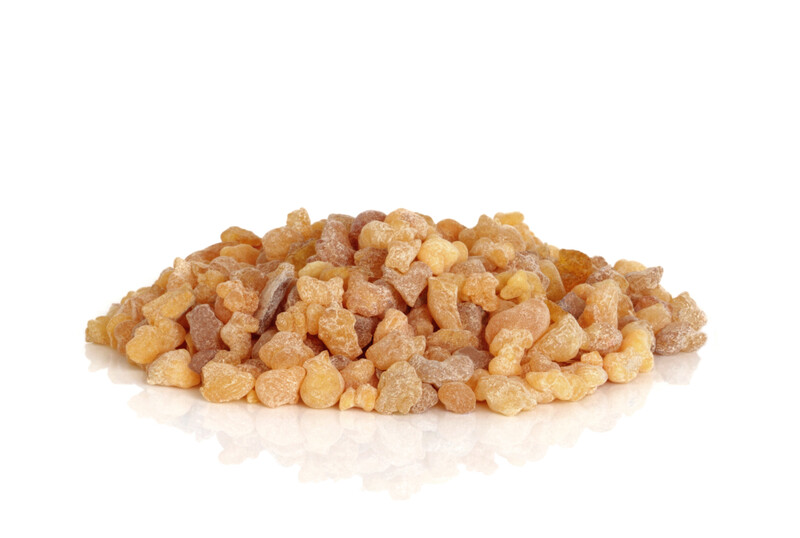
Long before labels, bottles, or written instructions, there was a desert tree growing where almost nothing else could survive. Its roots clung to rocky ground, and its branches bent under heat and wind. When the bark was gently cut, a milky sap slowly appeared. Time and sun hardened it into pale drops. People noticed the scent when it burned. They sensed its value long before they understood why it mattered so much.
These hardened drops began traveling farther than the trees ever could. Caravans carried them across deserts on camels, moving from village to city, from shore to shore. The journeys were dangerous and slow, but traders kept going. This substance was rare, slow to collect, and highly desired. Entire trade routes grew around it. Cities prospered because of it. Some even guarded its sources as carefully as treasure.
In ancient temples, the resin met fire and changed form. Smoke curled upward into high ceilings and open skies. In Babylon and Assyria, people believed that rising scent carried prayers to the heavens. The air felt calmer, quieter, more focused. The act of burning it marked moments as important. Over time, the scent itself became linked with reverence, reflection, and the feeling that something unseen was listening closely.
Farther west, in Egypt, the resin took on an even broader role. It was burned in temples but also blended into perfumes and skin salves. Egyptians valued it for both sacred ceremonies and daily care. It was used to honor life and prepare for death. This substance crossed boundaries few things could. It belonged to priests and families alike. What began in the desert became part of ordinary human routines.
Then came a quiet moment recorded in ancient writings. Travelers followed signs and brought gifts fit for someone believed to matter greatly. Among those offerings was this resin, chosen not for wealth alone but for meaning. It symbolized honor and reverence. Even then, it was already ancient. That single moment did not begin its story, but it confirmed its importance. History had already tested it. Belief simply gave it another chapter.
Centuries passed. Empires faded. New tools and medicines appeared. Yet the resin remained. People continued using it in traditional healing practices, observing how it affected skin, breath, and calm. Healers shared what they noticed, passing knowledge through generations. Though explanations changed, the experience stayed familiar. It was never rushed or dramatic. It worked quietly, slowly, and steadily, earning trust over time.
In modern life, long days still leave marks on the body. Hands grow sore from work. Muscles tighten. When a drop of this ancient substance is warmed between the palms, its scent feels grounding. People notice their breathing slow. The warmth is gentle, not sharp. It does not promise miracles. Instead, it offers comfort. The body seems to recognize it, as if remembering something very old.
Evenings bring their own weight. Tired feet meet the floor carrying worry from the day. A small ritual, low and simple, helps invite rest. Applied carefully, the substance becomes part of quiet routines. Skin, marked by time, receives gentle care. Inside, the body continues its unseen work. Nothing flashy happens. Yet many people return to it again and again, drawn by its steady presence.
What makes this resin remarkable is not just how it is used, but how long it has endured. Few natural substances connect ancient deserts, sacred spaces, and modern homes so smoothly. It never demanded belief. It never chased attention. It stayed useful by being consistent. In a changing world, it invites slowing down, breathing deeply, and valuing simple, lasting support.
Only now does the name step forward, having waited thousands of years to be spoken. The same desert resin carried across trade routes, burned in temples, and used in quiet routines was also placed in the hands of travelers who knelt beside a baby lying in a manger. That gift was this very substance. Its name is frankincense. It still warms, still calms, and still carries history in every drop. And now you know the rest of the story.
In Matthew 23, Jesus is speaking publicly in Jerusalem during the final week before His arrest. He is addressing the crowds and His disciples, but His words are aimed directly at the religious leaders of the time—the scribes and Pharisees. These men were highly respected for their knowledge of the Law of Moses and for their strict outward obedience. They were known for carefully following detailed religious rules, especially those that could be seen and measured, such as fasting, public prayer, and tithing even the smallest household herbs.
The specific mention of mint, anise, and cumin reflects how far this attention to detail had gone. These were common garden spices, inexpensive and small, yet the Pharisees meticulously counted and tithed them to demonstrate obedience. While this practice was not wrong in itself, Jesus pointed out that their focus on minor regulations had come at the expense of far more important responsibilities—justice toward others, mercy for those in need, and faithfulness of heart. In other words, they were keeping the letter of the law while neglecting its spirit.
Jesus’ rebuke was not a rejection of discipline or obedience, but a call for balance and integrity. He acknowledged that careful practices had their place, but insisted they should never replace compassion, fairness, and genuine devotion. Matthew 23:23 exposes a deeper problem: religious performance without transformed character. It serves as a warning that devotion measured only by outward acts can miss the very heart of what God desires.
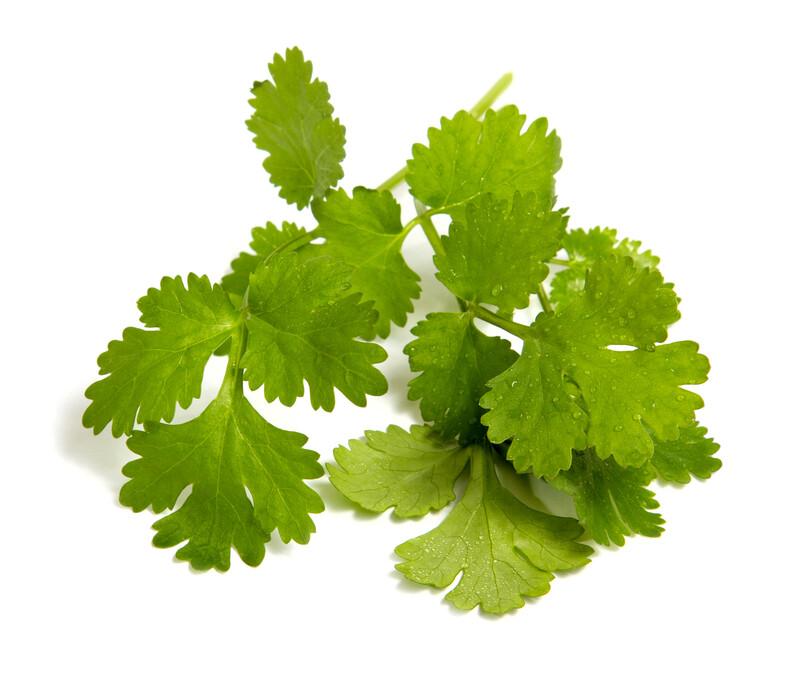
Cilantro carries wisdom from kitchens long ago, A green, bright note that helps the body flow. It settles the stomach, clears what weighs you down, A quiet cleanser wearing nature’s crown.
A single drop, a toothpick’s gentle trace, Turns simple meals into a brighter place. Too much can shout, but just a hint will sing, Small touches do a powerful thing.
After a feast that lingered just too long, Cilantro steps in, calm and strong. Mixed with water, steady and light, It helps digestion find its rhythm right.
Tucked in a veggie cap, simple and clean, It supports release, restores the in-between. Letting the body gently let go, Of what it carried longer than it should know.
In the diffuser, fresh and green, Paired with lime, crisp and keen. An herbal breeze fills open air, Clearing the mind with mindful care.
Cilantro reminds us, soft but true, That healing often comes in what we chew. Ancient, humble, quietly wise, A leafy ally in fragrant disguise.




 Len's Oils