Tag Archives: doTerra

Forest of Strength and The Rest of the Story

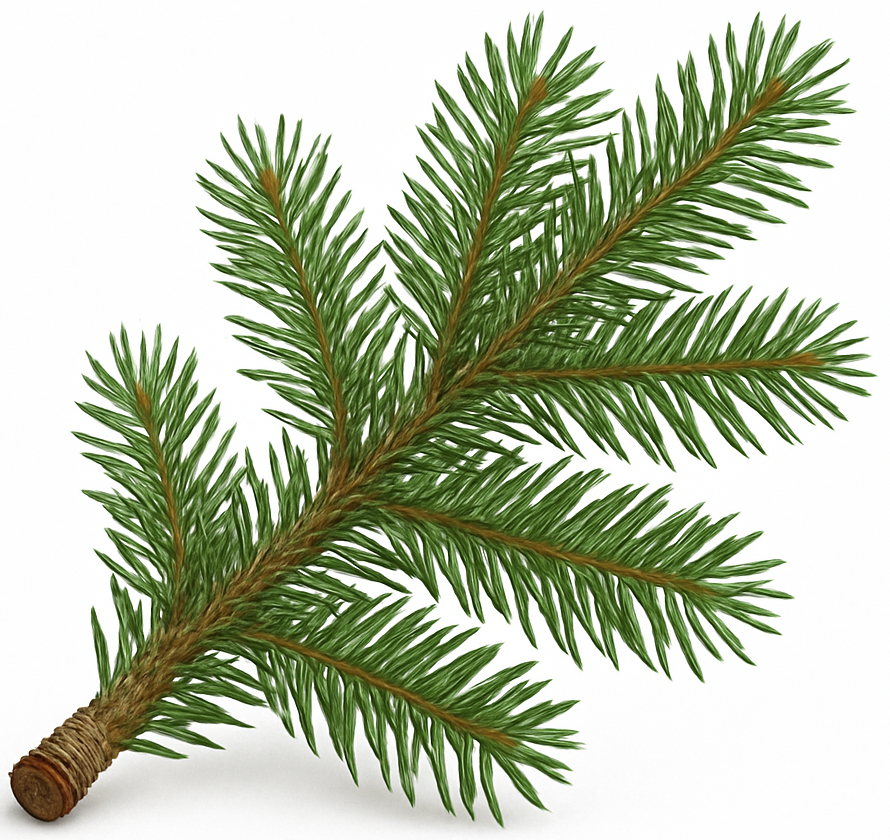
It began high in the misty mountains, where towering evergreens pierced the clouds and the air always seemed a little lighter. These trees stood like guardians of the land, their scent riding the breeze long before footsteps touched the trail. Long ago, Indigenous communities in the Pacific Northwest made good use of them. The twigs were added to steam baths. The sap was applied with care. The needles were brewed into tea. And though no one wrote it down at the time, the knowledge passed from hand to hand, heart to heart. They didn’t need proof. They just knew.

Early settlers learned from what they saw and felt. After chopping wood or hunting game, they noticed how the forest seemed to restore something in them. A fresh bundle of needles in the cabin could clear the air. The resin, rubbed into sore muscles, seemed to ease tension. In winter, a hot drink steeped from green needles wasn’t just comforting—it felt necessary. People came to trust the tree, even before they knew its name.

Only in more recent times did anyone stop to measure what had always been felt. Scientists began taking a closer look at what made the scent so uplifting and the forest air feel so restorative. They found natural compounds in the oil that gave it a crisp, clean, slightly citrusy aroma. The same compounds showed promise in lab tests for keeping surfaces clean and lifting the mood during a foggy afternoon. But most people didn’t need the data. They’d already been using it for years.

In forested valleys, the practice continues. Harvesters still clip needles and twigs by hand, often in the early morning when the trees are still damp with mountain dew. Timing matters. So does care. A slight change in season or elevation can alter the character of the oil. That’s why those who value it most partner directly with growers who understand the land. One such company, doTERRA, has made it their mission to work with forest stewards—preserving the integrity of the process, supporting communities, and protecting the wild stands that have given so generously.

The tall tree with soft green needles and a bright, woodsy scent has long helped people breathe easier, feel more grounded, and reconnect with the calm of the forest. And that name? It didn’t come from the people who lived under its shade for centuries. It came later, in 1825, when a young Scottish botanist named David Douglas traveled across North America on behalf of the Royal Horticultural Society. Among many plants he documented, this towering conifer stood out—and so the tree was named in his honor. This tree is Douglas Fir. Now you know the rest of the story

The Rest Of The Story: Whisper in the Woods

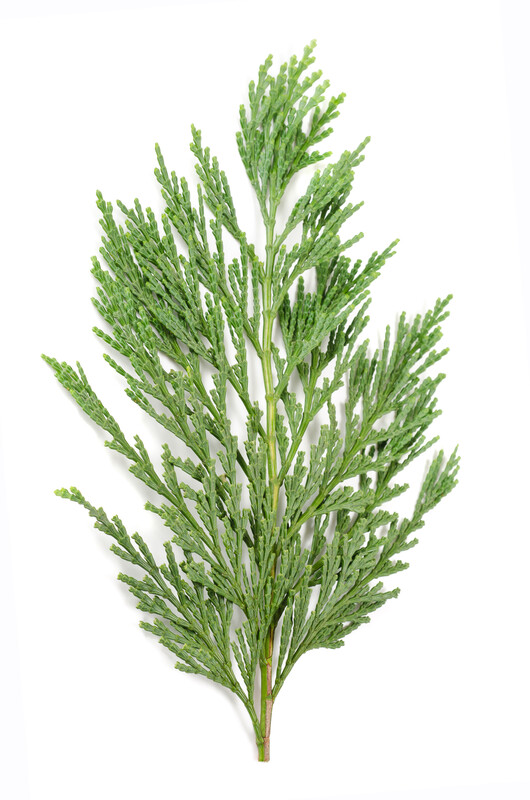
It started in forests older than most nations, where evergreen giants stood watch over hillsides bathed in sun and wind. The trees didn’t shout, they whispered—through the fragrance of resin, the rustle of boughs, and the cool clarity of air after rainfall. People lingered beneath their branches, not knowing the science, only the feeling. Something in that clean, woodsy scent seemed to quiet the noise inside.

For generations, these trees played a role in daily life. Their wood was used for ships and temples. Their twigs were burned in ceremonies to purify the air. Their leaves were crushed and steeped into homemade brews. The stories said it helped when lungs were heavy, joints were stiff, or minds were restless. Traditions were built around them, and yet no one quite knew why they worked—they just did.

Eventually, researchers caught up. Modern testing found that the oil from this tree’s branches and needles held antioxidant properties and antimicrobial potential, especially against certain strains of bacteria. Some studies observed relaxation effects from inhaling its vapors—measurable shifts in heart rate variability and parasympathetic response. Compounds like α-pinene, cedrol, and limonene began to appear regularly in scientific journals. The mystery, once kept by folklore, had begun to meet the microscope.

In distillation houses tucked within Mediterranean hills and temperate groves, harvesters continue to gather the leaves and twigs by hand. Timing still matters. So does patience. The chemistry of the oil depends not only on the soil and weather, but also on the shape of the still itself. In places where tradition meets precision, doTERRA has formed trusted partnerships that help preserve this careful process—supporting farmers, protecting forests, and ensuring that what reaches the bottle reflects the wisdom of both nature and nurture.

And in those groves, that story continues. It’s not mass production. It’s stewardship. It’s the art of distilling history one drop at a time. And now you know the rest of the story—the ancient tree whose oil helps clear the air, calm the breath, and sharpen the mind. You’ve likely smelled it in a diffuser or perhaps blended it with another oil, not realizing its roots trace back thousands of years. You may know the tree by its modern name: Cypress. Its story began in stillness. And even now, it continues to speak softly.

A Seed of Secrets and The Rest of the Story

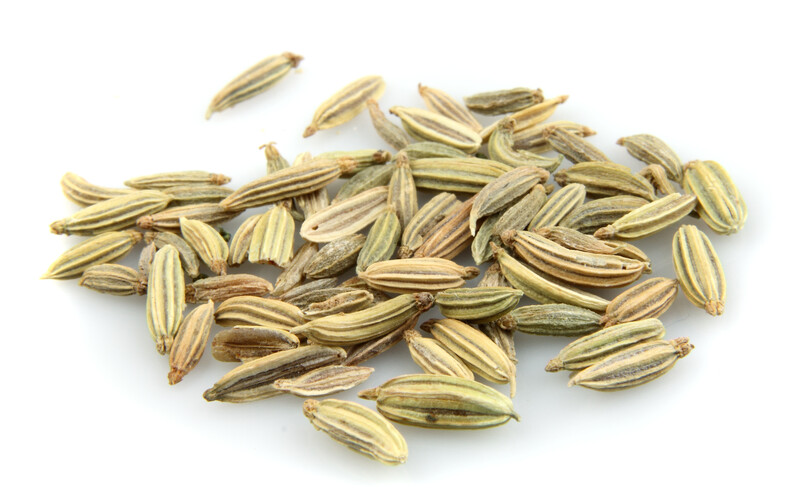
It began in silence — tucked away in tombs beneath the Egyptian sands. Not gold, not frankincense, not even papyrus, but something far humbler: a handful of small, round seeds. These seeds were placed with care beside royalty, not as decoration but as preservation, perhaps even protection. The ancients didn’t have journals full of reasons. They simply knew, as if by instinct, that this seed mattered.

As empires rose and fell, that same seed followed quietly. The Greeks gave it a name. The Romans gave it a recipe. Centuries later, it wandered its way into Eastern Europe, the Middle East, India, and Latin America — adapted in cuisines, stories, and old-world traditions. It was found in market stalls and temple incense, boiled in broths and ground into spice blends. A plant with two distinct gifts: leaf above, seed below. And somehow, both found their place in medicine and mealtime alike.

But it wasn’t until recently that science began to catch up. In laboratory settings, researchers discovered this seed’s essential oil had noteworthy properties. Studies revealed its natural compounds showed antioxidant potential, helping neutralize unstable molecules in controlled environments. Other research observed antimicrobial effects, where the oil inhibited the growth of certain bacteria and fungi on contact. In preclinical models, some scientists even noted a calming influence on mood and behavior — an observation that sparked further study into its aromatic compounds.

At Texas A&M and institutions abroad, researchers explored its bioactive profile, breaking down terpenes and alcohols like linalool and α-pinene — compounds already known for their presence in some of the world’s most calming botanicals. These were not claims for healing, but they were clues, patterns, echoes of what traditional cultures had always believed: that this tiny seed had something more to offer than just flavor.

Today, thanks to careful sourcing programs — like those supported by doTERRA’s Co-Impact Sourcing® — this plant continues its journey. It grows in nutrient-rich soil, harvested by hands that understand patience, distilled into oil by people who respect the process. It’s not mass produced. It’s crafted. And with every drop, there’s a whisper of history, a reminder that the old world may have known a few things we’re just beginning to rediscover.

And now you know the rest of the story. You’ve known it in the kitchen, tasted it in meals, and perhaps even seen its green leafy cousin on your dinner plate. But the seed — the golden round one that yields a complex, peppery oil — has another name. You may call it cilantro when it’s fresh and leafy. Or coriander when it’s round, dry, and full of mystery. Either way, its story isn’t over. Not even close.

Head Over Heals About Helichrysum

Image


Helichrysum essential oil has a very distinct smell. When I was new to using essential oils, I was like the kid in the candy store seeing what each oil smelled like. I remember going over to Chelsi and James Stevens home where I noticed the Holy Grail of essential oils “the box” a beautiful wooden box with dōTERRA engraved on top. This wonderful symbol of health had every oil dōTERRA makes in one place.

The search was over. No more longing for the day when I could personally experience the scent of dozens of pure essential oils. I eagerly opened each bottle with excitement taking in the aroma of each oil. White pine essential oil smelled just like I was in the mountains, while lemon essential oil smelled like a freshly squeezed lemon just before adding sugar and water for lemonade, while pure peppermint essential oil has a powerful scent.

Helichrysum essential oil is not what I expected. It has a strong odor that grows on you. I am surprised at how powerful the oil from this flower is when used on cuts and scrapes. dōTERRA spares no expense to get the highest quality oils sourced from where they are grown indigenously. Helichrysum is no exception, as it is grown in Corsica, in eastern Europe.

Several months ago I cut my right hand. I forgot about the cut until 4 days later when I cut my left hand in almost the identical same spot. I decided to do an experiment. On my most recent wound (my left hand) I put helichrysum essential oil, the other wound on my right hand I did nothing. After two weeks you could not tell where the wound was on my left hand. The right hand was still scabbed up.

Every time I use essential oils, I am no longer surprised at how quickly and effective essential oils work. I like to remind myself that modern medicine has been around for a relatively short period of time with side effects. Essential oils on the other hand have been around since the beginning of time with no side effects. I will choose natures medicine first over modern medicine every time for healing.

Festive Black Bean Salsa

Festive Black Bean Salsa

Image

1 (15oz) can Black Beans drained

1 (15oz) can Corn

1 (10oz) can Ro-Tel original diced tomatoes and green chilies

1 (10oz) can Ro-Tel mild diced tomatoes and green chilies

1 medium Avocado peeled and diced

1 Jalapeno seeded and diced

1 small red onion chopped

1 toothpick dipped in Cilantro Essential Oil then mixed into salsa. (1 drop is to much)

or 1/2 cup fresh Cilantro chopped.

3 drops Lime Essential Oil

1 (.6oz) packet of dry Italian salad dressing mix

Mix together and chill. Serve with tortilla chips.

A Reflection of my Past

Leonard Fish age 11Several years ago, almost in another lifetime, when I was 11 going on 12. I was on top of the world. I was in sixth grade. This is a pivotal year in school. I was finally king of the school. I had arrived at the top of the food chain as far as kids my age were thinking. I never was a cocky, arrogant, kid wanting to show how big I was to the other younger kids. I was a little awkward socially, never feeling like I really fit in.

One thing everyone had to do in sixth grade was learn how to dance. I remember having a dance teacher that came to our school once a week for a couple of months. After we learned how to waltz we had a school dance where we had to fill out a dance card, asking girls to dance. It was very painful getting 10 different girls to dance with me to fill up my dance card.

When we started learning how to square dance I loved it, except when I was dancing with Wendy Ryan, one of the most popular girls in the school. Her hands were very sweaty. What I liked best was I didn’t have to ask a girl to dance with me. We were just paired up which made it a lot less stressful. For the rest of the story Click Here.

Bergamont Essential Oil – Unveiling It’s Past

Bergamot essential oil has that little interesting past like every other essential oil has…Bergamot oil does many benefits to us and our body parts we precisely value most…

Although a native of tropical Asia, Bergamot (Citrus bergamia) is now extensively cultivated in the Southern part of Italy, particularly in the Calabria region. It also takes its name from an Italian city, that of Bergamot in Lombardy, where the essential oil was originally sold. The Italians have used Bergamot in folk medicine for years, in particular for fevers.

Recent Italian research has shown that Bergamot essential oil has a wide variety of uses in aromatherapy application; it is useful for respiratory problems, skin diseases, mouth and urinary tract infections. It has been used since the sixteenth century as a remedy for fever and as an antiseptic. It is also renowned for being used as the flavoring in Earl Grey Tea.

Bergamot essential oil is obtained from the cold expression of the peel of nearly ripe fruit of the Bergamot tree. The small fruit tree is a characteristic of the southern Italian landscape; its small, round fruit is very bitter and is inedible when raw. The fruit looks like a miniature orange. The essential oil obtained from the fruit of the Bergamot tree has a citrus-like aroma but also a spicy undertone.

A primary component of the fragrant eau-de-cologne, Bergamot oil also has a number of therapeutic uses in aromatherapy. It has a high content of the chemicals esters and alcohols, making it a gentle oil to use. Bergamot oil is useful for digestive difficulties, stress, infectious wounds, as an insect repellent and for cystitis. It is

▪ Analgesic

▪ Stimulant

▪ Diuretic

▪ Antiseptic

▪ Antidepressant

▪ Deodorant

▪ Tonic

Bergamot is known to be one of the most photo toxic essential oils and for this reason should be used with care in sunlight, hot climates and with other ultraviolet light. Photo sensitivity is caused by the presence of furocoumarins, most notably Bergapten, in this particular essential oil. Apart from this factor, Bergamot is considered to be a relatively non-toxic and non-irritant essential oil.