Green Mandarin brings a soft, happy brightness to these blends that feels joyful without being overstimulating. Joyful Balance is gently uplifting and emotionally steady, with green mandarin smoothing the florals and resins into a calm, optimistic mood. Fresh Start leans clean and energizing, where its sweet citrus keeps peppermint and eucalyptus feeling refreshing instead of sharp. Quiet Sunset is especially soothing, blending green mandarin’s warmth with chamomile and woods for a peaceful, end-of-day exhale. And Gentle Joy lives up to its name, using green mandarin as a tender emotional lift that feels comforting, balanced, and easy to breathe into.
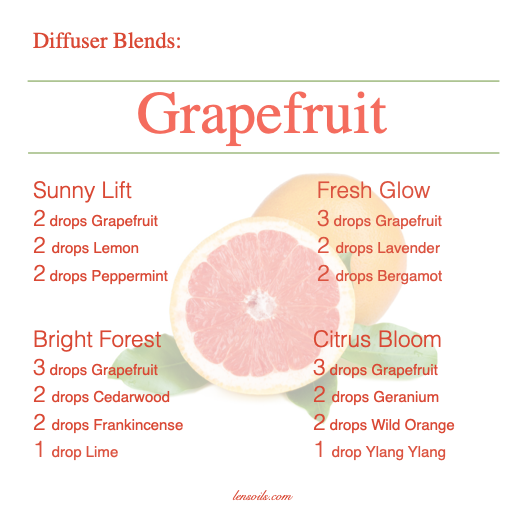
Grapefruit diffuser blends are loved for their bright, sparkling aroma that instantly uplifts the mood. With its sweet yet tangy citrus notes, grapefruit pairs beautifully with peppermint or spearmint to create an energizing, refreshing environment. Blended with floral oils like geranium or lavender, it softens into a cheerful yet calming fragrance that supports relaxation without losing its lively spark. Many enjoy grapefruit blends for starting the day with positivity and lightness.
When combined with grounding oils such as frankincense or cedarwood, grapefruit develops a richer character that balances energy with focus. Mixed with other citrus oils like lemon or bergamot, it enhances the sense of freshness and joy, turning an ordinary room into a vibrant space. Whether you want a burst of morning energy, a mood lift in the afternoon, or a gentle pick-me-up in the evening, grapefruit diffuser blends create an atmosphere that feels both bright and balanced.
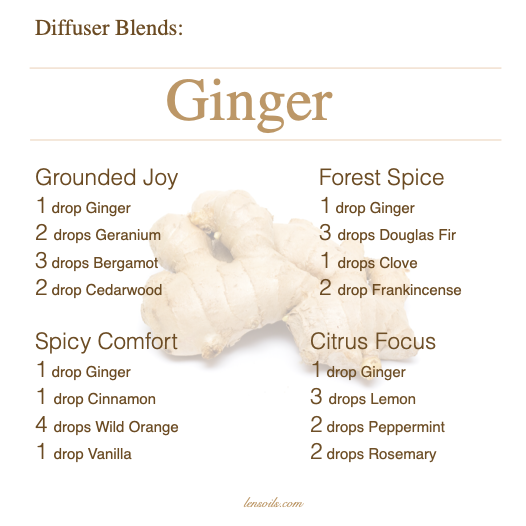
Ginger adds a warm, steady pulse to these blends, bringing both comfort and quiet motivation without stealing the spotlight. Grounded Joy feels balanced and emotionally lifting, where ginger gently anchors the florals and citrus, while Spicy Comfort is cozy and reassuring, like warmth spreading from the inside out. Forest Spice is especially grounding, blending ginger’s gentle heat with deep woods and resin to create a calm, reflective atmosphere. And Citrus Focus shows ginger’s energizing side, smoothing the sharper edges of lemon, peppermint, and rosemary so the blend feels clear, focused, and sustained rather than rushed.
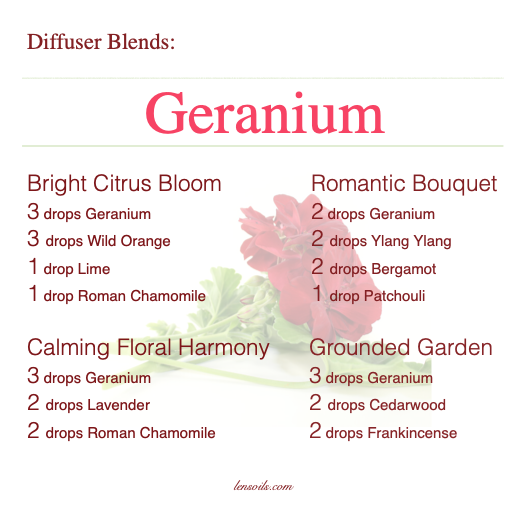
Geranium diffuser blends carry a fragrance that feels both comforting and inspiring, wrapping the room in a sweet floral scent with a hint of fresh herbs. This oil is known for balancing emotions, easing tension, and lifting the spirit on a cloudy day. Blended with calming oils like lavender or chamomile, it softens stress and encourages peace. With grounding partners such as cedarwood or frankincense, geranium creates a steady, focused atmosphere.
When paired with citrus oils like orange or lemon, geranium brings a burst of brightness that clears away heaviness and refreshes the air. In romantic mixes, it blends smoothly with jasmine or ylang ylang, adding warmth and connection. Many describe its aroma as heart-lifting and joyful, turning simple moments into special ones. Whether for rest, energy, or cheer, geranium blends make the air feel alive and welcoming.
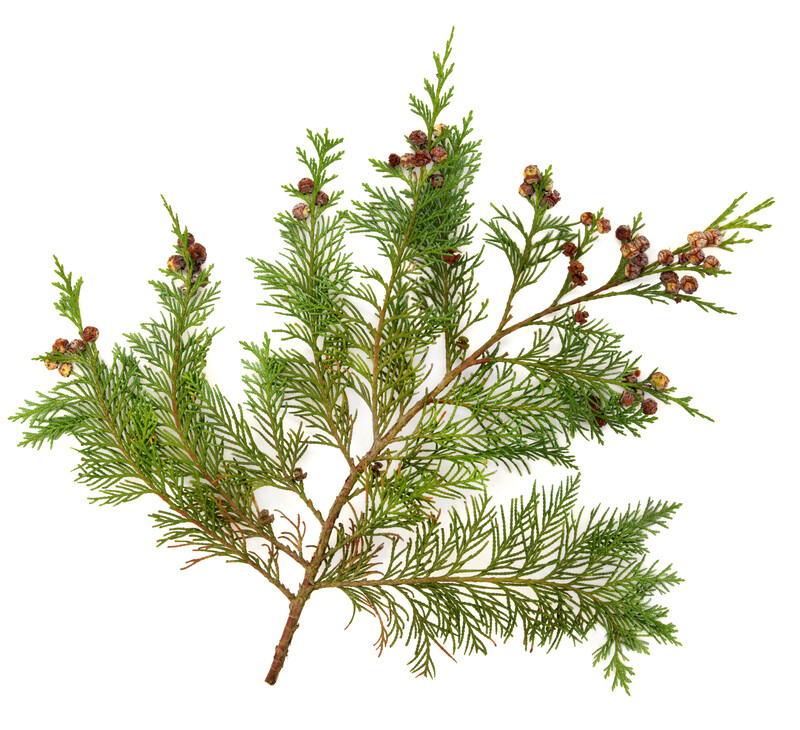
Cedarwood (Cedrus spp.) is a towering evergreen tree native to cold climates, thriving in high altitudes and reaching heights of up to 100 feet. Known for its durability and resilience, cedarwood has been used throughout history in construction, medicine, and spiritual practices. The essential oil, derived from the wood of the tree, carries a rich, grounding aroma that promotes a sense of wellness and vitality. In skincare, adding 1-2 drops of cedarwood essential oil to a facial routine may help promote clear and balanced skin due to its purifying and astringent properties. Additionally, cedarwood is widely used in massage therapy, where 3-4 drops blended with fractionated coconut oilcan provide a calming and muscle-relaxing effect. While historical and anecdotal evidence support these uses, more scientific research is needed to confirm its full range of skin-enhancing and muscle-soothing benefits.
Beyond personal care, cedarwood essential oil is commonly used in aromatherapy to promote relaxation and emotional balance. Adding 3-4 drops to a diffuser can help create a calming environment, particularly after a stressful day. Cedarwood is also known for its insect-repellent properties—placing a drop on a cotton ball and leaving it in a closet may help keep moths at bay. This traditional use is supported by the presence of sesquiterpenes and cedrol, compounds that may have natural insect-deterring effects. However, while cedarwood has been traditionally used as a natural moth repellent, scientific studies on its effectiveness compared to chemical alternatives are still ongoing.
In addition to its well-known uses, cedarwood essential oil has been explored for its potential role in improving sleep quality. Some research suggests that cedrol, a primary component in cedarwood, may have mild sedative effects, which could help support relaxation and restful sleep. Many individuals use cedarwood oil in nighttime diffuser blends or apply a diluted amount to pulse points before bed to encourage a sense of calm. While early findings are promising, more clinical research is needed to confirm its direct impact on sleep disorders or long-term sleep improvement. Regardless, cedarwood essential oil remains a versatile and widely used natural remedy, valued for its aromatic, therapeutic, and protective benefits.
Essential oils can be a natural and effective way to support your pet’s well-being when used safely and correctly. A calming spray made with diluted lavender or chamomile oil can help ease anxiety in pets, especially during stressful situations like thunderstorms or travel. Lightly misting your pet’s bedding or crate can create a soothing environment that promotes relaxation. These gentle essential oils are known for their calming properties and can help pets feel more at ease in unfamiliar or high-stress situations.
For pet owners looking to protect their furry friends from pests, a natural flea and tick repellent can be made by blending cedarwood and lemongrass essential oils with a carrier oil. Applying a small amount of this mixture to a pet’s collar or bandana can help keep insects away without the use of harsh chemicals. Additionally, dry and cracked paw pads can be soothed with a homemade paw balm made from frankincense or myrrh essential oils combined with coconut oil and shea butter. This nourishing balm helps restore moisture and protect a pet’s paws from rough surfaces and extreme weather conditions.
Beyond these specific uses, pet owners should always be cautious when introducing essential oils to their animals. Some oils, such as tea tree oil for dogs and citrus oils for cats, can be toxic and should be avoided. Essential oils should always be properly diluted, and it’s best to consult a veterinarian before using them on or around pets, especially if the pet has pre-existing health conditions. Observing how a pet reacts to an essential oil and adjusting usage accordingly ensures their safety and comfort while benefiting from natural remedies.
Isaiah 41:19 is a beautiful verse where God promises to transform the wilderness into a flourishing land by planting various trees, including cedar, acacia (shittah tree), myrtle, the oil tree (possibly the olive tree), fir, pine, and box tree. This passage is part of a larger prophecy where God reassures His people that He will provide, restore, and renew even the most barren and lifeless places. In a spiritual sense, this symbolizes God’s ability to bring life, hope, and abundance to those who feel lost or dry in their faith. Just as trees provide shade, shelter, and resources, God provides strength, guidance, and blessings to His people.
This verse also has a strong connection to essential oils, as many of the trees mentioned produce valuable oils used for healing, anointing, and purification. For example, cedarwood oil was used in biblical times for purification and protecting against disease, while myrtle oil was known for its uplifting and cleansing properties. The oil tree likely refers to the olive tree, which produced olive oil—a sacred and essential substance in biblical times, used for anointing, cooking, and healing. These trees not only represent physical blessings but also symbolize spiritual nourishment and restoration that God provides.
For us today, Isaiah 41:19 reminds us that God is capable of bringing life and renewal even in the driest and most desolate places—whether in the land, in our lives, or in our hearts. Just as the trees in this verse provide essential oils and resources for healing, God’s presence in our lives brings spiritual healing, strength, and restoration. This verse is a promise that God can turn struggles into blessings, weakness into strength, and emptiness into abundance when we trust in Him.
Cypress essential oil, with its fresh, woody, and slightly evergreen aroma, is a versatile addition to any diffuser blend. Known for its grounding and refreshing properties, Cypress pairs beautifully with other woodsy oils like Cedarwood, Black Spruce, and Juniper Berry to create blends that evoke the calm of a forest. Its crisp scent also blends seamlessly with citrus oils such as Lemon, Bergamot, and Grapefruit, adding a bright and uplifting touch. For a soothing and balanced aroma, try combining Cypress with floral oils like Lavender or Geranium. Whether you’re looking to create an invigorating outdoor-inspired blend, like pairing Cypress with Peppermint and Tea Tree, or a calming retreat with Cypress and Sandalwood, this essential oil enhances a variety of aromatic combinations. It’s perfect for diffusing when you want to bring a sense of clarity, tranquility, or natural freshness into your space.





 Len's Oils