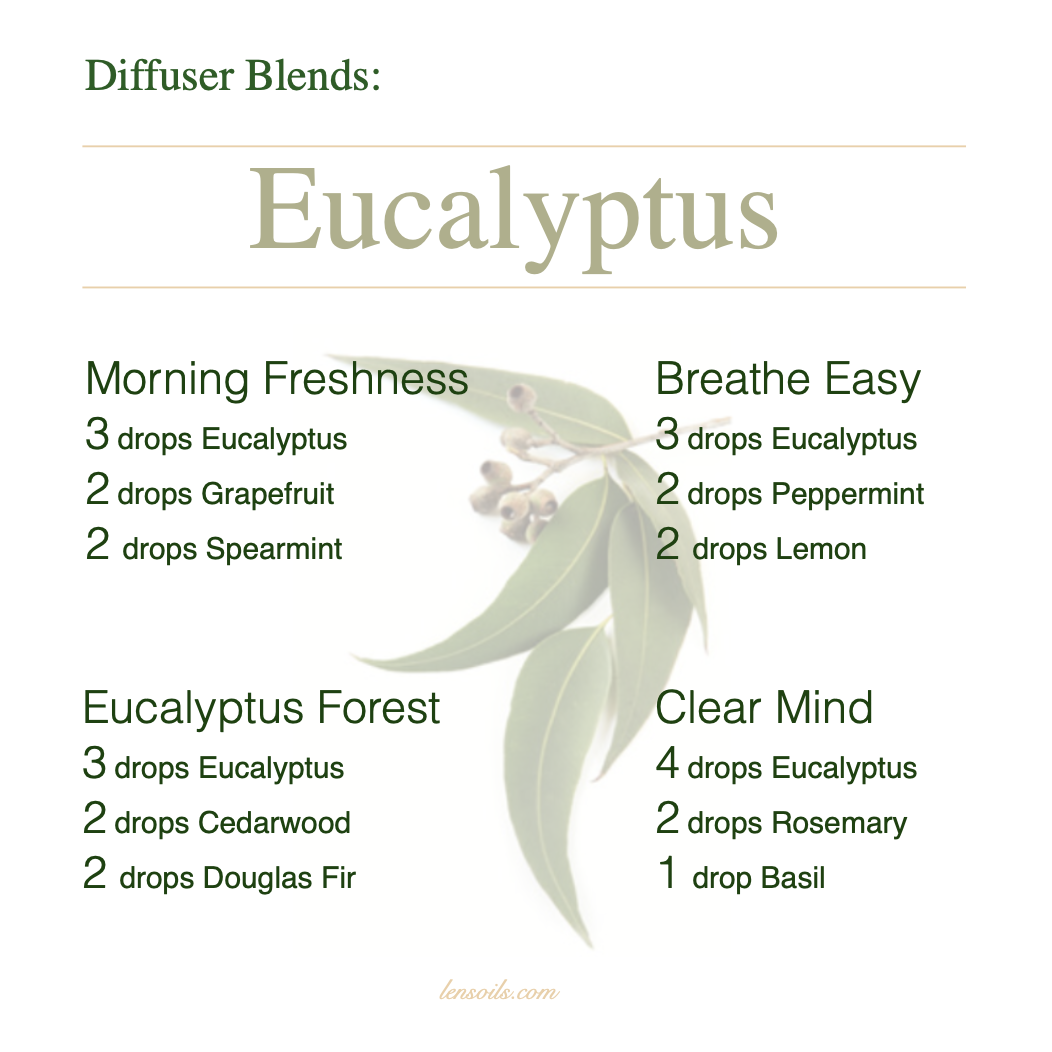
Eucalyptus diffuser blends are known for their crisp, invigorating aroma that clears the mind and refreshes the air. Often described as sharp and cooling, eucalyptus pairs well with peppermint or rosemary to support focus and mental clarity. Blended with citrus oils like lemon or grapefruit, it brightens the room and boosts energy. Many find its scent especially helpful during seasonal changes, creating a clean and open environment.
When combined with calming oils such as lavender or frankincense, eucalyptus takes on a more soothing character that eases tension and supports deep breathing. Its refreshing qualities can make any space feel like a breath of fresh air, encouraging both relaxation and vitality. Whether used for focus, energy, or comfort, eucalyptus blends bring balance by lifting the mood while keeping the atmosphere cool and clear.
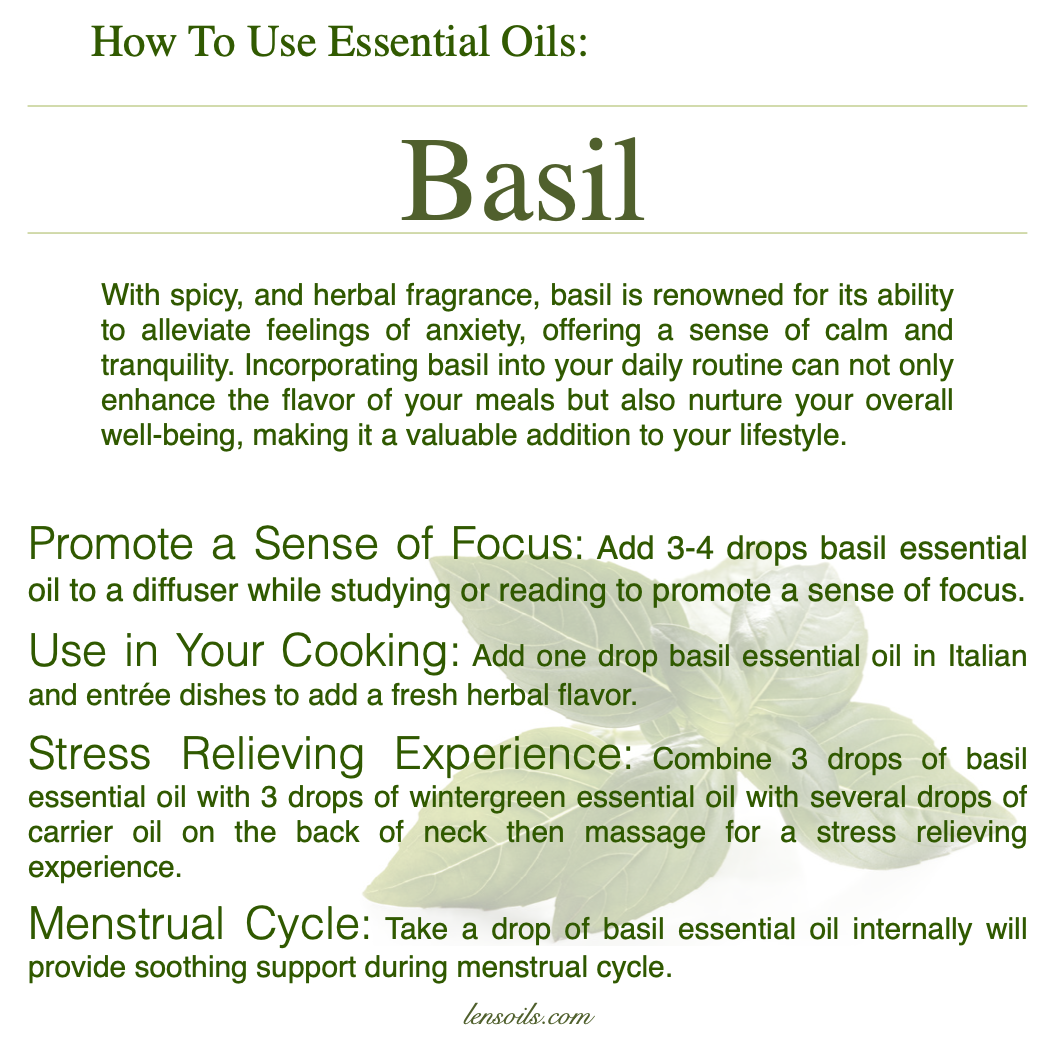
Basil essential oil, with its spicy and herbal fragrance, is well known for its calming properties. It is particularly effective in alleviating feelings of anxiety, promoting a sense of calm and tranquility. Incorporating basil into daily routines can provide both emotional and physical benefits, making it a valuable addition to self-care practices. Whether diffused for relaxation or applied topically for stress relief, basil oil can help enhance overall well-being while also offering its signature fresh scent.
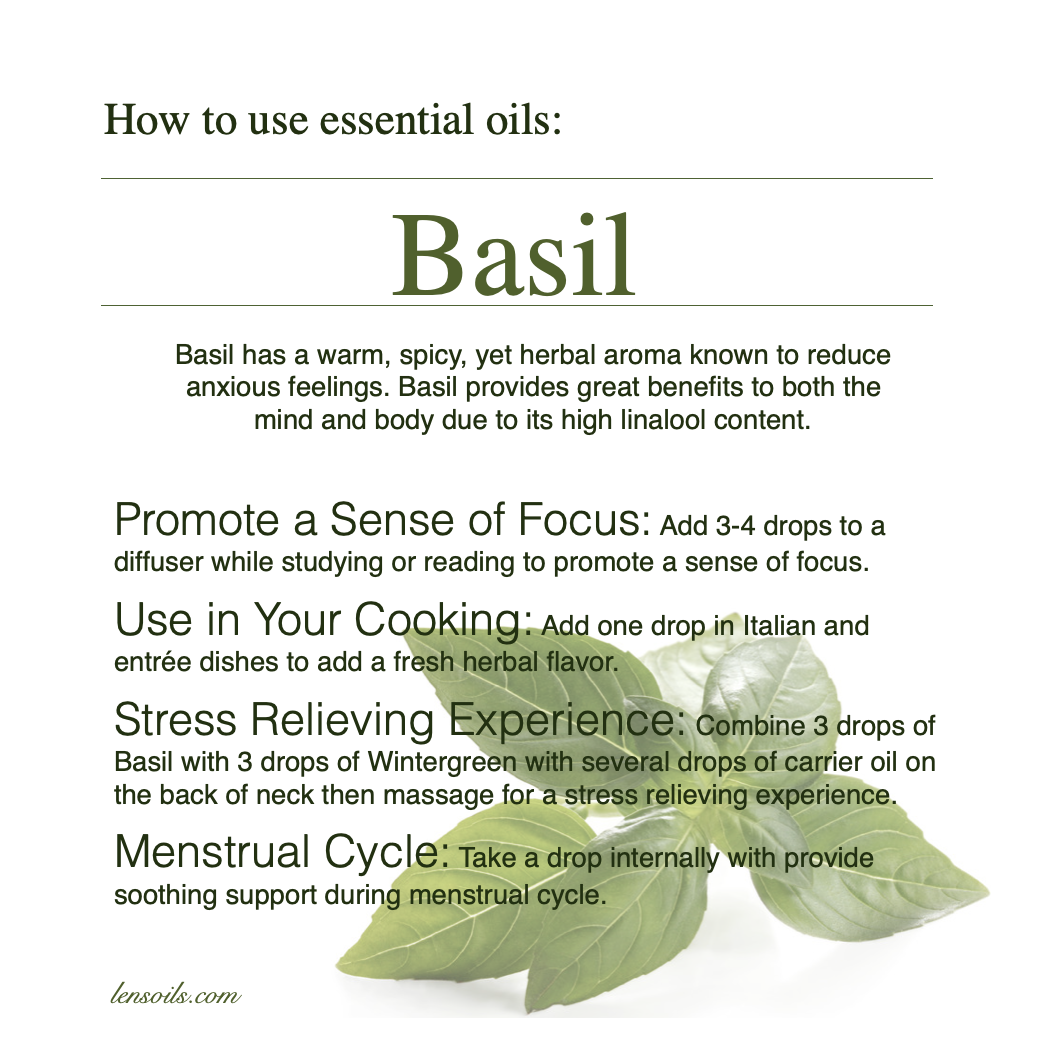
Beyond its calming effects, basil essential oil is widely used to promote focus and mental clarity. Adding 3-4 drops to a diffuser while studying or reading can create a stimulating environment that enhances concentration. In the kitchen, basil essential oil can bring a burst of fresh herbal flavor to Italian dishes, soups, and entrees. For stress relief, combining 3 drops of basil essential oil with 3 drops of wintergreen oil and a carrier oil can create a soothing neck massage blend. Additionally, taking a drop of basil essential oil internally may provide comfort and support during the menstrual cycle, helping to ease occasional discomfort.
Basil essential oil also offers benefits for respiratory health. When inhaled, it can help open airways and promote clearer breathing, making it useful for seasonal changes or congestion. One simple way to use basil oil for respiratory support is to add a few drops to a bowl of steaming water, cover the head with a towel, and inhale deeply. This method can help ease breathing discomfort and provide a refreshing, invigorating experience. With its diverse applications, basil essential oil is a versatile and beneficial oil for both wellness and culinary use.
Essential oils can create a warming sensation on the skin, but it’s important to remember that everyone experiences this feeling differently. What may feel mildly warm to one person could feel hot or even irritating to another. When using essential oils classified as “warm,” caution should be taken, especially for those with sensitive skin. If an oil accidentally gets into the eyes or mucous membranes, it can cause discomfort or a burning sensation. Always use proper dilution methods to prevent adverse reactions.
The 50/50 rule is a helpful guideline when using warm essential oils. This means mixing equal parts (5 drops) of a warm essential oil with a carrier oil (5 drops) before applying it to the skin. Proper dilution helps reduce the risk of irritation while still allowing the oil’s therapeutic benefits to take effect. Some warm oils, like peppermint, may feel cooling initially but can have a warming after-effect, while others, like black pepper or ginger, provide steady warmth upon application. For internal use, extra caution is needed, as some warm oils may cause discomfort if not properly diluted.
In addition to their warming properties, these essential oils offer a variety of benefits. Oils like basil, cardamom, and clary sage can support digestion, while eucalyptus and rosemary may help open airways for clearer breathing. Other oils such as ginger and wintergreen are commonly used to ease muscle tension and support circulation. Understanding how warm oils interact with the body allows for more effective and comfortable use in aromatherapy, skincare, and wellness routines.
Oh, fragrant basil, herb divine, With spicy notes and touch of thyme, You calm the storm, you ease the mind, A tranquil balm for humankind.
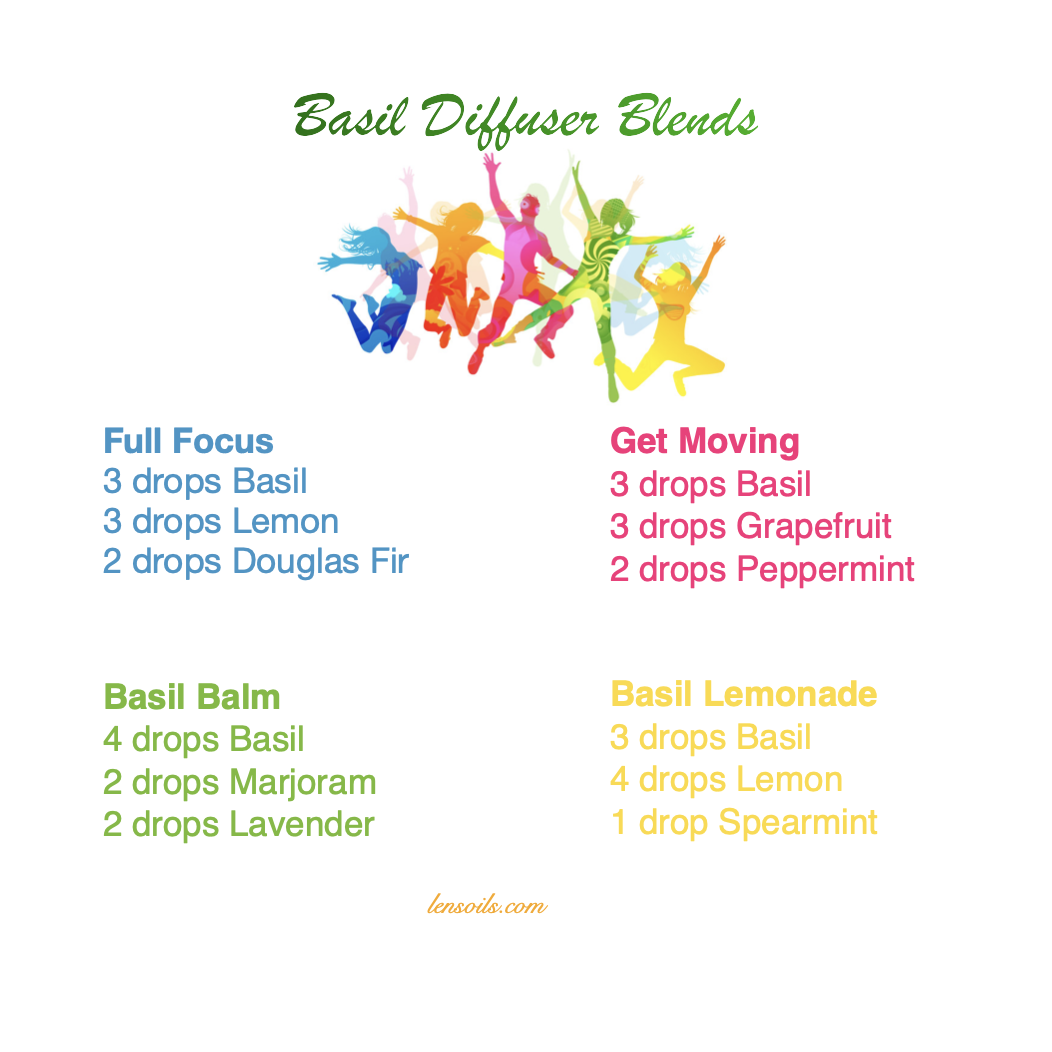
In a diffuser, your essence flows, Promoting focus as knowledge grows. While studying or reading through the night, You sharpen thoughts and bring delight.
In kitchens, you take center stage, A single drop on the culinary page, Transforming dishes, fresh and bright, A taste of gardens in every bite.
For weary souls, you’re a tender balm, With wintergreen, you restore the calm. A massage of oils, the stress will cease, Neck to shoulders, you bring sweet peace.
During cycles, you lend your grace, A soothing touch, a warm embrace. Internally taken, a drop will do, To steady and comfort the body anew.
Oh, basil, friend of both heart and plate, A gift from nature, so simple, so great. In every drop, a story untold, Of wellness, flavor, and courage bold.
Now, let me tell you a story that stretches back thousands of years, to a time when the world was just beginning to embrace the flavors of herbs. Some say it was around 5,000 years ago when people started to cultivate and cherish these plants, giving rise to an incredible variety of flavors. If you’ve ever tasted the delights of Italian cooking, you might recognize one particular herb that stands out among the rest.
This herb, a member of the mint family, shares its lineage with other renowned herbs like rosemary, sage, and lavender. Its scientific name, Ocimum basilicum, holds clues to its ancient origins. Legend has it that its name could be traced back to Greek mythology, to a tale of a valiant warrior named Ocimus. Some say that this herb sprang forth from the ground where Ocimus met his match in battle. Others believe the name comes from the Greek word “okimon,” meaning “fragrant” – a fitting description for an herb known for its aromatic qualities.
But what about the second part of its scientific name – basilicum? Ah, there are differing theories about this. Some suggest it’s a nod to the Greek word “basileus,” meaning “kingly.” Indeed, this herb has earned the title of the “king of herbs” or the “royal herb,” perhaps because of an ancient belief that it was first grown near the sacred cross of Christ. The Romans even had their own tales, calling it “basiliscus” in hopes that consuming it would ward off fearsome creatures like the basilisk.
Now, journey with me to ancient Greece, where it’s said that Alexander the Great introduced this herb to its shores. Here, this herb took on new meanings – symbols of love, eternal life, and protection in Hindu culture. Stories abound of its powers as a good luck charm, believed to bring wealth and safeguard against harm.
But it’s not just legend and folklore that make this herb remarkable. Extract its essential oil, and you’ll find a scent that invigorates the mind and eases tired muscles. And when consumed as part of a balanced diet, it lends support to our digestive and circulatory systems, contributing to overall well-being.
So, dear listener, the next time you savor its sweet, herbaceous flavor in your favorite dishes, remember the journey of this humble herb basil – from ancient myths to modern-day kitchens. Now you know the rest of the story.
Did you know basil is helpful for addiction recovery? It gives hope, and confidence to the tired soul. Basil is the essential oil of renewal, and supports those who are under a great deal of mental strain. Basil oil may strengthen the adrenals, and restore the body to its natural rhythms of sleep, activity, and rest. Basil in summary strongly implies to help those who are tired in mind, body, and for those in need of strength, and renewal.
Basil is contained in Hildegard’s Medicine Book. Hildegard of Bingen (1098-1179) was known as the first herbalist and naturopath of the middle ages. Her book documented over 12,000 remedies for symptoms and diseases. Some documented basil benefits, and uses are migraines, insect bites, throat/lung infections, mental fatigue, menstrual periods (scanty), hair (dandruff), aches and pains, insomnia, depression, anxiety, bronchitis, insect repellant (housefly and mosquito) and bites. Basil is amazing.
In Romania there is an old custom that if a boy accepts a sprig of basil from a girl, he is engaged to marry her. It is also tradition that basil was found growing around the tomb of Jesus. In medieval times it was thought that scorpions grew up under pots of basil. in most countries, basil is thought to be a royal herb. “Basil” in Greek, does mean “royal” or “kingly”. This may be because in many regions it was used in perfumes reserved for kings. Basil came to Massachusetts Bay Colony where it was introduced in 1621. From there its cultivation spread through the American Colonies. It has long been used to flavor food in the western world, but was used primarily for its aroma in India.
Basil has a warm, spicy, yet herbal aroma known to enhance memory function while reducing stress and tension. Basil provides restorative benefits to both the mind, and body due to its high linalool content, making it an ideal application for sore muscles, and joints, and to reduce tension when applied to the temples, and back of the neck. Basil is commonly used in cooking. Basil is cooling to the skin, and can be used to soothe minor irritations. When diffused, Basil helps promote clear breathing, and healthy respiratory function while sharpening focus, and lessening stress.



 Len's Oils